

Living with a septic system changes how a garbage disposal gets used. Heavy scraps, fibrous peels, and grease can throw off the bacterial balance inside the tank, so picking a model that grinds fine and runs gently matters just as much as raw horsepower. The right unit pairs a proper grind chamber with disciplined habits at the sink, and the picks below cover a realistic range of budgets, kitchens, and plumbing setups.
A Closer Look At The Lineup
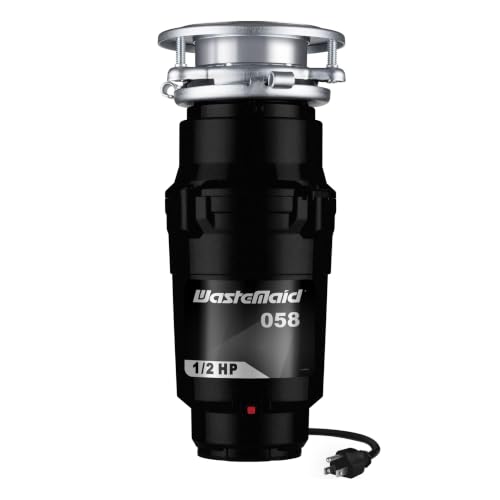
Waste Maid Garbage Disposal, 1/2 HP Economy

Etoolcity Garbage Disposal Air Switch Kit

Etoolcity UL-Listed Garbage Disposal Air Switch

InSinkErator Badger 1, 1/3 HP Disposal

InSinkErator Badger 5 + Septic Guard

Briidea Dual Outlet Air Switch Kit

InSinkErator Badger 5, 1/2 HP Disposer

InSinkErator Evolution Essential XTR 3/4 HP

Waste Maid 1/3 HP Builders Disposer

Waste Maid 1/2 HP Standard Disposer
The Picks, Examined More Closely
Waste Maid’s Economy 1/2 HP unit is the kind of disposal you install once and stop thinking about, which is exactly what a lot of septic homeowners want. The permanent magnet motor spins at 2,600 RPM and pairs with an anti-jam stainless steel grinding chamber (the metal ring and impeller where scraps actually get shredded before being flushed).
For a single-cook household or a rental unit, the lighter horsepower keeps electrical draw modest while still tackling soft leftovers like cooked vegetables and citrus rinds. It isn’t built for chicken bones or large batches, but that’s a sensible match for septic systems that prefer steady, fine waste over occasional heavy loads.
A Favorable Mix
- Compact size fits tight undersink cabinets where space is limited
- Continuous feed design lets you add scraps during operation without stopping
- Anti-jam chamber reduces the chance of a stuck turntable interrupting cleanup
- Stainless components hold up well under routine cold-water flushing
Points To Note
- Lower motor output struggles with dense waste like fibrous stalks or bones
- Sound level runs louder than insulated higher-tier units in open kitchens
- Septic households still need to avoid grease and starches regardless of grind quality
Feature Snapshot
Made For
Solo cooks and small households producing light daily scraps on a tight plumbing budget.
Skip It When
You cook for a family most nights; the InSinkErator Badger 5 (pick 7) handles larger volumes more comfortably.
This Etoolcity kit doesn’t grind anything itself; it’s the air switch (a pneumatic push-button that uses air pressure, not electricity, at the countertop) you install next to your faucet to safely trigger any disposal. The polished stainless button mounts through a standard hole in the countertop or sink ledge, and the power module hides under the sink.
An air switch is genuinely helpful in septic homes because it removes the need to drill a switch into an electrical wall box near the sink, which is often the trickier part of the install. Two power-module mounting options (screws or a hook-and-loop pad) help when cabinet walls are finished or rental-restricted.
Useful Touches
- Stainless button resists fading and tarnishing in steamy kitchens
- Air-based operation keeps the countertop surface free of electrical wiring
- Flexible tubing accommodates thicker countertops and longer runs
- Simple retrofit for existing disposers that lack a switch
Things To Consider
- Requires drilling a counter or sink-top hole if one isn’t already present
- Power module must reach both the disposal plug and a wall outlet
Who It Suits Best
Homeowners with a disposer but no working wall switch, particularly on stone or composite counters.
A Better Fit Elsewhere
You want listed safety certification; the Etoolcity UL-listed version (pick 3) carries that mark.
The longer, black-finished sibling to pick 2 earns its place mainly through certification. UL listing (a third-party safety standard from Underwriters Laboratories) means the power module and button have been tested to recognized electrical safety criteria, which matters during insurance inspections or permitted renovations.
The slim socket design and stainless button handle the same pneumatic job as the cheaper Etoolcity kit, just with a documented safety pedigree. For septic homes, the difference is peace of mind rather than grind performance, since this accessory never touches food waste directly.
What Works In Its Favor
- UL listing supports code compliance in jurisdictions that require it
- Low-profile button stays out of the way of faucet handles and sprayers
- Stainless face shrugs off splashes and cleaners without pitting
Worth Bearing In Mind
- Pricier than uncertified alternatives for the same switch function
- Same countertop hole requirement as any air switch
Spec Overview
Best Suited To
Renovations under permit or homes where inspectors want listed electrical components near water lines.
Reach For A Different Pick When
You want a single switch to run both a disposal and a hot water tap; the Briidea dual-outlet kit (pick 6) covers that.
The Badger 1 is the entry point to InSinkErator’s long-running lineup, and the bundled DMG-00 deluxe mounting gasket is a real perk for first-time installers. The 1/3 HP Dura-Drive induction motor and galvanized steel grind chamber handle soft scraps with minimal fuss, and the unit is explicitly rated safe for properly maintained septic systems.
Compare this to the Waste Maid Economy from pick 1, which offers more horsepower in a similar price neighborhood. Where the Badger 1 wins is fit: the compact design lines up with existing InSinkErator hardware, which can cut a replacement install down to swapping the body and reusing the mount.
Everyday Perks
- Compact footprint fits where larger disposers won’t
- Included power cord removes a common install step
- Replacement gasket seals against a typical sink flange without extra parts
- Septic-safe rating aligns with conservative waste habits
A Few Limitations
- Lower torque than 1/2 HP units when scraping plates
- Galvanized steel parts can show wear sooner than stainless alternatives
Whose Shelf It Belongs On
First-time installers replacing an old InSinkErator on a tight budget and a light workload.
Not Your Match When
You entertain often; the Evolution Essential XTR (pick 8) absorbs heavier use with far less noise.
This bundle pairs the well-known Badger 5 1/2 HP disposer with InSinkErator’s BOOST Injection System and Septic Guard solution, which delivers a biological additive through the drain line to help replenish bacteria inside the tank. For households that run the disposer daily, that’s a useful companion to the disposer itself.
The Badger 5 portion is identical to the standalone unit in pick 7: galvanized steel components, Dura-Drive induction motor, and the same compact shell. The differentiator here is the septic-specific accessory kit, so the value depends on how much you intend to dose the tank regularly.
The Good Stuff
- 1/2 HP motor tackles a wider range of scraps than the Badger 1
- Septic Guard additive supports the tank’s bacterial balance after disposal use
- Injection system installs inline without frequent manual dosing
- Included power cord removes an extra purchase
Honest Caveats
- Costs more than the disposer alone once the bundle premium is added
- Additive refills are an ongoing expense to keep the system effective
Who Will Love This
Septic owners who want both a mid-grade disposer and a structured bacterial maintenance plan from day one.
Where Another Pick Suits Better
You’d rather handle septic care on your own schedule; the standalone Badger 5 (pick 7) keeps things simpler.
Briidea’s kit adds a second outlet that stays powered independently from the air button, which is the neat trick here. The disposal still runs through the pneumatic button, but a hot water dispenser or a small appliance can share the same module and always-on outlet.
Like picks 2 and 3, this is an accessory, not a disposer. The benefit shows up in kitchens where wall outlets are scarce and you want the disposal control in a clean, sink-top location rather than a switch plate.
The Practical Payoff
- Two outlets from one module frees up under-sink space
- UL-listed components support inspections and insurance reviews
- Stainless button matches modern faucet finishes
Points To Keep In Mind
- Always-on outlet shouldn’t be used for high-draw appliances like instant pots
- Wiring layout requires clear labeling to avoid confusion later
Built With In Mind
Homeowners pairing a disposer with an instant hot water tap on a single shared circuit.
Consider Something Else When
You only need a single disposal control; the Etoolcity kits (picks 2 and 3) do that job for less.
The standalone Badger 5 sits in the sweet spot for most septic households. The 1/2 HP Dura-Drive induction motor, galvanized steel grinding components, and continuous feed design handle a typical family’s nightly rinse-down without complaint, and InSinkErator explicitly lists it as septic-safe for properly maintained systems.
It differs from the Waste Maid Economy (pick 1) and Standard (pick 10) in build feel: induction motors (which use electromagnetic fields rather than brush contacts) tend to run longer with less internal wear than permanent magnet designs at similar horsepower. For households that don’t need the Evolution series’ sound engineering, this is the dependable middle.
What Earns Its Place
- Mid-tier horsepower covers daily family cooking loads
- Continuous feed lets you rinse plates straight in without batching
- Galvanized steel grinding components handle routine wear
- Compact shell replaces many older InSinkErator units without new hardware
Small Caveats
- Louder than insulated Evolution-series disposers
- Still demands cold-water flushing and avoided grease for septic health
Feature Card
Right Fit For
Busy family kitchens that need reliable daily grinding without premium-tier pricing.
Swap It Out When
Open-plan living makes disposal noise a daily irritation; the Evolution Essential XTR (pick 8) dampens it noticeably.
The Evolution Essential XTR is the premium pick here, and the standout feature is its SoundSeal noise reduction, a multi-layer acoustic insulation that wraps the grind chamber to lower operating volume compared to Badger-series units. The 3/4 HP Dura-Drive motor and 2-Stage Multigrind (which pulverizes scraps twice before flushing) turn food into a fine slurry that septic systems handle more easily than coarse chunks.
The bundle also includes a Satin Nickel air switch and power cord, which removes two of the most common install add-ons. Compared to the Badger 5 (pick 7), the XTR trades a quieter experience and finer grind for a higher upfront cost, and it draws more amps during startup.
What Makes Sense
- SoundSeal insulation tames the audible grind during operation
- Two-stage grinding produces a finer waste slurry, gentler on septic tanks
- Alloy stainless steel components improve long-term corrosion resistance
- LeakGuard Liner (an internal moisture channel) helps catch minor internal drips before they reach the cabinet floor
Trade-Offs To Consider
- Premium pricing sits well above Badger-series alternatives
- Higher amperage may require a dedicated 15-amp circuit in older homes
- Heavier body can be awkward to mount solo in tight cabinets
Technical Reference
Perfect Match For
Renovating cooks with open layouts who want quieter operation and a finer grind for septic health.
Look Elsewhere When
Budget is the priority; the Badger 5 (pick 7) covers the daily grind for far less.
The Builders Series sits in Waste Maid’s middle tier, with a 1/3 HP permanent magnet motor and the same anti-jam stainless steel grinding chamber shared by the company’s larger units. The 3-bolt mount is the practical highlight: it’s a fast, forgiving install method that builders and remodelers reach for when rough-in timing matters.
For septic households, the appeal is the predictable grind pattern and the included 5-year warranty coverage that signals longer mechanical support than some budget disposers offer. Compare this with the Economy model from pick 1: same grinding technology, lower horsepower, and a more installer-friendly mounting system.
Real-World Strengths
- 3-bolt mount simplifies rough-in installs and replacements
- Anti-jam stainless chamber reduces stuck-turntable interruptions
- 5-year warranty signals confidence in mechanical lifespan
- Compact body fits narrower sink base cabinets
Potential Sticking Points
- Lower horsepower than the Waste Maid 1/2 HP options
- Limited availability of replacement parts outside the brand ecosystem
Built With In Mind
New construction and remodel projects where install speed and reliability matter most.
Where A Sibling Pick Shines
You want higher torque for daily family use; the Waste Maid Standard (pick 10) is the step up.
The Waste Maid Standard delivers 1/2 HP from the same permanent magnet motor platform as the Economy (pick 1) and uses the anti-jam Torque Master stainless grinding system that defines this brand’s mid-tier disposers. Continuous feed operation and a compact shell make it an easy drop-in for many existing sinks.
This is the Waste Maid unit that sits closest to the InSinkErator Badger 5 (pick 7) in daily capability, at a different price point. For septic homes, the deciding factor is brand familiarity and warranty support rather than grind quality, since both units handle soft daily scraps comparably.
Where It Helps
- 1/2 HP covers the typical weeknight rinse-down load
- Anti-jam chamber reduces the most common mechanical failure mode
- Compact shell fits where taller disposers won’t
Possible Compromises
- Permanent magnet motors can show brush wear sooner than induction designs
- Less insulation than premium Evolution-series units
- Septic users still need to avoid grease and fibrous waste
Core Features
Right Fit For
Households that want Waste Maid’s brand feel and the 1/2 HP sweet spot without premium pricing.
Consider Something Else When
Noise is the priority; the InSinkErator Evolution Essential XTR (pick 8) is the better match.
Choosing a Disposal That Plays Nicely With a Septic Tank
A few attributes matter more in this category than horsepower alone. Septic tanks rely on a balanced bacterial culture to break down waste, so the disposer you pick needs to produce a fine slurry rather than chunky output, and you need habits that protect the tank regardless of which model you choose.
Horsepower Versus Grind Quality
Horsepower affects torque (the rotational force that keeps the grind chamber turning through resistance), but grind quality determines particle size. A 1/2 HP disposer with a refined two-stage grind (pick 8) often treats a septic tank more gently than a higher-horsepower unit with a single-stage chamber. Match the motor to your cooking volume, not your wish list.
Septic-Safe Habits At The Sink
Cold water, generous flushing, and avoiding grease, coffee grounds, and fibrous vegetables all matter more than the badge on the disposal. Run water for a few seconds before and after use, and consider a monthly bacterial additive if your tank sees heavy disposal load. The bundle in pick 5 packages that habit into a kit.
Air Switches, Power Cords, and Install Realities
Air switches (picks 2, 3, and 6) replace electrical wall switches with a countertop button, which simplifies install on stone counters. Power cords skip the hardwire step and reduce the need for an electrician during a basic replacement. Either feature saves time on a Saturday swap.
Septic Tank Size and Household Volume
Smaller tanks and lower-horsepower disposers pair naturally; high-output grinders in a small tank add load without enough retention time to settle. For a household of one or two, 1/3 HP (pick 9) covers light cooking. For families cooking most nights, 1/2 HP (picks 1, 5, 7, 10) handles a wider range of scraps without stressing the motor.
Key Considerations Across These Picks
Where Shoppers Go Wrong
Treating horsepower as the only metric leads to over-purchasing. A 3/4 HP unit in a quiet one-person kitchen often idles and wears prematurely, while a 1/3 HP model in a busy family simply stalls. Match the disposer to your actual meal volume, and pair it with a grinding chamber that produces fine particles. Skipping the air switch question is another common miss, since the wall-switch retrofit is the install step most homeowners underestimate.
The Case For Spending Up
Premium tiers buy two things in this category: finer grind stages and meaningful noise reduction. The Evolution Essential XTR (pick 8) wraps the chamber in acoustic insulation, which changes the experience in an open-plan home. The two-stage grind produces a slurry septic tanks process more easily than coarse output. For households where the kitchen opens to living space, the upgrade is justified by daily comfort, not raw spec sheets.
Frequently Asked Questions
Are garbage disposals safe for septic tanks?
Most continuous-feed disposers are rated safe for properly maintained septic systems, since they only contribute ground food waste into the drain line. The septic tank’s bacterial culture handles fine organic particles much like any other household waste, provided grease and fibrous scraps are kept out.
What size disposer does a typical household need?
A 1/3 HP unit covers a single cook or a couple who rarely entertains. A 1/2 HP model fits most family kitchens with nightly cooking. Anything above 3/4 HP makes more sense in a household that processes large volumes of prep scraps or feeds a hot water dispenser alongside the disposal.
How often should septic tanks be pumped with a disposer?
Most septic professionals recommend pumping every three to five years for a typical household, and adding a disposer doesn’t shorten that interval dramatically when cold-water habits are followed. Heavy disposal use combined with grease can shorten it; pairing the disposer with a bacterial additive is one way to support the tank between services.
Can I install a garbage disposal myself?
A basic swap is doable for someone comfortable with simple plumbing and a plug-in power cord. Hardwired installs and any work inside the electrical box are better left to an electrician, and local code may require a permit for new circuits even on a simple replacement.
What should never go down a septic-safe disposer?
Grease, oil, coffee grounds, fibrous vegetables like celery and corn husks, and expandable foods like rice and pasta are the usual troublemakers. Eggshells and small bones are generally tolerated in moderation, but the safer habit is to send anything that thickens or expands into the trash instead.
Closing Thoughts
Septic homes don’t need a special class of disposer, just a steady, fine-grinding unit paired with disciplined habits at the sink. Match the horsepower to your cooking volume, choose a grind chamber that protects the tank, and add an air switch or maintenance bundle only when it actually fits your kitchen. A sensible mid-tier pick covers the vast majority of households well.




