

A functional home office lives or dies on three things: a chair that supports you through the afternoon, storage that tames the paper sprawl, and a desk footprint that respects your room. Remote workers, hybrid commuters, and side-hustle builders all run into the same friction: the dining chair hurts by hour three, the floating shelf groans under binders, and the “quick Zoom corner” looks more cluttered than productive. The five pieces below cover those pain points in different ways, so you can build a setup that fits your square footage and your work style without overspending or overcomplicating the room.
A Snapshot Of The Selections

VAKATRELL 8 Cube Storage Organizer Bookshelf (Light Oak)
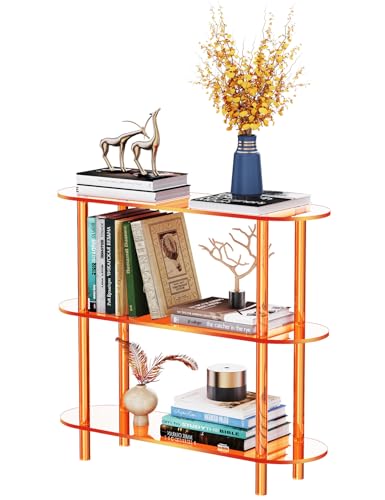
solaround Clear Acrylic 3-Tier Bookshelf (Orange)

TRALT Ergonomic Desk Chair with Lumbar Support

TRALT Mesh Ergonomic Desk Chair (Black)

TRALT Mesh Ergonomic Desk Chair (White)
The Picks, Examined More Closely
The VAKATRELL 8 Cube Storage Organizer runs 63 inches wide and 30.9 inches tall, which lands it squarely in media-console territory rather than traditional bookcase height. That low, horizontal profile suits a credenza-style setup behind a desk or beneath a wall-mounted display, and the eight open cubes swallow binders, reference manuals, and printer paper without forcing you to dig through doors. The light oak finish blends warm wood grain with a metal-frame industrial skeleton, so it reads more like furniture than storage when guests walk past.
For hybrid workers who stash novels next to tax folders, the open cubby layout makes it easy to grab a binder one-handed between calls. You can mix baskets, plants, and tech on the same shelf without losing visual coherence, which is rare for a unit this wide. Compared to the solaround acrylic pick below, this one trades decorative lightness for raw storage volume and a grounded, room-filling presence.
The Value In It
- Eight open cubes hold a mix of books, baskets, and printer supplies at once
- Low, 30.9-inch profile works as a media console under a monitor or TV
- Light oak grain adds warmth without requiring a wall color change
- Wide 63-inch footprint absorbs clutter from a full wall in one piece
Trade Offs
- No backing panel, so heavy binders may lean visibly and shift over time
- Open cubes collect dust and demand occasional wiping, especially on the bottom row
- Wide footprint may overhang a small apartment wall, so measure first
Who Should Grab It
Remote workers and students who live in reference manuals, printers, and paper clutter benefit most from this low, wide layout.
Consider Something Else When
If your priority is a lightweight, airy look in a tight corner, the solaround acrylic 3-tier pick is the better fit.
The solaround acrylic shelf leans into the room-as-canvas aesthetic. A clear acrylic frame, with a warm orange accent, lets light pass straight through, which is the opposite move from the VAKATRELL oak unit above. Three tiers give you room for a curated lineup of paperbacks, ceramics, or a small plant without turning the shelf into a focal wall.
The transparent construction makes this pick especially useful in studio apartments, rental bedrooms, or anywhere a solid piece of furniture would crowd the floor plan. It also doubles as a display pedestal for objects you actually want seen, like a framed photo or a wireless speaker, instead of being hidden inside opaque storage. Pair it with one of the TRALT chairs for a desk area that feels deliberate rather than crowded.
Strengths Worth Knowing
- Transparent acrylic opens up small rooms and bright corners
- Three tiers offer focused display space without overwhelming a wall
- Orange accent softens the industrial feel of a tech-heavy desk
- Lightweight frame is easy to reposition as needs evolve
Points To Keep In Mind
- Acrylic shows fingerprints and dust, so plan on a weekly wipe-down
- Three tiers is a lighter storage footprint than the VAKATRELL eight-cube layout
Feature Snapshot
Made For
Design-conscious renters and small-space workers who want storage that disappears into the room rather than dominating it.
Look Elsewhere When
Anyone hauling a binder-heavy workload should reach for the VAKATRELL 8 Cube Organizer instead, since volume beats transparency in that scenario.
The TRALT Ergonomic Desk Chair positions itself as a crossover between a home office seat and a gaming chair, which matters because both audiences sit for long unbroken stretches. The adjustable lumbar support, meaning a lower-back curve you can tighten or loosen to match your spine, addresses the most common home-office complaint: that nagging low-back ache by mid-afternoon. The molded-foam seat is built to resist the sagging that flattens cheaper cushions within months.
Writers, designers, and remote engineers who clock four to eight hours a day at the keyboard usually feel the difference from a supportive lumbar system within a week. The chair also gives you enough tilt and recline flexibility to take genuine breaks between tasks. Compare that to the mesh TRALT variants below, which trade plush cushioning for airflow and a lighter visual profile.
Notable Gains
- Adjustable lumbar helps prevent the mid-afternoon lower-back slump
- High-resilience foam seat holds shape across long daily sessions
- Recline range supports micro-breaks between focused work blocks
- Game-and-work styling fits a dual-use room without looking out of place
Honest Caveats
- Cushioned seat runs warmer than mesh alternatives in summer
- Larger footprint than the slimmer mesh TRALT options below
Right Fit For
Daily desk-bound workers logging long hours who prioritize lumbar support over airflow.
Swap It Out When
Hot climates or warm-window offices are better served by the TRALT mesh chairs in picks 4 and 5.
The TRALT Mesh Ergonomic Desk Chair in black keeps the same adjustable lumbar framework as the cushioned model above, but swaps the foam seat surround for a breathable mesh back. That airflow is the whole point: it keeps your back cool during video calls that run long, and it cuts the clamminess that builds up under solid upholstery after lunch.
Mesh construction also tends to weigh less visually, which matters in a converted guest room or studio where the chair sits in the frame of every Zoom. The black finish reads as neutral and unobtrusive against most desk setups, and it hides the scuffs that show up on lighter finishes over time. You may find the lumbar adjustment feels a touch firmer than the cushioned pick, which some users prefer for posture discipline.
Features That Help
- Mesh backrest prevents heat buildup during extended sitting
- Adjustable lumbar supports a neutral spine position
- Black finish blends into most home office color schemes
- Lighter visual profile keeps small rooms from feeling crowded
Soft Spots
- Mesh tension can feel less plush than the foam TRALT above
- Black mesh shows lint and pet hair more visibly than textured upholstery
Quick Facts
Best Suited To
Year-round desk workers in warm rooms, or anyone who runs hot during back-to-back meetings.
Reach For A Different Pick When
Cooler climates and users who prefer plush cushioning will likely prefer the foam TRALT in pick 3.
The TRALT Mesh Ergonomic Desk Chair in white delivers the same adjustable lumbar support and breathable backrest as the black version, with a finish tuned for light-filled rooms. A white chair disappears into a Scandi-inspired or coastal palette the way a black one would dominate it, and it pairs naturally with the solaround acrylic shelf in pick 2 for a deliberately bright workspace.
For shared family desks or a converted nursery office, the lighter finish reads as welcoming, and it photographs cleanly for content creators who shoot their setup. You may find the white mesh demands more frequent cleaning than the black variant, since dust and denim transfer show up faster on pale surfaces. Still, for studios with big windows and pale walls, the trade-off is worth it.
Benefits That Matter
- White finish lifts bright rooms and minimizes visual clutter
- Mesh backrest supports airflow in warm, sun-facing offices
- Adjustable lumbar keeps posture consistent through long shifts
- Pairs visually with pale desks and acrylic accents
Less-Strong Areas
- White mesh shows dust and denim transfer more readily than black
- Light finish can yellow slightly in heavy direct sunlight over time
Whose Shelf It Belongs On
Designers, content creators, and renters with minimalist, sunlit interiors who want a chair that blends in rather than stands out.
A Better Fit Elsewhere
High-traffic family rooms or households with shedding pets may prefer the black TRALT mesh chair, which hides everyday wear better.
What To Weigh Before Choosing Furniture For Home Office
Start with your room’s climate and square footage, not the catalog photo. A mesh chair earns its keep in a sunny south-facing office with weak air conditioning, while a foam seat feels softer and warmer in a basement conversion that already runs cool. Measure your wall length before committing to wide storage like the VAKATRELL 63-inch shelf; a piece that overhangs a corner makes the whole room feel cramped.
Match the chair’s lumbar adjustability to your work pattern rather than to a generic “ergonomic” label. A writer who leans forward for hours wants firm lower-back pressure; a manager who takes frequent video calls wants enough recline to shift posture between meetings. For storage, decide whether you need concealment or display, since open cubes showcase everything and acrylic shelves disappear into the room.
Finally, think about the surface the furniture lives on. Rolling chairs behave differently on thin rugs than on hardwood, and wide shelves need a level base to keep binders from sliding. A few minutes of measurement and floor-checking prevents the most common regret: a beautiful piece that fights the room it’s in.
Where These Picks Differ Most
Where Shoppers Go Wrong
Treating “ergonomic” as a single feature rather than a system. A chair with adjustable lumbar but a fixed armrest still leaves your shoulders unsupported, and a mesh back without tilt tension locks you into one position. Always test the adjustment knobs before committing, even if that means checking return terms.
Buying storage that fights the room’s light. Dark wood in a windowless nook absorbs what little brightness you have, while a clear acrylic shelf can disappear into a sunny corner and free up floor presence. Choose materials that work with your lighting, not against it.
When Paying More Pays Off
Higher-tier home office furniture usually earns the gap in three places: foam density, lumbar mechanism quality, and frame stability. A denser molded-foam seat, like the one in the foam TRALT pick, resists flattening across a year of daily use, while a budget foam cushion sags within months. Likewise, an adjustable lumbar that locks firmly in place keeps your spine supported through deep-focus sessions, where a loose tension knob drifts out of position.
For most home setups, paying up makes sense on the chair you sit in for eight hours and the shelf that holds your heaviest gear. Decorative pieces, where the acrylic pick shines, often justify a more modest spend, since the visual difference between budget and premium acrylic is minimal at typical viewing distance.
Frequently Asked Questions
How Do I Pick Between Foam And Mesh Chairs?
Foam seats feel plush and run warmer, while mesh seats breathe well and stay cooler through long stretches. Your room temperature and personal heat tolerance usually settle the question faster than any spec sheet.
Is An Acrylic Bookshelf Strong Enough For Daily Use?
Acrylic holds paperbacks, decor, and small accessories comfortably, but heavy binders or dense textbooks can stress the joints over time. Treat it as curated display space rather than as archive storage.
What Width Of Bookshelf Works Behind A Desk?
A 60 to 65-inch shelf, like the VAKATRELL pick, doubles as a credenza behind a desk and absorbs a monitor’s visual weight. Anything narrower usually reads as a side accent rather than functional anchor storage.
Do All Three TRALT Chairs Share The Same Lumbar System?
Yes, the adjustable lumbar mechanism runs across the foam and mesh variants. The main differences come down to seat material, backrest material, and color finish.
Should Storage Or Seating Come First When Building A Home Office?
Seating usually wins, since a bad chair undermines every hour of work, while storage can be added gradually. Start with a supportive chair, then layer shelves and organizers as your paper and tech needs grow.
The Takeaway
A balanced home office setup leans on one supportive chair, one storage piece that matches your room’s footprint, and a clear sense of how you actually use the space day to day. Match the chair’s material and the shelf’s profile to your climate and lighting, and the rest tends to fall into place. Pick the piece that solves your biggest friction point first, then build outward as your routine settles in.