

Setting up a training space at home means more than tossing a yoga mat on the carpet. The wrong surface amplifies noise for downstairs neighbors, shifts under a heavy barbell, or wears through after a few months of jump rope. Picking the right flooring protects your equipment, your floor beneath it, and your joints over the long haul. This roundup covers mats sized for single cardio machines, full-room coverage for strength training, and compact pads for balance work.
The Lineup, Simplified

GXMMAT G5 Power Rack Multi-Function Power Cage (1:1 Pulley)
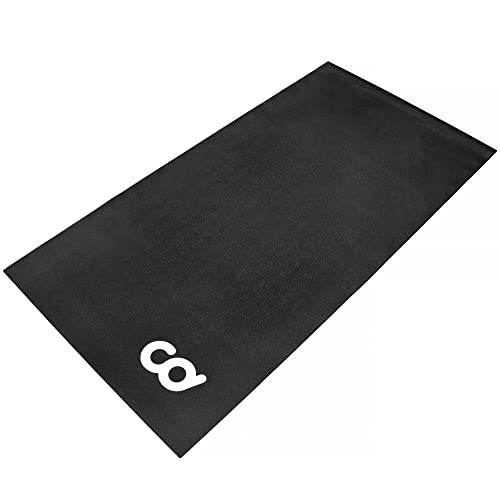
CyclingDeal Bike Trainer Floor Mat 30″x60″ Soft PVC

GXMMAT Extra Large Exercise Mat 16’x6’/12’x6’/10’x6’/8’x6′ (7mm)

ProsourceFit Tri-Fold Folding Thick Exercise Mat 6’x2′

ProsourceFit Exercise Balance Pad Foam Mat
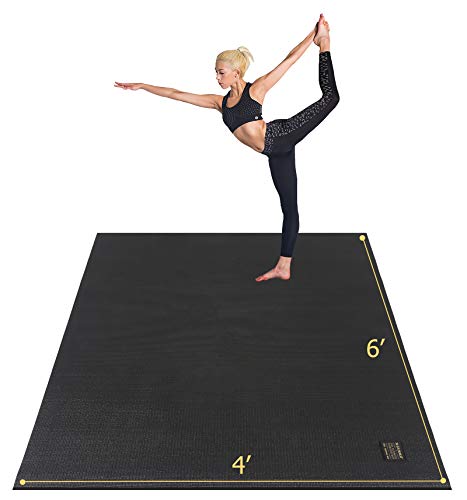
GXMMAT Large Yoga Mat 6’x4’/6’x6′ (7mm) & 7’x5′ (9mm)

GXMMAT V6 Power Rack with Cable Crossover (2000LBS)

Gxmmat X6 Power Cage 2200LB Independent Dual Aluminum Pulley
The Picks, Examined More Closely
The G5 is built for the lifter who wants cable work and a rack in the same footprint without the pulley hardware fighting the J-hooks (the metal arms that hold the barbell at the right height for a squat). By routing the cable through a 1:1 pulley ratio, meaning the cable travels the same distance as the weight stack, the cage preserves its front uprights for bar work, which is the part that matters during a heavy back squat.
Constructed from heavy-duty steel and outfitted with a LAT pulldown (a latissimus pulldown attachment for back exercises) plus multiple add-ons, this unit covers pressing, pulling, and squatting in one structure. It suits a garage or basement gym where space is finite and the training list is long.
Real Benefits
- 1:1 pulley ratio keeps the front uprights free for barbell work, eliminating the clearance problem that plagues many combo racks
- Heavy-duty steel frame handles demanding loads
- Multiple included attachments reduce the need for separate purchases
- LAT pulldown adds vertical pulling variety without requiring a separate tower
Points To Note
- Assembly typically requires two people and a fair amount of floor space to lay out hardware
- Wide footprint may not suit tight basements or shared rooms
Built With In Mind
Lifters who want a single cage for squats, presses, and cable work, especially those training in a garage or basement.
Reach For A Different Pick When
The GXMMAT V6 Power Rack with Cable Crossover System suits you better if standalone dual cable stations matter more than rack clearance.
Cardio equipment sweats, vibrates, and occasionally leaks. The CyclingDeal mat sits beneath spin bikes, treadmills, ellipticals, rowers, and steppers to catch that mess before it reaches the carpet or hardwood underneath. At 30 by 60 inches with a 7mm PVC thickness, it’s sized for one machine rather than a full room.
The soft, low-odor PVC construction absorbs vibration and dampens the thump of a treadmill deck or a heavy flywheel (the weighted disc inside a stationary bike that creates resistance). It works well for an apartment dweller trying to keep noise complaints at bay.
Where It Excels
- 7mm soft PVC cushions vibration from heavy spin bikes and treadmills
- Low-odor material is friendlier for indoor use than some rubber mats
- 30″x60″ footprint fits most single cardio machines
- Waterproof surface wipes clean after sweaty sessions
Worth Noting
- Too small for full-room coverage or multi-machine setups
- Soft PVC may show indentations under very heavy stationary equipment over time
Who Should Grab It
Apartment dwellers and home cardio enthusiasts with a single bike or treadmill.
Skip It When
The GXMMAT Extra Large Exercise Mat 16’x6’/12’x6’/10’x6’/8’x6′ (7mm) fits better if you want to cover a full garage gym floor rather than just one machine.
Where the CyclingDeal mat covers one machine, this GXMMAT covers the whole floor. Offered in lengths from 8 to 16 feet and a uniform 6-foot width, the 7mm mat sits beneath deadlift platforms, kettlebell flows, and stretch zones without seams splitting the surface mid-rep.
The dense construction provides stable footing and shock absorption for aerobic work, core routines, and floor stretches. It suits a converted garage or spare bedroom that doubles as a yoga studio and a lifting area.
Features That Help
- Extra-long dimensions cover full garage gym layouts in one piece
- 7mm thickness cushions joints during floor work and absorbs dropped-weight impact
- Non-slip surface grips both shoes and bare feet
- Manufactured without the top six most harmful phthalates (chemicals used to soften plastics), making it safer for indoor air
Trade Offs
- Larger sizes are heavy and awkward to unroll solo
- Single-piece design is less portable than folding mats for travel
Whose Shelf It Belongs On
Garage gym owners wanting whole-room coverage under heavy compound lifts and bodyweight circuits.
A Better Fit Elsewhere
The ProsourceFit Tri-Fold Folding Thick Exercise Mat 6’x2′ suits you better if portability and quick stowage matter more than permanent room coverage.
Unlike the full-room GXMMAT, this ProsourceFit mat folds into thirds and stows behind a door or in a closet. The 6’x2′ footprint opens into a padded landing zone for sit-ups, push-ups, MMA sprawls, and assisted stretching, then collapses for travel or storage between sessions.
Two integrated carrying handles make it easy to drag to a park, a buddy’s basement, or a hotel room. It suits small-space dwellers who don’t have a permanent gym corner.
Where It Helps
- Tri-fold design compresses into a stowable size for closets and small apartments
- Carrying handles on both ends simplify transport to outdoor or partner workouts
- Thick padding protects knees and elbows during MMA groundwork and core drills
- Works as a secondary mat to expand coverage alongside larger pieces
Honest Caveats
- 2-foot width feels narrow for lateral movements or full stretching
- Folding seam can catch toes during fast-paced drills until you learn the surface
Best Suited To
MMA practitioners, stretchers, and small-apartment trainers needing portable floor cushioning.
Look Elsewhere When
The GXMMAT Large Yoga Mat 6’x4’/6’x6′ (7mm) and 7’x5′ (9mm) suits you better if you need a wider, single-piece surface for yoga flows.
This is a different category than the previous mats. The ProsourceFit pad is a thick foam block that creates an unstable surface for squats, single-leg work, ankle rehab, and knee-friendly kneeling exercises. It challenges proprioception (your body’s sense of position and balance) rather than cushioning a room.
Made from TPE foam (thermoplastic elastomer, a rubber-like material that’s typically free of latex and PVC), it provides a non-slip top and bottom for hardwood, tile, or carpet. It works well for physical therapy routines and balance drills where the goal is instability, not padding.
Noteworthy Benefits
- Unstable foam surface strengthens ankles, knees, and core during single-leg work
- TPE construction avoids the latex and PVC concerns of cheaper pads
- Non-slip texture on both faces keeps the pad planted during rapid movements
- Doubles as a knee pad for stretching and floor exercises
Some Limits To Know
- Not designed for room coverage, so it complements rather than replaces a full mat
- Foam compresses with repeated heavy use over months, reducing instability over time
Perfect Match For
Rehab patients, older adults, and athletes adding balance and stability drills to their programming.
Another Choice May Suit
The CyclingDeal Bike Trainer Floor Mat 30″x60″ Soft PVC suits you better if you want floor protection under heavy equipment rather than a balance challenge.
Standard yoga mats cut off tall users in warrior poses and force wider stances onto the carpet. The GXMMAT Large Yoga Mat offers 6’x4′, 6’x6′, and 7’x5′ options with 7mm or 9mm thickness, depending on the size, giving practitioners room to actually move without sliding off the edge mid-flow.
The thicker profile cushions knees during long holds and absorbs impact for flows with jump-throughs. It suits dedicated yogis and Pilates practitioners who feel cramped on standard mats.
The Good Stuff
- Extra length and width prevent falling off during wide stances and full extensions
- 7mm and 9mm thickness options give joint relief for sensitive knees
- Non-slip surface grips through sweaty hot yoga sessions
- Generous footprint works for partner stretches and assisted poses
Soft Spots
- Larger sizes add weight and bulk compared to standard travel mats
- 9mm version may feel too soft for balance-focused standing poses
The Right Fit
Tall practitioners, dedicated yogis, and anyone who finds standard mats too short for full expressions of pose.
Consider Something Else When
The GXMMAT Extra Large Exercise Mat 16’x6’/12’x6’/10’x6’/8’x6′ (7mm) works better if you want a yoga-friendly surface that also covers strength training zones.
The V6 trades the G5’s compact cable setup for a full cable crossover system, two independent cable columns that meet in the middle for chest flies, cable crossovers, and unilateral pressing. Rated for 2000 pounds, the steel frame handles heavy back squats without flex, while the integrated cables let you move from rack work to cable work in seconds.
Compared to the earlier G5, this rack leans toward lifters who want a dedicated cable station alongside their cage rather than a single-space compromise. It suits a garage gym where footprint is generous and the training list includes chest, back, and arm isolation work.
Well-Handled Touches
- 2000-pound rating handles aggressive back squats and bench press setups
- Cable crossover system supports chest flies and functional cable movements
- Multiple included attachments reduce the need for separate purchases
- Heavy-duty steel construction suits long-term daily training
Worth Bearing In Mind
- Larger footprint than the G5 due to dual cable columns
- Assembly time runs longer given the additional hardware and crossover components
Quick Facts
Who Will Love This
Lifters who want a rack and a dedicated cable station combined, particularly those running full-body programming.
Not Your Match When
The Gxmmat X6 Power Cage 2200LB Independent Dual Aluminum Pulley System fits better if you prioritize independent pulley action over the V6’s crossover layout.
The X6 is the top-shelf offering, and the differences from the V6 show up where it counts. The independent dual aluminum pulley system (a system with two separately routed cables using lightweight aluminum pulleys for smoother action) lets two people train simultaneously or one lifter run supersets without re-routing cables. The 2200-pound frame rating steps above the V6’s 2000 for heavier lifters.
Available as a standalone cage, with a weight bench, with a 7-foot bar and 230-pound weight set, or with a floor mat bundled in, the X6 lets you build out a complete strength training package from one listing. It suits dedicated home gym builders who want commercial-style smoothness.
Good Reasons To Consider
- Independent dual pulleys support partner workouts and uninterrupted supersets
- Aluminum pulley construction runs smoother than basic steel setups
- 2200-pound frame rating exceeds the V6 for advanced lifters
- Multiple bundle options let you purchase a full setup in one transaction
What To Weigh
- Premium positioning means a higher investment than the G5 or V6
- Larger footprint requires serious garage or basement space
- More pulleys and cables mean more potential maintenance points over years of use
Made For
Serious home strength athletes who want commercial-smooth cable action and the heaviest frame rating in this lineup.
Where A Sibling Pick Shines
The GXMMAT V6 Power Rack with Cable Crossover System fits better if you mainly want a crossover cable station and don’t need independent pulleys.
What To Weigh Before Picking Floors For Home Gym
The right surface depends on what actually happens in your training space. A yoga practitioner needs different footing than a powerlifter dropping 400 pounds from lockout, and a cyclist’s sweat puddle is a different problem than a deadlifter’s chalk dust.
Match The Surface To The Equipment
Cardio machines like treadmills and spin bikes produce vibration and occasional fluid leaks. A 30″x60″ PVC mat, like the CyclingDeal, absorbs that movement and protects the floor beneath without taking over the room. Strength training setups with barbells, dumbbells, and plyo boxes need denser rubber or thicker foam to absorb impact and prevent equipment from walking during heavy lifts.
Think About Thickness And Density
Thickness alone doesn’t tell the whole story. A 7mm PVC mat feels different from a 7mm TPE foam mat, and a 9mm yoga mat cushions the knees differently than a 9mm rubber stall mat. For dropped weights, dense rubber holds up better than soft foam. For floor exercises and yoga, moderate foam wins on joint comfort. Pick the density that matches the dominant activity.
Measure Your Footprint First
Whole-room coverage mats like the GXMMAT Extra Large come in lengths up to 16 feet, but they need clear floor space and a path to unroll. Tri-fold mats like the ProsourceFit sacrifice coverage for portability, which matters in shared living spaces. Cable racks like the G5, V6, and X6 each need several feet of clearance on every side for safety bars and cable travel.
Plan For Noise And Neighbors
Apartment dwellers and basement gym owners should weight noise reduction heavily. Soft PVC and foam mats dampen treadmill vibration and the thud of dropped dumbbells. Harder rubber stall mats and rigid rack floors transmit more sound. If shared walls are part of your setup, prioritize softer, thicker surfaces.
Mistakes Worth Dodging and Where The Extra Money Goes
Where Shoppers Go Wrong
The most common slip is buying a mat sized for the equipment rather than the workout. A 30″x60″ mat works for a single bike but leaves a deadlift platform unprotected. The reverse is just as common: laying down a 16-foot mat when a treadmill is the only piece of equipment. Measure your space, count your machines, and choose coverage that matches the actual training footprint.
Another trap is treating thickness as the only quality signal. A 12mm mat made from low-density foam compresses faster than a 7mm mat made from denser material. Look at material type alongside the thickness number.
When Paying More Pays Off
Higher-tier models in this category, like the Gxmmat X6, cost more for specific reasons. Independent pulleys with aluminum construction run smoother and last longer than basic steel-and-plastic setups. Heavier frame ratings translate to less flex under load, which matters for safety during solo heavy lifting. Bundle options that include a bench, bar, and weight set reduce the hassle of sourcing compatible pieces separately. The upgrade pays off when you train frequently, push heavy weights, or share the space with another lifter.
Frequently Asked Questions
What thickness mat do I really need for a home gym?
For floor exercises, yoga, and stretching, 6mm to 9mm covers most needs. For heavy strength training with dropped weights, denser rubber at 3/4 inch or thicker absorbs impact better than thin foam. Match thickness to the heaviest activity in your routine.
Can I use one mat for both cardio and strength training?
Yes, but expect trade-offs. A thicker rubber mat handles dropped weights well but feels stiff underfoot for yoga. A medium foam mat works for bodyweight circuits and lighter dumbbells but compresses under heavy barbell drops. Many home gym owners use two surfaces, one under the rack and one for floor work.
How do I keep a gym mat from sliding on carpet?
A non-slip mat with a textured bottom grips most carpets without help. On smooth hardwood or tile, double-sided carpet tape or rubber underlay keeps the mat planted during dynamic movements. Avoid adhesives that leave residue when you eventually replace the mat.
Are rubber mats better than foam for home gym flooring?
Rubber wins for durability under heavy equipment and dropped weights. Foam wins for joint comfort during floor work and portability. Many setups combine both, with rubber under the rack and foam for stretching and yoga zones.
How long do home gym mats typically last?
Dense rubber mats in low-traffic setups often last a decade or more. Foam mats compress visibly within two to four years of regular use. PVC mats hold up well for several years but may show indentations under very heavy stationary equipment. Material quality and use intensity drive the lifespan more than the brand name.
The Takeaway
The best surface depends on what you actually lift, sweat, and drop in your training space. Cardio-focused setups do well with a single PVC mat under the machine. Strength-first gyms benefit from full-room coverage or a dedicated rack with adequate flooring. Balance and rehab work calls for a foam pad designed for instability. Match the surface to your dominant activity, measure your footprint honestly, and the right pick becomes much clearer.




