Your home’s air and water quality both shape how comfortable daily life feels, and the right gear quietly fixes problems you don’t want to keep thinking about. Hard water spots on glassware, a musty odor from the furnace, chlorine that throws off the taste of your morning pour-over: these are the everyday frustrations that point straight at a filtration upgrade. This roundup collects ten dependable options across both drinking water and whole-home air, so you can match capacity, contaminant focus, and footprint to the space you actually have. From under-sink reverse osmosis units for the kitchen to spin-on filter replacements for an oil-fired furnace and pleated media for a forced-air HVAC system, every pick below solves a real, specific problem rather than chasing trends.
The Shortlist At A Glance

Westwood F100-10 Spin-On Oil Filter Element

APEC ROES-50 5-Stage Reverse Osmosis System
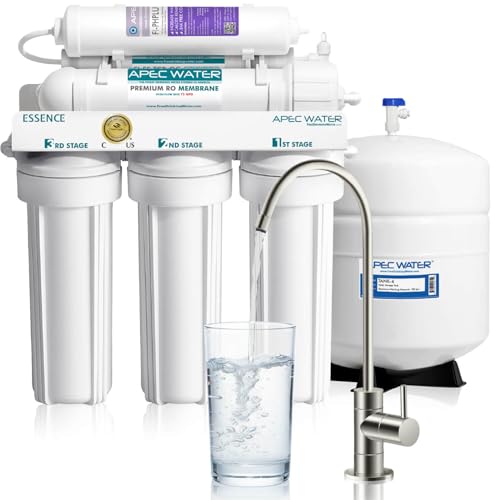
APEC ROES-PH75 6-Stage Alkaline RO System
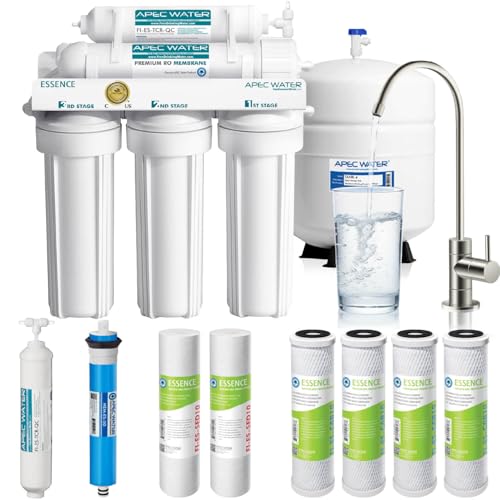
APEC ROES-50X 5-Stage RO System with Extras

APEC ROES-PHUV75 7-Stage RO with UV

APEC RO-90 5-Stage Reverse Osmosis 90 GPD

APEC RO-PH90 6-Stage Alkaline 90 GPD RO

Filtrete 20x25x1 MERV 5 Air Filter 6-Pack

APEC ROES-PH75X 6-Stage RO with Extra Filters

APEC RO-Hi 5-Stage RO with 3/8″ Output
Why These Options Stand Out
If your home still runs on a residential oil burner, the filter on the fuel line quietly decides whether you get a clean ignition or a service call in February. The Westwood F100-10 swaps onto an F-100 housing in seconds, and the included O-ring lets you reseat the canister without a parts-store run.
The 10-micron rating (a measure of the smallest particle the media will trap) catches the grit that scratches nozzles and fouls pumps, which matters more than the spec suggests for older boilers. In our view, owners with a moderate annual fuel budget get the most out of this filter, since the epoxy-coated canister shrugs off the damp basement air where most F-100 housings live.
Key Advantages
- Spin-on design means a fresh filter goes in without tools or messy element swaps.
- 10-micron media protects burner nozzles from sediment that causes rough ignition.
- Epoxy-coated canister resists corrosion in damp mechanical rooms.
- Drop-in fit for F-100 series filter heads keeps compatibility straightforward.
Things To Consider
- Annual replacement is the norm, so factor recurring media cost into your heating budget.
- Only suits F-100 housing, so confirm your existing head before ordering.
Whose Shelf It Belongs On
Homeowners with oil-fired furnaces or boilers who want a no-fuss seasonal filter change and dependable nozzle protection.
Consider Something Else When
Skip this for forced-air HVAC homes, since the Filtrete 20x25x1 MERV 5 Air Filter 6-Pack handles dust and lint on the air side instead.
Reverse osmosis pushes water through a semi-permeable membrane, leaving dissolved solids behind, and the APEC ROES-50 delivers that core benefit without any extra frills. Five stages of filtration handle sediment, chlorine, and a long list of heavy metals before the water hits your glass.
At 50 gallons per day (GPD), it suits a couple or a small family that drinks and cooks with filtered water but doesn’t need industrial output. The under-sink mount keeps the tank out of sight, and depending on how hard your feed water runs, you can expect filter swaps roughly every six to twelve months.
Real Benefits
- Five-stage setup tackles a wide contaminant list in a single under-sink unit.
- 50 GPD comfortably serves daily drinking and cooking for two to four people.
Worth Noting
- No remineralization stage, so the output reads as slightly acidic on a TDS meter.
- You may find the storage tank takes up meaningful space in a shallow sink base.
- Annual membrane and pre-filter replacement is a recurring ownership cost.
Feature Snapshot
Right Fit For
A couple or small household that wants clean drinking water on demand and is comfortable with periodic filter swaps.
Look Elsewhere When
Pick the APEC ROES-PH75 6-Stage Alkaline RO System instead, since it adds a remineralization stage for taste-sensitive households.
Where the ROES-50 ends with stripped-down water, the ROES-PH75 picks up one more stage that puts calcium and magnesium back into the glass. That pH bump matters if your coffee tastes flat or your kettle keeps building scale from aggressive RO output.
Seventy-five gallons per day is a meaningful step up over the entry-level APEC, giving a household of four enough headroom for pitchers, ice trays, and meal prep. Compared to the ROES-50 above, the trade-off is a slightly larger filter footprint and a more frequent cartridge rotation on the alkaline stage.
The Upside
- Remineralization stage improves taste and raises pH above plain RO output.
- 75 GPD output keeps up with active kitchens and family-sized pitchers.
- Same under-sink mounting language as the rest of the APEC line.
Trade Offs
- Alkaline cartridge adds to the annual replacement cost versus the 5-stage unit.
- You may find the production rate still lags behind the 90 GPD options during back-to-back fills.
Built With In Mind
Mid-size households on city or well water who want remineralized drinking water and have room for the standard 5-stage footprint.
Swap It Out When
Reach for the APEC ROES-PHUV75 7-Stage RO with UV if your well has microbial concerns that plain carbon stages can’t address.
The ROES-50X takes the same 50 GPD platform as the standard ROES-50 and ships it with spare cartridges in the box, which removes the awkward first-year scramble when six months pass faster than you expect. For a first-time RO owner, that’s a friendlier on-ramp than a bare kit.
You get the same five-stage layout, the same under-sink hardware, and the same membrane footprint, so installation looks identical to the base model. The honest read is that the extras matter most for households new to RO who don’t yet know their filter swap schedule.
Everyday Advantages
- Spare filters mean your first year of ownership is fully covered out of the box.
- Identical core hardware to the proven ROES-50 platform.
Minor Gripes
- Extras raise the upfront cost versus the standalone ROES-50.
- No remineralization, so taste-focused shoppers may still want the PH75 instead.
Best Suited To
First-time RO owners who want a turnkey install with replacement media staged for the first service cycle.
Reach For A Different Pick When
The APEC ROES-50 5-Stage Reverse Osmosis System is the better call if you already stock spare cartridges and only want the base kit.
Pull UV (ultraviolet) sterilization into a reverse osmosis system and you add a layer that addresses microorganisms the membrane alone doesn’t catch. The ROES-PHUV75 stacks alkalinity on top of that, which is why seven stages sit between your tap and your glass.
This is the right pick for households drawing from a private well, lake-fed line, or any source with periodic microbial alerts. The UV lamp adds to your replacement schedule, so depending on usage, expect to budget for a new bulb every twelve months.
Notable Gains
- UV stage addresses microbial concerns beyond what carbon and membrane stages handle.
- Alkaline stage keeps pH in a comfortable range for daily drinking.
- 75 GPD suits mid-size households without bottlenecking.
Softer Spots
- UV lamp replacement is an extra annual cost the simpler APEC units don’t carry.
- More stages mean more potential leak points over years of service.
Quick Facts
Perfect Match For
Households drawing from a well or other non-municipal source where microbial quality is a real concern.
Skip It When
The APEC RO-PH90 6-Stage Alkaline 90 GPD RO is a leaner match for city water households that don’t need UV.
The RO-90 sits in the middle of the APEC lineup, where five stages keep the install simple and ninety gallons per day keep the tank full. If your household cycles through pitchers faster than a 50 GPD unit can refill, this is the practical jump up.
You trade the alkaline stage found on the PH models, so the output is straight RO water with the slightly flat profile that brings. In most kitchens, that means pairing with a pitcher filter or choosing this for households that don’t mind the taste of demineralized water.
Benefits That Matter
- 90 GPD keeps up with large families, batch cooking, and frequent ice cube trays.
- Five-stage layout keeps maintenance straightforward and parts inventory minimal.
A Few Limitations
- No remineralization means low mineral content in the output water.
- You may find the tank refill still bottlenecks if you fill a pasta pot straight from the tap.
Made For
Larger households and frequent home cooks who prioritize volume over pH tuning.
A Better Fit Elsewhere
The APEC RO-PH90 6-Stage Alkaline 90 GPD RO is the right pick if you want the same throughput plus an alkaline polishing stage.
The RO-PH90 takes the daily-driver throughput of the RO-90 and adds a remineralization stage for taste and pH balance. For most households running a reverse osmosis unit, that’s the most useful upgrade you can buy without changing the membrane.
At 90 GPD the tank refills quickly between meal preps, which matters if you’ve ever run a slow RO dry mid-recipe. You may find this unit lands as the sweet spot for households that want both volume and balanced output.
Standout Benefits
- Alkaline polishing stage raises pH and adds back beneficial minerals.
- 90 GPD flow handles large families and frequent batch cooking without tank anxiety.
- Same install pattern as the rest of the APEC RO line for consistent plumbing layout.
Points To Keep In Mind
- Annual alkaline cartridge replacement is a recurring ownership cost.
- Slightly larger footprint than 5-stage units, so confirm under-sink space first.
Core Details
Who Should Grab It
Busy families who want RO throughput without sacrificing taste or pH balance in daily drinking water.
Not Your Match When
The APEC RO-Hi 5-Stage RO with 3/8″ Output makes more sense if fast glass fills matter more than alkaline polishing.
MERV is a filter efficiency rating: MERV 5 (Minimum Efficiency Reporting Value) is the baseline grade that catches lint, dust, and other large airborne particles without choking airflow. This Filtrete 6-pack covers a full year of filter swaps for a forced-air system that uses the popular 20x25x1 size.
Where the APEC units above treat water, this one keeps dust from cycling through your ductwork every time the blower kicks on. In a home with shedding pets or recent renovation work, you may find a higher-MERV filter loads up faster and strains the blower, so MERV 5 is the conservative everyday choice.
Strong Points
- Six-pack covers about a year of quarterly filter changes at a sensible cost.
- 20x25x1 actual dimensions fit the most common residential HVAC filter slots.
- Pleated electrostatic media captures dust without major airflow restriction.
Honest Caveats
- MERV 5 won’t address fine allergens like pollen or pet dander that higher grades target.
- Quarterly swaps are the norm, so set a calendar reminder to keep airflow healthy.
At A Glance
Who It Suits Best
Any home with a forced-air furnace or central AC using the standard 20x25x1 filter slot.
Another Choice May Suit
The APEC ROES-50 5-Stage Reverse Osmosis System is the better fit if your priority is drinking water quality, not whole-home air.
The PH75X is the same six-stage alkaline platform as the standard ROES-PH75, but the pre-filter set is sized larger to handle sediment-heavy supply lines. That extra capacity pays off in homes where the first three filters would otherwise clog before the membrane is spent.
If you’ve ever opened a sediment filter after two months and found it brown and plugged, this is the answer. The trade-off shows up in the housing footprint, since the bigger pre-filter canisters need a few extra inches of clearance under the sink.
The Practical Payoff
- High-capacity pre-filter set stretches service intervals on sediment-prone feed water.
- Six-stage chain adds alkalinity for taste and pH balance.
- 75 GPD output fits mid-size household demand.
Possible Compromises
- Larger canisters demand more under-sink clearance than standard APEC units.
- Annual replacement cost lands higher than the base 5-stage options.
Made For
Homes with sediment-heavy feed water from older pipes, well systems, or post-construction plumbing.
Swap It Out When
Choose the APEC ROES-PH75 6-Stage Alkaline RO System instead if your feed water is already clean and you don’t need oversized pre-filters.
Most RO units ship with a 1/4-inch output tube that trickles nicely into a glass but groans when you fill a 32-ounce pitcher. The RO-Hi swaps that for a 3/8-inch line, which sounds small but moves meaningful volume faster without raising the system’s GPD rating.
For households that treat the RO tap like a regular faucet, the wider line removes the slow trickle that frustrates daily use. In our view, this is the under-appreciated upgrade that changes how often the family actually uses the filtered tap.
Useful Highlights
- 3/8-inch output tube fills pitchers and pots noticeably faster than 1/4-inch lines.
- Five-stage layout keeps the consumables count manageable.
- Same plumbing footprint as other APEC under-sink units.
Points To Note
- No remineralization stage, so output reads as slightly acidic.
- You may need a slightly larger hole in the countertop for the dedicated faucet body.
Feature Snapshot
Best Suited To
Anyone who fills large pitchers, pasta pots, or coffee reservoirs straight from the filtered tap.
Where Another Pick Suits Better
The APEC RO-PH90 6-Stage Alkaline 90 GPD RO is a better match if alkaline output matters as much as flow speed.
Choosing The Right Setup For Your Home
Filtration systems break into two clean categories: drinking water units that mount under a kitchen sink and whole-home media that intercept dust and particles as air circulates. Under-sink reverse osmosis systems use a semi-permeable membrane to strip dissolved solids, with extra stages layered on for chlorine polish, remineralization, or UV sterilization. Air filters like the Filtrete 20x25x1 use a MERV efficiency rating to describe how much particulate the media traps at given particle sizes.
Daily output matters more than people expect. A 50 GPD unit covers a couple, but a household of five that fills pitchers, runs ice makers, and waters plants will want 75 or 90 GPD. Tank size is the second bottleneck: the storage tank determines how much water is ready between production cycles, and a 3.2-gallon tank fills pitchers faster than it sounds.
Remineralization is worth thinking about for taste. Plain RO water is slightly acidic and reads as flat to many palates, which is why the PH-stage models exist. If your kettle already scales up fast or your coffee tastes dull, an alkaline polishing stage changes the daily experience.
Air filtration is its own decision tree. MERV 5 through 8 covers most homes without choking the blower, while MERV 11 and above capture finer particles at the cost of static pressure. Homes with shedding pets or allergy sufferers often jump up a grade, but should confirm the blower can handle the resistance.
Smart Habits For Better Buying Decisions
Common Shopping Slip Ups
A frequent mistake is buying an RO unit sized for a studio apartment when a household of five actually needs 75 or 90 GPD. The opposite also happens: households pay for 90 GPD output but pair it with a tiny 2-gallon tank, so they wait on the same refill cycle as a smaller unit. Match tank size to actual demand, not just the GPD rating.
Where The Extra Money Goes
Higher-tier models in this list typically add UV sterilization, alkaline polishing, or oversized pre-filters. UV matters when feed water carries microbial risk, alkaline matters when taste and pH drive daily use, and oversized pre-filters matter when sediment would otherwise shorten the membrane’s life. Pick the upgrade that solves the actual problem on your supply line.
Frequently Asked Questions
How often do RO filters need changing?
Pre-filters on a typical reverse osmosis system run six to twelve months depending on feed water quality, while the membrane often lasts two to three years. The alkaline cartridge on PH-stage models typically swaps annually, and UV lamps follow a similar yearly rhythm.
What does MERV 5 actually catch?
MERV 5 media traps particles in the 3 to 10 micron range, which covers lint, dust, and pollen fragments. Fine allergens like pet dander and mold spores generally need MERV 8 or higher for meaningful reduction.
Do I need UV in my RO system?
UV helps when feed water comes from a well, lake, or any source where microbial contamination is a known risk. For municipal water that already meets safety standards, UV is optional rather than essential.
Can I install an under-sink RO unit myself?
Most APEC under-sink systems ship with a dedicated faucet, tubing, and quick-connect fittings that support a confident DIY install with basic tools. If your sink lacks a spare hole for the faucet, you may want a plumber to drill and mount.
How long does a Filtrete MERV 5 filter last?
A 20x25x1 MERV 5 filter in a typical forced-air home usually runs about three months before airflow drops noticeably. Homes with shedding pets, recent renovation, or high dust load often swap sooner.