

Pulling a proper espresso shot at home used to mean a thousand-dollar prosumer rig and a learning curve that felt like flight school. Things have changed. Today’s countertop machines cover everyone from someone who just wants a single-serve capsule routine to the home barista chasing real crema. This roundup lines up seven options worth your attention in 2026, including a descaler you’ll want on hand once your machine is up and running.
Your Options, Compared

Miele Coffee Maker Descaler Tablet
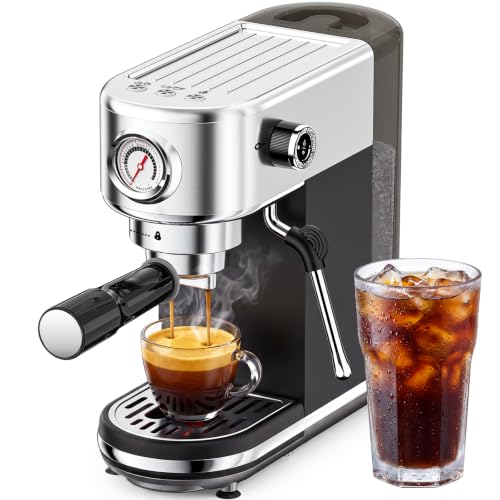
atatix 20 Bar Espresso Machine with Milk Frother

Bene Casa Electric Espresso Maker 1-3 Cup Red

RIOSKY Compact Espresso Machine with Temperature Display & Milk Frother

Nespresso Vertuo Next by De’Longhi, Creamy White and Gold

Nespresso Vertuo Next by De’Longhi, Matte Black

Nespresso Vertuo Next by Breville, Light Grey
Meet The Standout Selections
Starting a home espresso lineup without thinking about maintenance is one of the fastest ways to shorten the life of any machine. Mineral buildup clogs boilers, ruins flavor, and turns a clean pull into something sour. The Miele Coffee Maker Descaler Tablet exists for exactly that problem: keeping the internal pathways of compatible Miele systems clear so every shot tastes the way it should.
For shoppers who already own a Miele coffee system, this is less of an accessory and more of an ongoing supply. The tablet format means measured doses every time, no guesswork with liquids. Users without a Miele machine should look at the picks below instead.
The Case For It
- Pre-measured tablet format removes dosing errors during routine cleaning
- Helps protect heating elements and boilers from limescale damage over time
- Designed specifically for Miele machines, which simplifies the cleaning routine
Points To Keep In Mind
- Not a universal descaler, so it only helps if you already run a compatible Miele unit
- Should be paired with regular descaling cycles rather than treated as a substitute for them
Who It Suits Best
Current Miele machine owners who want a low-fuss way to maintain flavor consistency and protect their equipment from mineral damage.
Look Elsewhere When
You’re shopping for an actual brewing machine rather than upkeep supplies, in which case the atatix 20 Bar Espresso Machine with Milk Frother is a more relevant pick.
The jump from drip coffee to espresso feels intimidating, but the atatix 20 Bar Espresso Machine with Milk Frother lowers the bar considerably. A 20-bar pump (the pressure that forces hot water through compacted grounds) paired with a 1350W boiler handles the extraction work for you, so first pulls don’t require you to dial in grind size or temperature manually.
It includes a built-in steam wand for cappuccinos and lattes, making it a complete setup for someone who wants milk drinks without buying a separate frother. Compared to the Miele tablet above, this is the actual brewing hardware the tablet is designed to clean.
A Few Strong Suits
- 20-bar pump delivers proper extraction pressure without requiring barista-level adjustment
- 1350W boiler heats up quickly, useful for morning routines
- Integrated milk frother eliminates the need for a separate accessory
- Semi-automatic design lets you control shot length while the machine handles pressure
Trade Offs
- You’ll need a separate grinder for fresh grounds, which adds to the total setup cost
- Steam wand performance depends on milk technique, so expect a learning period
Key Specs
Made For
First-time espresso drinkers who want a forgiving machine that handles the hard parts of extraction while still allowing hands-on brewing control.
Consider Something Else When
You’d rather use capsules for a faster morning routine, in which case the Nespresso Vertuo Next by De’Longhi in matte black serves that need more directly.
Compact kitchens rarely have room for a prosumer setup. The Bene Casa Electric Espresso Maker 1-3 Cup Red leans into small-batch brewing, making 1 to 3 cups at a time without dominating your counter. The transparent carafe turns the process into a small visual ritual, which is something most pump-driven machines simply don’t offer.
Unlike the atatix machine above, this one handles small servings rather than full espresso workflow. An automatic shut-off adds a layer of safety for anyone who tends to walk off mid-brew. The red finish also brings some personality to kitchens where most appliances lean monochrome.
What Works In Its Favor
- 1-3 cup capacity suits solo drinkers or couples without wasting beans
- Transparent carafe adds visual feedback during brewing
- Automatic shut-off reduces the risk of burnt coffee
Things To Consider
- Limited capacity rules out entertaining multiple guests at once
- Lacks the steam wand and pump pressure that define a true espresso setup
- Smaller batch size means more brew cycles if you’re serving a group
Best Suited To
Solo drinkers, dorm residents, or anyone working with a tight counter footprint who values charm and simplicity over barista-level machinery.
Not Your Match When
You want milk-based drinks like lattes and cappuccinos, where the atatix 20 Bar Espresso Machine with Milk Frother gives you a steam wand built in.
Most home machines hide their temperature behind indicator lights. The RIOSKY Compact Espresso Machine with Temperature Display & Milk Frother puts that information on the front panel, which helps you understand what’s actually happening during a pull. Knowing whether you’re hitting brew temperature is half the battle when dialing in espresso at home.
Compared to the Bene Casa model above, this one trades simplicity for control. You get real brew specs in view, plus a frother for milk drinks. It suits someone who wants visibility into the process rather than just a finished cup.
The Upside
- Visible temperature readout helps troubleshoot extraction issues in real time
- Compact footprint works in apartments and small kitchens
- Integrated milk frother rounds out a complete home café setup
- Semi-automatic operation balances control and convenience
Points To Note
- Display adds complexity that complete beginners may not need
- Steam wand cleaning is a recurring task with any built-in frother
Who Will Love This
Curious brewers who like knowing their numbers and want a compact countertop machine that doubles as a learning tool.
A Better Fit Elsewhere
Capsule drinkers who want zero dial-in, where the Nespresso Vertuo Next by Breville in light grey keeps the workflow entirely push-button.
Capsule systems get a bad rap among purists, yet the Nespresso Vertuo Next by De’Longhi in creamy white and gold serves a real audience: anyone who wants café-style drinks with zero dial-in. Six brew sizes, ranging from single espresso to an 18-oz coffee, come from a single machine and a single button press. The barcode-reading system adjusts parameters automatically based on the pod.
Where the RIOSKY model invites tinkering, this one removes it entirely. Each pod tells the machine how to brew, so consistency is built in. The slim sustainable design also keeps the footprint modest on most counters.
Everyday Perks
- Six brew sizes handle everything from espresso shots to large mugs
- Pod-based system removes the learning curve entirely
- Crema layer appears across sizes, not just on small espressos
- Slim profile fits narrow counters and tight kitchen layouts
Worth Noting
- Recurring pod costs add up faster than buying bulk beans over time
- Limited customization once a pod is loaded into the machine
Quick Facts
Perfect Match For
Busy households that want variety without the ritual, especially anyone whose morning involves more getting-out-the-door than perfecting grind size.
Swap It Out When
You want to learn traditional espresso craft and dial in shots yourself, where the RIOSKY Compact Espresso Machine with Temperature Display & Milk Frother offers more hands-on control.
Same machine as the creamy white and gold version above, just in a different finish. The Nespresso Vertuo Next by De’Longhi in matte black suits minimalist kitchens where appliances should fade into the background rather than announce themselves. It runs on the same Vertuo pod ecosystem, which means shared capsule inventory across both colors if a household ever rotates machines.
The slim footprint holds true here, and the six brew sizes carry over as well. Choosing between this and the creamy white version comes down to kitchen palette rather than function.
The Helpful Details
- Matte black finish hides fingerprints better than glossy alternatives
- Compatible with the full Vertuo pod lineup from the gold version
- Same six-size brewing range from single espresso to 18-oz mug
- Compact body keeps the counter looking uncluttered
Honest Caveats
- Functionally identical to other Vertuo Next units, so you’re paying for aesthetics
- Recurring pod cost remains the same regardless of finish choice
Built With In Mind
Apartment dwellers and design-conscious shoppers who care how their countertop looks as much as how their coffee tastes.
Reach For A Different Pick When
You actually want to engage with the craft of espresso, where the atatix 20 Bar Espresso Machine with Milk Frother hands you a real semi-automatic workflow.
The Nespresso Vertuo Next by Breville in light grey rounds out the Vertuo trio in this roundup. The lighter neutral finish works in kitchens where black feels too heavy and gold feels too decorative. Breville’s involvement brings a slightly different build character compared to the De’Longhi-branded versions above.
Six brew sizes, the same pod ecosystem, and the same slim profile carry over. Choosing this one over the De’Longhi versions mostly comes down to brand preference and the specific finish that fits your space.
Noteworthy Benefits
- Light grey tone blends with stainless, white, and pale cabinetry
- Six brew sizes span espresso through 18-oz servings
- Pod-driven consistency for households that value repeatability
- Slim build keeps counters looking open
- Compatible with all Vertuo capsules from the rest of the lineup
Some Limits To Know
- No real customization once the pod is selected
- Ongoing pod cost accumulates faster than bean buying
- Functionally similar to other Vertuo Next machines
Quick Facts
Whose Shelf It Belongs On
Long-term capsule drinkers who want a finish that quietly fits into any kitchen style and don’t need to stand out.
Another Choice May Suit
Shoppers on tighter budgets who want real espresso craft, where the Bene Casa Electric Espresso Maker 1-3 Cup Red delivers small-batch brewing without the pod overhead.
Factors To Weigh Before Choosing Espresso Coffee Makers For Home
Brew Style: Pods vs. Semi-Automatic vs. Stovetop Electric
The single biggest decision is workflow. Capsule systems like the Nespresso Vertuo Next line trade flexibility for repeatability and speed. Semi-automatic machines like the atatix and RIOSKY models give you control over shot length and milk work, but they ask you to learn extraction basics. Compact electric makers like the Bene Casa lean simple and small-batch.
Pick the style that matches the time and attention you actually have in the morning. A machine that feels like a chore rarely gets used, regardless of how good it is on paper.
Counter Footprint and Storage Reality
Measure the counter before you order. Slim capsule machines tend to play nicely with narrow shelves, while semi-automatic rigs often need extra room for a grinder, knock box, and milk pitcher. If space is at a premium, the compact picks in this roundup make more sense than chasing full prosumer specs.
Also consider clearance above the machine for filling water tanks and adding pods or beans.
Milk Drinks or Straight Shots
Anyone living on lattes and cappuccinos should prioritize a built-in steam wand. Straight-shot drinkers can skip the frother entirely and save space. Three of the picks above include integrated steam wands, while the capsule machines and the Bene Casa lean toward black coffee.
Think about whether you’ll actually use a steam wand weekly. An unused frother is wasted counter space.
Maintenance Supplies on Day One
Hard water slowly destroys heating elements. Any machine you buy should be paired with a descaling routine from the start. For Miele owners, that means stocking tablets like the one in the first slot. Other systems have their own compatible cleaners.
Skipping maintenance is the most common reason home espresso machines fail early, so budget for upkeep, not just the upfront machine.
Key Considerations Across These Picks
Wrong Turns To Avoid
The most common mistake is buying a machine based on specs alone rather than workflow. A 20-bar pump on paper means nothing if you never want to dial in shots manually. Capsule systems look expensive at the entry point but lock you into recurring pod costs, which adds up faster than most shoppers expect.
Another trap is ignoring counter clearance above the unit. Tanks and bean hoppers require vertical room, and many returns come from machines that technically fit but can’t be filled without removing nearby items.
What The Higher Tier Buys
Spending more on an espresso setup generally buys you better temperature stability, stronger steam pressure for milk work, and more durable boilers. Machines in the mid-tier handle weekend use comfortably, while higher-end options survive daily pulling across years without flavor drift.
The honest read is that higher-tier machines earn their price when you brew daily and care about consistency. Casual weekend drinkers rarely notice the difference between mid and high end, so match the spend to your actual routine.
Frequently Asked Questions
Are capsule espresso machines worth it for home use?
Capsule systems like the Nespresso Vertuo Next line are worth it if you value speed and consistency over hands-on brewing. They cost less upfront than prosumer machines but require ongoing pod purchases that add to the total ownership cost.
What pressure do I actually need in a home espresso machine?
A 20-bar pump is more than enough for proper extraction, since espresso is brewed at roughly 9 bars at the group head. Pumps rated higher than 9 bars simply have more headroom, not higher actual brew pressure.
Do I need a separate grinder for a semi-automatic machine?
Yes, pre-ground coffee loses flavor quickly and limits your ability to dial in shots. A burr grinder (a grinder that crushes beans between two textured plates for consistent particle size) is the most common upgrade shoppers make after their first espresso machine.
How often should I descale a home espresso machine?
Most manufacturers recommend descaling every one to three months depending on water hardness. Skipping it allows mineral buildup that ruins flavor and eventually damages heating elements, which shortens the machine’s working life.
Can small electric espresso makers pull real espresso?
Compact electric makers like the Bene Casa brew strong concentrated coffee but lack the pump pressure of true espresso machines. If real crema and traditional shot texture matter, a semi-automatic machine is a better fit.
Closing Thoughts
The right home espresso setup depends less on specs and more on your morning reality. Capsule drinkers will find the Vertuo Next machines keep things effortless. Hobbyists get more satisfaction from semi-automatic rigs like the atatix or RIOSKY. Small-space dwellers can lean on compact picks like the Bene Casa. Pick the workflow you’ll actually use, and the rest tends to fall into place.




