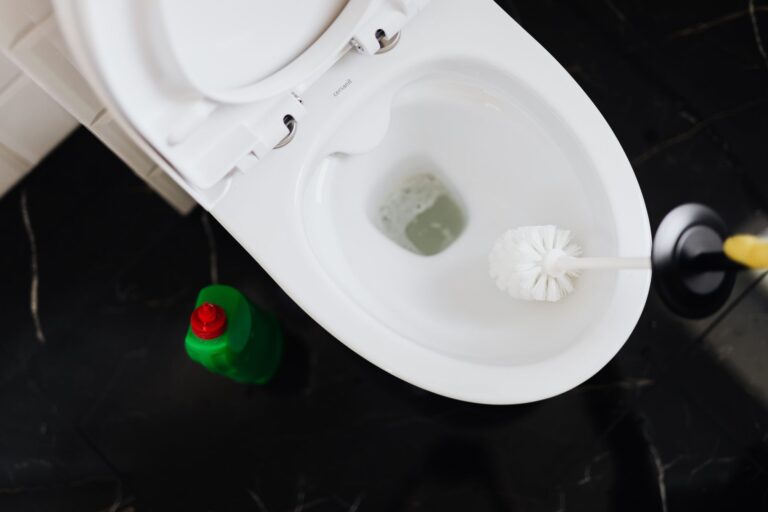
A slow-flushing toilet, soggy ground over the leach field, that faint sewer smell in the bathroom: these are the early warnings that your septic system is heading for trouble. The right treatment keeps the bacterial balance in your tank healthy so solids break down before they reach the drain field, where repairs run into serious money. This list rounds up nine options worth comparing, from monthly maintenance pods to heavy-duty sludge digesters, so you can match the product to your system’s size, soil, and stress level.
The Choices Worth Comparing

Monthly Natural Septic Tank Treatment Packets

Rid-X Septic Tank Treatment 3.2 oz

Rid-X 9.8 oz Septic Treatment Powder

Bio-Tab Septic System Tablets 14 ct

Septic-Flow Enzyme Pods (1 Year)

Bio-Safe One BIO-112 5-Gal Sludge Digester

BSA 10003 24-Month Septic Treatment

Bio-Safe One LVL1 Shock 5 Gal + 42 Treatments
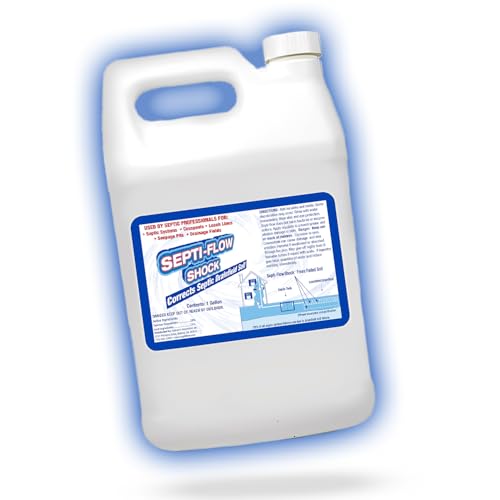
Septic-Flow Shock Drain Field 1 Gallon
More On The Choices That Made The List
One packet per month down the toilet, no measuring, no mess. The Doctor Drain formula ships as an 8 oz concentrate that covers tanks up to 1500 gallons, so a single bottle carries a household through most of a year before a reorder.
Enzymes are the active workers here: living bacteria colonies that digest proteins, oils, grease, and paper before those materials settle into the leach field. The non-corrosive profile means older copper or PVC plumbing stays safe, and the lighter packaging footprint appeals to anyone trying to cut down on bulky household chemicals.
A Few Highlights
- One packet a month simplifies the routine; no scooping or guessing.
- Treats tanks up to 1500 gallons, fitting most suburban homes.
- Enzyme blend targets paper, grease, and proteins that clog leach lines.
- Non-corrosive formula protects older pipe and fittings.
- Concentrated bottle cuts plastic waste compared with bulkier competitors.
Things To Consider
- Works best on a healthy system; a neglected tank may need a stronger shock treatment first.
- Refrigeration between doses is sometimes recommended to keep bacteria viable in warm climates.
At A Glance
Who It Suits Best
Homeowners with a well-functioning septic system who want a simple monthly habit rather than a complex chemistry project.
Where Another Pick Suits Better
If your tank already smells off or backs up slowly, the Bio-Safe One BIO-112 heavy-duty sludge digester brings stronger firepower to a struggling system.
The 3.2 oz Rid-X packet is the entry-level size for anyone new to septic upkeep. It is the same dual-action formula as larger Rid-X jars, just in a smaller dose that suits a one-bathroom cottage or a starter dose for a brand-new system.
You flush one packet a month, the bacteria colonize the tank, and the enzymes break down solids before they migrate to the drain field. For homeowners who want a name they have already seen on store shelves, this is the lowest-friction way to start.
What It Does Well
- Small packet fits easily into a cleaning caddy for monthly use.
- Familiar brand lowers the learning curve for first-time owners.
- Dual-action formula combines fast enzymes with longer-lasting bacteria.
Worth Noting
- The 3.2 oz size runs out faster than the 9.8 oz jar, so cost per dose is higher over a year.
- Light maintenance dose; a sluggish drain field usually needs a more targeted leach line cleaner alongside it.
Made For
New homeowners or small households wanting a recognizable, easy-to-find monthly treatment.
Consider Something Else When
You have a larger household tank or want fewer reorders, in which case the Rid-X 9.8 oz powder offers the same approach in a bigger jar.
This is the same Rid-X blend that newcomers trust, just packed into a 9.8 oz jar that lasts a standard home roughly ten months at one dose per month. The powder format pours directly into the toilet and dissolves through the trap.
It works as a preventative: keep the bacterial colony healthy now and the leach field stays clear later. For anyone who wants the Rid-X name without monthly trips to reorder, this jar is the practical middle ground.
Why It Works Well
- Larger jar trims cost per dose compared with the 3.2 oz packet.
- Powder form dissolves without residue and mixes through the tank quickly.
- Well-known formula gives confidence to owners nervous about trying a new brand.
Trade Offs
- Powder can clump if the jar sits in a humid laundry room; a dry storage spot helps.
- Preventative strength, not a fix for an already-failing system.
Feature Snapshot
Right Fit For
Suburban households on a monthly maintenance routine who prefer a powder over liquid or pods.
Skip It When
You want a set-and-forget schedule; the Septic-Flow one-year pod pack delivers a similar idea with no measuring.
Tablets sink to the bottom of the tank and dissolve slowly, which is the whole point: enzymes release where solids accumulate instead of flushing past them. The 8 oz jar holds 14 tablets, so a household on a standard monthly schedule gets more than a year out of one container.
Drop one in the toilet, let it settle, and flush. The dual-action formula targets both the tank and the drain field, breaking down paper, grease, hair, and waste without harming plumbing or the surrounding soil biology.
Positive Points
- Tablet format removes any measuring or pouring.
- Slow-dissolving design delivers enzymes where solids settle.
- Dual-action formula also reaches the drain field, not just the tank.
- Safe for all standard plumbing materials.
Honest Caveats
- Tablets need a few hours in standing water to dissolve, so a seldom-used bathroom is not the best drop point.
- Maintenance strength; not a substitute for pumping when sludge levels are already high.
Best Suited To
Busy households that want the simplest possible habit and rarely miss a monthly reminder.
A Better Fit Elsewhere
For a one-time rescue of a slow drain field, the Septic-Flow Shock Drain Field Cleaner targets the leach lines more directly.
One order covers twelve months. The Septic-Flow pods ship as a full-year supply, individually wrapped so each dose stays fresh until you need it. Made in the USA, the pods dissolve in the tank and release bacteria that target waste, odors, and the slow sludge buildup that ends in backups.
For owners who dread the monthly “did I treat the tank?” question, having twelve pre-measured doses in a single box removes the guesswork. Flush one, mark the calendar, move on.
Strengths Worth Knowing
- Twelve-month supply means one purchase covers a full year of upkeep.
- Pre-measured pods remove any dosing guesswork.
- Targets odors as well as sludge, which matters for homes near living spaces.
- Domestic manufacturing for shoppers who prefer USA-made products.
Points To Keep In Mind
- Monthly maintenance dose; a clogged leach field still needs a separate shock product.
- Twelve-pod packaging takes up more storage space than a single jar.
Feature Rundown
Whose Shelf It Belongs On
Set-and-forget households that want a year of treatment on hand with no monthly reordering.
Reach For A Different Pick When
You suspect the drain field is already failing, in which case the Bio-Safe One LVL1 Shock kit combines a heavy initial dose with follow-up treatments.
This is the big gun. BIO-112 is a concentrated liquid, packed in a 5-gallon pail, with a patented blend of bacteria selected to digest grease, sludge, and the bio-mat layer that forms inside failing drain fields. The brand traces its bacterial strains back to the Exxon Valdez cleanup research.
Liquid format means the bacteria reach every corner of the tank and the leach lines quickly, which matters when a system is already sluggish. Over 500 trillion bacteria per dose give the colony enough mass to overwhelm a serious clog.
A Favorable Mix
- Liquid form spreads through the entire system faster than powders or tablets.
- Patented bacterial strains target grease and bio-mat, not just paper.
- Suitable for commercial and residential tanks, including grease traps.
- Long shelf life of five-plus years when stored sealed.
Points To Note
- 5-gallon pail is heavy to ship and awkward for one-person handling.
- Pricier upfront than monthly pods, though dose per treatment is concentrated.
- Best results usually need follow-up monthly doses to maintain the bacterial colony.
Feature Snapshot
The Right Fit
Owners of neglected or slow systems, including small commercial operations with grease traps, who need more than routine maintenance.
Not Your Match When
Your system runs fine and you only want a monthly habit; the Doctor Drain packets handle that scenario at a lower entry cost.
Two years of treatment in one shipment. The BSA 10003 ships as 24 pre-measured doses that cover a standard maintenance schedule without reordering. The bacterial strains are lab-cultivated, patented, and tied to the same Exxon Valdez cleanup lineage as BIO-112.
For households that want to set the system and forget it for two years, this is the closest thing on the list to a “store it in the garage” plan. Owners commonly report that the bacteria keep working through both aerobic (oxygen-rich) and anaerobic (oxygen-poor) zones of the tank.
The Upside
- 24 doses mean two full years of coverage without reordering.
- Pre-measured packets remove any dosing guesswork.
- Patented strains work in both oxygen-rich and oxygen-poor zones.
- Targets odors as well as solids, useful for homes close to living areas.
Less-Strong Areas
- Higher upfront cost than smaller packs, even though per-dose cost is lower.
- Maintenance-grade strength; an already-failing field usually needs the BIO-112 liquid first.
Quick Facts
Who Should Grab It
Homeowners who want to lock in two years of maintenance with one purchase and avoid monthly reordering.
Look Elsewhere When
Your tank already shows warning signs; start with the Bio-Safe One BIO-112 for a heavy initial dose before settling into long-term maintenance.
When the drain field has gone beyond slow and into “failing” territory, a single monthly dose rarely turns things around. The LVL1 Shock kit pairs a 5-gallon concentrated liquid for an initial heavy treatment with 42 follow-up doses to keep the bacterial colony alive afterward.
That combination matters: the shock dose clears bio-mat and organic buildup from the leach lines, while the maintenance doses stop the problem from rebuilding. For residential, hotel, and small commercial systems, it is the closest thing on this list to a full rehab program.
Advantages To Know
- Two-part design pairs a heavy shock dose with a 42-dose maintenance plan.
- Liquid concentrate spreads through the entire system quickly.
- Works across cesspools, seepage pits, lagoons, and drywells.
- Suitable for both residential and light commercial wastewater setups.
Where It Is Less Suited
- 5-gallon pail plus 42 doses is more product than a trouble-free home needs.
- Best results assume the user can pour the shock dose carefully and follow the maintenance schedule.
Built With In Mind
Owners facing an actual drain field failure who want to attempt restoration before calling in a pumper or installer.
Swap It Out When
You only need a one-time line flush without the follow-up plan; the Septic-Flow Shock Drain Field 1 Gallon targets the leach lines alone.
Where most treatments focus on the tank, this one zeroes in on the leach field lines themselves. The Septic-Flow Shock is a heavy-duty liquid designed to clear the sodium, sulfate, and detergent buildup that slowly chokes drain field pipes.
One gallon is poured through the system to flush the leach lines, restoring flow to soil that has stopped accepting wastewater. It pairs well with a monthly maintenance plan afterward, since clearing the blockage without preventing the next one just delays the problem.
Benefits That Matter
- Targets the leach field lines, where most backups actually start.
- Liquid form travels through pipes and into the soil absorption area.
- Single-gallon size is easier to handle than a 5-gallon pail.
- Useful for systems with high soap or detergent load.
Things To Weigh
- A rescue product, not a maintenance routine; follow-up monthly doses are recommended.
- Results depend on how compacted the soil absorption area has become.
Perfect Match For
Homeowners noticing soggy ground or slow drains above the leach field who want to attempt a fix before excavation.
Another Choice May Suit
If you want the shock plus a long-term plan in one shipment, the Bio-Safe One LVL1 Shock kit includes follow-up treatments.
What To Weigh Before Choosing A Drain Field Treatment
Drain field treatments share a goal (keep solids out of the leach lines) but reach it through different formats, strengths, and cadences. Matching the product to your situation saves money and avoids the frustration of treating the wrong layer of the system.
Format And Frequency
Powders, liquids, pods, and tablets all work, but each shapes your routine differently. Powders and liquids dissolve fast and suit larger monthly doses; pods and tablets suit forgetful households that want zero measuring. For most homes, monthly use is the baseline that prevents slow sludge buildup.
System Size And Stress Level
A 1500-gallon tank in a two-bath home stays healthy with a light monthly dose. A tank that already smells, drains slowly, or sits above soggy ground usually needs a shock product first, then a maintenance plan to keep the colony alive. Heavy bacterial counts and liquid formats tend to deliver faster results on stressed systems.
Drain Field Focus
The tank is where most treatments do their work, but the drain field is where failures actually cost money. Products that explicitly target the leach field lines (BIO-112, Septic-Flow Shock) make sense once a system starts to back up, while standard monthly pods make sense as prevention. Treating both layers is the honest answer for troubled systems.
Storage And Shelf Life
Liquid concentrates and powders store for years when sealed, but hot garages shorten bacterial viability. Pods and tablets usually ship in foil or plastic wraps that block moisture. Pick a format you will actually keep in the conditions you have.
Smart Habits And Honest Trade-Offs
Common Shopping Slip Ups
Treatments cannot rescue a drain field that has already failed structurally: collapsed pipes, saturated soil from years of neglect, or a tank that needs pumping will not respond to enzymes alone. Pair any new purchase with a basic check of sludge levels and a look at whether the leach field is actually accepting water. Buying the strongest shock product on the list is not a substitute for those basics.
Where The Extra Money Goes
Higher-dose liquids and patented bacterial strains cost more because the bacterial counts run into the trillions per dose and the research behind the strains goes back decades. For neglected or commercial systems, that extra potency is the difference between a slow recovery and a real restoration. For a healthy tank on a light monthly schedule, the cheapest pod that keeps the routine going is usually enough.
Frequently Asked Questions
How often should a drain field be treated?
Most homes benefit from a monthly bacterial or enzyme dose, with a shock treatment added whenever the system shows early warning signs like slow drains or odors.
Can treatments fix a failing drain field?
They can help restore flow when the failure comes from bio-mat or organic buildup, but structural problems like collapsed pipes or saturated soil usually need professional repair.
Are powders better than liquids?
Neither is universally better; liquids spread through the system faster, while powders store longer and are easier to dose precisely for routine maintenance.
Is it safe to use these products with a garbage disposal?
Yes, the bacteria actually help break down the extra food waste that disposals send into the tank, though heavy disposal use still calls for more frequent treatment.
Will a treatment interfere with a septic tank that has just been pumped?
No, in fact pumping followed by a bacterial dose helps re-establish the colony quickly in a tank that has been emptied.
Closing Remarks
The right drain field treatment depends on whether your system is healthy and just needs upkeep or already showing the early signs of trouble. Match the format to your routine, the strength to your system’s condition, and keep the maintenance going once the immediate problem clears. A small monthly habit is the cheapest insurance your septic system will ever have.