
A slow shower drain or a backed-up kitchen sink has a way of ruining an otherwise good day. The right drain cleaner saves you from a costly plumber visit and gets water moving again in minutes. This list covers granular formulas, pure lye options, and biological treatments, each suited to a different clog type and plumbing setup.
The Essentials At A Glance

THRIFT T-600 Alkaline Granular Drain Cleaner 6 lb (Two Pack)
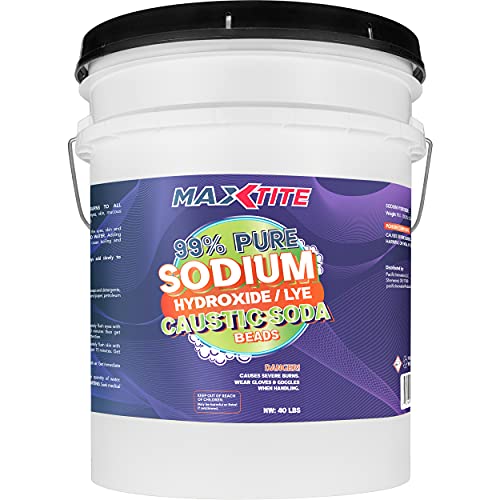
MaxTite Caustic Soda Beads 99% Pure (40 lbs)

Thrift T-600 Alkaline Granular Drain Cleaner 6 lb

Insta-Flo Crystals Drain Cleaner 2 lb

Essential Depot 40 lb Food Grade Sodium Hydroxide Lye

Boyer Corporation Food Grade Lye 2.2 lb

Bio-Safe One BIO-112 Septic Sludge Digester 5 Gal

BSA 10003 Septic Treatment 24-Month Pack

Bio-Safe One LVL1 Shock 5 Gal + 42 Treatments
More Details On Our Top Picks
Buying a single container of drain cleaner and running out mid-clog is a special kind of frustration. The two-pack THRIFT T-600 sidesteps that problem by doubling your supply at once, which makes it a natural fit for households that deal with slow drains more than once a year.
The alkaline-based granular format is activated by hot water and works on grease, hair, and soap scum without the harsh fumes common to acidic products. In a busy kitchen or shared bathroom, that matters.
What Pays Off
- Two 6 lb containers give you enough product for multiple heavy interventions
- Hot-water-activated crystals clear blockages in roughly 60 seconds
- Non-acidic formula is gentler on porcelain, chrome, and plastic plumbing than harsh acids
- Granular format pours cleanly without splashing back from standing water
- Dry, low-odor crystals are easier to store indoors than liquid bleach-based cleaners
Things To Consider
- Requires careful handling because sodium hydroxide is caustic on skin and eyes
- Not suited for fully blocked standing-water drains where hot water cannot reach the clog
- Two-pack size takes up more shelf space than a single bottle
Feature Snapshot
Made For
Homeowners who fight recurring clogs and want bulk supply on hand for the next slow shower drain.
Consider Something Else When
You only need a single bottle for occasional use; the Thrift T-600 single pack is a better match for light, infrequent clogs.
Severe blockages rarely respond to gentle products. MaxTite’s 99% pure sodium hydroxide beads (also called caustic soda or lye) deliver the kind of chemical strength that commercial plumbers rely on, packaged here for household use in a hefty 40 lb pail.
Compared to the THRIFT two-pack above, this is a much heavier industrial-format option. It suits anyone who treats drain care as routine maintenance rather than an emergency.
Positive Points
- 99% purity means more active ingredient per scoop than diluted alternatives
- Bead format dissolves predictably when hit with hot water
- Made in the USA under controlled industrial specs
- 40 lb bulk size spreads out across months of use for one household
Worth Noting
- Sodium hydroxide generates serious heat on contact with water and organic clogs, requiring gloves and eye protection
- Not appropriate for aluminum pipes or septic systems without caution
- 40 lb pail is awkward to lift and store in small apartments
Best Suited To
Experienced homeowners, handymen, and small-shop pros who need raw lye power and already know how to handle corrosive chemicals safely.
A Better Fit Elsewhere
First-timers should consider the Boyer Corporation Lye 2.2 lb jar, which trades capacity for easier handling.
The single-bottle version of Thrift’s flagship formula hits a sweet spot for most homes: enough product to handle several incidents, yet compact enough to slide under a sink. It’s the same alkaline chemistry that powers the two-pack reviewed earlier.
For typical bathroom and kitchen clogs caused by hair, grease, and soap residue, this 6 lb bottle is often more than enough. The dry crystals stay stable in storage far longer than pre-mixed liquids.
A Strong Showing
- 60-second reaction time beats overnight soaks common to enzyme products
- Works on the three main household clog types: hair, grease, and soap scum
- Dry crystals mean no splash-back when you pour into a slow drain
Trade Offs
- Hot water is required to activate, so it does not work on fully flooded drains where water cannot be cleared first
- Alkaline residue needs thorough flushing to protect septic-friendly bacteria
Quick Facts
Who It Suits Best
A household with one or two slow drains a year who wants a proven granular formula without buying industrial quantities.
Skip It When
You maintain a septic system; the Bio-Safe One BIO-112 liquid digester is the more compatible route for that plumbing setup.
Apartment dwellers and renters don’t always need a 6 lb jug sitting under the sink. The Insta-Flo Crystals pack fits into a narrow cabinet and tackles the hair-and-soap-scum clogs that plague bathroom sinks and shower drains.
It uses the same hot-water-activated approach as the Thrift products reviewed above, so the learning curve is essentially zero.
Everyday Advantages
- Compact 2 lb jar fits in tight under-sink cabinets or on a utility shelf
- Crystal pour pattern helps you dose the right amount without measuring
- Targets hair and soap scum, the two most common bathroom clog culprits
Points To Note
- Smaller capacity means you may run out faster on stubborn, recurring clogs
- Still requires careful handling because the active ingredient is alkaline
Perfect Match For
Renters and apartment dwellers who want effective drain maintenance without storing a large jug of chemicals.
Reach For A Different Pick When
You need septic-safe action; the BSA 10003 monthly treatment pack is the gentler biological alternative.
Some households need lye for more than just drains. Soap makers, pretzel bakers, and home-chemistry hobbyists all want food-grade sodium hydroxide, and the Essential Depot 40 lb pail handles both drains and crafts in one container.
The evenly-sized micro pellets (beads) dissolve predictably, which matters when you measure by weight for soap recipes.
The Good Stuff
- Food-grade purity is safe for culinary applications beyond drain clearing
- Uniform pellet size simplifies measuring for both cleaning and soap making
- HDPE container with resealable child-resistant cap for safer storage
- Bulk 40 lb size lowers the per-use cost for frequent users
Honest Caveats
- 40 lb bottle is heavy to move and needs a cool, dry storage spot away from kids and pets
- Pellet form still demands full PPE because the chemical reaction is identical to loose lye
- Overkill for households that only unclog drains twice a year
Right Fit For
Soap makers, bakers, and homeowners who want one bulk lye container to cover both kitchen-craft and drain-care needs.
Look Elsewhere When
You only need drain maintenance; the smaller Boyer Corporation Lye 2.2 lb jar is easier to handle.
Dipping a toe into cold-process soap making usually means buying a small container of food-grade lye. The Boyer Corporation 2.2 lb jar is a manageable entry point that doubles as a serious clog remover when needed.
Unlike the bulk pails reviewed earlier, this small jar slips into a closet or pantry with no special storage prep.
Noteworthy Benefits
- Food-grade purity covers both soap crafting and kitchen-related cleaning tasks
- Resealable child-resistant cap adds a layer of household safety
- 2.2 lb size is light enough to handle without strain
Some Limits To Know
- Small jar runs out quickly if used for both soap batches and drain clearing
- Still highly corrosive; gloves and ventilation are mandatory during use
Who Should Grab It
New soap makers and homeowners who want a versatile small-batch lye for occasional drain emergencies.
Swap It Out When
You need industrial quantities for ongoing maintenance; MaxTite Caustic Soda Beads 40 lbs delivers the same chemistry in bulk.
Caustic chemicals and septic systems don’t mix. The BIO-112 takes a different path entirely, using a concentrated blend of enzyme-fortified bacteria to digest sludge, grease, and bio-mat inside the tank and drainfield.
For a homeowner watching a drainfield start to fail, this 5-gallon liquid is the heavy-hitter biological route. It runs through the system rather than burning its way through.
Advantages To Know
- Liquid format is easier to dose into toilet bowls than powders or pellets
- Bacterial blend targets bio-mat, the layer that blocks drainfields over time
- Reported to have a shelf life of 5+ years in sealed storage
A Few Limitations
- Results move at bacterial speed, often weeks, not seconds
- 5-gallon pail is bulky and heavier than household drain cleaners
- Designed for septic systems; less useful as a quick kitchen-sink fix
Feature Snapshot
Built With In Mind
Owners of older septic systems showing signs of slow drains, soggy drainfields, or recurring backups.
Not Your Match When
You need an immediate kitchen-sink fix; the Thrift T-600 single bottle clears a clog in about a minute.
Septic care works best as a habit, not a reaction. The BSA 10003 supplies two full years of monthly biological treatments, which is the cadence most service professionals recommend for residential tanks.
Pre-measured doses cut out the guesswork. One packet per month keeps bacteria levels stable so solids break down before they accumulate into problems.
Reasons It Performs
- 24-month supply removes the hassle of reordering every few months
- Pre-measured packets keep dosing accurate without scales or measuring cups
- Bacterial action helps neutralize odors in addition to breaking down waste
Practical Considerations
- Ongoing monthly commitment; skipping doses reduces effectiveness
- Biological approach is too slow for an actively overflowing drain
Whose Shelf It Belongs On
Households on septic who want a set-and-forget maintenance routine instead of emergency-only treatments.
Where A Sibling Pick Shines
For an active backup or slow drain right now, the Bio-Safe One BIO-112 5-gallon shock dose delivers faster bacterial intervention.
When a drainfield is on the edge of total failure, you want both immediate and ongoing help in one shipment. The LVL1 Shock bundle pairs a 5-gallon shock dose with 42 follow-up treatments, covering a roughly 3.5-year maintenance runway.
It is the most specialized pick in this roundup. This is the route for properties with cesspools, seepage pits, or commercial grease traps where reversing failure matters more than clearing one sink.
What Earns Its Place
- Combined shock dose and long-term plan in a single order
- Targets biomat and sludge, the materials that physically block drainfields
- Suitable for cesspools, lagoons, and drywells beyond standard septic tanks
Points To Keep In Mind
- Biological timeline means weeks of patience before full recovery shows in the yard
- Premium package size is more than a typical homeowner needs
Quick Technical Notes
The Right Fit
Property owners facing real drainfield failure who need both an immediate biological shock and a long recovery plan.
Where Another Pick Suits Better
For routine maintenance without a current crisis, the BSA 10003 24-month pack is a lighter, lower-cost option.
Choosing The Right Drain Cleaner For Your Plumbing
The first decision is mechanical versus biological. Mechanical and chemical products (lye, caustic soda, granular alkaline formulas) burn through clogs in under a minute. Biological treatments work with bacteria over weeks to keep septic systems healthy. Mixing the two on the same drain creates wasted effort.
Next, think about plumbing material. Older homes with galvanized steel or aluminum components can react poorly to strong caustic products. PVC and copper handle standard alkaline formulas without issue.
Septic owners have a hard line. Any high-alkaline drain cleaner can disrupt the bacterial balance inside a septic tank. For that plumbing, the Bio-Safe One line is the safer category match, since bacteria survive the treatment.
Match the formula to the clog. Hair and soap scum in a bathroom sink respond well to alkaline crystals. Grease-heavy kitchen clogs benefit from a hot-water-activated granular formula that liquefies the buildup. A failing drainfield needs biological digestion, not more caustic heat.
Key Considerations Across These Picks
Mistakes Worth Dodging
Reaching for the strongest lye product on a septic system is the most common error. It feels productive, but the chemical blast kills the bacteria that keep the tank working, which usually makes the backup worse within a month. The reverse mistake is using a slow biological treatment on a kitchen sink full of standing water; the bacteria never reach the clog fast enough to matter.
Where The Extra Money Goes
The price spread across this list comes down to concentration and format. Bulk lye pails cost less per ounce but demand respect during handling. Pre-measured monthly treatment packs cost more because dosing convenience and bacterial counts have already been dialed in by the manufacturer. Septic-restoration bundles cost the most because they combine a heavy shock dose with a multi-year follow-up plan, which is what reversal actually takes.
Frequently Asked Questions
Can I use a caustic drain cleaner if I have a septic system?
Caustic soda and high-alkaline formulas can disrupt the bacteria that break down waste inside a septic tank. For septic plumbing, a biological treatment like the Bio-Safe One line is the safer match.
How fast do granular drain cleaners actually work?
Hot-water-activated alkaline crystals typically clear a clog in roughly 60 seconds, depending on the severity and buildup depth. Biological treatments work over weeks rather than minutes.
Is food-grade lye different from regular lye?
Food-grade lye is purified to a higher standard, making it suitable for soap making and certain culinary uses. The chemical action on clogs is essentially the same as technical-grade lye.
How often should I treat a slow drain before calling a plumber?
One or two treatments with a quality drain cleaner usually resolve hair or grease buildup. Recurring slow drains after treatment often point to a deeper issue in the trap or main line that benefits from a professional inspection.
Do I need gloves and eye protection?
Yes. Sodium hydroxide and high-alkaline formulas generate heat on contact with water and can burn skin or eyes. Basic PPE (gloves and eye protection) and ventilation turn a risky job into a routine one.
Closing Remarks
The best drain cleaner depends on what is actually clogging your pipes and what your plumbing can tolerate. Granular alkaline formulas handle the everyday bathroom and kitchen incidents fast, while biological treatments protect septic systems over the long haul. Pick the chemistry that matches the clog, follow the safety basics, and your drains should stay out of the way of everything else going on in the home.