

A good home generator earns its place on a concrete pad or in a garage corner, ready for the next outage without fuss. With more severe storms, ice events, and grid hiccups stretching across regions, a dependable backup power source has shifted from a luxury item into something quietly essential. The challenge is that the category blends gas-powered traditional units, inverter models, and battery power stations, and the right pick depends entirely on what you want to keep running.
The list below sorts through ten strong options, including a couple of battery power stations for owners who want indoor-safe, silent backup alongside traditional fuel-burning generators for whole-home readiness. You will find genuine strengths, honest trade-offs, and clear guidance on which scenario each one fits best, so the choice feels less like guesswork and more like a decision you can stand behind.
A Fast Comparison Of The Options

BLUETTI Elite 200 V2 Portable Power Station 2073.6Wh 2600W

Honda EB2200i 2200 Watt Super Quiet Inverter Generator

Honda EB5000 5000 Watt 120/240V Quiet Generator

4400W Open Frame Inverter Generator for Home Backup

2500W Portable Inverter Generator with CO Sensor
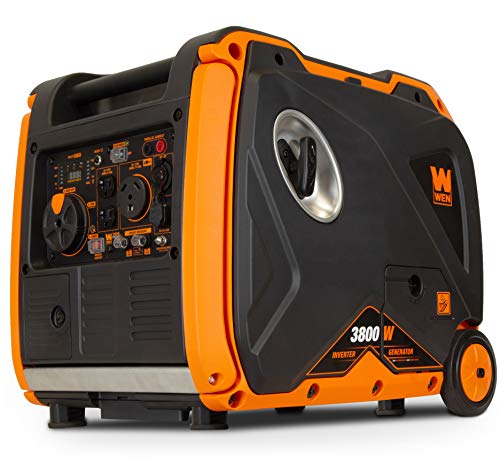
WEN 3800-Watt RV-Ready Inverter Generator (56380i)

2800W Portable Inverter Generator 2000 Running Watts

EF ECOFLOW DELTA 3 Max Portable Power Station 2400W

WEN 56475 4750-Watt Portable Generator with Wheel Kit

Pulsar G12KBN Heavy Duty Dual Fuel Generator 12000W
A Deeper Look At The Lineup
For owners who want backup without the noise, fumes, or fuel storage that come with traditional generators, the BLUETTI Elite 200 V2 lands at the top of the roundup as an indoor-friendly option. Its 2073.6Wh lithium battery and 2600W continuous output (with a power-lifting surge mode) handle refrigerators, internet gear, and lighting during short outages without ever needing gasoline on hand. Apartment dwellers and anyone with strict HOA rules will appreciate that it sits quietly in a closet and runs without combustion.
Compared to the Honda EB2200i in the next slot, this unit swaps engine noise for charging patience. You trade instant refueling for the ability to set it on a kitchen counter and forget about exhaust fumes, which matters when winter storms knock out power for days at a stretch.
What Makes Sense
- 2600W continuous output covers most household essentials during an outage
- Zero emissions means safe indoor placement in living areas, not just garages
- Power-lifting mode handles brief surges from hair dryers or coffee makers
- Powers up to nine devices at once through mixed AC and DC ports
- Recharges from solar panels, making it useful beyond just home backup
Things To Consider
- Battery capacity caps runtime to a few hours for whole-house loads, not days
- Longer recharge cycles than swapping a fuel tank in the Honda EB5000
At A Glance
Right Fit For
Apartment owners, remote workers, and anyone in a noise-restricted community who wants silent, fume-free backup for electronics and small appliances.
Look Elsewhere When
You need to run central HVAC or an electric range, in which case the Pulsar G12KBN delivers the higher wattage those loads demand.
Honda’s EB2200i inverter is the option for homeowners who want real engine reliability without the loud hum that drives neighbors to complain. Rated at 2200 watts and operating between 48 and 57 dB(A), it runs quieter than most central air units, which is a meaningful upgrade over older open-frame models. The clean inverter output also protects sensitive electronics like laptops and modern TVs from voltage spikes.
Where the BLUETTI Elite 200 V2 is silent but limited by battery size, the EB2200i runs as long as you keep fuel flowing. It suits suburban homes where extended outages happen but the noise profile still needs to stay polite.
Bright Spots
- Low 48 to 57 dB(A) operation suits close-quarter neighborhoods
- Clean inverter power safe for modern electronics and laptops
- Honda engine reputation translates to strong long-term durability
- Fuel efficiency at partial load stretches runtime on a small tank
Honest Caveats
- 2200W peak limits whole-home use; central AC stays out of reach
- Requires fuel storage and oil checks owners should plan around
Made For
Suburban homeowners who need quiet overnight backup for a fridge, lights, and entertainment gear without fueling a louder open-frame unit.
Swap It Out When
You regularly power a well pump or larger 240V appliances, in which case the Honda EB5000 offers the headroom those loads require.
The Honda EB5000 steps up to genuine whole-home territory, producing 5000 running watts with a brief 7000W surge capability to start motors up to about 3 horsepower. Its 120/240V output lets you feed a transfer switch panel rather than running extension cords through a doorway. For rural properties where the grid drops every few months, this is the kind of machine that quietly earns its space for a decade.
Stepping up from the EB2200i, you trade fuel economy for the ability to run well pumps, space heaters, and even modest workshop equipment. Owners commonly report the iAVR voltage regulation holding steady when heavy loads cycle, which is the real-world test that separates a workhorse from a mediocre engine.
Real-World Strengths
- 5000W continuous with 7000W surge handles motor startups up to 3 hp
- 120/240V output supports transfer switch hookups for panel-level backup
- iAVR voltage regulation keeps output steady under shifting loads
- 63 to 65 dB(A) operating level is quieter than most open-frame competitors
Points To Keep In Mind
- Larger footprint requires a planned outdoor pad or shelter space
- Higher fuel consumption than smaller inverter models during light loads
Who It Suits Best
Rural homeowners with well pumps, electric heat strips, or detached workshops who want a single unit to cover the essentials during multi-day outages.
Consider Something Else When
You want propane flexibility for cleaner fuel storage, in which case the Pulsar G12KBN handles larger loads while accepting LPG as well as gasoline.
Mutaomay’s 4400W open-frame inverter sits in the middle of the roundup for households that want more than the EB2200i offers without jumping to the Honda EB5000’s price point. With 4400 starting watts and 3400 running watts, it comfortably backs up refrigerators, freezers, internet routers, and lighting, with margin for a coffee maker or microwave in short bursts. The RV-ready 30A outlet also makes it a dual-purpose unit for road trips and home emergencies.
Compared to the WEN 56380i covered later, this model skips electric start but adds an ECO mode that throttles the engine down at light load. For homeowners who mind fuel costs and want a slightly quieter open-frame experience, that trade-off often feels worthwhile.
What Pays Off
- 4400W peak handles most household essentials plus short microwave runs
- ECO mode lowers fuel use and noise during light overnight loads
- RV-ready 30A outlet doubles its usefulness beyond just home backup
- Low-oil shutoff protects the engine from accidental damage
Trade Offs
- Open-frame design runs louder than fully enclosed inverter units
- Recoil start only; not ideal during cold-weather emergencies for some users
Quick Facts
Best Suited To
Homeowners who split time between emergency backup and RV travel, and want one generator to cover both without buying two machines.
Where Another Pick Suits Better
You need near-silent operation for dense neighborhoods, in which case the Honda EB2200i keeps the decibels notably lower.
Mutaomay’s 2500W portable inverter targets the camping and tailgating crowd while doubling as a respectable small-home backup. Its 2500W peak and 1800W running capacity handle a fridge plus a few lights comfortably, though central HVAC stays out of reach. The integrated CO sensor adds a safety layer that matters when you place the unit near a tent, camper, or attached garage during a long outage.
Stepping down from the 4400W open-frame model, this unit trades raw power for a quieter, more portable package. You may find it short for full home backup, but for selective-circuit use it gets the essentials done without dragging a 90-pound frame across the yard.
Real Benefits
- Built-in CO sensor provides automatic shutoff if fumes build up
- Parallel capability lets you pair two units for doubled output
- Lightweight design fits in a car trunk for camping trips
- 1.1-gallon fuel tank supports several hours of low-load runtime
Possible Compromises
- 1800W running output limits which home appliances can run together
- Smaller tank means more frequent refueling on extended outages
Perfect Match For
Campers, RV owners, and homeowners who want a grab-and-go unit for selective circuit backup during shorter outages.
Skip It When
You want one machine to power a whole kitchen and HVAC system, in which case the WEN 56475 delivers much higher output at a similar learning curve.
The WEN 56380i brings electric start convenience to the inverter category, producing 3800 surge watts and 3400 rated watts through a 212cc OHV engine. Operating at roughly 57 decibels at quarter load, it sits comfortably below conversation level, which is impressive for the wattage class. Fuel shutoff adds a maintenance-friendly touch by draining the carburetor before storage, reducing stale-fuel headaches down the road.
Compared to the Mutaomay 4400W open-frame model, this WEN gives up a little peak wattage for a fully enclosed body and electric start. Owners commonly report the quieter operation being worth the trade, especially during overnight runtime in residential areas.
Useful Strengths
- 57 dB at quarter load rivals much smaller inverter units
- Electric start removes the recoil-pull frustration during cold weather
- Fuel shutoff extends engine life by draining carb before storage
- Clean inverter output protects laptops, TVs, and modern appliances
Things To Weigh
- 3400 running watts still falls short of central HVAC loads
- Heavier than compact camping-focused units in this list
Spec Overview
Who Should Grab It
Homeowners who want push-button startup, clean electronics-safe power, and a generator that doubles as an RV companion without too much noise.
Not Your Match When
You need to run a 240V well pump or large appliance, in which case the Honda EB5000 offers the heavier-duty output those loads require.
Mutaomay’s 2800W model leans into long runtime and parallel capability, advertising a 10-hour runtime figure that stretches overnight coverage on a single fill-up. At 58 dBA it runs slightly louder than the smaller 2500W sibling but stays polite for suburban settings. Parallel readiness means you can pair two units if your backup needs grow beyond what a single generator handles.
Compared to the WEN 56380i reviewed above, this unit trades electric start for runtime and a slightly lower noise floor. Owners who run their generator nightly during multi-day outages will appreciate the 10-hour claim more than the push-button convenience.
Where It Excels
- 10-hour claimed runtime at partial load stretches overnight coverage
- Parallel-ready design lets you scale output by adding a second unit
- 58 dBA noise profile stays reasonable in close-quarter homes
- 2000 running watts comfortably handles fridge plus lighting
Details To Watch
- Recoil start requires a pull to fire up; not as easy as WEN’s electric start
- Less brand recognition than Honda or WEN in long-term parts support
Built With In Mind
Frequent backup users in storm-prone regions who value long runtime and the option to parallel up if loads grow over time.
Another Choice May Suit When
You want a brand with deeper dealer support networks, in which case the Honda EB2200i offers similar output with stronger long-term serviceability.
The EF ECOFLOW DELTA 3 Max returns to the battery power station category with an emphasis on rapid turnaround. Its 2048Wh LFP (lithium iron phosphate) battery recharges from zero to 80 percent in roughly an hour through AC input, which is a meaningful advantage over the BLUETTI Elite 200 V2 when you want to top off between brief outages or during a sunny day with panels. The 2400W output covers most household essentials, and the LFP chemistry tends to age gracefully across thousands of cycles.
Compared to the BLUETTI earlier in the list, this unit swaps a slightly smaller battery for faster charging and the LFP durability benefit. For owners who cycle their station often, that chemistry choice can translate to noticeably longer service life.
The Case For It
- 0 to 80 percent recharge in about 1.13 hours via AC input
- LFP battery chemistry typically outlasts standard lithium-ion cells
- 2400W output handles kitchen appliances and home office gear
- Solar input compatibility extends runtime off-grid
Where It Is Less Suited
- 2400W output still falls short of central HVAC and electric ranges
- Larger battery capacity adds noticeable weight for portable use
Feature Rundown
Whose Shelf It Belongs On
Tech-focused homeowners who want indoor-safe backup with quick recovery between uses, especially those pairing the station with rooftop solar.
Reach For A Different Pick When
You need fuel-based runtime that scales with a gas can, in which case the Honda EB2200i runs indefinitely as long as you keep fueling it.
The WEN 56475 is the roundup’s traditional open-frame workhorse, delivering 4750 watts through a design that has earned a long track record on job sites. The included wheel kit and electric start make a 100-plus-pound generator genuinely manageable for one person to roll into position and fire up. With two standard 120V outlets plus a 30A receptacle, it covers most home backup scenarios short of central HVAC.
Compared to the WEN 56380i inverter, this model trades quieter operation for higher wattage and a more rugged frame. For storm-prone regions where a louder unit is an acceptable trade for raw power, the 56475 keeps earning its place year after year.
Useful Highlights
- 4750W output supports major appliances and shop tools simultaneously
- Wheel kit and folding handles aid transport across driveways and lawns
- Electric start removes recoil strain during cold-weather emergencies
- 30A outlet works with transfer switches for panel-level backup
Where It May Fall Short
- Open-frame design runs noticeably louder than inverter models
- Conventional generator output (not inverter) needs care with sensitive electronics
Who Will Love This
Homeowners who split the unit between storm backup and weekend projects, and want rugged construction over whisper-quiet operation.
A Better Fit Elsewhere
You mostly power laptops and entertainment gear without surge protection upstream, in which case the WEN 56380i delivers cleaner inverter output.
The Pulsar G12KBN closes the lineup at the heavy-duty end, producing 9500 rated watts on gasoline and 10800W on LPG, with 12000 peak watts for motor startups. Its dual fuel flexibility is the real differentiator: when gasoline supplies run thin during a multi-day outage, switching to a propane tank keeps the lights on without scrambling for fuel. Electric start and a transfer-switch-ready outlet make it a practical whole-home option.
Compared to the Honda EB5000 earlier in the roundup, the Pulsar trades Honda’s legendary refinement for nearly double the wattage and a fuel-flexible design. For larger homes with electric ranges, dryers, or multiple AC units, that scale justifies the added size and noise.
The Helpful Details
- 9500 rated watts covers whole-home circuits including electric ranges
- Dual fuel design accepts gasoline or LPG for supply flexibility
- Transfer switch and RV-ready outlets expand installation options
- Electric start simplifies startup during weather emergencies
What To Weigh
- Large frame needs permanent placement and dedicated outdoor space
- Open-frame noise level is louder than inverter-class alternatives
- Higher fuel consumption at full load increases running costs
Feature Snapshot
The Right Fit
Large-home owners in regions with extended outages who want one generator capable of running major appliances with propane as a backup fuel plan.
Where A Sibling Pick Shines
You only need to power essentials during shorter outages, in which case the Honda EB5000 delivers sufficient wattage with lower fuel use and noise.
What Matters Most Before Choosing Diesel Generators For Home
Power Output And Load Planning
Generators are rated by two numbers: running watts (sustained output) and starting watts (brief surge capacity for motors). Match running watts to the appliances you want backed up at the same time, then confirm starting watts cover the largest motor startup, typically a fridge compressor or well pump. A household aiming to back up a fridge, freezer, Wi-Fi router, and a few lights usually lands around 3000 to 5000 running watts. Homes with central HVAC or electric ranges often need 8000 watts or more.
Fuel Type And Runtime Considerations
Traditional gas generators run as long as fuel is available, making them ideal for multi-day outages. Battery power stations like the BLUETTI Elite 200 V2 and ECOFLOW DELTA 3 Max trade runtime for silent, indoor-safe operation. Inverter generators (such as the Honda EB2200i or WEN 56380i) produce cleaner electricity that is safe for sensitive electronics, while open-frame models deliver higher output at the cost of more noise.
Noise Level And Placement
Decibel ratings matter more than most shoppers expect. Anything below 60 dB(A) at 23 feet is generally polite for residential use. Open-frame generators can exceed 70 dB(A) and require distance from windows and neighboring properties. Battery stations sidestep noise entirely, which is why they suit apartments and HOA communities where combustion engines face restrictions.
Portability And Storage
Wattage and weight scale together. A 2500W inverter typically weighs 40 to 50 pounds, while a 9500W dual-fuel unit pushes well past 200 pounds. Wheel kits and folding handles, like those on the WEN 56475 and Pulsar G12KBN, become essential at the heavier end. Plan a covered outdoor storage spot with fuel separation for any gas-powered unit.
Smart Considerations Across These Picks
Pitfalls Shoppers Hit
The most common mistake is buying based on peak wattage alone. Running watts determine what stays on continuously, and ignoring that number leaves you with a generator that trips under real household loads. Another slip is overlooking outlet compatibility: a transfer switch-ready 30A or 50A receptacle matters once you move beyond extension cords. Owners also tend to underestimate runtime planning. A 1.1-gallon tank sounds manageable until a 12-hour outage demands three refueling trips in the dark.
What The Higher Tier Buys
Stepping up to the Honda EB5000 or Pulsar G12KBN buys 240V capability, transfer switch compatibility, and the headroom to start larger motors. The premium also shows up in engine longevity, voltage regulation under shifting loads, and frame construction that survives years of outdoor exposure. For homes with well pumps, electric heat, or central air, that tier earns its keep by covering loads the mid-size inverter models simply cannot reach.
Frequently Asked Questions
How big of a generator do I need to back up a house?
A small refrigerator plus lighting, internet, and a few outlets typically needs 3000 to 5000 running watts. Homes with central HVAC or electric appliances often require 8000 watts or more, which is where units like the Pulsar G12KBN fit in.
Are inverter generators better than conventional ones?
Inverter generators produce cleaner electricity with stable voltage and frequency, which protects sensitive electronics like laptops and modern TVs. Conventional open-frame generators cost less per watt and run louder, which is the trade-off worth weighing for your setup.
Can I run a generator in the rain?
Most generators should be sheltered from direct rain and standing water. A purpose-built generator tent or open-sided canopy provides ventilation while keeping precipitation off the unit. Never enclose a running generator fully, since exhaust buildup creates carbon monoxide hazards.
How long can a portable generator run continuously?
Many portable generators are rated for 8 to 12 hours of continuous operation on a full tank at half load, though owners commonly refuel more often to extend runtime across multi-day outages. Always shut down for oil checks and cool-down periods every 8 to 10 hours.
Do battery power stations work for whole-home backup?
Battery stations like the BLUETTI Elite 200 V2 and ECOFLOW DELTA 3 Max cover essentials for a few hours but are not designed for multi-day whole-home loads. They excel for indoor-safe, silent backup of electronics and small appliances, and pair well with solar charging for longer events.
The Takeaway
The right generator depends less on the loudest spec sheet and more on what you actually need to keep running when the grid goes dark. Apartment owners and indoor-focused households get the most from a battery station like the BLUETTI Elite 200 V2, suburban homeowners tend to land on a quiet inverter like the Honda EB2200i, and rural properties with well pumps or larger appliances benefit from the heavier-duty output of the Honda EB5000 or Pulsar G12KBN.
Pick the unit that matches your realistic outage scenario, fuel preferences, and noise tolerance, and the rest of the decision tends to take care of itself.




