
If your home runs on a septic system or older cesspool, you’re already familiar with that sinking feeling when drains slow down or the yard starts smelling off. The right bacterial or enzyme treatment keeps waste breaking down naturally, sparing you the cost and disruption of a backup. This roundup looks at ten solid options for routine care, comparing formats, strengths, and the kinds of homes each one fits best.
A Fast Comparison Of The Options

Doctor Drain Monthly Septic Enzyme Treatment Packets (6)

Rid-X Septic Tank Treatment, 3.2 Ounce

Cabin Obsession 1-Year Septic Bacteria Packets (12)

Green Gobbler Septic Treatment Pods (12-Month)

Rid-X Septic Treatment Powder (3-Month Supply)

ACTIVE Septic System Treatment Pods (12)

Walex Bio-Active Septic Packets (12-Pack)
Rid-X Septic Treatment Platinum Liquid (3-Month)

Homey Aim Septic Enzyme Powder Packets (12)

Green Pig Septic Treatment Packets (4)
More Details On Our Top Picks
The Doctor Drain packets come as a liquid concentrate, not a dry powder, which changes how the bacteria enter your tank. You pour the 8 oz. dose down a drain or toilet rather than dropping in a pod, so the live cultures hit the system a little faster on flush night. For a household running a 1500-gallon tank or an older cesspool, the per-treatment capacity is generous compared to the small 12-pod competitors later on this list.
The formula is engineered to stay non-corrosive, which matters if your home has older PVC, copper, or even older cast iron lines. The packets are also a more sustainable pick than the powder tubs, since one 8 oz. dose covers a large tank with less packaging waste.
Useful Highlights
- Liquid form reaches the bacterial layer faster than a dissolving pod
- Treats tanks up to 1500 gallons per dose, well above most family-sized systems
- Engineered to avoid corroding older metal or PVC plumbing
- Six doses cover roughly half a year of monthly maintenance
Things To Consider
- Liquid measuring is messier than dropping a pod, and you need a clear drain access point
- Only six packets per box, so larger households may run out before the calendar flips
Who It Suits Best
Owners of larger residential septic tanks or older cesspools who want a high-bacteria liquid formula they can trust on full-capacity systems.
A Better Fit Elsewhere
For a no-mess monthly drop-in pod, the Cabin Obsession packets in this list are easier to dose and come in a full 12-month box.
The 3.2 oz. Rid-X tub is the classic powder format that most homeowners recognize, and it leans on a dual-action approach pairing fast-acting enzymes with longer-lasting bacterial cultures. You pour the dose down the toilet, then flush. For someone buying their first treatment and wanting a known quantity, this small tub is a low-commitment starting point.
Versus the 3-month powder supply later in the list, this format trades size for affordability, and you can stack multiple doses if your tank is on the larger side.
Everyday Wins
- Trusted legacy brand with a simple powder format
- Enzymes target grease and paper right away
- Bacteria colonies continue working between treatments
- Compact tub fits on a utility shelf without drama
Worth Noting
- A 3.2 oz. tub is one of the smaller sizes on the market and may not stretch a full season
- Pour-and-flush dosing means you can spill powder if you’re not careful
Right Fit For
First-time septic treatment users who want a recognizable brand in a small, affordable trial format before committing to a multi-month supply.
Skip It When
If you want the same Rid-X confidence in a fuller supply, the 3-month powder option further down this list is the better long-term buy.
Cabin Obsession ships a year of maintenance in one box: 12 dissolvable pods, one per month, each one dropped into the toilet bowl and flushed. The water-soluble outer wrap means zero measuring and no spilled powder on the bathroom floor. For busy households that want to put septic care on autopilot, the simplicity is the point.
Compared with the Rid-X powders above, this is a different delivery philosophy: one pod, one flush, one job. You don’t think about dosing. The format is particularly welcome for vacation cabins or rental properties where the maintenance schedule is patchy, since anyone can perform the task without instructions.
The Good Stuff
- One pod per month keeps the routine simple
- Dissolvable wrap means zero measuring and no cleanup
- 12-month supply covers a full year of treatment
- Well-suited for cabins or rental properties where dosing consistency matters
Points To Note
- Standard residential tank sizing applies; oversized systems may need a higher dose
- You depend on the bacteria counts in the source blend, which are not publicly enumerated
Who Should Grab It
Homeowners who want a low-fuss, year-long supply of pods they can drop in monthly without thinking about doses or measuring.
Consider Something Else When
Owners of larger-than-average residential tanks should look at the Doctor Drain concentrate for higher per-dose capacity.
Green Gobbler markets its pods as a seven-in-one digesting formula targeting everything from toilet paper to starches, but the real differentiator here is the broader use-case list. The same pod works in a septic tank, a cesspool, an RV holding tank, or a marine setup. If you own a property with more than one of those, a single product covers them all.
Versus the Cabin Obsession pods above, Green Gobbler pushes its formula to cover a wider waste diet, including proteins and sugars, which makes it useful in homes where cooking oils and food prep cleanup make it into the drain.
What Stands Out
- Works across septic, cesspool, RV, and marine holding tanks
- Targets a broader list of household waste than most pod formulas
- 12-month supply keeps a year of dosing in one box
- Drop-in format keeps maintenance steps minimal
Room For Improvement
- Broader claims sometimes mean milder bacterial counts per pod
- Heavy kitchen grease homes might need a complementary degreasing habit
Best Suited To
Property owners who use the same product across multiple waste systems, especially those with an RV or boat in addition to a primary septic tank.
Look Elsewhere When
Households with high-volume grease output should look at the Walex Bio-Active packets, which lean harder on solid-liquefying bacteria.
The 3-month Rid-X powder is essentially the same dual-action formula as the smaller 3.2 oz. tub above, but scaled up to a quarter’s worth of treatment. For households that have already used Rid-X once and liked it, this format reduces the “am I out yet?” moments that come with the smaller tub.
Versus the liquid Rid-X Platinum listed further down, this powder delivers the same enzymatic punch with a more gradual, slower-release profile. It also stores easily in a laundry-room cabinet without leaking.
Benefits That Matter
- Three doses per box reduce the frequency of repurchasing
- Powder format has a longer shelf life than liquid concentrates
- Dual-action formula combines fast enzymes with lasting bacteria
- Same trusted household brand name as the smaller trial size
Small Caveats
- Powder dosing requires a dry scoop and a careful pour to avoid spills
- Storage in humid laundry rooms can clump the powder over time
Whose Shelf It Belongs On
Family homes already comfortable with Rid-X who want a quarter’s supply in one box without switching brands.
Reach For A Different Pick When
Anyone wanting a no-mess pod instead of a powder should reach for the Green Gobbler or Cabin Obsession pods listed earlier.
ACTIVE positions the pods around a bio-starter blend that produces helper enzymes once inside the tank, framing the formula as a culture-based approach rather than a pre-loaded enzyme dose. For homeowners who’d rather feed the bacterial colony already in the system than constantly re-dose, that approach has its own logic.
Compared with the Green Gobbler pods above, ACTIVE leans less on broad-spectrum targeting and more on long-term colonization. The result is gentler day-to-day, but you may want a backup plan if your tank has serious existing buildup.
Features That Help
- Bio-starter blend encourages ongoing bacterial growth in the tank
- Twelve monthly pods keep a routine consistent all year
- Simple flush-and-go pod format
- Designed for everyday maintenance rather than crisis intervention
Honest Caveats
- Not formulated for emergency backups or severe clogs
- New colonies can take a few weeks to fully establish in neglected systems
Built With In Mind
Eco-conscious homeowners who want a gentle, ongoing maintenance approach rather than heavy-handed chemistry in their septic system.
Swap It Out When
Households dealing with chronic backup symptoms should swap to the Rid-X Platinum liquid for a faster-acting dose.
Walex markets the Bio-Active packets around a high active-bacteria count per pod, with the explicit goal of liquefying solids fast enough to keep drain fields unclogged. For households that cook a lot at home and let grease and oils slip down the drain, that waste-liquefying angle is the actual selling point.
Versus the gentler ACTIVE pods above, Walex leans more aggressive on solids breakdown. That makes it the better tool for a system already showing early sluggishness, though it requires a steady monthly cadence.
Bright Spots
- Targets grease, fats, oils, and proteins aggressively
- High bacterial count per pod helps liquefy solids faster
- Twelve-pack covers a full year of routine dosing
- Designed to ease strain on the drain field
Some Limits To Know
- Aggressive formulas may be more than a low-use cabin actually needs
- Best results require consistent monthly use, not occasional dosing
Who Will Love This
Busy households with frequent cooking and grease output who need a maintenance formula that specifically fights solid buildup.
Another Choice May Suit
For a lighter-touch routine in a vacation cabin, the Green Pig packets with quarterly dosing are a more proportionate fit.
Key Specs
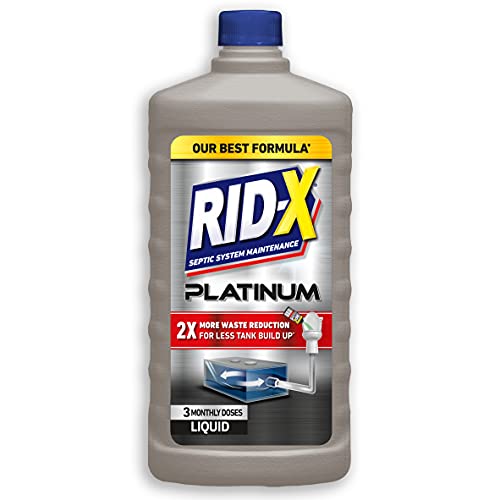
Rid-X Platinum is the strongest offering in the Rid-X family, packaged as a liquid concentrate rather than powder. The brand describes it as the most powerful dual-action formula in its lineup, designed for households that need more aggressive waste reduction. For tanks showing early signs of buildup, the liquid format reaches the bacterial layer faster than dry alternatives.
Compared with the standard 3-month powder above, the Platinum trades convenience for intensity. You’ll measure a liquid dose rather than scoop a powder, but the per-dose effect is more pronounced.
Where It Excels
- Liquid format starts working immediately on flush
- Most aggressive Rid-X formula for faster waste reduction
- Three-month supply in one box
- Targets toilet paper, fats, oils, starches, and proteins
Practical Considerations
- Liquid dosing requires more attention than a drop-in pod
- Storage near a hot water heater can shorten bacterial viability
The Right Fit
Heavy-use homes with visible buildup symptoms who need a faster-acting liquid dose rather than a gradual powder approach.
Where A Sibling Pick Shines
For lower-maintenance homes, the Rid-X 3-month powder is easier to dose and stores more reliably.
Homey Aim frames the formula around safe green cultures and enzyme powders, marketing itself to homeowners who want to avoid harsher chemistry in their septic system. Each 2 oz. packet dissolves in the tank and feeds the existing bacterial colony, which suits older cesspools where aggressive formulas might actually do more harm than good.
Compared with the liquid Rid-X Platinum above, Homey Aim is the slow-and-steady option. It’s not designed to rescue a struggling tank, but for steady maintenance of a system that’s already functioning, the gentler approach is often the smarter choice.
Advantages To Know
- Green culture approach avoids harsh chemical reactions in older tanks
- Pre-measured 2 oz. powder packets make dosing simple
- Twelve packets cover a full year of monthly dosing
- Designed for routine maintenance rather than emergency rescue
Less Ideal Details
- Gentler formula isn’t strong enough to clear an existing backup
- Powder packets can clump if stored in humid bathrooms or laundry rooms
Perfect Match For
Owners of older cesspools or sensitive septic systems who want gentle, plant-based maintenance without aggressive chemical action.
Not Your Match When
Households with active backup symptoms should look at the Rid-X Platinum liquid for a stronger, faster dose.
Green Pig ships just four packets in the box, framing the product as a quarterly maintenance routine rather than a monthly one. For low-use households, vacation cabins, or first-time homeowners who want to test septic care without committing to a year of doses, the smaller pack is a sensible starting point.
Compared with the year-long supplies above, Green Pig costs less per box but spreads the same workload across longer intervals. That’s a fit for low-traffic systems, but heavier-use homes will need more frequent dosing than four packets a year can provide.
Where It Helps
- Quarterly dosing schedule suits low-traffic homes and cabins
- Drop-in packets are simple enough for first-time users
- Smaller box lowers the cost of trying septic maintenance
- Designed for preventative care rather than emergency rescue
Factors To Consider
- Only four doses per year is light coverage for full-time households
- Quarterly cadence may not catch fast-building sludge in heavy-use homes
Made For
Vacation property owners and small households with light water usage who prefer a quarterly maintenance habit over monthly dosing.
Where Another Pick Suits Better
Full-time residents with daily water use should pick up the Cabin Obsession 12-month box for monthly coverage instead.
What To Weigh Before Picking Cesspool Treatments
Match The Format To Your Plumbing Reality
Powders, liquids, and pods each behave differently once they hit the tank. Powders like the Rid-X family dissolve over several flushes, while liquids like Doctor Drain or Rid-X Platinum enter the bacterial layer on the first flush. Drop-in pods like Cabin Obsession or Green Gobbler split the difference: the wrap dissolves, the powder inside spreads gradually. For older homes with narrow pipes or weak flush pressure, a liquid dose is usually easier on the plumbing.
Size Your Tank Before You Size The Dose
Most residential septic tanks fall in the 750 to 1500 gallon range, and cesspools vary even more widely based on age and construction. A small 3.2 oz. Rid-X tub is sized for a typical home tank, while the Doctor Drain concentrate stretches further into the 1500-gallon territory. Match the labeled coverage of any product to your actual tank size. Underdosing a large tank is a common reason people feel like the product “didn’t work.”
Routine Beats Rescue
The honest truth about septic care is that consistent monthly or quarterly maintenance almost always wins over emergency intervention. Enzymes and bacteria need time to establish colonies, and skipping months lets sludge accumulate faster than the next dose can break down. A 12-month box tends to encourage the right habit because the calendar becomes your schedule.
Read The Waste List, Not The Hype
Every treatment promises to break down “waste,” but the specific list tells you what each formula handles best. Grease-heavy kitchens want a formula that targets fats, oils, and proteins (Walex and Green Gobbler lean that direction). Households with heavy toilet paper usage need enzymes that liquefy paper quickly. Match the formula to the actual waste pattern in your household, not the broadest possible claim.
Smart Considerations Across These Picks
Where Shoppers Go Wrong
A common slip is choosing a treatment based on the size of the bottle without checking bacterial count or coverage per dose. A larger package with weaker bacteria may underperform a smaller package with concentrated cultures. Another pitfall is treating a backup crisis with a maintenance-grade pod. Routine formulas are designed for prevention, and reaching for one during an active clog usually means wasting time you don’t have.
The Upgrade Payoff
The premium tier in this category mostly buys faster action and stronger bacterial counts, not fundamentally different chemistry. Rid-X Platinum, for example, costs more than the standard Rid-X powder because the liquid format and concentrated blend deliver waste reduction sooner. For households with visible buildup or larger tanks, that faster action is the actual value. For routine care in a healthy system, the standard offerings usually do the job.
Frequently Asked Questions
How Often Should You Treat A Septic Tank Or Cesspool?
Most bacterial and enzyme treatments are designed for monthly dosing, though some products like Green Pig are calibrated for quarterly use. The right cadence depends on tank size, household water usage, and whether the system is already in good shape or struggling with early sludge buildup.
Can You Use These Treatments In An Older Cesspool?
Yes, though gentler formulas like Homey Aim are usually a better match than aggressive options. Older cesspools have less margin for chemical stress, so a steady, low-intensity culture approach is safer than a one-shot heavy treatment.
Do Treatments Work During A Backup Or Only For Prevention?
Routine treatments are preventative tools, not emergency drain openers. If your system is actively backing up, the bacteria need a functioning flow path to do their work, and a single dose won’t clear an existing clog. For prevention of backups, monthly dosing is the intended use.
Are These Products Safe For All Plumbing Materials?
The formulations in this list are generally designed to be non-corrosive and safe for modern PVC, copper, and older metal plumbing. That said, very old galvanized or iron lines benefit from gentler formulas, and any treatment should be used according to the labeled directions.
What’s The Difference Between Bacteria And Enzyme Treatments?
Enzymes break down waste immediately on contact, while bacteria establish a colony that continues working between doses. Most quality products use both, which is why the term “dual-action” appears so often in this category. The combination delivers fast breakdown plus ongoing protection.
Closing Thoughts
The right cesspool treatment really comes down to matching the format and strength to your tank size and household habits. Heavy-use kitchens benefit from aggressive bacteria counts, while older cesspools do better with gentler green cultures. Pick a routine you can actually stick with, and the rest tends to take care of itself.