

A soaked basement, a fish pond that looks like a stagnant puddle, a flooded utility trench after a storm: water moves faster than you do, and a reliable submersible pump is what stands between you and a costly mess. The ten picks below cover the main jobs these pumps handle, from basement sump duty to garden water features and contractor-grade dewatering. Each one earns its place for a specific reason, so you can match your real situation to the right tool.
The Picks In Brief

WAYNE CDU800 1/2 HP Submersible Sump Pump (Cast Iron)
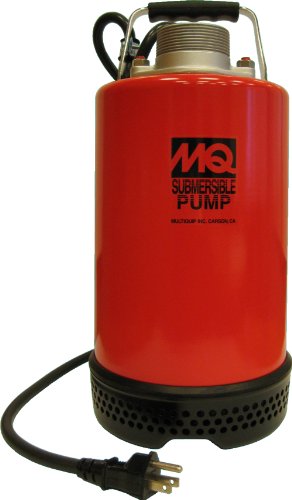
Multiquip Bon Submersible Electric Pump 73 GPM 2″ Discharge

Tsurumi Pump LB-480 Submersible Dewatering Pump

OYO Water 1100 GPH Pond Pump Set (62W)
OYO Water 1300 GPH Pond Pump Set (72W)

AQUASTRONG 1 HP Sump Pump 4500 GPH

Aquastrong 1/2 HP Thermoplastic Utility Pump 3159 GPH
Aquastrong 1/2 HP Utility Pump with Float Switch

Aquastrong 1/2 HP Automatic Sump Pump 3159 GPH
OYO Water 850 GPH Submersible Pond Pump
What Each Pick Brings To The Table
The CDU800 sits at the workhorse end of the residential sump category, pairing a 1/2 HP motor with a flow rating that, on paper, moves a substantial 5,100 gallons per hour. In a basement sump pit during a spring storm, that capacity means the basin clears fast before water reaches the slab.
The cast iron and stainless steel housing is heavier than plastic alternatives, which is exactly why many owners prefer it for permanent installation: it stays put on the sump floor, resists vibration, and dissipates heat from the motor. The vertical float switch has been cycled extensively by the manufacturer, suggesting long-term automatic operation without the float getting stuck against a basin wall.
Reasons It Performs
- Cast iron and stainless steel body for permanent sump installations
- 5,100 GPH flow handles heavy rain and snowmelt events
- Vertical float switch rated to 1 million cycles for long-term automatic use
- Top-suction intake design reduces air lock and clogging
- Three-year manufacturer warranty covers defects and early failures
Things To Consider
- Heavier than plastic units, so installation is a two-person job in deep pits
- Higher horsepower draws more amperage than smaller residential pumps
Key Specs
Right Fit For
Homeowners with a finished basement who need a set-and-forget sump pump that runs year-round in a permanent pit.
Consider Something Else When
The Multiquip Bon Submersible Electric Pump is a better fit for contractors who need rugged jobsite dewatering rather than a basement sump.
Stepping up from residential sump duty, the Multiquip Bon brings contractor-grade intent. The cast aluminum housing is light enough to carry between sites but rugged enough to handle being dragged across gravel, dropped into a muddy trench, and rinsed off at the end of the day.
Moving 73 gallons per minute through a 2-inch discharge, this pump targets the dewatering workload where Wayne’s basement focus gives way to jobsite scale. Internal thermal overload protection and dual shaft seals address the two failure modes contractors see most often: burnt-out motors from running dry and water intrusion past worn seals.
Positive Takeaways
- 73 GPM flow handles foundation drains and flooded excavations
- Cast aluminum body balances durability with portable handling
- Internal thermal protection prevents motor damage during dry running
- 2-inch discharge matches standard dewatering hose fittings
Worth Noting
- Aluminum housing can dent if dropped on hard surfaces
- Overkill for light backyard or basement use at home
- Specialty pump: parts and service are mostly through trade channels
Who It Suits Best
Tradespeople and contractors running repeated dewatering cycles on foundations, utility trenches, or storm-damaged sites.
Where Another Pick Suits Better
The Tsurumi Pump LB-480 is a stronger match when the trench is narrow and the pump has to slip into an 8-inch caisson.
The LB-480 was built around a specific problem: standard dewatering pumps are too fat to drop into a narrow well casing. Its slimline body slips into an 8-inch caisson, which matters on older properties with shallow wells or on construction sites with tight access points.
A 2/3 HP motor moves 63 GPM, and a 32-foot cord gives enough reach to position the pump without dragging an extension cord through standing water. The urethane impeller and wear plates are designed for the abrasive slurries that come up from construction excavations, where sand and grit would chew through a standard residential impeller.
What Makes Sense
- Slim profile fits 8-inch caissons that reject standard pumps
- 63 GPM flow matches small-to-mid residential and light commercial dewatering
- 32-foot power cord reaches deep pits without extra cabling
- Urethane impeller resists abrasion from sandy or gritty water
Honest Caveats
- Single-phase 115V only; not suited for three-phase industrial sites
- Specialty sizing commands a price premium over standard utility pumps
Best Suited To
Construction crews and homeowners with narrow well casings or tight access points where a standard pump physically will not fit.
Skip It When
The Multiquip Bon Submersible Electric Pump is a better call for open trenches where its 73 GPM flow and cast aluminum body have more room to operate.
Shifting from utility pumps to garden water features, the OYO Water 1100 GPH sits in the comfortable middle of backyard pond work. A 62W motor pulls modest power, which matters if you’re running the pump on a long extension cord from an outdoor outlet.
The dial-controlled flow adjustment covers everything from a soft trickle over a small waterfall to full flow for a moderately sized pond. A 20.3-foot power cord gives flexibility on placement, and the included filter bag catches debris before it can clog the impeller, a common headache in ponds with falling leaves.
Real-World Strengths
- Adjustable flow from 330 to 1100 GPH for varied water features
- Snap-on pre-filter protects the impeller from debris
- 20.3-foot cord reaches distant outlets without extra extension
- Safe for koi and pond fish with fish-friendly intake design
- 10.5-foot maximum lift handles most backyard elevation changes
Room For Improvement
- Filter bag needs regular rinsing during leaf-fall seasons
- Lower lift ceiling than larger OYO models
Made For
Pond owners with mid-size water gardens who want adjustable flow and a fish-safe intake without paying for industrial lift capacity.
Look Elsewhere When
The OYO Water 1300 GPH Pond Pump Set is a smarter pick for larger ponds or taller waterfalls that need more lift and stronger flow.
The 1300 GPH step-up earns its place when backyard water features get ambitious. The 13.2-foot maximum lift reaches raised waterfall spillways where the smaller 1100 GPH model loses pressure and lets the cascade trickle.
72W of draw keeps power consumption modest for a pump that runs around the clock in warm months. Two installation options let you choose between inline plumbing for a waterfall or free placement in the pond basin, which matters when you’re retrofitting an existing feature.
What Helps Most
- 13.2-foot lift handles raised waterfall spillways with flow to spare
- Adjustable range of 390 to 1300 GPH for seasonal tuning
- Filter bag included to keep debris out of the impeller
- Dual installation options suit new builds and retrofits
Trade Offs
- Slightly higher wattage than smaller pond pumps
- Filter bag still requires seasonal cleaning
Perfect Match For
Gardeners with larger ponds or multi-tier waterfalls who need real lift and adjustable flow without jumping to commercial pumps.
A Better Fit Elsewhere
The OYO Water 1100 GPH Pond Pump Set is the right call when your pond is modest and lift height stays under 10 feet.
The AQUASTRONG 1 HP is the muscle pick. With 4,500 GPH at 5 feet of head and a 30-foot vertical lift, it clears flooded basements, hot tub drain-downs, and swimming pool backwash situations faster than most residential units.
The bottom suction design pulls water down to about a fifth of an inch from the surface, which means a basement floor ends up nearly dry instead of holding a film of standing water. Handling solids up to 1/5 inch, it tolerates the gritty runoff that follows a storm without immediate clogging, a real-world plus when the source water is not clean.
Where It Delivers
- 1 HP motor delivers 4,500 GPH for heavy inflow events
- 30-foot maximum lift covers multi-story basement discharge runs
- Bottom suction design drains to within 1/5 inch of surface
- Handles solids up to 1/5 inch without immediate clogging
Points To Note
- 1 HP draw needs a dedicated circuit on most home panels
- Larger footprint than typical 1/2 HP residential pumps
Quick Facts
Who Will Love This
Homeowners dealing with serious flooding, hot tub drainage, or pool work who need a pump that empties large volumes in one pass.
Reach For A Different Pick When
The WAYNE CDU800 is a calmer match for typical residential sump duty where the flow and lift of a 1 HP unit is more than the basin needs.
When the job calls for grab-and-go portability rather than permanent installation, this thermoplastic Aquastrong earns a place in the truck. The plastic body keeps weight low enough that one person can carry it to a backyard pond, a window well, or a flooded garden bed without help.
Despite the lighter build, it still moves 3,159 GPH at 5 feet of head and pushes water up to 26 feet vertically. The bottom suction design pulls water down to the same 1/5 inch level as the heavier 1 HP sibling, so a swimming pool cover pocket or window well ends up nearly dry after a single pass.
Well-Handled Touches
- Thermoplastic body is light enough for one-person transport
- 3,159 GPH at 5 ft head handles mid-size water removal
- 10-foot power cord reaches typical outdoor outlets
- Same fine suction clearance as the heavier 1 HP version
Practical Considerations
- Thermoplastic body is less impact-resistant than cast iron
- No float switch means manual on/off control only
Built With In Mind
Homeowners who need a portable utility pump for occasional jobs like draining pools, hot tubs, ponds, or flooded garden beds.
Not Your Match When
The Aquastrong 1/2 HP Utility Pump with Float Switch is the better call for unattended water removal where automatic on/off matters.
The adjustable tether float switch is what sets this Aquastrong apart from the manual version. Plug it in, set the tether length, and the pump turns itself on when water rises and off when the basin empties, a real convenience for overnight basement duty or pool cover drainage.
The same 1/2 HP motor and 3,159 GPH output handle the typical residential workload, and a 10-foot cord keeps the pump flexible on outlet placement. The override mode lets you lock the pump in continuous run for jobs where the float would otherwise cycle endlessly, like emptying a shallow pond.
Advantages To Know
- Adjustable tether float switch enables unattended operation
- 3,159 GPH flow covers typical residential water removal
- Manual override locks the pump in continuous run mode
- 26-foot maximum lift for elevated discharge points
Points To Keep In Mind
- Float switch needs adequate basin clearance to swing freely
- Not designed for permanent sump installation
The Right Fit
Homeowners who want automatic water removal in basement sumps, hot tub drain-downs, or pool cover wells without a permanent install.
Another Choice May Suit
The Aquastrong 1/2 HP Automatic Sump Pump is worth considering when a tight sump basin leaves no room for a tethered float.
This Aquastrong swaps the mechanical float for an electronic sensor, which matters in narrow sump basins where a tethered float would catch on the sides. The sensor triggers the pump at one of six adjustable water levels from 1 inch up to 5 inches, then shuts off at 0.4 inch.
The same 3,159 GPH and 26-foot lift as the tethered float model mean no sacrifice in raw water-moving capacity. You gain a more compact installation footprint and, in many cases, fewer service calls related to float tangles. Owners with shallow or unusually shaped basins commonly find this profile a cleaner fit.
Real Benefits
- Electronic sensor eliminates tethered float tangles in tight basins
- Six adjustable activation levels for fine-tuned response
- Shuts off at 0.4 inch for near-dry basements
- Compact profile suits narrow sump pits
Some Limits To Know
- Electronic sensors can be sensitive to power surges
- Slightly higher cost than tethered float versions
Whose Shelf It Belongs On
Homeowners with narrow or shallow sump basins where a mechanical tethered float would be unreliable or physically obstructed.
Swap It Out When
The WAYNE CDU800 is a stronger pick for deeper residential pits where a heavy cast iron body and tested vertical float are preferred.
The 850 GPH OYO closes the list on the gentle end of pond circulation. A 46W motor draws less power than a household light bulb, which makes it comfortable to leave running all season without watching the meter spin.
Adjustable flow from 300 to 850 GPH and an 8.2-foot lift cover small water gardens, tabletop fountains, and modest backyard ponds where big flow would actually overwhelm the feature. The fish-safe intake design protects koi and goldfish from getting pulled against the grille.
Strong Points
- 46W draw is friendly on long-running seasonal use
- Adjustable flow dial from 300 to 850 GPH
- Fish-safe intake protects pond inhabitants
- Compact size suits small water features
Less Ideal Details
- Lower lift ceiling rules out tall waterfall spillways
- Modest flow falls short for larger ponds
Right Fit For
Hobbyists with small ponds, container water gardens, or indoor fountains who want gentle, low-power circulation.
Consider Something Else When
The OYO Water 1100 GPH Pond Pump Set is the better match when your pond is mid-size or your waterfall has any real elevation to climb.
What Matters Most Before Choosing Bomba De Agua Sumergibles
Match The Pump To The Job, Not The Spec Sheet
Submersible pumps divide into three families: basement sump pumps (designed to run intermittently in a permanent pit), utility pumps (portable for one-off water removal), and pond or circulation pumps (low-head, continuous duty). Buying a sump pump for a koi pond wastes money on features the pond does not need, and a pond pump in a sump basin will burn out when it runs against closed head pressure.
Read Flow And Lift As A Pair
GPH or GPM tells you how much water moves per minute at zero head, but real-world installation always has lift height. Every foot of vertical lift eats into flow. A 4,500 GPH sump pump at zero head may deliver a fraction of that at 20 feet of vertical rise. Match the published flow curve to your actual discharge geometry, not the headline number.
Check Solids Handling And Intake Design
Bottom-suction intakes pull water down to a fraction of an inch from the floor, useful for flooded basements and pool covers. Top-suction designs resist air lock better but leave more standing water behind. Solids handling, expressed in fractions of an inch, predicts how much grit the pump tolerates before the impeller clogs.
Pick Float Style For The Basin
Tethered floats need room to swing, so they fit wide, open basins. Electronic sensor switches (the kind that read water level through the housing) fit narrow or shallow pits where a mechanical float would tangle. Permanent sump installations often prefer a tested vertical float for long-term reliability.
Key Considerations Across These Picks
Where Shoppers Go Wrong
The most common mistake is buying a sump pump sized for peak flood conditions and finding that the high-amp draw trips a standard 15-amp household circuit. Always check the amp draw against the outlet and breaker you plan to use. Another trap is choosing a pond pump by GPH alone: lift height matters just as much, and a pump rated for 1,100 GPH at zero head may barely trickle at the top of a 9-foot waterfall.
When Paying More Pays Off
Premium pumps tend to deliver in three places that cheap models skip: cast iron or aluminum housings that dissipate motor heat, sealed bearings and dual shaft seals that extend service life, and float switches that have been cycle-tested rather than rated on paper. For a pump that lives in a basement sump and runs unattended, those differences show up as years of additional service. For an occasional utility pump used a few times a year, the entry-level picks hold up fine.
Frequently Asked Questions
How Do I Know What Size Pump My Basement Needs?
Measure the vertical lift from the sump pit floor to the discharge point outside, then add a few feet for friction loss through the pipe. Pick a pump whose published flow at that head still moves at least 2,000 GPH for typical residential use. Smaller pits with light inflow can use lower-flow units, while high-water-table areas benefit from 1 HP-class pumps.
Can I Use A Sump Pump For My Pond?
Technically the water moves, but sump pumps are not designed for continuous duty and their intakes can injure fish. Pond pumps run cooler, have fish-safe grilles, and offer adjustable flow for water features. Using a sump pump in a pond risks burning out the motor and harming pond life.
How Often Should I Test My Sump Pump?
Pour a bucket of water into the sump pit every few months and watch the float switch trigger the pump. Listening for unusual noise, slow starts, or short cycling catches most issues before a storm tests the system. Annual cleaning of the intake screen keeps debris from restricting flow.
What Does GPH Really Mean For Pond Pumps?
GPH, or gallons per hour, describes flow at zero head, which is the theoretical maximum. Real flow at the top of a waterfall will be lower because lift and hose friction reduce output. Always size the pump for the flow you need at the working head, not the headline rating.
Do Submersible Pumps Need To Be Fully Underwater To Run?
Most residential and utility submersible pumps need to be fully submerged to cool the motor through the housing. Running them dry for more than a few seconds can damage seals or trigger thermal protection. Pumps with top-suction designs tolerate shallow placement better than bottom-suction models.
Wrap Up
The right submersible pump comes down to the water you need to move and where it has to go. Match the pump family to the job, check flow at your real lift height, and pay attention to the float or sensor style your basin can accommodate. From there, the picks above cover most residential and small-contractor scenarios you’ll encounter, and each one earns its place for a specific reason.




