

Baseboards pull double duty in most homes: they hide the seam where wall meets floor, and in older homes, they conceal heating hardware that still works fine. Pick the wrong profile or material and you’ll see gaps, peeling, and rust stains. The right cover or trim upgrades a room in a weekend, even if you only own a tape measure and a utility knife.
The Choices Worth Comparing

Baseboarders Premium 3 ft Steel Heater Cover (White)

Baseboarders Basic Series 4 ft Galvanized Steel Heater Cover (White)

FlexTrim WM126 Flexible Base Shoe Molding (12 ft)

YIYAO Vinyl Wall Base 4 in x 10 ft (Black)

Kikerike Vinyl Baseboard Trim 3 in x 20 ft (White)
Kikerike Vinyl Baseboard Trim 4 in x 20 ft (White)
Kikerike Vinyl Baseboard Trim 4 in x 40 ft (White)
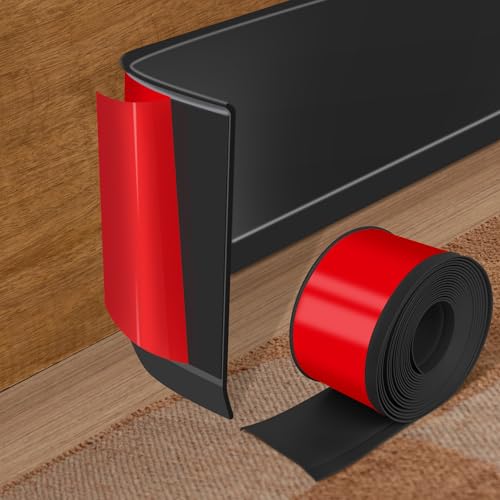
Kikerike Vinyl Baseboard Trim 4 in x 20 ft (Black)
More On The Choices That Made The List
If your home runs on a hydronic system (hot water heated through pipes tucked behind the baseboard) and the original covers have yellowed, dented, or started flaking rust onto the carpet, this Baseboarders Premium panel is the most direct swap. The 3-foot length matches the common residential section, and the kit ships with both endcaps plus two wall brackets so the cover sits flush against the drywall instead of bowing out in the middle.
Unlike plastic alternatives, this steel construction shrugs off vacuum bumps and pet contact without cracking. The slip-on design means no fasteners show after install, which matters when you want a clean sightline along an otherwise plain wall. For most homeowners tackling one room at a time, it’s a satisfying weekend refresh.
Everyday Wins
- Heavy-gauge galvanized steel holds shape under heat cycles without warping
- White powder-coat finish wipes clean with a damp cloth, no specialty cleaners needed
- Slip-on mounting means no contractor, no drywall patching, no special tools
- Endcaps included so corners and terminations look finished out of the box
- Conductive metal lets heat transfer efficiently instead of trapping it
Things To Consider
- 3-foot sections leave a visible seam every three feet on longer runs
- Only compatible with hydronic hot-water systems, not electric resistance heaters
- Heavier gauge steel can be awkward to align solo during installation
Key Specs
Who It Suits Best
Homeowners with hydronic baseboard heat in older homes who want a clean, paintable-looking steel cover without hiring a contractor.
Consider Something Else When
If your runs stretch well past five feet and you want fewer seams, the Baseboarders Basic Series 4 ft cover (Item 2) cuts down joints on the same wall.
The Basic Series is the longer sibling of the Premium pick, sized for the typical stretch along one wall of a living room or bedroom. Same galvanized steel body, same slip-on approach, just a foot more coverage per panel so you see fewer seams across an eight-foot wall.
Compared to the 3-foot version above, this one trades a slimmer price-per-foot for the same rust-resistant finish and endcap trim. For owners who need to refresh multiple rooms at once, that math starts to matter. The conductive steel surface helps the heat travel into the room rather than sit trapped behind a plastic shell, which is the hidden upside of metal over plastic covers.
A Favorable Mix
- 4-foot panels reduce visible seams on long walls
- Galvanized construction handles moisture better than plastic in basement rooms
- Slip-on install with included endcaps keeps the project tool-free
- Pairs cleanly with the 3-foot Premium cover if rooms need different lengths
Worth Noting
- No wall brackets included for this length, so longer runs may need separate mounting support
- White finish can scuff if a heavy vacuum repeatedly bumps the same spot
- Hydronic only; confirm your system before ordering the Basic line
Right Fit For
Renters and homeowners with longer hydronic runs who want to cover more wall with fewer panels and a modest budget.
Look Elsewhere When
If you need a fully tool-free kit with brackets in the box, the Baseboarders Premium 3 ft (Item 1) ships with mounting hardware ready to go.
Most baseboard trim assumes a flat wall. The FlexTrim WM126 exists for the opposite problem: arched doorways, curved bay windows, rounded columns, and stair landings where rigid molding would crack or gap. The polyurethane resin bends to a 4-inch radius, which is tight enough for almost any residential curve.
It’s a different beast from the steel heater covers above. Where those swap a single piece, this trim is meant to be cut, mitered, and painted like wood. The 12-foot length covers most curved sections without splicing, and the waterproof makeup means it tolerates bathrooms and exterior trim transitions where MDF or softwood would eventually swell. For a tricky transition piece, it removes a real headache.
A Strong Showing
- Bends around curves as tight as a 4-inch radius without cracking
- Waterproof polyurethane won’t swell, rot, or warp in damp spots
- Cuts with standard woodworking tools, no specialty blades required
- Single 12-foot run reduces splices across one continuous arc
Trade Offs
- Must be painted, the raw tan finish isn’t intended to stay exposed
- Small 1/2-inch by 3/4-inch profile won’t replace full baseboard height
- Not load-bearing, intended for finishing transitions rather than structural trim
Best Suited To
DIYers finishing curved archways, bay windows, or column bases where straight baseboard simply won’t cooperate.
Skip It When
For standard straight walls in a full-room project, the Kikerike peel-and-stick vinyl rolls (Items 5 through 8) give you much more length per purchase.
Small rooms and quick repairs are where short rolls earn their keep. The YIYAO 4-inch by 10-foot vinyl wall base in black fits a powder room, a closet, or a single accent wall without forcing you to buy 40 feet of trim you’ll never use. Peel off the backing, press it into the seam, done.
The rubberized vinyl flexes around outside corners without scoring, which matters when walls aren’t perfectly plumb (common in older homes). The black finish pairs well with light walls where white trim would look stark. It also hides scuffs near entryways where boots and brooms constantly brush the floor line. For targeted touch-ups, the short length is genuinely useful rather than a leftover.
The Helpful Details
- 10-foot length is right-sized for single-room jobs without waste
- Self-adhesive backing removes the need for glue or nail guns
- Black color hides scuffs near entryways and high-traffic floors
- Flexible vinyl hugs imperfect corners without cracking
Some Limits To Know
- Adhesive can struggle on dusty or textured walls without proper prep
- 10-foot length means seams in larger rooms
- Black finish shows dust more visibly than darker matte options
Who Should Grab It
Shoppers patching one room, a closet, or a basement corner who want a short roll in a dark accent color without buying commercial quantities.
A Better Fit Elsewhere
If you’re covering an open-plan living area in white, the Kikerike Vinyl Baseboard Trim 4 in x 40 ft (Item 7) offers the same profile in longer, lighter runs.
The 3-inch profile from Kikerike sits lower on the wall than the 4-inch options, which makes it a sensible fit where you want a cleaner visual edge rather than a chunky baseboard. At 20 feet per roll, it covers a single bathroom or laundry room without leftover scrap.
The PVC body shrugs off the moisture swings common in those spaces, where wood-based trim would cup over time. The cove-shaped bottom edge softens the transition between floor and wall, hiding small gaps along uneven tile or vinyl. For first-time DIYers who want a low-stakes introduction to peel-and-stick trim, the shorter profile forgives crooked cuts more easily than taller stock.
Real Benefits
- Lower 3-inch height keeps visual lines minimal in modern rooms
- 20-foot roll fits one bathroom with minimal leftover
- Waterproof PVC handles steam and splashes without swelling
- Peel-and-stick install needs only a tape measure and a utility knife
Factors To Consider
- Adhesive bond weakens on dusty drywall without a wipedown first
- White shows scuffs in kid-heavy play areas
- 3-inch height leaves more visible wall flaws above the trim line
Feature Card
Who Should Grab It
First-time renovators tackling a bathroom or laundry room where moisture resistance and a low visual profile matter more than wall coverage height.
Swap It Out When
If you need extra height to cover uneven paint lines or thicker carpet edges, the Kikerike 4-inch (Item 6) gives more wall coverage in the same white finish.
The 4-inch version is the workhorse of the Kikerike lineup. It hits the standard residential height that builders have used for decades, so it covers paint lines, gaps along carpet edges, and uneven drywall seams that show up after a remodel. Twenty feet per roll handles a single room comfortably.
Same waterproof PVC body and self-adhesive backing as the 3-inch sibling, just with an extra inch of wall coverage. The cove base profile keeps the floor-to-wall transition smooth, which helps when flooring meets trim at slightly different heights. For a quick refresh of one room where you don’t want to commit to a full mitered wood installation, this roll makes the project a Saturday afternoon.
A Few Strong Suits
- Standard 4-inch height matches the profile of most older homes
- Cove base edge softens the floor transition in finished rooms
- Waterproof build survives bathroom and laundry room conditions
- White finish blends with most trim and door casing
Possible Compromises
- Self-adhesive strips lose grip on high-gloss paint without light scuffing first
- 20-foot roll leaves a seam in larger rooms
- PVC lacks the rigid feel of wood for traditional interiors
Made For
Homeowners refreshing a single bedroom, home office, or finished basement where the goal is a clean white trim line without pulling out a miter saw.
Reach For A Different Pick When
If you’re finishing an open floor plan and want to keep a continuous run, the Kikerike 4-inch x 40-foot roll (Item 7) removes one splice from the job.
Forty feet per roll is the size you reach for when you’re covering an entire open-concept living area, two bedrooms, or a finished basement without splicing in the middle of a long wall. Same 4-inch profile and PVC body as the 20-foot roll, just enough extra length to keep the eye moving without a seam break.
This is also the version to pick when you want leftover for future repairs. Cut a piece from the same roll a year later and the color matches perfectly. The cove base edge does its job in transitions where flooring height shifts, such as where carpet meets tile or where a floating floor meets a thresholds strip. Compared to the smaller rolls, the trade-off is purely about length, not build quality.
What Works In Its Favor
- 40-foot length covers long walls with one continuous run
- Standard 4-inch height handles most residential wall imperfections
- PVC body wipes clean with a damp cloth
- Self-adhesive backing cuts install time dramatically
- Extra material stays on hand for future trim repairs
Where It Is Less Suited
- Heavier roll is awkward to maneuver solo on a ladder
- White color choice only; not available in dark finishes in this length
- Single 40-foot run is overkill for a small powder room
Perfect Match For
Homeowners tackling a whole-room or multi-room trim refresh where seam-free runs and future repair stock matter more than buying per-project.
Where A Sibling Pick Shines
For a small dark accent wall in a powder room, the Kikerike 4-inch x 20-foot in black (Item 8) gives the same profile in a color that hides scuffs.
Black trim is having a moment in modern interiors, and this 20-foot roll delivers that look without the cost of painted wood. On light-colored walls, the black baseboard reads as a deliberate architectural line instead of just a transition strip.
It uses the same flexible PVC and peel-and-stick install as the white version above, so the project workflow is identical. Black hides scuffs near entryways and mudrooms where white would mark up. The shorter 20-foot length keeps the project manageable for a single wall or accent area, and leftover can patch a future ding without a trip back to the store. For design-led updates, color is the whole point.
Advantages To Know
- Black finish creates a deliberate contrast line against light walls
- Hides scuffs in high-traffic zones like mudrooms and entryways
- Standard 4-inch height matches existing door casings
- Same waterproof PVC body as the white line
A Few Limitations
- Shows dust and pet hair more visibly than matte darker tones
- Black adhesive backing can leave faint marks if repositioned repeatedly
- Color match to existing black trim varies slightly between production runs
Built With In Mind
Design-minded homeowners adding a black accent wall, refreshed mudroom, or modern farmhouse entry where the baseboard becomes part of the look rather than background trim.
Not Your Match When
If you need a long continuous run in white to blend with classic trim, the Kikerike 4-inch x 40-foot white roll (Item 7) is the same family in a lighter, longer format.
What Matters Most When Choosing Baseboards
Start with the room. Bathrooms, laundry rooms, and basements punish wood and MDF, so PVC or vinyl trim holds up where natural materials cup and stain. Living areas with hydronic heat are a different conversation, where the goal is a clean cover over working pipes rather than decorative trim.
Match the profile to your existing casing. Measure the height of current door casings and any window stool before buying. A 3-inch baseboard against 4-inch casing looks undersized, while 5-inch stock against 3-inch casing reads oversized. Standard residential height sits around 3 to 4 inches, which is why most rolls on this list cluster there.
For hydronic systems, confirm the heat type first. Steel covers from Baseboarders are explicitly hydronic; electric baseboard heaters use different dimensions and shouldn’t be swapped. A quick look at the original cover’s label or your boiler closet saves a return.
Plan for curves. Bay windows, archways, and rounded columns break rigid trim. If your room has any of those, keep a flexible polyurethane molding on hand to finish transitions cleanly without kerfing or steaming wood.
For peel-and-stick rolls, prep the wall. Wipe dust off glossy or semi-gloss paint before pressing the adhesive on, since backing sticks best to clean matte surfaces. A light scuff with fine sandpaper helps on slick paint.
Key Considerations Across These Picks
Mistakes Worth Dodging
The most common slip is buying a 20-foot roll when the room needs 35 feet. Measure the full wall run including inside corners, then add 10 percent for cuts and mis-cuts before deciding between 20 and 40-foot options. Forgetting the heat type is the next usual pitfall; a steel cover that fits a hydronic system won’t fit an electric baseboard, no matter how close the measurements look on paper.
Where The Extra Money Goes
Spending more on the Baseboarders Premium line buys thicker galvanized steel, which means fewer dents over years of vacuum contact and a finish that resists rust longer in humid rooms. Longer rolls cost more up front yet save seams and keep visual lines uninterrupted across open floor plans. Black or specialty colorways cost slightly more than standard white, since the color is built into the PVC rather than applied as a coat that can chip later.
Frequently Asked Questions
How do I measure for a baseboard heater cover?
Measure the total length of the existing cover from endcap to endcap, then match the closest standard size (3 or 4 feet). For runs longer than 5 feet, plan on combining two panels and one seam in the middle.
Can I paint vinyl or PVC baseboard trim?
Yes, but use a paint rated for plastics so it adheres properly. Light scuffing with fine sandpaper before priming improves bond on slick PVC surfaces.
Are steel heater covers safe over hydronic systems?
Steel covers are designed for hydronic use and conduct heat efficiently. Confirm your system is hot-water before installing, since electric baseboards require covers sized to different dimensions.
What’s the difference between cove base and flat baseboard?
Cove base has a curved toe that softens the floor transition and hides small gaps. Flat baseboard sits square against the wall and looks more architectural in modern interiors.
How long does peel-and-stick baseboard trim last?
On a properly prepped wall, peel-and-stick PVC trim typically holds for several years. Lifespan varies with humidity, wall texture, and how often the trim gets bumped during cleaning.
Wrap Up
Baseboards and heater covers do more than finish a wall: they hide seams, protect pipework, and quietly set the tone for a room. Match the material to the room’s conditions, the height to your existing trim, and the length to the actual wall run. The right pick is the one that fits your specific space, not the flashiest option on the shelf.




