

10 Best At Home Water Filter System for 2026: Cleaner Water, Smarter Picks
Municipal water varies wildly by zip code, and so do the minerals, chlorine byproducts, and sediment that come through your tap. You notice it in the taste of your morning coffee, the spotting on glassware, and the dry feeling after a long shower. The right at home water filter system tackles those quirks without turning installation into a weekend project.
Below are ten options worth weighing right now, from countertop pitchers you can unpack in seconds to whole-house setups that treat every drop entering the home. Each entry highlights a specific ownership profile so the right match stands out quickly.
The Essentials At A Glance

iSpring F3 Water Filter Set for Under Sink RO Systems

Waterdrop 10UB Under Sink Water Filter System with Dedicated Faucet

PUREPLUS 2-Stage Whole House Filtration System with Pressure Gauges

PUREPLUS 2-Stage Whole House System with Iron and Manganese Filters

Royal Berkey 3.25 Gal Gravity Water Filter System with BB9-2 Filters
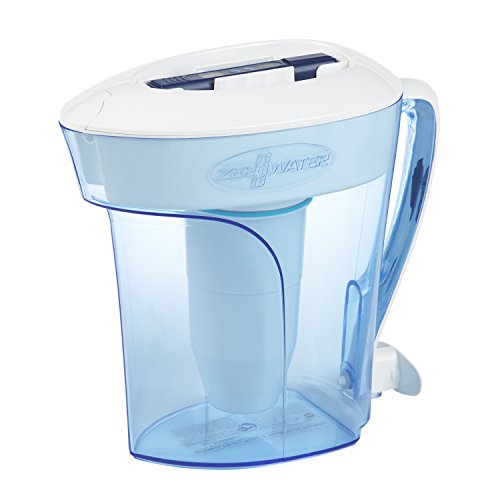
ZeroWater 10-Cup Pitcher Water Filter Removes PFOA/PFAS
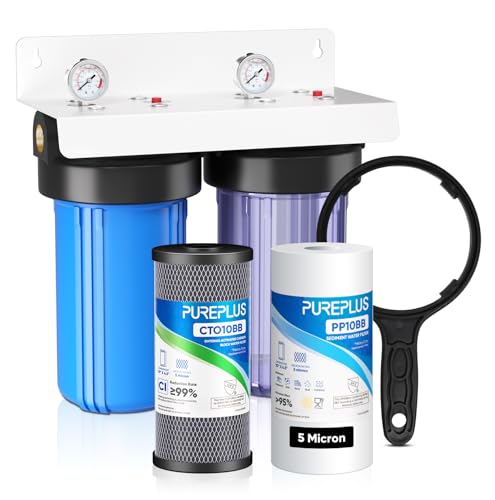
PUREPLUS 5 Micron 2-Stage Whole House System for Municipal Water

PUREPLUS 2-Stage Whole House Filtration System with Pressure Gauges

PUREPLUS 2-Stage Whole House System with KDF Carbon Filters
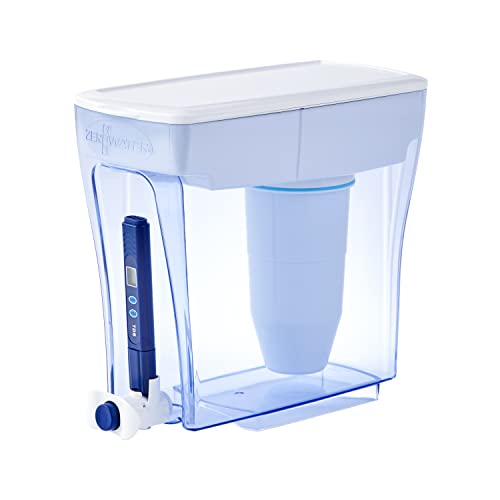
ZeroWater 20-Cup Water Filter Dispenser Removes PFOA/PFAS
The Details Behind The Selections
The iSpring F3 arrives as a maintenance trio rather than a complete filter rig, so it makes sense only if you already own a standard reverse osmosis (RO) setup that needs refreshing. Each 10-by-2.5-inch cartridge handles a stage: sediment first, then granular activated carbon, then a carbon block to polish taste and odor before the RO membrane does the heavy lifting.
For households with an aging RO manifold, swapping all three pre-filters at once extends membrane life and restores the crisp taste that often fades after a year of use. The standard sizing keeps it compatible with most under-sink brackets.
Points In Its Favor
- Three pre-filters in one pack means a single scheduled swap instead of three separate orders.
- Standard 10-by-2.5-inch cartridges slot into most RO manifolds without adapter headaches.
- Sediment stage protects the RO membrane from grit that shortens its service life.
- Carbon block finish reduces chlorine taste before water ever reaches the membrane.
Things To Consider
- This pack does not include the RO membrane, so you’ll buy that separately if yours is past its prime.
- Replace timing depends on incoming water quality; heavy sediment households may shorten the six-month window.
Who It Suits Best
Existing RO owners running a six-month pre-filter rotation who want a single multi-pack refresh.
Consider Something Else When
You don’t yet own an RO manifold, in which case the Waterdrop 10UB under-sink system is a simpler starting point.
Waterdrop’s 10UB is built for renters and small kitchens where drilling a second faucet hole is a dealbreaker. The multistage filtration sits in a slim under-sink bracket, and the included dedicated faucet screws into most existing holes using a standard kitchen tap mount.
Municipal tap water is the target use, so you won’t see the heavy iron reduction you’d want for well water. For city dwellers chasing better-tasting drinking water without a full RO install, this is a calm middle path.
Well-Handled Touches
- Multistage filtration targets sediment, chlorine, and common chemical taste issues in one bracket.
- Replacement filters stay under $25, keeping long-term ownership reasonable.
- Compact form factor fits the shallow cabinets common in apartment builds.
- Quick-connect fittings shorten install time compared with threaded compression plumbing.
Worth Noting
- Designed for municipal cold water only, so well water or hot-line plumbing isn’t supported.
- Filter lifespan depends heavily on incoming water quality and household volume.
Feature Snapshot
Made For
Apartment dwellers and renters who want better-tasting drinking water without modifying the counter.
Skip It When
You draw from a private well, where the PUREPLUS iron-and-manganese system handles the load better.
Where the previous picks treat water at a single tap, this PUREPLUS rig lives at the main shutoff and feeds every faucet, shower, and appliance in the home. The 10-by-4.5-inch clear housings let you eyeball sediment buildup, and the dual pressure gauges tell you when a cartridge is clogged before flow drops noticeably.
The first stage is a grooved sediment filter, while the second swaps in KDF (a copper-zinc media) paired with activated carbon to pull chlorine, odor, and heavy metals. For older homes with galvanized or iron plumbing, the rust reduction alone can change how laundry and dishes look after a wash.
Where It Excels
- Clear housings let you spot sediment loading without guesswork.
- KDF media in stage two targets chlorine, rust, and common heavy metals beyond what carbon alone handles.
- Pressure gauges on both stages flag cartridge clogs before flow drops.
- One-inch inlet and outlet suit most residential main lines without reducer fittings.
Trade Offs
- Whole-house install usually means a plumber visit for mounting near the main shutoff.
- Sediment cartridges in murky-water areas may need swaps more often than the standard schedule suggests.
Best Suited To
Owners of older homes with rusty or galvanized plumbing who want every tap filtered at once.
Look Elsewhere When
You only care about drinking water at one tap, in which case the Waterdrop 10UB is a lighter investment.
Where iron and manganese leave orange and black stains on porcelain and laundry, this PUREPLUS rig puts an RFN filter up front to catch those minerals before they reach the second stage. The blue housings also help you visually distinguish it from the sediment-forward siblings in the lineup.
The second stage is a coconut shell carbon block certified to NSF/ANSI 42 (a public-health standard covering material safety and chlorine reduction claims), which polishes taste and odor once the metals are out. For private well homes dealing with that rusty faucet morning look, this hits the actual problem rather than masking it.
Good Reasons To Consider
- RFN stage specifically targets iron and manganese rather than generic sediment.
- Coconut shell carbon block carries NSF/ANSI 42 certification for chlorine and odor reduction.
- Blue housings make cartridge swaps easy to identify in dim utility rooms.
- Plumbing and appliances downstream stay cleaner, extending water heater life.
Honest Caveats
- Very high iron levels may still require a dedicated softener in addition to filtration.
- Two-stage whole-house units need vertical clearance for cartridge changes.
Quick Facts
Who Will Love This
Private well households whose fixtures show iron staining or whose drinking water carries a metallic taste.
Reach For A Different Pick When
You draw from city water with no iron issues, where the PUREPLUS 5-micron municipal system is the simpler match.
The Royal Berkey takes a different route entirely: no plumbing, no electricity, no permanent install. Fill the upper chamber from any tap, and gravity pulls water through the BB9-2 purification elements into the lower 3.25-gallon reservoir. Cabin, RV, power-outage preparedness, or a kitchen with no under-sink access all fit the bill.
Pour rate slows as sediment builds, and the elements need an occasional scrub and re-prime rather than a swap. For households that want redundancy from municipal outages, gravity-fed filtration is a quiet safety net.
Strengths Worth Knowing
- No electricity or plumbing needed, so it works anywhere water can be poured in.
- 3.25-gallon capacity suits households of roughly two to four people.
- Stainless steel housing holds up to travel and bumps better than plastic pitchers.
- Elements are cleanable and reusable, lowering long-term replacement cost.
Points To Keep In Mind
- Pour rate is slower than plumbed systems, so heavy cooking sessions take planning.
- Counter footprint is sizable; small galley kitchens may struggle to spare the space.
Whose Shelf It Belongs On
Off-grid households, RV owners, or anyone wanting a non-electric backup alongside a primary system.
A Better Fit Elsewhere
Daily high-volume drinking water needs push toward the PUREPLUS whole-house rig instead.
ZeroWater’s 10-cup pitcher is the path of least resistance: unpack, rinse the filter, fill, and you’re drinking filtered water within minutes. The five-stage cartridge is certified to reduce lead alongside PFOA and PFOS (a class of long-lasting “forever chemicals” common in tap water), which sets it apart from carbon-only pitchers.
The included TDS (total dissolved solids) meter lets you test any water source against the filter output, which doubles as a neat teaching tool for households curious about what their tap actually carries.
What It Does Well
- PFOA and PFOS reduction addresses contaminants most pitchers skip.
- Five-stage cartridge pulls dissolved solids that carbon-only filters leave behind.
- TDS meter shows real-time filter performance instead of guessing.
- Ready-Pour spigot lets you pour while the reservoir still filters.
Small Caveats
- Filter life depends on incoming TDS, so replacement frequency varies widely.
- 10-cup capacity means frequent refills for families drinking multiple glasses a day.
Technical Reference
The Right Fit
Students, singles, or apartment occupants who want PFOA and PFOS reduction without a single tool or install step.
Swap It Out When
A larger household drains the 10-cup reservoir too often, in which case the 20-cup ZeroWater dispenser fits better.
City water that meets EPA standards still arrives with chlorine taste and the occasional sediment spike after main-line work. This PUREPLUS system is built for exactly that profile: a 5-micron sediment stage catching particulates, then an NSF/ANSI 42 certified activated carbon block polishing chlorine and odor for every tap in the home.
The clear housings are the practical highlight, letting you see sediment loading before the gauge even twitches. Pressure gauges on both stages round out a system aimed at visual and mechanical feedback.
Notable Upsides
- NSF/ANSI 42 certified filters cover chlorine and odor reduction claims with third-party testing.
- 5-micron sediment rating catches finer particles than basic 10-micron media.
- Universal clear housings make cartridge swaps and visual checks straightforward.
- Pressure gauges on each stage signal clogging before flow drops noticeably.
A Few Limitations
- Municipal-only design assumes treated incoming water, so it isn’t ideal for well sources.
- Whole-house install typically needs vertical clearance and a nearby floor drain.
Who Should Grab It
City water households who want NSF-tested chlorine reduction at every tap, including the shower.
Another Choice May Suit
Well owners dealing with iron should look at the PUREPLUS iron-and-manganese model instead.
Where Item 7 targets municipal water specifically, this sibling steps back from that framing for households who want the same universal-housing format without the municipal-water callout. The two-stage pairing pairs a sediment cartridge with an NSF/ANSI 42 carbon block filter for chlorine, taste, and odor reduction across every tap.
The one-inch inlet and outlet match standard residential main lines, and external pressure gauges give the same early-warning signal as the other PUREPLUS whole-house rigs in this list.
Standout Benefits
- Sediment plus carbon block covers the most common whole-house complaints in two stages.
- NSF/ANSI 42 certification on cartridges backs the chlorine and taste reduction claims.
- External pressure gauges show clogging before flow drops off noticeably.
- One-inch NPT (national pipe thread) inlet and outlet fit standard home plumbing.
Where It May Fall Short
- Carbon block replacements add to long-term cost versus sediment-only systems.
- Whole-house install usually means a pro visit unless you’re handy with main-line plumbing.
Built With In Mind
Households wanting whole-house chlorine reduction with verified cartridge certification and clear pressure feedback.
Where A Sibling Pick Shines
Iron-heavy well water calls for the PUREPLUS iron-and-manganese system, which addresses a different problem entirely.
Item 9 keeps the same two-stage whole-house skeleton as Items 3 and 8 but lands on a KDF-plus-carbon pairing. KDF (kinetic degradation fluxion) is a copper-zinc media that reacts with dissolved metals and chlorine, which is the practical difference between this rig and a sediment-plus-block setup.
For older galvanized plumbing that contributes trace lead and copper alongside chlorine, the chemistry layer catches what sediment and carbon alone leave behind. The grooved sediment cartridge up front still handles rust and grit before the KDF stage does its work.
What Earns Its Place
- KDF media reacts with dissolved heavy metals that plain carbon passes through.
- Grooved sediment layer targets particles down to 5 microns in three density passes.
- Pressure gauges monitor both stages for early clog warnings.
- 10-by-4.5-inch housing fits standard brackets for straightforward mounting.
Possible Compromises
- KDF cartridges cost more than basic carbon blocks at replacement time.
- Performance shifts if incoming water temperature runs unusually warm on long plumbing runs.
Perfect Match For
Homes with older galvanized plumbing that want a chemistry layer beyond standard carbon filtration.
Not Your Match When
You draw from treated city water with no plumbing concerns, where the simpler PUREPLUS municipal setup is enough.
The 20-cup ZeroWater dispenser doubles the capacity of the 10-cup pitcher while keeping the same five-stage filtration, so families or shared kitchens refill less often. The taller profile fits most refrigerator doors, which keeps cold water within reach.
Ready-Pour technology lets you pour a glass while the reservoir keeps filtering in the background, which avoids the wait that frustrates users of slower pitchers. For households who want PFAS and lead reduction without committing to a plumbed system, this is the roomier alternative.
The Good Stuff
- 20-cup reservoir halves refill trips compared to standard 10-cup pitchers.
- PFOA and PFOS certified reduction covers contaminants most carbon pitchers miss.
- Ready-Pour spigot works while the reservoir still filters.
- Tall profile slips into most fridge doors for chilled filtered water.
Factors To Consider
- Larger footprint demands more counter or shelf space than smaller pitchers.
- Filter replacement cost scales up with the higher water volume processed.
Details At A Glance
Right Fit For
Families and shared kitchens that want pitcher-level filtration with fewer refills.
Where Another Pick Suits Better
Singles or couples may find the smaller ZeroWater 10-cup pitcher easier to manage day to day.
Matching The Right Filter to Your Water Source
Choosing an at home water filter system starts with your water source, because the wrong match is a band-aid rather than a fix. City water users typically deal with chlorine taste and trace disinfectant byproducts, while well owners often face iron, manganese, sediment, or hardness that demands different media. Running a free mail-in tap water report from your utility, or a private well test, gives you the actual numbers rather than guesses.
Filter style matters next. Pitchers and dispensers like the ZeroWater options need zero install but cap capacity. Under-sink units treat only a single tap but stay out of sight. Whole-house rigs like the PUREPLUS line filter every faucet at once but require plumbing work near the main shutoff and vertical clearance for cartridge swaps.
Cartridge certifications separate tested claims from marketing. NSF/ANSI 42 covers material safety and chlorine reduction, while NSF/ANSI 53 covers specific contaminants like lead. Look for the standard printed on the cartridge, not just the product page. Long-term ownership cost depends on filter price and lifespan, so a low-cost system with expensive cartridges can match a pricier system over a few years.
Key Considerations Across These Picks
Pitfalls Shoppers Hit
The most common slip is buying a sediment-only filter for water that actually needs carbon or KDF media for taste. A clear housing looks impressive, but if chlorine and odor pass through untouched, the investment feels hollow. Match the media to the contaminant you actually have, not the one a generic marketing page highlights.
Another trap is underestimating install complexity on whole-house units. The two-stage PUREPLUS rigs work beautifully once mounted, but they need floor space, a drain line for housing relief, and a wrench for NPT fittings. Renting or living in a condo often rules out that scope, which is where the under-sink or pitcher picks earn their place.
What The Higher Tier Buys
Stepping up to the KDF or iron-and-manganese models adds a chemistry layer that plain carbon can’t match. KDF media reacts with dissolved metals, chlorine, and some bacteria-inhibiting action, which is why the price climbs beyond a basic carbon block. For older plumbing or private wells, that upgrade pays off in longer appliance life and better-tasting water.
Premium whole-house tiers also add pressure gauges, clear housings, and certified cartridges. Those features translate to fewer surprises: you see sediment loading, you see clogging before flow drops, and you trust the reduction claims because a third-party lab tested them. For households filtering all incoming water, that visibility is worth the bump over bare-bones alternatives.
Frequently Asked Questions
How often do replacement cartridges need swapping? Sediment stages typically run six months under normal municipal water, while carbon blocks last roughly the same window. Heavy sediment or high TDS can shorten the schedule significantly, so plan on checking gauges and filter output monthly at the start.
Do these systems remove beneficial minerals from drinking water? Standard carbon and sediment filters leave mineral content largely intact because they target chlorine, organic compounds, and particulates rather than dissolved ions. KDF and ion-exchange stages can shift mineral balance, which is why whole-house units are usually paired with a remineralization stage if mineral content matters to you.
Can I install a whole-house filter without a plumber? Handy homeowners with main-line plumbing experience can manage a two-stage PUREPLUS install using basic tools, but local code often requires a permit and pressure relief valve. When in doubt, a plumber visit avoids leaks and code issues that turn a weekend into a longer project.
Are pitcher filters actually effective against PFAS? Only pitchers with certified PFOA and PFOS reduction claims, like the ZeroWater 10-cup and 20-cup models, target those compounds. A standard carbon-block pitcher reduces chlorine taste but typically leaves PFAS largely untouched, so check the certification before trusting the marketing.
What does NSF/ANSI 42 actually certify? NSF/ANSI 42 covers material safety and reduction of chlorine, taste, and odor. It does not certify lead or heavy metal reduction, which falls under NSF/ANSI 53. A cartridge can carry both certifications, which is the strongest signal that the claims are tested rather than aspirational.
Closing Remarks
The right at home water filter system depends less on specs and more on the water actually arriving at your tap. Start with a source test, match the media to the contaminant, and only then weigh install scope against long-term cartridge cost. The list above covers the common shapes, so the rest comes down to your plumbing, your patience for install, and the taste you’re chasing. Pick the one that solves the real problem, and the daily glass of water stops being a question.




