Cleaner drinking water starts at the tap, and the right under-sink system makes that happen without a second thought. Apartments, busy families, and well-water homes all have different demands, which is why this roundup spans simple carbon filters through multi-stage reverse osmosis units. You will find options matched to flow rate, filtration depth, and installation comfort below.
How The Shortlist Stacks Up

3M Aqua-Pure Under Sink Water Filter 3MFF100

APEC ROES-50 5-Stage Reverse Osmosis 50 GPD
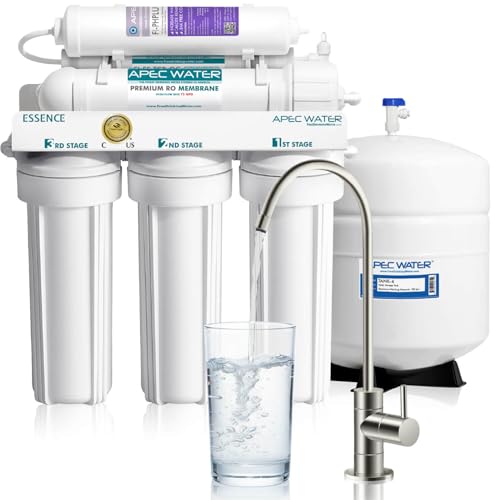
APEC ROES-PH75 6-Stage Alkaline RO 75 GPD
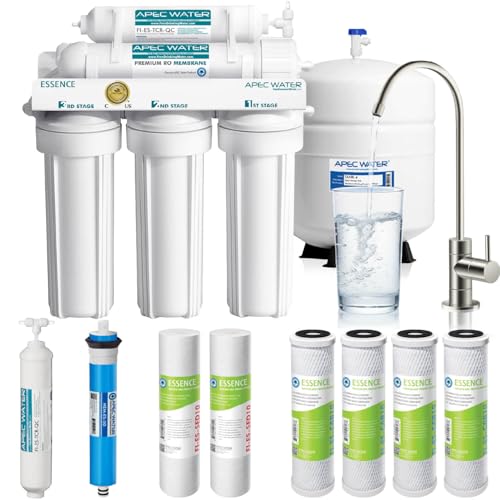
APEC ROES-50X 5-Stage RO With Extra Filters

APEC ROES-PHUV75 7-Stage Alkaline UV RO 75 GPD

APEC RO-90 5-Stage Reverse Osmosis 90 GPD

APEC RO-PH90 6-Stage Alkaline RO 90 GPD

3M Aqua-Pure AP Easy Cyst-FF Filter

APEC ROES-PH75X Alkaline RO With Extra Filters

APEC RO-Hi 5-Stage RO With 3/8″ Output
A Breakdown Of The Leading Choices
The 3M Aqua-Pure 3MFF100 is a slim, single-cartridge unit that lives happily in a tight cabinet under a small sink. It is a carbon-block system, which means the water passes through a dense block of activated carbon that traps chlorine, certain VOCs, lead, and protozoan cysts. In real kitchens, that translates to better-tasting coffee, less chlorine smell in pasta water, and noticeably cleaner drinking water for a household that does not want reverse osmosis.
Compared with the multi-stage APEC systems reviewed later, this one stays simple. There is no tank to drain and no wastewater line to plumb. You will mostly appreciate it if you rent your place, dislike permanent modifications, and want a filter that installs in a single afternoon.
Well-Handled Touches
- Full-flow design keeps tap pressure lively during cooking and glass-filling.
- Single-cartridge swap means no extra filter housings to track.
- Compact body fits where a reverse osmosis tank would never go.
Worth Noting
- Does not strip dissolved minerals, so very hard water still tastes hard.
- No remineralization stage, which some households prefer for taste.
- Annual cartridge cost is the main ownership expense to plan around.
Built With In Mind
Renters, small-kitchen owners, and anyone who wants cleaner water without a tank under the sink.
Look Elsewhere When
The APEC ROES-50 makes more sense if you want the deeper contaminant reduction of a reverse osmosis system.
APEC built its reputation on workhorse reverse osmosis systems, and the ROES-50 is the entry-level example. Reverse osmosis pushes water through a semipermeable membrane (a film with microscopic pores that blocks dissolved solids) under household pressure, and this unit pairs that membrane with four pre- and post-filters. The result is drinking water that drops chlorine, lead, arsenic, and a long list of dissolved contaminants, with about 50 gallons of treated water produced per day.
For a couple or a small family, 50 GPD covers daily drinking and cooking use without stress. Compared with the larger 75 and 90 GPD APEC models later, it costs less but fills a glass a touch slower.
Strong Points
- Removes a wide contaminant list including lead, chlorine, and fluoride.
- DIY-friendly install with color-coded tubing, a frequent favorite for first-timers.
- Compact tank footprint fits standard 18-inch sink cabinets.
Trade Offs
- Produces wastewater in roughly a 3:1 ratio, normal for RO but worth knowing.
- Storage tank refills noticeably slower than the 90 GPD APEC units.
- Annual filter replacements are mandatory to keep flow and taste on spec.
Feature Snapshot
Made For
Couples, small families, and first-time RO owners who want a balanced starter system.
Where A Sibling Pick Shines
The APEC RO-90 fits larger households better with its higher 90 GPD daily output.
The ROES-PH75 takes the 50 GPD platform reviewed above and adds a sixth stage: a calcite remineralization filter. Standard reverse osmosis strips dissolved minerals along with contaminants, and some drinkers find the resulting taste flat. This stage reintroduces calcium and magnesium, raising pH slightly and giving water a softer, rounder profile that many people associate with bottled mineral water.
At 75 GPD it lands in a sweet spot for a four-person home. You get noticeably faster tank refills than the 50 GPD model, and the alkaline stage earns its place if you find standard RO water too clinical.
The Good Stuff
- Remineralization improves taste for sensitive palates.
- 75 GPD keeps up with family-sized drinking and cooking demand.
- Same DIY-friendly color-coded tubing as the rest of APEC’s line.
Honest Caveats
- Alkaline stage adds a small height to the filter stack, worth measuring.
- Mineral content is modest, so do not expect spring-water levels of calcium.
Right Fit For
Mid-size families and anyone who finds flat-tasting RO water unsatisfying.
Skip It When
The APEC ROES-PHUV75 makes more sense if you also need UV sterilization for well water.
The ROES-50X mirrors the 5-stage ROES-50 platform but ships with a bonus set of replacement cartridges. The included extra filters typically cover a full year of normal use, so the real value lives in the box rather than the spec sheet. You get the same lead-, chlorine-, and arsenic-reduction performance as the base model.
Compared with the ROES-50 reviewed earlier, this bundle saves the second trip to order filters and keeps the system running on schedule. It is the more practical pick for a household that wants to set it and forget it for a year.
A Few Highlights
- Year of replacement filters included at purchase.
- Identical 5-stage filtration performance to the standard ROES-50.
- Long-term ownership is simpler with spare cartridges on hand.
Points To Note
- Same 50 GPD output, so filling a large stockpot still requires planning.
- Storage extras take up a little extra cabinet space until used.
Quick Facts
Whose Shelf It Belongs On
Busy households that want a hassle-free first year without ordering parts on a calendar.
Consider Something Else When
The APEC RO-90 suits larger homes that need faster refill times than 50 GPD provides.
The ROES-PHUV75 is the most layered APEC unit in this roundup. It stacks a UV stage on top of the 6-stage alkaline RO design, using a small ultraviolet lamp to neutralize bacteria and viruses that can survive the membrane. For well water or any household with microbial concerns, that extra stage is the main reason to pay more.
At 75 GPD, capacity mirrors the standard PH75 reviewed earlier, but the mineralizing and UV stages together target both chemical and biological contaminants. The honest read is that municipal water users may not need UV, but rural and well-water homes typically do.
Practical Advantages
- UV stage addresses microbial concerns beyond standard RO.
- Alkaline remineralization rounds out taste.
- 75 GPD handles a family of four comfortably.
Potential Drawbacks
- UV lamp requires replacement on a separate schedule from filters.
- Tall filter stack needs a deeper cabinet than a basic 3M system.
- Higher upfront cost than non-UV APEC models.
Who Should Grab It
Well-water households and rural homes with both chemical and microbial water concerns.
Reach For A Different Pick When
The APEC ROES-PH75 is plenty for city water that does not need UV sterilization.
The APEC RO-90 brings higher flow into the same 5-stage architecture used across the line. Producing up to 90 gallons per day, it refills the storage tank quickly enough for a large family that runs multiple cooking sessions back to back. The system uses the same sediment pre-filter, carbon blocks, and RO membrane approach as its smaller siblings.
For a household of four or five that fills pitchers constantly and uses filtered water for coffee, ice, and cooking, the extra 40 GPD over the ROES-50 matters. It still skips the alkaline stage, so taste will read more like standard RO.
The Practical Payoff
- Higher 90 GPD output shortens tank refill waits.
- Same long-life filters as the rest of the APEC family.
- Proven 5-stage architecture with broad contaminant reduction.
Where It May Fall Short
- No remineralization stage, so taste reads as flat to some palates.
- Higher output creates more wastewater, normal for RO but worth noting.
Feature Card
Best Suited To
Large families and frequent home cooks who need high daily output from a proven platform.
Swap It Out When
The APEC RO-PH90 fits better if you also want the remineralization stage at the same flow rate.
RO-PH90 takes the higher-output 90 GPD system and adds a calcite alkaline stage for taste. It is the largest-flow alkaline option in the roundup, designed for households that do not want to compromise on either output or flavor. The mineral cartridge adds a touch of calcium back into the water after the membrane strips everything out.
Compared with the ROES-PH75 reviewed earlier, this one prioritizes refill speed for big families. You trade the UV stage for sheer volume, so it suits city water more than well water.
What Pays Off
- High 90 GPD flow meets large-family demand.
- Alkaline stage improves taste and adds modest mineralization.
- Same trusted APEC tubing and fittings for predictable install.
Things To Weigh Up
- No UV stage, so well-water homes may want the ROES-PHUV75 instead.
- Footprint is larger than smaller-output APEC units.
Perfect Match For
High-use households with city water that want both high output and remineralized taste.
Not Your Match When
The APEC ROES-PHUV75 makes more sense for well water where UV sterilization matters.
The AP Easy Cyst-FF is 3M’s twist-change carbon filter, designed for owners who do not want to wrestle with filter housings. The cartridge rotates a quarter turn to lock in, which means no tools and no risk of an overtight seal. It reduces chlorine, sediment, asbestos, lead, mercury, and protozoan cysts as water flows through a carbon block.
It targets a slightly different list than the larger 3MFF100 reviewed first, including mercury and lindane, while sharing the same simple maintenance story. For a household that wants a long service interval and the easiest possible swap, this is the cleaner of the two 3M options.
What Stands Out
- Quarter-turn cartridge change takes seconds with no tools.
- Targets a longer contaminant list than basic carbon filters.
- Full-flow design keeps tap pressure lively during use.
Some Limits To Know
- Cartridge cost is the main ongoing expense to plan around.
- Does not remove dissolved minerals, so very hard water still tastes hard.
Who It Suits Best
Owners who want the easiest filter swap and broad contaminant reduction in one cartridge.
A Better Fit Elsewhere
The APEC ROES-50 covers you better if you want the deeper reduction of reverse osmosis.
The ROES-PH75X layers expanded pre-filters onto the proven PH75 platform. The added first three stages hold more sediment and chlorine capacity, which extends the time between filter swaps and protects the RO membrane from fouling in tougher water. It still produces 75 GPD of alkaline, remineralized water at the tap.
Where the standard ROES-PH75 asks for filter changes on a tighter schedule, this X-version stretches the pre-filter life considerably. For municipal water with noticeable sediment or seasonal chlorine swings, the upgrade is genuinely worth it.
Everyday Perks
- Larger pre-filter capacity extends replacement intervals.
- Protects the RO membrane from heavy sediment in older plumbing.
- Same 75 GPD alkaline output as the standard PH75.
Practical Considerations
- Pre-filter housings are larger and need extra cabinet clearance.
- Higher upfront cost than the non-X version.
Spec Overview
Made For
Homeowners with sediment-heavy municipal water who want longer pre-filter life and alkaline output.
Look Elsewhere When
The APEC ROES-50X is a friendlier value if you do not need the alkaline stage.
The RO-Hi is a 5-stage reverse osmosis system that uses a wider 3/8″ output line from the tank to the faucet. That wider tubing reduces pressure drop on the way to the tap, so the faucet fills pitchers noticeably faster than standard 1/4″ output lines. Same RO membrane, same carbon stages, just smarter plumbing on the way out.
Compared with the rest of the APEC lineup reviewed here, the RO-Hi feels purpose-built for fast-fill moments like filling a kettle, a pasta pot, or a large ice tray. It is a small ergonomic upgrade that you appreciate every single day.
Useful Touches
- Wider 3/8″ output line improves tap flow noticeably.
- 5-stage RO design covers the standard contaminant list.
- Quality fittings and tubing throughout the install.
Worth Bearing In Mind
- No alkaline or UV stage, so taste is standard RO profile.
- Daily output is closer to the 50 GPD family than 90 GPD.
Best Suited To
Owners who want faster fill times at the dedicated faucet without jumping to 90 GPD systems.
Consider Something Else When
The APEC RO-PH90 covers you better if high daily output matters more than fill speed.
What To Match Against Your Kitchen Before You Choose
The first decision is carbon versus reverse osmosis. Carbon filters like the 3M Aqua-Pure units reduce chlorine, lead, and certain organic compounds while leaving dissolved minerals in the water, and they fit almost any cabinet. Reverse osmosis systems like the APEC line push water through a membrane that strips most dissolved solids, which delivers cleaner drinking water but creates wastewater and usually requires a storage tank.
Gallons per day is the next practical filter. A 50 GPD system serves one to two people, 75 GPD covers a small family, and 90 GPD keeps up with heavy cooking and entertaining. The honest read is that picking the smallest unit that fits your household avoids paying for capacity you will not use.
Stage count tells you how many barriers the water passes through. A 5-stage system handles sediment, carbon, membrane, and post-carbon polishing. A 6-stage adds a remineralization cartridge, and a 7-stage adds UV. The extra stages are not free, so weigh them against your actual water source and taste preferences.
Installation is mostly DIY across this roundup, but the tank and stack height matter in shallow cabinets. Measure before you order, especially for the alkaline and UV models with longer filter stacks.
Key Considerations Across These Picks
Pitfalls Shoppers Hit
Choosing purely by stage count is the most common misstep. A 7-stage unit with a UV lamp does nothing extra for municipal water without microbial concerns, while a well-tuned 5-stage system covers most city dwellers. Match the system to your source water, not the spec sheet.
Forgetting the wastewater line is the second trap. Reverse osmosis units send three to four gallons of brine down the drain for every gallon of treated water, and that drain saddle has to be installed on the sink drain. Skipping that step leaves you with a non-functional system.
Ignoring filter replacement cost is the third. The systems themselves are one-time, but cartridges and membranes add up annually. Models that ship with spare filters, like the ROES-50X and ROES-PH75X, soften that first year.
Where The Extra Money Goes
Higher-tier units like the APEC ROES-PHUV75 spend the extra money on a UV stage and a remineralization cartridge. The UV stage is meaningful for well water, and the alkaline stage is a real quality-of-life upgrade for taste. The case for paying up comes down to whether your source water demands microbial control or whether you simply prefer mineralized water.
Wider output lines, larger pre-filters, and bundled replacement cartridges are the smaller upgrades. None are essential, but each one addresses a real ownership friction point. Spend up when the friction is something you will feel every week.