

Smart lighting used to feel like a splurge, but a new wave of budget bulbs brings color control, scheduling, and voice integration to everyday rooms without a dedicated hub. The trick is matching the bulb to your existing Wi-Fi setup, your preferred ecosystem, and the kind of scenes you actually want at home. This list rounds up seven solid options across common price points so you can light up a living room or a rental on your own terms.
A Snapshot Of The Selections

Philips Hue Smart 60W A19 Color Bulb (2-Pack)
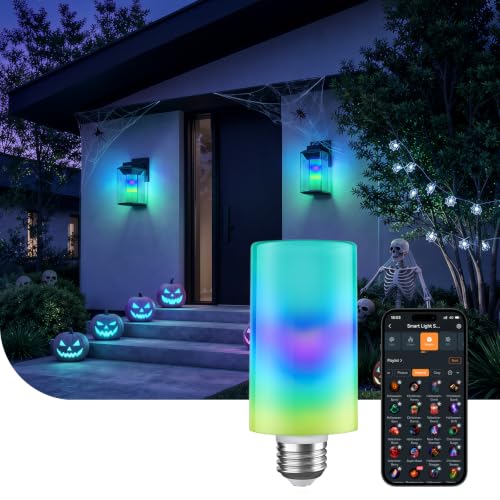
Linkind Smart Light Stick (850lm)

Philips Hue A19 Color Bulb (3-Pack)

Tapo L535E Multicolor Smart Bulbs (2-Pack)

Tapo L535E Multicolor Smart Bulbs (4-Pack)

Linkind Smart Bulbs for Alexa, Google, AiDot

Tapo L530E RGBW Smart Bulbs (4-Pack)
A Breakdown Of The Leading Choices
Philips Hue has become the polished default in mainstream smart lighting, and this 2-pack keeps the entry simple. The A19 LED bulb uses a familiar E26 base, a 60-watt-equivalent output, and 800 lumens, which is plenty for a reading lamp or a kitchen fixture. Right out of the box it works over Bluetooth through the Hue app, with no hub required, so you can dip a toe into color lighting before committing to a full system.
You get the full color and white ambiance range, from a warm evening glow to cooler daylight tones, and the app makes scene building feel approachable. If you want more reachability in the future, Hue integrates with Alexa, Google Assistant, and Apple HomeKit. Think of this as the smart upgrade for a single room that might expand into the rest of the home.
Well-Handled Touches
- 800 lumens at the 60W equivalent size handles a standard lamp or ceiling fixture with ease
- Bluetooth control up to 10 lights lets you skip the hub for a smaller space
- Full color plus tunable white support keeps sunset reading or party scenes in reach
- Voice integration with Alexa, Google Assistant, and Apple HomeKit covers the major ecosystems
- The Hue app is known for clean routines and reliable scheduling, useful for morning wake-ups
Things To Consider
- Without a Hue Bridge, you lose remote control outside the home network
- Widely reported as a premium brand, so color bulbs typically cost more than Tapo or Linkind entries on this list
- Some advanced automations require the optional hub, an extra setup step for beginners
Who It Suits Best
Shoppers who want the most refined app experience and the widest ecosystem support, and who plan to build out a longer-term setup.
Consider Something Else When
The Tapo L535E 4-Pack is a better fit for anyone stocking an entire apartment on a tighter budget and willing to trade the Hue polish for higher lumen output per dollar.
Most smart bulbs stick to a familiar round shape, but Linkind’s T19 Smart Light Stick breaks the mold. The slim tube form factor fits narrow shades, wall sconces, and vanity fixtures where a traditional A19 bulb looks awkward. The E26 base keeps installation as simple as screwing in a standard bulb, and at 57 × 131mm it slips into most fixtures a regular bulb would.
You get both tunable white and full RGB color control through the AiDot app, with voice support through Alexa and Google Assistant. The 850-lumen rating gives it a slight edge over the typical 800-lumen starter. Just know this is a 2.4GHz-only Wi-Fi bulb, so older dual-band routers need the right band enabled.
The Upside
- Stick form factor opens up fixture types where a standard A19 would look out of place
- 850 lumens offers a touch more brightness than the entry-level 800-lumen options
- App and voice control for color, dimming, and standard on/off switching
- RGB plus tunable white covers both mood lighting and everyday tasks
Worth Noting
- Older dimmer switches can cause flickering, since traditional dimmers are not supported
- No compatibility with Tuya or Smart Life, so you stay inside the AiDot ecosystem
- No Thread support, which limits future-proofing for some smart home setups
Made For
Anyone with slim or unusual fixtures who wants a smart bulb that fits where a round A19 simply will not.
Look Elsewhere When
The Linkind Smart Bulbs for Alexa, Google, AiDot make more sense for standard lamp and ceiling setups where the stick shape offers no real benefit.
Buying Hue bulbs one at a time adds up fast, so the 3-pack is where the smart lighting upgrade starts to feel like a sensible project. You get three White and Color Ambiance A19 bulbs that cover the same 60W-equivalent, 800-lumen output as the 2-pack above, but the per-bulb cost drops enough to outfit a living room and a hallway in one shot.
The set works through Bluetooth or the Hue app, with Matter support available once you add a Hue Bridge. Compared to the 2-pack, this option simply spreads the same polished experience across more rooms. You get the same app, the same ecosystem support, and the same color range without juggling separate orders.
Everyday Perks
- Three bulbs in a single pack lower the per-room cost for a Hue rollout
- Tunable white and full RGB color support, useful for both daily tasks and weekend scenes
- Bluetooth control keeps you off the hub if you only need room-level access
- Works with Alexa, Google Assistant, and Apple HomeKit for voice control
- Widely regarded for steady firmware updates that keep automations reliable
Points To Note
- Higher upfront spend than single-brand budget packs like the Tapo L535E 4-Pack
- Full smart home features still lean on an optional Hue Bridge purchase
- Some users find the app layout easier to learn on a tablet than a phone
Right Fit For
Households ready to commit to Hue across multiple rooms and wanting fewer packaging trips to the mailbox.
Skip It When
The Tapo L530E RGBW Smart Bulbs 4-Pack suits anyone who wants the maximum bulb count per dollar and doesn’t need the Hue ecosystem.
If you want more light, the Tapo L535E pushes the brightness dial higher than most budget smart bulbs. With 1100 lumens on a standard A19 E26 form factor, it outpaces the typical 800-lumen starter by a noticeable margin. That extra headroom matters in living rooms with high ceilings, dining areas, or anywhere the existing bulb never seemed bright enough.
The bulb is Matter-certified, so it slots into Apple Home, Alexa, Google Home, and SmartThings without much fuss. You also get millions of RGB colors, tunable white, and a high color rendering index that keeps skin tones and artwork looking natural. You may find the higher lumen output more than you need for a bedside lamp, but in main spaces it shines.
Useful Highlights
- 1100 lumens covers large rooms that 800-lumen bulbs leave dim
- Matter support keeps the door open for multi-ecosystem control
- High CRI rating helps colors and artwork render more accurately
- RGB plus tunable white handles everything from movie nights to homework
- Voice integration through major platforms without a separate hub
Trade Offs
- Higher watt draw compared to 800-lumen entries, something to consider for heavily used fixtures
- 2.4GHz Wi-Fi only, so mesh routers need that band enabled
- Smart features lean on the Tapo app for advanced routines
Best Suited To
Homeowners with open-plan spaces who want a single bulb to do the job of two traditional ones.
Reach For A Different Pick When
The Linkind Smart Light Stick is the smarter call for narrow fixtures where the standard A19 shape just won’t fit.
This is the same Tapo L535E bulb in a 4-pack, aimed squarely at anyone outfitting an entire room or a starter apartment. You get the same 1100 lumens, Matter certification, and tunable white plus full RGB color, just spread across four fixtures. For most living spaces, this is the sweet spot between price and coverage.
The A19 E26 base means installation is identical to a regular bulb, no rewiring required. Compared to the 2-pack above, this set simply extends the same brightness boost across more lamps. It works well for vaulted ceilings, basement rec rooms, or anywhere you’ve been running short on light.
Standout Benefits
- Four high-output 1100-lumen bulbs handle larger spaces without dim corners
- Matter compatibility keeps the system flexible as ecosystems evolve
- Tunable white plus RGB covers both functional and decorative lighting
- Voice control through major assistants with no hub required
- The 4-pack spreads the cost across enough bulbs to outfit a full room
Room For Improvement
- Higher per-bulb watt draw than 800-lumen alternatives in continuous use
- 2.4GHz Wi-Fi only, which can crowd busy networks in larger homes
- Advanced features still live mostly inside the Tapo app
Who Will Love This
Shoppers upgrading several fixtures at once and wanting strong, consistent brightness across the room.
A Better Fit Elsewhere
The Philips Hue A19 Color Bulb 3-Pack is worth the premium if you prefer the Hue app experience and ecosystem over maximum lumen output.
Linkind’s standard A19 smart bulb is a sensible pick if you want hands-free control through Alexa or Google without the steep prices of premium brands. Pairing happens through the AiDot app in a few steps, then the bulb talks to your existing voice assistant. There’s no extra hub in the loop, which keeps the hardware list short.
The bulb supports dimming, color changes, and scheduling through both the app and voice commands. That covers the everyday lighting moments, from cooking to bedtime routines. You may find the AiDot app less polished than Hue, but for simple on-and-off voice control, it gets the job done.
Positive Points
- No hub needed, which keeps the setup short for first-time smart home users
- Voice control through Alexa and Google Assistant right after pairing
- Dimming and color changes through both the app and voice commands
- Standard A19 form factor fits typical lamps and ceiling fixtures
- Scheduling helps automate morning and bedtime routines
Less Ideal Details
- The AiDot app ecosystem is smaller than Hue or Tapo, limiting third-party integrations
- Color rendering and lumen output land in the budget tier, not the high-output tier
- Some users may prefer Tapo or Hue for more advanced scene-building
Perfect Match For
Voice-first households who want simple on, off, dim, and color changes without managing a separate app ecosystem.
Another Choice May Suit
The Tapo L530E RGBW Smart Bulbs 4-Pack is the stronger pick for shoppers who want broader smart home compatibility across more ecosystems.
For shoppers who care about how colors actually look on the wall, the Tapo L530E pushes color accuracy higher with a CRI above 90. CRI, or Color Rendering Index, measures how closely a light source reveals the true colors of objects compared to natural daylight. A higher CRI matters near artwork, makeup mirrors, or anywhere you want reds and skin tones to look correct.
The bulb delivers 800 lumens at a 60W equivalent, plus 16 million RGB color choices, all controllable through the Tapo app, Alexa, or Google Home. The 4-pack gives you enough bulbs to handle a living room or a couple of bedrooms. Setup stays simple at 2.4GHz Wi-Fi with no hub required.
What Works In Its Favor
- CRI above 90 keeps colors vivid and natural, especially helpful near artwork
- 16 million RGB color choices plus tunable white support both moods and tasks
- Works with Alexa and Google Home through the Tapo app, no extra hub
- Standard A19 E26 base drops into existing fixtures with no rewiring
- The 4-pack covers a full room or multiple smaller spaces
Factors To Consider
- 800 lumens sits below the L535E options for shoppers who need maximum brightness
- 2.4GHz Wi-Fi only, which may need attention on certain mesh networks
- Limited to the Tapo ecosystem for advanced routines and automations
Who Should Grab It
Anyone placing smart bulbs near art, photography, or makeup mirrors where color accuracy makes a real difference.
Swap It Out When
The Tapo L535E 4-Pack is the smarter upgrade for larger rooms where the extra 300 lumens per bulb will be felt.
What To Weigh Before Choosing Your Next Smart Bulb
The right smart bulb depends less on raw specs and more on the network you already own. A 2.4GHz-only bulb, the most common Wi-Fi band for smart home gear, will struggle on a mesh router set to 5GHz only, so check your router settings before pairing. Voice assistant support matters too: Alexa, Google Assistant, and Apple HomeKit each have their own compatibility rules, and not every bulb plays nicely with all three.
Brightness is the next practical filter. An 800-lumen bulb handles bedrooms and hallways with ease, while a 1100-lumen option covers open living areas where the existing light always felt thin. Color rendering, measured by CRI, becomes important near artwork or makeup mirrors where accurate tones matter.
Finally, think about ecosystem lock-in. Hue leans on its own app and optional Bridge, while Tapo and Linkind keep things simple with Wi-Fi-only setups. Matter support eases multi-ecosystem use, but only some bulbs carry it. The honest read is that the best pick is the one that fits your existing setup rather than forcing a new one.
Smart Shopping Considerations
Mistakes Worth Dodging
The most common slip-up is grabbing a 5GHz-only setup and wondering why a Wi-Fi bulb won’t pair. Most affordable smart bulbs run on 2.4GHz, which travels farther through walls but feels slower for streaming. Another trap is buying a bulb that needs a hub without budgeting for that bridge, turning a $15 bulb into a $70 setup. Dimmer switches also trip people up: pairing a smart bulb with an old wall dimmer often causes flicker, since smart bulbs expect a standard on/off switch. Check the fixture before you buy.
Where The Extra Money Goes
Premium pricing in this category usually pays for ecosystem polish, firmware updates, and color accuracy. A higher-end bulb often comes with a smoother app, more reliable schedules, and a CRI that makes colors look natural. For a single lamp, the premium may feel hard to justify. For a multi-room rollout where reliability matters day after day, the smoother experience tends to earn its place. The upgrade pays off most when you automate routines you actually use, like a slow sunrise in the bedroom or a vacation mode when traveling.
