

Laying vinyl over concrete is one of those projects where the glue quietly decides whether the floor lasts five years or five months. A cold slab, a little moisture vapor, and the wrong adhesive can send planks curling at the edges before the first winter passes. This roundup looks at construction adhesives, double-sided tapes, and self-adhering vinyl planks that handle the specific demands of a concrete subfloor, with options for full-perimeter installs, modular tiles, and temporary layouts that may need to come back up later.
The Leading Options At A Glance
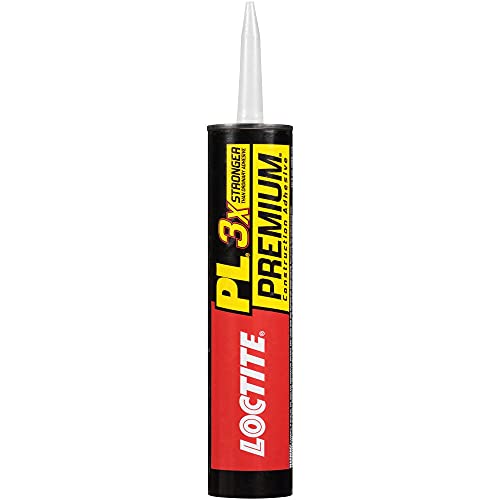
Loctite PL Premium Polyurethane Construction Adhesive 10 fl oz

Carpet Tile Tape Double Sided 2in x 90ft
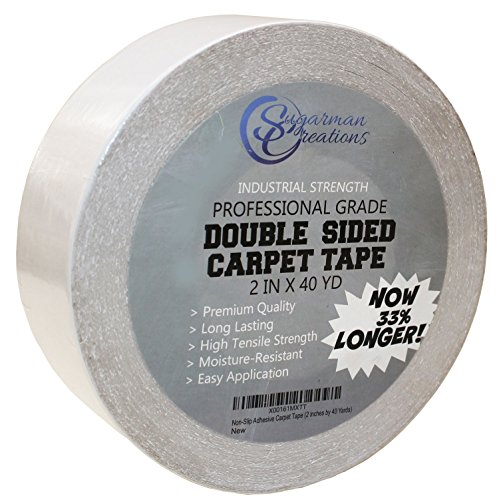
Sugarman Creations Strongest Double Sided Carpet Tape 2in x 40yd

Yeardera Heavy Duty Construction Adhesive 7.4 oz Squeeze Tube

Art3d Wood Texture Peel and Stick Vinyl Floor Planks 36-Pack

Art3d 30-Pack Peel and Stick Vinyl Floor Tiles Black Marble

Art3d 15 Sq.ft Peel and Stick Floor Tiles 10-Pack Teak

Art3d 18-Pack Interlocking Vinyl Floor Planks Venice Ash
Meet The Standout Selections
Loctite PL Premium is the cartridge you’ll see on contractor trucks for a reason. This single-component polyurethane adhesive (a moisture-curing formula that hardens by reacting with ambient humidity rather than drying through evaporation) is formulated for demanding substrates, and concrete sits squarely in its wheelhouse. Where most thin-spread vinyl adhesives stay soft, this one builds a rigid bond that resists the seasonal push-and-pull of an unconditioned slab.
For a homeowner laying luxury vinyl planks across a basement rec room or a converted garage, the 10-ounce tube is the right scale, not a five-gallon pail you’ll never finish. Compared with the double-sided tapes further down this list, PL Premium demands a caulk gun and a bit more patience, but the trade-off is a permanent install that shrugs off rolling chair loads and spilled coolers.
A Favorable Mix
- Bonds to porous concrete without a separate primer in typical residential installs
- Polyurethane chemistry tolerates the slight moisture vapor most slabs emit, reducing edge curl
- Compatible with wood, stone, and metal, handy when a vinyl floor meets a transition threshold
- 10 fl oz cartridge fits a standard caulk gun, no specialty applicator required
- Paintable once cured, so a small squeeze-out at the perimeter can be concealed later
Points To Note
- Requires a caulk gun, and squeezing polyurethane by hand gets tiring across a full room
- Cure time runs roughly 24 hours before foot traffic, longer for heavy rolling loads
- Once cured it does not release cleanly, so this is a permanent choice, not a renter-friendly option
Made For
Homeowners laying glue-down vinyl planks or tiles across a concrete subfloor who want a long-term, professional-grade bond and already own a caulk gun.
A Better Fit Elsewhere
Renters wanting a removable installation should reach for the All Flooring Now Carpet Tile Tape instead, since that mesh design releases cleanly when the lease ends.
Where Loctite PL Premium locks a floor down forever, the All Flooring Now mesh tape offers a very different promise. A 2-inch wide, 90-foot reinforced web that grips vinyl tiles, carpet squares, and rugs to concrete without the aggressive permanent bond of a polyurethane. The open mesh design is the key here, allowing air to escape during application so the tape lays flat against the slab rather than trapping bubbles.
For modular flooring where a single damaged tile might need to come up for replacement, this tape makes that swap realistic. One roll covers up to roughly 220 square feet when used in perimeter strips, which is enough for most bedrooms or a hallway. In a basement playroom where the floor may need to come up before the next renovation, the residue-free release is the feature that earns its place.
Strong Points
- Reinforced web mesh holds vinyl tiles firmly under foot traffic without a full glue-down mess
- Lifts cleanly from sealed concrete when the floor is ready to change
- Single 90-foot roll covers up to 220 sq ft in standard perimeter-lap placement
- Works indoors and out, useful for garage entry mats and patio runners on a concrete pad
Trade Offs
- Not the right choice for whole-room sheet vinyl, since the tape secures edges and seams rather than the full field
- Concrete must be clean and fully cured; dusty slabs reduce grip noticeably
- Mesh pattern shows through very thin vinyl tiles if pressed too hard during install
Best Suited To
Renters and homeowners installing peel-and-stick or loose-lay vinyl tiles in a space that may be reconfigured or returned to bare concrete later.
Swap It Out When
Anyone needing industrial-strength adhesion for high-traffic commercial edges should consider Sugarman Creations Strongest Double Sided Carpet Tape, which carries a denser adhesive layer.
Sugarman Creations leans into the heavy end of the double-sided tape spectrum. At 2 inches wide and 120 feet per roll, this is industrial-grade acrylic adhesive designed for permanent carpet underlayment and stair installations. Where All Flooring Now’s mesh tape prioritizes clean removal, this one is built to hold and hold, with a laminated paper release liner that peels off cleanly but leaves the adhesive behind.
The trade-off is real, and anyone renting should know that pulling this tape back up usually means scraping the slab. For a workshop, a finished basement, or a converted sunroom where the floor is meant to stay put, that grip is exactly what you want. Where Loctite PL Premium is a wet-spread construction adhesive, this Sugarman tape is a dry install that requires no gun, no mixing, and very little cleanup.
What Works In Its Favor
- High-tension adhesive grip suited to rug edges, stair treads, and vinyl transition strips
- Laminated release liner speeds up placement along long runs
- No applicator tools, the tape unrolls and presses into place by hand
- Acrylic adhesive stays flexible across seasonal temperature swings in unheated spaces
Things To Consider
- Not designed for clean removal, adhesive residue on concrete requires solvent or scraping
- Width and grip make it overkill for small bath or kitchen vinyl tile layouts
Who Should Grab It
Workshop owners and pros installing vinyl stair nosing, area rug borders, or transition strips on concrete who want maximum hold without the mess of a wet adhesive.
Not Your Match When
A small patch repair or threshold bead is the job; Yeardera Heavy Duty Construction Adhesive in a squeeze tube handles that without unrolling 120 feet of tape.
The Yeardera squeeze tube sits in a useful middle ground. You get construction-grade adhesion in a 7.4-ounce tube that dispenses by hand, no caulk gun, no extra tools. For tile repairs, a loose vinyl threshold, or a single plank that has popped free along a doorway, this is the size that actually makes sense.
Formulated to hold across both freezing and warm conditions, the adhesive stays workable through temperature swings that punish typical glues. Compared with the Loctite cartridge, the smaller format trades some coverage for portability, exactly what a kitchen drawer or a truck toolbox should hold.
The Upside
- No caulk gun required, the squeeze tube format goes anywhere a repair might be needed
- Stable across a wide working temperature range, useful in unheated garages and basements
- Bonds tile, stone, wood, and wall surfaces, not just vinyl
- Compact size suits single-plank or threshold fixes without waste
Less-Strong Areas
- Too small for a full-room install, a single tube covers only a handful of square feet
- Hand-squeezing thick construction adhesive gets awkward over a long bead
Right Fit For
DIYers who need a small, portable adhesive tube for vinyl tile pop-ups, threshold reattachments, or one-off repairs on a concrete subfloor.
Where Another Pick Suits Better
Laying a full glue-down floor across an entire basement calls for Loctite PL Premium in the larger cartridge format, since hand-squeezing this Yeardera tube across hundreds of square feet would be punishing.
Art3d flips the problem around: instead of buying an adhesive and a separate floor, this 36-pack arrives with the adhesive already factory-applied to the back of every plank. Each plank carries a rigid vinyl core (a stiff, dimensionally stable layer that resists indentation better than flexible vinyl sheet goods) with a waterproof, wear-resistant surface that mimics rosewood grain. For a DIYer staring at bare basement concrete, the only tool required is a utility knife and a straightedge.
The honest read is that peel-and-stick planks have limits on concrete. Adhesion depends entirely on how clean, flat, and smooth the slab is, and dust or moisture vapor can undercut even a premium factory adhesive. Compared with the Loctite PL Premium full-spread approach, Art3d planks are easier to install and far easier to reverse, but they do not tolerate the same abuse.
A Strong Showing
- Factory-applied adhesive eliminates the need for a separate glue purchase or trowel
- Waterproof rigid core handles spilled drinks, pet accidents, and basement humidity
- Rosewood finish adds visual warmth without the cost of real hardwood
- Planks cut cleanly with a utility knife for around door jambs and corners
Honest Caveats
- Concrete subfloor must be smooth, level, and dust-free, any grit telegraphs through the planks
- Factory adhesive can soften under summer heat in sun-flooded rooms
- Not a true glue-down, so heavy furniture may cause individual planks to shift over time
Perfect Match For
Renters and homeowners refreshing a concrete-floored room in a weekend, where a wood-look finish matters more than a permanent industrial bond.
Reach For A Different Pick When
A floating floor with no adhesive at all is the goal, in which case the Art3d Interlocking Vinyl Floor Planks reviewed later in this roundup fit the bill.
The 12-by-12-inch Art3d marble-look tiles take the same self-adhering convenience as the rosewood planks and apply it to a smaller, more decorative format. Thirty tiles cover 30 square feet, which lines up nicely with a small entry, a powder-room floor, or a laundry-room accent. The black-and-white marble pattern punches well above its weight on a concrete slab, where a little pattern can disguise a less-than-perfect surface.
For concrete installs the rules are the same as the larger planks: clean, level, dry. What changes with tile is repair economics, since one damaged 12-by-12 tile is far cheaper to replace than a 6-by-36-inch plank. You may find the smaller footprint useful for fiddly layouts around toilet flanges and pedestal sinks, where a long plank becomes a series of awkward cuts.
Real-World Strengths
- Marble pattern hides minor subfloor imperfections better than uniform wood grain
- 12×12 size navigates tight bathroom and laundry layouts with less waste
- Waterproof rigid vinyl surface wipes clean with standard household cleaners
- 30-tile pack is an approachable size for a first tiling project
Smaller Limitations
- More grout lines to align than longer planks, which slows larger rooms down
- Factory adhesive still demands a primer on very porous or chalky concrete
Whose Shelf It Belongs On
Homeowners adding a decorative waterproof tile to a small concrete-floored bath, entry, or laundry without committing to a full trowel-down installation.
Consider Something Else When
Laying vinyl across a wide-open basement is the project, in which case the larger Art3d Wood Texture Planks cover ground faster with fewer seams.
This smaller 10-pack of teak-finish planks covers 15 square feet, sized for a single weekend test rather than a whole-home commitment. The 36-by-6-inch format is the same luxury vinyl plank footprint you’d see on a full floor, just in a manageable sample quantity. Anyone new to peel-and-stick on concrete gets a chance to learn the substrate prep, the alignment tricks, and the knife technique without burning through a 36-pack on mistakes.
The teak tone sits in a versatile middle of the wood-look spectrum, neither too warm nor too gray, which keeps a small test patch from clashing with whatever floor surrounds it. Where the rosewood 36-pack is the workhorse choice, this teak pack is the trial size that lets you commit with confidence.
Reasons It Performs
- Smaller pack size makes it an affordable way to test adhesion on your specific slab
- Teak finish pairs with most existing trim and adjacent flooring
- Same rigid waterproof vinyl as the larger Art3d planks, no quality downgrade
- Approachable quantity for a closet floor, a pantry, or a small entry mat area
Worth Bearing In Mind
- 15 square feet is too small for any meaningful room, expect to buy multiple packs for a full floor
- Plank-to-plank pattern repeat is more noticeable in a small quantity, so mix tiles from several boxes
Who Will Love This
First-time DIYers who want a low-risk way to evaluate peel-and-stick vinyl on their concrete subfloor before scaling up to a full-room install.
Where Another Pick Suits Better
A garage or workshop floor needs a tougher surface, which is a better match for the Sugarman Creations industrial carpet tape paired with heavier vinyl tiles.
The interlocking Art3d planks skip adhesive entirely, relying on a mechanical buckle system that clicks each plank into its neighbor. On a concrete subfloor, that means a vapor barrier underlayment may still be advisable, but you skip the chemistry experiment entirely. Eighteen planks cover roughly 27 square feet, enough for a small home office or a finished basement corner.
The trade-off versus the peel-and-stick Art3d planks is removal: these come apart cleanly without scraping adhesive, which makes them a friendlier choice if you anticipate taking the floor up in a few years. The wear layer carries a UV coating for scratch resistance, and the Venice Ash tone leans cool and modern, working well in contemporary basement layouts.
Positive Takeaways
- No glue or tape required, the click-lock system floats over the concrete slab
- Disassembles without scraping for easy replacement of damaged planks
- UV-coated wear layer resists scratches from chair casters and pet claws
- Cool Venice Ash finish fits modern basement and loft aesthetics
Practical Considerations
- Floating floors can shift under very heavy furniture without perimeter taping
- Concrete moisture vapor can still cause problems without an underlay vapor barrier
Built With In Mind
Homeowners finishing a basement rec room or home office who want a wood-look floor without committing to any adhesive on the concrete beneath.
A Better Fit Elsewhere
A short-term rental where the floor must come up clean at move-out is better served by the All Flooring Now mesh tape, which leaves no residue behind.
What Matters Most Before Choosing Adhesives For Vinyl Flooring On Concrete
Subfloor Condition Drives Everything
A concrete slab that looks smooth from across the room can hide a layer of dust, old paint, or curing compound. Most adhesive failures on concrete trace back to surface prep, not the glue itself. A quick swipe with a damp finger across the slab tells you a lot: a clean, slightly chalky gray residue is normal, but a slick or oily film means the adhesive will struggle to key into the surface. Sweep, vacuum, and consider a concrete-specific cleaner before any product in this roundup goes down.
Match The Bond To The Project
Permanent glue-down floors want a wet-set polyurethane like Loctite PL Premium. Removable or modular installs favor mesh tape. Floating floors need nothing at all. Picking the wrong chemistry for the project is how a weekend refresh turns into a weekend of scraping.
Concrete Moves More Than You Think
Slabs expand and contract with temperature and moisture swings far more than wood subfloors. Adhesives that stay flexible after curing handle that movement without cracking the bond. Polyurethane and quality acrylic tape both earn their place here; rigid epoxies and brittle mastics do not.
Traffic And Moisture Set The Bar
A guest bedroom floor sees sneakers a few times a month. A basement rec room sees rolling chairs, dog traffic, and the occasional spilled drink. Higher-traffic and higher-moisture zones justify the upgrade from a peel-and-stick plank to a true glue-down install.
Common Slip-Ups And Where The Extra Money Goes
Where Shoppers Go Wrong
Skipping the slab test is the most common mistake. Concrete that looks dry can still emit moisture vapor that softens factory adhesives and curls plank edges over a season. A simple plastic sheet taped to the slab for 24 hours reveals condensation before the floor goes down.
When Paying More Pays Off
Premium polyurethane cartridges and industrial acrylic tapes cost more per ounce than basic construction adhesive, but they buy flexibility after curing and stronger wet-state grab. For a basement, a garage conversion, or any slab with a moisture history, that upgrade tends to be the difference between re-flooring in three years and forgetting you ever worried about the floor.
Frequently Asked Questions
Do I need a special adhesive for vinyl flooring on concrete?
Standard wood-floor adhesives often fail on concrete because they cannot key into a porous slab. Polyurethane construction adhesive or a high-tack double-sided tape designed for hard surfaces is a safer choice for vinyl over concrete.
Can I use peel-and-stick vinyl tiles directly on concrete?
Yes, on a clean, level, fully cured slab. The slab must be free of dust, sealers, and moisture, otherwise the factory adhesive will not bond and edges will lift over time. A primer helps on very porous or chalky concrete.
How long does vinyl flooring adhesive take to cure on concrete?
Polyurethane adhesives typically need 24 hours before light foot traffic and longer before heavy rolling loads. Double-sided tapes grab instantly on contact, while peel-and-stick planks reach full bond strength after a few days of pressure and warmth.
Will adhesive damage the concrete underneath?
Most quality vinyl adhesives bond to the surface rather than soaking in, so removal usually involves scraping or chemical stripper rather than permanent staining. Tape-based products tend to leave the cleanest release when the floor comes up.
What is the best removable option for vinyl on concrete?
A reinforced mesh double-sided tape, like the All Flooring Now carpet tape reviewed above, is generally the cleanest removable option. It grips firmly during use yet lifts without scrubbing or solvent when the floor is ready to change.
Closing Remarks
The right adhesive depends less on the brand and more on the slab and the project. Concrete that is dry, clean, and level opens the door to peel-and-stick planks or modular tiles, while slabs with moisture history or heavy traffic benefit from a polyurethane full-spread bond. Match the chemistry to the room, prep the surface honestly, and the floor you lay today should still be flat and tight a decade from now.




