

Carpet tiles solve a lot of problems. They go down fast, hide worn subfloors, and let you replace a stained corner without ripping up the whole room. The catch sits in the glue: a weak bond lets tiles shift underfoot, a permanent one wrecks the subfloor when you want to swap a damaged square. For anyone laying tile in a home office, basement gym, or rental unit, the right adhesive makes the difference between a floor that stays put and one that creeps with every step.
The Essentials At A Glance

3M Super 77 Multipurpose Spray Adhesive Glue 16.75 oz

3M Super 77 CA Multipurpose Spray Adhesive Glue 18 oz

3M Super 77 Multipurpose Spray Adhesive Glue 13.44 oz
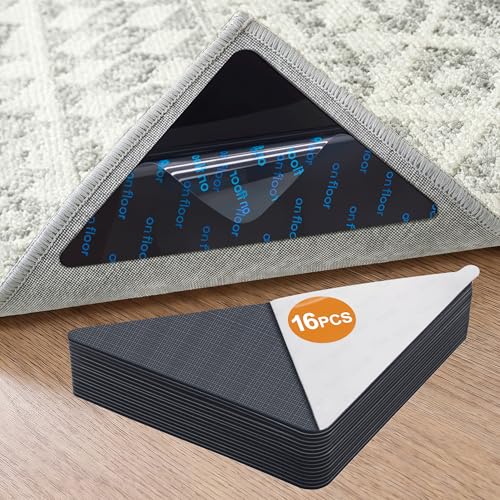
Tiergrade 16 Pcs Anti Slip Rug Pads Grippers for Hardwood Floors and Tiles
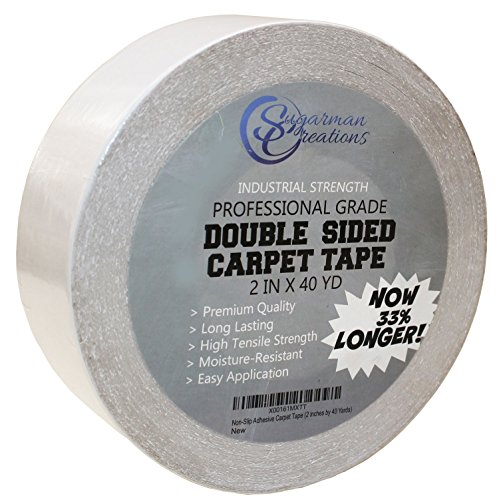
Sugarman Creations Strongest Double Sided Carpet Tape 2 in x 40 yd

ROBERTS 3095-1 1 Gallon Carpet Adhesive

Rug Grip Rug Gripper Double Sided Carpet Tape 2.5 in x 25 ft

Rug Grip Rug Gripper Double Sided Carpet Tape 4 in x 25 ft
Meet The Standout Selections
The 3M Super 77 spray adhesive has earned its reputation across workshops and craft rooms for a reason. It lays down a fine mist that covers tile backing evenly, and the low-VOC formula keeps the work area manageable during a long install. For a single room of carpet tiles in a home office or basement den, the 16.75-ounce can is enough to handle the full layout without running dry mid-project.
Compared to the larger 18-ounce can in this roundup, this version trades some capacity for a slightly smaller profile that fits better in tighter storage. The trade-off makes sense for anyone who finishes one project at a time rather than tackling multiple rooms in a single weekend.
Noteworthy Benefits
- Low-VOC spray formula reduces harsh fumes during indoor tile installs.
- Aerosol mist lays a thin, even coat that prevents bleed-through at tile edges.
- Compact 16.75-ounce can tucks into a closet shelf between projects.
- Dries fast enough to lay tile within minutes of spraying.
- Works on hardboard, foam-backed, and most standard carpet tile backings.
Points To Note
- Spray cans need ventilation; open windows matter in small bedrooms.
- Coverage drops on porous concrete subfloors, so priming helps.
Best Suited To
DIYers laying a full-room carpet tile layout in a single session who want spray speed without buying bulk adhesive.
A Better Fit Elsewhere
For commercial-scale installs, the ROBERTS 3095-1 1 Gallon Carpet Adhesive delivers more volume and a wet-set bond.
The 18-ounce Super 77 CA variant pushes the same reliable formula into a larger aerosol that covers more square footage per pass. For larger rooms or multi-room tile projects, the extra capacity means fewer mid-install can swaps, which matters when the spray pattern needs to stay consistent across an entire floor.
Where the smaller 16.75-ounce can suits a quick single-room job, this version earns its place for homeowners finishing a finished basement or bonus room in a single weekend. The clear finish and low-VOC profile carry over from the standard Super 77, so indoor air quality stays reasonable during the work.
Reasons It Performs
- Larger 18-ounce can covers bigger rooms without a refill break.
- Clear-drying formula resists yellowing on lighter carpet tiles.
- Low-VOC content keeps odor manageable in enclosed spaces.
- Wide spray pattern speeds application across open floor areas.
A Few Limitations
- Higher price per ounce than the smaller 3M Super 77 options.
- Spray valve can clog if the can sits unused across seasons.
- Bigger can feels awkward in tight closet storage.
Right Fit For
Homeowners tackling a basement, bonus room, or open-plan tile installation in one continuous stretch.
Look Elsewhere When
Anyone laying tiles they plan to lift and reposition later should reach for the Rug Grip Rug Gripper Tape 2.5 in x 25 ft instead.
This two-pack of 3M Super 77 cans gives a bit more flexibility than the single-can listings. Each 13.44-ounce can handles a moderate-sized room, and having a backup ready means an interrupted tile project can finish without an emergency hardware store run. The dual-can format also helps when one can starts losing pressure near the bottom.
The trade-off versus the larger 16.75-ounce single can is mostly about workflow. A solo installer working through a single room may not need the second can right away, but the pack format shines for crafters and shop owners who keep adhesive around for ongoing tile replacements.
Real Benefits
- Two-can format ensures a backup ready mid-install.
- Standard Super 77 formula keeps the familiar spray pattern.
- Low-VOC profile matches the other 3M spray options.
- Useful for both tile work and general craft projects.
Honest Caveats
- Smaller per-can size means more frequent can replacements.
- Storage takes more shelf space than the single 18-ounce can.
Who It Suits Best
Multi-project homeowners and crafters who rotate between carpet tile repairs and general adhesive work.
Consider Something Else When
A single large room with no other adhesive needs might be better served by the larger 18-ounce Super 77 CA.
The Tiergrade grippers take a different approach from the spray and liquid adhesives above. Sixteen triangular pieces anchor the corners and edges of carpet tiles, holding them in place with a grid pattern that leaves airflow underneath. For renters and homeowners who want tile stability without committing the subfloor to a permanent bond, this format opens up options.
Where the 3M spray cans deliver a full-coverage permanent bond, these grippers handle the corners and high-lift edges that tend to curl first. Each piece sticks to the tile backing rather than the subfloor, so a future move or redesign peels away cleanly.
Useful Strengths
- Sixteen pieces cover the corners of up to four full-size carpet tiles.
- Grid adhesive design leaves airflow channels under the tile.
- Reusable design allows repositioning during layout planning.
- Works on hardwood, laminate, and tile subfloors.
Small Caveats
- Adhesion focuses on corners, so the tile center may still shift under heavy furniture.
- Surface dust reduces grip strength; wiping the subfloor before applying helps.
The Right Fit
Renters and homeowners wanting to lock down tile corners without committing the whole subfloor to a permanent adhesive layer.
Not Your Match When
Anyone needing edge-to-edge adhesion across the entire tile surface should pick the Sugarman Creations Double Sided Carpet Tape instead.
Sugarman Creations built this tape for installers who treat carpet tiles like a permanent floor covering. The 2-inch width and 40-yard roll give enough material to seam multiple tiles across a room, and the acrylic adhesive formula grips both the tile backing and the subfloor with a hold that resists shifting underfoot.
Unlike the spray options that require ventilation and curing time, this roll applies dry and bonds on contact. The laminated paper backing peels away quickly, which speeds up the actual install once the layout lines are marked.
What Earns Its Place
- 40-yard roll handles multi-room tile jobs without a refill.
- Acrylic adhesive grip holds under rolling office chairs and foot traffic.
- Laminated backing peels cleanly to speed installation.
- 2-inch width suits carpet tile seams and perimeter edges.
Worth Bearing In Mind
- Strong bond can damage subfloors during removal, so rentals should test a small area first.
- Adhesive softens in hot, sunny rooms, which may cause edges to lift over time.
- Tape is not repositionable once it contacts the subfloor.
Who Should Grab It
Owners finishing a home gym, workshop, or den where the carpet tiles need to stay put through heavy daily use.
Skip It When
A removable installation plan calls for the Rug Grip Rug Gripper Tape 4 in x 25 ft, which lifts away cleanly later.
The ROBERTS 3095-1 sits in a different league from the spray cans and gripper pads. A full gallon of solvent-free acrylic latex covers a substantial commercial footprint, and the high-solids formula grips rigid-backed and closed-cell carpet tiles with a bond built for foot traffic that never quits.
Compared to the 3M Super 77 sprays, this gallon trades convenience for coverage and a wet-set bond that grabs almost on contact. Anyone who has troweled tile adhesive before will feel at home with the application, and the double-bond capability suits installations where the tile may need extra holding power.
Where It Helps
- One gallon covers large commercial carpet tile layouts.
- Solvent-free acrylic latex formula has minimal odor during application.
- Fast grab reduces waiting time between troweling and laying tile.
- Works with rigid and closed-cell carpet tile backings.
Trade-Offs To Consider
- Requires a notched trowel for proper application, adding a tool to the kit.
- Wet adhesive sets quickly, so layout planning matters more than with spray cans.
- Cleanup needs water before the adhesive cures, so timing matters.
Who Will Love This
Contractors and serious DIYers laying carpet tile in offices, retail spaces, or large basements where a permanent bond matters.
Another Choice May Suit
A small bedroom or single-room tile job is more affordable and easier with the 3M Super 77 spray format.
The Rug Grip tape earns its place for anyone who treats carpet tiles as a temporary or evolving floor. The 2.5-inch width handles single-tile seam work, and the proprietary adhesive formula is engineered to release cleanly when the project changes. For renters and remodelers, that release quality changes the calculus of choosing tile in the first place.
Where the Sugarman Creations tape locks down for the long haul, this roll lets a future move or remodel pull tiles up without scraping subfloor damage. The trade-off is a slightly softer hold under very heavy rolling loads, but for most residential layouts it grips firmly.
The Case For It
- Releasable adhesive lifts away from the subfloor without scraping.
- Works on hardwood, tile, carpet, and vinyl subfloors.
- Reusable design allows repositioning during layout dry runs.
- Residue-free finish protects the subfloor underneath.
Things To Consider
- Hold softens in rooms with direct sun exposure through large windows.
- 25-foot roll covers smaller areas than the wider 4-inch sibling.
Built With In Mind
Apartment dwellers and homeowners planning future redesigns who want tile stability today and easy removal tomorrow.
Reach For A Different Pick When
A heavy-traffic commercial zone needs the longer-lasting bond of the Sugarman Creations Double Sided Carpet Tape.
The wider 4-inch version of the Rug Grip tape covers more tile backing with each strip, which speeds up larger layouts. The release-clean adhesive formula carries over from the narrower sibling, so the subfloor underneath stays protected when the layout eventually changes.
Compared to the 2.5-inch roll, this version trades a bit of precision for fewer strips per install. For multi-room projects or open-plan tile layouts, that speed difference shows up clearly across an afternoon of work.
Notable Upsides
- 4-inch width covers more tile backing per strip.
- Releasable formula peels away without subfloor damage.
- Compatible with hardwood, tile, carpet, vinyl, and marble subfloors.
- Reusable across multiple layout adjustments.
Trade Offs
- Wider strip can feel excessive on small individual carpet squares.
- Same 25-foot length as the narrower roll, so total material is similar.
Whose Shelf It Belongs On
Homeowners finishing a multi-room tile layout who want the speed of a wider strip with the option to lift it later.
A Better Fit Elsewhere
Tiny tile corners and edge-only work call for the Tiergrade Anti Slip Rug Pads grippers, which target specific zones.
Picking The Right Formula For Your Floor
Carpet tile adhesives come in three broad formats, and choosing between them shapes the entire project. Spray adhesives, like the 3M Super 77 line, work fast and suit single-room installs where ventilation is reasonable. Double-sided tapes deliver dry application and a bond that holds under foot traffic, with release-friendly and permanent versions available. Liquid adhesives in larger containers, such as the ROBERTS 3095-1, cover commercial-scale projects with a wet-set grab that pros rely on.
Subfloor type drives the decision more than the tile itself. Concrete subfloors take spray or liquid adhesive well, while hardwood and laminate subfloors in rentals benefit from gripper pads or release-friendly tape that protects the surface underneath. A future move or redesign is worth considering before locking in a permanent bond.
For residential rooms, tape and grippers handle most layouts without trowels or curing time. For commercial spaces or large basements, a wet-set adhesive pays back the extra setup in bond strength. Match the format to the room scale and the expected timeline of the floor.
Key Considerations Across These Picks
Pitfalls Shoppers Hit
The most common mistake is buying a permanent adhesive for a layout that may need to change. Removing tile adhesive from concrete or hardwood can mean hours of scraping, solvent use, or subfloor refinishing. Going rental-friendly with gripper pads or release-friendly tape avoids that future headache.
Another slip is underestimating ventilation. Spray adhesives release fumes during application, and a closed bedroom turns into an uncomfortable workspace. Open windows, fans, or stepping outside for the spray phase keeps the project tolerable.
Where The Extra Money Goes
Higher-priced adhesives typically buy stronger acrylic bonds, larger coverage per container, or release-clean technology. The ROBERTS 3095-1 gallon covers commercial square footage that would burn through multiple spray cans, so the unit cost drops fast at scale. Premium tape adds reusable or repositionable features that cheaper rolls skip.
The honest read is that a small bedroom rarely needs a premium commercial bond. Save the upgrade money for rooms with rolling chairs, heavy foot traffic, or large square footage where the stronger formula earns its keep.
Frequently Asked Questions
Can carpet tiles be installed without adhesive?
Some carpet tiles include a peel-and-stick backing that grips the subfloor without separate glue. For tiles without that feature, a spray adhesive or double-sided tape provides the bond that foot traffic demands.
In low-traffic areas, dry-laying tiles without adhesive works as a temporary solution. Expect tiles to shift under furniture or rolling loads without any bonding agent underneath.
How long does spray adhesive take to dry on carpet tiles?
Most spray adhesives reach tack within one to three minutes after application. Tile placement should happen during that window for the strongest initial grab.
Full bond strength typically develops over 24 hours, so avoid heavy rolling loads across freshly laid tiles for the first day.
Is double-sided carpet tape safe for hardwood floors?
Release-friendly tapes, like the Rug Grip line, are engineered to peel away without damaging hardwood finishes. Permanent acrylic tapes may pull up finish or stain the wood when removed.
Test a small corner of the tape on an inconspicuous area before committing the full room. The result tells you whether the adhesive chemistry suits the specific floor finish.
Can you reuse carpet tiles after removing adhesive?
Carpet tiles removed from release-friendly tape or gripper pads usually come up cleanly enough for reinstallation. Tiles pulled from permanent adhesive often have glue residue on the backing that needs to be scraped off.
Storing removed tiles flat, with the backing protected from dust, keeps them ready for the next layout without a deep clean.
What is the best adhesive for high-moisture areas?
Wet-set acrylic latex adhesives, like the ROBERTS 3095-1, handle moisture better than spray adhesives or standard tape. Concrete subfloors in basements benefit from the thicker bond.
For bathroom-adjacent tile, a moisture barrier under the tile combined with a waterproof adhesive gives the longest service life in damp conditions.
Wrap Up
Carpet tiles earn their popularity by offering a floor that adapts to the room. The adhesive that holds them in place should match that flexibility, whether the project calls for a permanent bond, a removable layout, or a corner-only grip. Browse the picks above, match the format to your subfloor and timeline, and the result is a tile floor that stays exactly where it should.




