

Tile edges and transition gaps rarely get the attention they deserve until you stub your toe on one or watch grout crumble along an unprotected corner. The right aluminum trim transforms those vulnerable edges into crisp, finished lines, and it carries the weight of daily foot traffic without warping or yellowing. Whether you’re finishing a backsplash, bridging a doorway between two flooring types, or protecting a staircase, this roundup covers nine solid options worth your attention.
A Fast Comparison Of The Options

Orechic Black 48″ Aluminum Stair Nosing 2-Pack
Jiekayi Gold Aluminum Door Threshold 36″

Orechic 36″ Black Aluminum Threshold Strip

Orechic 36″ x 5″ Black Aluminum Threshold

Randall 1.75″ Hammered Seam Binder 36″

Orechic 36″ Black Aluminum Threshold 5-Pack
Art3d 4 ft Brown Flat Floor Transition Strip
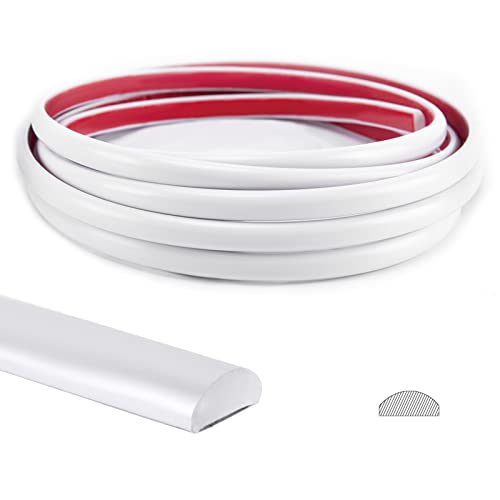
Art3d 10 ft Peel-and-Stick Tile Edge Trim

Art3d 30 ft Flexible Crown Molding Trim
The Details Behind The Selections
Stair edges take a beating, and a slick painted tread becomes a hazard the moment it gets wet. The Orechic stair nosing leans into that reality with a textured aluminum face designed to grip footwear in rain, mud, or morning dew. Each strip runs 48 inches long, and the 2-piece pack covers a full standard staircase without forcing you to splice mid-tread.
The self-adhesive backing keeps installation to a clean-and-stick job, though rough concrete or weathered wood may need a separate construction adhesive for a permanent bond. For households with kids, elders, or pets navigating the same steps twice a day, that grip texture earns its keep.
Well-Handled Touches
- Textured top face adds real friction in wet conditions
- Two 48-inch strips cover most residential staircases in one purchase
- Self-adhesive backing speeds up weekend installs
- L-shaped profile protects both the tread edge and the riser face
Points To Keep In Mind
- Adhesive may need supplemental construction glue on porous outdoor surfaces
- Black finish can show dust and water spots more visibly than lighter trims
Key Specs
Right Fit For
Homeowners with indoor or outdoor staircases who want a quick-install safety upgrade without drilling or specialty tools.
Consider Something Else When
The Art3d Peel-and-Stick Tile Edge Trim is a better match for someone focused on backsplash corners rather than stair tread protection.
Wide doorways with a noticeable height gap between rooms are where most narrow threshold strips fall short. The Jiekayi threshold solves that with a generous 4-inch width, giving it the surface area to bridge a chunky gap between, say, a tiled entry and a lower vinyl floor. The gold anodized finish reads warmer than brushed silver, so it pairs well with wood tones and brass hardware.
At 0.1 inch of height, it stays low enough to walk across barefoot, which matters in bathrooms and bedrooms. Owners commonly report that the smooth aluminum wipes clean with a damp cloth, making it a sensible choice for a mudroom that sees daily grit and salt.
Good Reasons To Consider
- 4-inch width handles wide gaps most thresholds cannot cover
- Low 0.1-inch profile avoids trip-hazard complaints
- Gold finish complements warm wood and brass fixtures
Worth Noting
- Single-piece purchase means ordering more than one for whole-home projects
- Gold tone may clash with cool-gray interiors
Made For
Anyone with a wide, uneven doorway gap who wants a low-profile, decorative aluminum strip that won’t dominate the floor.
Skip It When
The Orechic 5-Pack Black Aluminum Threshold Strip is a smarter pick if you’re installing thresholds across several rooms and prefer a darker, more neutral finish.
Not every project calls for a heavy-duty commercial strip. For a single doorway between a living room and hallway, the Orechic flat-profile threshold delivers a clean visual line without bulking up the floor. The 0.1-inch rise is so subtle most shoes glide over it without noticing, and the 2.4-inch width suits standard residential door frames.
Compared to the Jiekayi gold strip above, this one trades decorative warmth for a more modern, low-key look. The flat aluminum body works with vinyl, tile, laminate, or thin carpet edges, and the surface wipes clean with a damp cloth.
Strengths Worth Knowing
- Flat 0.1-inch profile stays out of the way of feet and robot vacuums
- Matte black finish hides scuffs better than polished trims
- Works across multiple flooring types without profile mismatch
Small Caveats
- Width tops out at 2.4 inches, so wider gaps may leave exposed flooring
- One-piece order means more frequent reorders for multi-room renovations
Feature Snapshot
Best Suited To
Homeowners fixing a single transitional gap who want a modern black strip that disappears underfoot.
Look Elsewhere When
Reach for the Randall Hammered Seam Binder in satin gold if you want decorative texture and a warmer finish at the seam.
When a doorway sees cart wheels, rolling luggage, or shop foot traffic, a thin threshold buckles within months. The Orechic thickened threshold steps in at a 5-inch width and roughly 2 mm material thickness, which is noticeably beefier than the slim strips above. Five pre-drilled mounting holes line up with the included screws and expansion tubes, so anchoring into concrete or wood stays straightforward.
You won’t want this in a quiet bedroom, but for a garage entry, a workshop doorway, or a small storefront, the extra mass translates to real longevity. Owners in shop environments report it shrugs off rolling loads that would dent a residential strip.
Where It Helps
- Thickened aluminum body resists denting from rolling loads
- Five pre-drilled holes and included hardware simplify anchoring
- 5-inch width covers large commercial-style gaps in one span
Honest Caveats
- Bulkier profile looks out of place in refined residential interiors
- Requires drilling, not a peel-and-stick install
Quick Facts
Who It Suits Best
Shop owners, garage renovators, and anyone bridging a heavy-traffic floor where a slim residential strip would dent.
Reach For A Different Pick When
The Orechic 36″ Black Aluminum Threshold Strip is the right call for a quieter interior doorway that doesn’t need commercial mass.
Some thresholds fade into the floor, and others quietly dress it up. The Randall hammered seam binder falls in the second camp, with a dimpled satin gold face that catches light in ways flat aluminum simply cannot. At 1.75 inches wide, it sits between the entry strips, narrow enough to look elegant against a hardwood-to-tile seam without overwhelming the floor pattern.
Mounting hardware ships in the box, and the pre-punched holes take the measuring guesswork out of alignment. For renovation projects where the threshold becomes part of the visual story, this one earns its place.
Benefits That Matter
- Hammered satin gold face adds subtle texture and warmth
- Pre-punched holes and included hardware speed installation
- Low profile reads as intentional design rather than utilitarian strip
Worth Bearing In Mind
- Narrow 1.75-inch width won’t bridge wide gaps between uneven floors
- Hammered texture can collect dust and may need occasional gentle cleaning
Whose Shelf It Belongs On
Design-minded renovators working on a wood-to-tile seam where the threshold doubles as a decorative accent.
A Better Fit Elsewhere
For wider gaps that need more coverage, the Jiekayi Gold Aluminum Door Threshold 36″ brings the same warm tone with a 4-inch width.
Tackling several doorways in one renovation adds up fast, and buying single strips piecemeal gets old. This 5-pack from Orechic delivers the same 36-inch flat-profile threshold from the single-piece option above, just in a quantity that covers an entire floor plan. The matte black finish keeps a consistent visual line from room to room, which matters in open layouts where thresholds catch the eye.
It is the same low 0.1-inch rise, so it plays nicely with robot vacuums and bare feet alike. Homeowners finishing a full basement or a multi-room refresh appreciate having extra strips on hand for mistakes and future repairs.
Positive Takeaways
- Five strips cover a full home’s transitional gaps in one order
- Matching finish keeps thresholds visually consistent across rooms
- Spare strips serve as handy repair replacements later on
- Low 0.1-inch height maintains a smooth floor plane
Trade Offs
- Buying five when you need two leaves unused inventory in the garage
Feature Snapshot
Perfect Match For
Whole-home renovators or new homeowners standardizing threshold strips across every doorway in a single weekend project.
Not Your Match When
The Art3d 4 ft Brown Flat Floor Transition Strip is a better option for renters or beginners who want a peel-and-stick install instead of a permanent threshold.
Not every threshold needs to be aluminum, and for low-traffic rooms, a vinyl strip does the job without the cold feel of metal underfoot. The Art3d 4-foot flat strip brings a peel-and-stick install that anyone can finish in minutes, and the brown tone blends with laminate and engineered wood floors where silver trims would stand out.
The honest read is that this is a budget-conscious solution, not a forever fixture. Renters in particular appreciate the no-residue backing when it’s time to move, and the scissors-trimmable length means no saw is required to fit a non-standard doorway.
What Pays Off
- Peel-and-stick backing removes the need for tools or adhesives
- Brown color disappears against laminate and wood-tone floors
- Scissors-trimmable length adapts to non-standard door widths
Where It May Fall Short
- Vinyl construction won’t hold up under heavy rolling loads
- Adhesive bond weakens on textured or porous subfloor surfaces
- Not a substitute for a true aluminum threshold in a commercial setting
Built With In Mind
DIY beginners and renters bridging a low-traffic seam who want a tool-free install they can reverse later.
Where Another Pick Suits Better
The Orechic 36″ Black Aluminum Threshold Strip is the stronger choice for a permanent doorway that needs metal-level durability.
Backsplash corners and tile edges are where raw cut lines show, and a clean trim piece finishes the look. The Art3d 10-foot peel-and-stick trim arrives in a long enough roll to handle a full kitchen backsplash or several bathroom corners without splicing. White pairs with most tile palettes, and the flexible PVC bends around outside corners without cracking.
It’s worth noting that this is a finishing trim, not a heavy-duty aluminum profile, so it lives best on walls rather than floors. The acrylic adhesive tape is reported to bond well to smooth, clean tile and glass, though dusty or porous walls may need a primer first.
Real-World Strengths
- 10-foot length covers most kitchen backsplashes in one continuous run
- Flexible PVC bends around outside corners without breaking
- White finish blends with classic subway tile and bright kitchens
A Few Limitations
- Adhesive may struggle on dusty drywall or textured surfaces without prep
- Not rated for floor use or wet submersion zones like shower niches
Feature Card
Who Should Grab It
Anyone finishing a kitchen or bathroom tile edge who wants a quick peel-and-stick upgrade without grouting a metal corner.
Another Choice May Suit
The Randall Hammered Seam Binder in satin gold is a better fit for a decorative floor seam where metal texture complements the design.
Crown molding intimidates a lot of DIYers, and that’s exactly where a flexible peel-and-stick trim earns its keep. The Art3d 30-foot roll wraps an entire room’s perimeter with room to spare, and the PET material bends around curves that would require coping cuts in traditional wood molding. Because it’s paintable, you can match the trim to any wall color after install.
Compared to the tile edge trim above, this one focuses on wall-to-ceiling transitions rather than backsplash corners. It works as a lightweight accent in rentals where traditional molding would require nails and putty work.
A Few Strong Suits
- 30-foot length covers a full room perimeter with leftover for accent walls
- Flexible PET bends around curves and corners without breaking
- Paintable surface accepts any wall color for custom styling
Some Limits To Know
- Not a structural crown molding replacement for high-end traditional interiors
- Peel-and-stick bond weakens on heavily textured or freshly painted walls
The Right Fit
Renters and weekend decorators wanting a paintable wall accent that adds architectural interest without permanent commitment.
Swap It Out When
The Art3d Peel-and-Stick Tile Edge Trim is the better pick for backsplash or tile corner finishing rather than wall trim.
What Matters Most Before Choosing Aluminum Tile Trims
The right trim depends less on the material itself and more on where it has to live. Floor thresholds need to handle foot traffic, rolling loads, and cleaning routines. Backsplash trims only need to look clean and resist occasional splashes. Wall moldings exist for visual impact, not durability. Before you pick a profile, measure the gap you’re covering and decide whether the trim needs to be load-bearing, decorative, or both.
Width and height deserve attention next. A strip that sits too high creates a trip hazard in a hallway, while one that’s too narrow leaves an exposed seam at the edge of your flooring. Material thickness translates directly to how the strip feels underfoot and how it holds up over years of use.
Finally, think about installation. Peel-and-stick trims make sense for renters, light-duty walls, and low-traffic doorways. Pre-drilled aluminum thresholds suit permanent installs and commercial-grade traffic. Matching the install method to your subfloor and your commitment level saves a lot of frustration on the day of the project.
Picking The Right Profile For Your Project
Match the trim to the traffic level
Bedroom and closet doorways get away with slim vinyl strips, but main entries, garage doors, and shop floors need thickened aluminum. The Orechic 36″ x 5″ Black Aluminum Threshold handles rolling loads that would buckle a residential strip, while the Art3d 4 ft Brown Flat Floor Transition Strip serves low-traffic rooms without overkill.
Consider the gap you’re bridging
Narrow seams between similar-height floors suit a 1.75-inch hammered binder or a 2.4-inch flat threshold. Wide gaps between rooms with different flooring heights call for the Jiekayi 4-inch gold threshold or a 5-inch commercial strip. Forgetting to measure the actual gap before ordering is the most common cause of a returns trip.
Key Considerations Across These Picks
Where Shoppers Go Wrong
Most first-time trim shoppers underestimate the gap they’re covering and end up with a strip that’s too narrow. Others pick a finish that clashes with their flooring within a month, then live with it. Take ten minutes to measure the gap, hold finish samples against the floor, and confirm the install method matches your subfloor before you click.
Skipping the prep is another common trap. Adhesive-backed trims fail on dusty or damp surfaces, and pre-drilled thresholds split if you skip pilot holes. A clean, dry subfloor is the cheapest upgrade you can make.
Where The Extra Money Goes
Higher-tier aluminum trims earn their keep through thicker gauge material, pre-punched hardware, and anodized finishes that resist scratches. The commercial 5-inch Orechic threshold costs more than a basic residential strip, but it survives rolling loads for years instead of denting in the first season. For main entries and shop floors, the upgrade often pays for itself in avoided replacements.
Frequently Asked Questions
What length of trim do I need for a standard doorway? A 36-inch strip covers most residential door frames. Measure the actual opening and add an inch on each side so you can trim to fit without falling short.
Can aluminum tile trims be cut to size? Yes, a hacksaw or miter saw with a metal-cutting blade handles aluminum cleanly. For vinyl and PVC trims, a sharp pair of scissors or snips works well.
Are peel-and-stick trims as strong as screwed-in ones? Peel-and-stick trims hold up in low-traffic areas and on smooth walls, but they cannot match the load-bearing strength of screwed aluminum. For floor thresholds under foot traffic, mechanical fastening is the safer choice.
Do aluminum trims rust in bathrooms or outdoor entries? Anodized or coated aluminum resists rust well in damp environments, though constant standing water can shorten the lifespan. Wiping the strip dry during routine cleaning helps it last longer.
Can I paint aluminum tile trims? Most aluminum trims accept paint with a proper bonding primer, though factory finishes are designed to resist scuffs without a topcoat. Lightly scuff the surface and use a metal-rated primer before applying your final color.
Bottom Line
The best aluminum tile trim is the one that matches your gap, your traffic level, and your install style. Heavy commercial thresholds earn their place in workshops and garage entries, while slim black or gold profiles clean up residential doorways without distracting from the floor. For backsplashes and wall accents, flexible peel-and-stick options cover the job without a contractor. Measure twice, match the profile to the room, and the right pick usually reveals itself.




