

Laying vinyl tile isn’t just about choosing a pretty pattern. The adhesive underneath decides whether your floor survives daily foot traffic, kitchen spills, or a basement’s moisture swings. Pick the wrong one and you’ll see curling edges within months, especially in rooms with temperature swings or rolling loads. Match it well and the install holds for the long haul.
This guide walks through nine products that handle different parts of the vinyl flooring workflow, from full-spread construction adhesives to peel-and-stick tiles and vinyl wall base trim. Whether you handle one weekend room or several floors a year, the picks below cover real scenarios a DIY installer actually faces.
Your Options, Compared
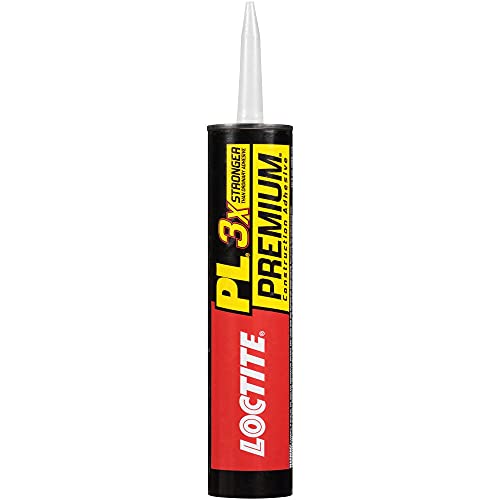
Loctite PL Premium Polyurethane Construction Adhesive 10 fl oz Cartridge

Loctite PL Premium Polyurethane Construction Adhesive 4 fl oz Squeeze Tube

FloorPops Gia Metric Coral and Blue Peel and Stick Floor Tiles 12 in x 12 in Pack of 10

d-c-fix Sticky Back Plastic TrendyLine Sonja Black 45cm x 1.5m

Loctite Power Grab Express All Purpose Construction Adhesive 9 fl oz 12 Pack

Henry 356 MultiPro Premium Carpet & Sheet Vinyl Adhesive 1 qt

DAP Weldwood Cove Base Adhesive Quart White

d-c-fix F3465015 Adhesive Vinyl Film Blackwood 200 x 90 cm

M-D Building Vinyl Wall Base Snow White 4in x 60ft
Inside Each Recommended Option
Loctite PL Premium sits in the 10 fl oz caulking-tube format, meaning you load it into a standard cartridge gun and lay down long continuous beads. Polyurethane-based formulas cure by reacting with ambient moisture, which is why this adhesive bonds aggressively to wood, concrete, stone, and metal subfloors.
For vinyl tile work, it shines on subfloor patches, transition strips, and full-spread installations where a permanent grab matters. Compared to the smaller Loctite squeeze tube reviewed below, this version handles larger floor areas without constant tube swaps.
Positive Points
- Polyurethane chemistry delivers a bond marketed as several times stronger than standard construction adhesives.
- Compatible with porous and dense surfaces, so it bonds vinyl tile to plywood, concrete patches, and masonry alike.
- Resists water once cured, which helps in kitchens, mudrooms, and below-grade rooms.
- Paintable finish lets you disguise leftover residue along baseboards and trim.
- One 10 fl oz cartridge covers roughly 30 linear feet of 1/4-inch bead, enough for a modest room’s perimeter.
Things To Consider
- Moisture-cure chemistry means the bead skins over fast once opened; plan your cuts before loading the gun.
- Cured adhesive is tough to remove from finished surfaces, so masking nearby walls and trim speeds cleanup.
Key Specs
Who It Suits Best
Homeowners handling a full-room vinyl tile install or working with mixed-material subfloors will find this cartridge a reliable workhorse.
Consider Something Else When
The Loctite Power Grab Express reviewed below suits installers who want water-based cleanup and a lighter grab on vertical trim work.
The 4 fl oz squeeze tube carries the same polyurethane formula as the larger cartridge above but in a handheld format. No caulking gun required, which makes it ideal for spot repairs, popped tile corners, and threshold patches.
It’s a strong fit for apartment dwellers or homeowners who only need a tube or two for a small laundry room or half-bath. The squeeze format reduces waste because you dispense only what the bead needs.
Positive Takeaways
- Same heavy-duty polyurethane chemistry as the 10 fl oz cartridge, just in a portable tube.
- Repositionable during the open window, which helps when aligning misbehaving tiles.
- VOC compliant for sale in all 50 states, easing concerns about indoor air quality during install.
Worth Noting
- Smaller volume means it dries faster inside the tube once opened; plan small jobs only.
- At 4 fl oz, the per-bead cost runs higher than the cartridge, so it loses value on full-room work.
- Still requires mineral spirits or mechanical removal for cured cleanup, unlike water-based formulas.
Made For
Anyone patching a handful of vinyl tiles or sealing a tricky threshold will appreciate the grab-and-go format.
Look Elsewhere When
The Henry 356 MultiPro paste adhesive suits installers laying down full rolls of sheet vinyl across a wide room.
FloorPops peel-and-stick tiles ship with the adhesive already on the back, which removes every tube and trowel from the project. The Gia Metric pattern pairs coral and blue angular shapes that read bold in small spaces.
Each pack includes ten 12 in x 12 in sheets, covering roughly 10 square feet per box. That makes a single pack perfect for a powder room floor, a closet refresh, or a kitchen backsplash-style accent strip behind a sink.
Where It Delivers
- Pre-applied adhesive backing means no extra glue purchase, no trowel, and almost no mess.
- Water-resistant vinyl surface handles splashes and routine mopping without swelling.
- Pattern can be rotated in multiple layouts, letting you repeat the design across a wall or extend it across a floor.
Points To Keep In Mind
- The pre-applied adhesive is only as strong as the surface prep; dusty or uneven subfloors cause early peeling.
- Ten tiles cover a small footprint, so larger rooms require multiple packs and careful pattern alignment.
- Not designed for full bathroom showers or submerged wet zones, so check the room’s moisture profile first.
Best Suited To
Renters, dorm decorators, and homeowners who want a no-tools floor upgrade will get the most out of these tiles.
Skip It When
The d-c-fix TrendyLine film below fits better for cabinet fronts, drawer panels, and shelf makeovers instead of floors.
This d-c-fix roll is a self-adhesive vinyl film in solid black, sold in a 45 cm x 1.5 m sheet. Grid lines printed on the backing paper make straight cuts and small rectangles easier for craft projects.
While it isn’t a flooring adhesive per se, it belongs in any vinyl flooring conversation because the same self-adhesive technology reappears on many low-cost vinyl tile backings. It also covers cabinet refacing, drawer liners, and shelf makeovers without committing to a permanent finish.
Strong Points
- Self-adhesive backing removes the need for separate glue, brushes, or rollers.
- Grid-printed liner simplifies straight cuts with a craft knife and ruler.
- Sold abroad through global storefronts, with terms that differ from domestic listings, so check carefully before ordering.
Honest Caveats
- International sourcing can mean different warranty terms and labeling from US-domestic equivalents.
- 1.5 m length runs out quickly on large cabinet refacing jobs, so plan accordingly.
Feature Snapshot
Who Will Love This
Apartment residents refreshing cabinets without losing their security deposit will appreciate the removable finish.
Swap It Out When
Loctite PL Premium makes more sense for structural subfloor patches where a permanent bond matters more than easy removal.
Power Grab Express trades the heavy polyurethane chemistry for a water-based, high-tack acrylic formula. The payoff is fast grab on vertical surfaces and easy water cleanup before the adhesive cures.
Twelve 9 fl oz cartridges give a contractor or multi-room renovator enough supply to back several flooring projects without reordering. It also bonds cement board, tile backer, and wall surfaces, which broadens its usefulness beyond floor tiles.
The Good Stuff
- Water-based chemistry cleans up with a damp rag before curing, ideal for indoor living spaces.
- Dries clear, so visible beads along tile edges or trim lines look tidy.
- High initial grab holds heavier tiles in place without prolonged bracing.
- Bulk 12-pack lowers the per-cartridge cost for frequent users.
Trade Offs
- Lower ultimate bond strength than the polyurethane Loctite PL Premium reviewed earlier.
- Water-based formulas can re-emulsify under prolonged moisture exposure, so basements need careful evaluation.
- Cured bond is less forgiving on flexible vinyl tile under rolling loads.
Right Fit For
Pros and serious DIYers handling multiple rooms or full home renovations will value the bulk supply and easy cleanup.
Reach For A Different Pick When
Loctite PL Premium in the 10 fl oz cartridge is the better call for below-grade rooms where moisture resistance matters more than cleanup ease.
Henry 356 is a paste-style adhesive designed for both carpet and sheet vinyl, sold in a 1-quart tub. MultiPro premium formulas like this one are the standard go-to for full-spread sheet vinyl installations where the trowel lays down a continuous adhesive bed.
Compared to cartridge adhesives, this product spreads across many square feet per tub, which suits contractors rolling out 12-foot sheet vinyl across a basement or large living area.
Everyday Advantages
- Multi-purpose formula bonds carpet and sheet vinyl, letting you stock one tub for several flooring types.
- Premium high-strength paste supports heavy foot traffic once cured.
- 1-quart tub offers broad coverage, reducing the number of mid-installation refills.
Things To Weigh Up
- Open time varies with humidity and room temperature, so reading the label before starting matters.
- Requires a notched trowel for proper application, which adds a tool to your kit if you don’t already own one.
Spec Overview
Perfect Match For
Installers rolling out sheet vinyl across a large basement or open-plan living area benefit most from this paste formula.
A Better Fit Elsewhere
For a small laundry-room tile patch, the Loctite PL Premium squeeze tube keeps the kit minimal and avoids trowel cleanup.
DAP Weldwood Cove Base Adhesive is a white, brush-on or trowel-on formula made specifically for bonding vinyl and rubber cove base to walls. Cove base is the soft curved strip that runs along the wall-to-floor transition.
The no-bracing claim means you can press the cove base into the bead and walk away, rather than taping or pinning it while the adhesive sets. That alone saves hours across an average room’s perimeter.
What Makes Sense
- Designed for cove base specifically, so the formula is tuned for flexible vinyl trim.
- Non-staining chemistry keeps white walls clean along the bond line.
- Spreads easily and cleans up before curing, which simplifies indoor work.
Possible Compromises
- Quart size covers roughly 80 to 100 linear feet depending on the substrate, so very large jobs need extra tubs.
- Specialized for cove base and trim, so it isn’t a general-purpose floor adhesive.
Whose Shelf It Belongs On
Finish carpenters and homeowners completing a vinyl floor with matching cove base will find this formula purpose-built for the trim step.
Where A Sibling Pick Shines
The M-D Building Products vinyl wall base below comes pre-formed in a 60-foot roll, which suits very long wall runs.
This larger d-c-fix film measures 90 cm x 2 m, doubling the working area of the Sonja roll above. The Blackwood pattern mimics a dark wood grain, which works well on furniture fronts and large drawer panels.
The film is sold through international storefronts, which can affect warranty terms and labeling compared to US-domestic listings. Confirm the listing details before ordering.
Advantages To Know
- Wider 90 cm width handles larger cabinet doors and drawer fronts with fewer seams.
- Self-adhesive backing means no extra glue or rollers for craft and furniture projects.
- 0.11 mm film thickness provides enough body to mask surface imperfections on older furniture.
Where It Is Less Suited
- International sourcing can mean a different return window or warranty process than domestic equivalents.
- 2 m length still requires careful pattern matching across wide cabinet runs.
Quick Facts
Built With In Mind
Anyone refinishing dresser drawers, cabinet doors, or a small desktop gets the most use from a wide-format vinyl film like this.
Not Your Match When
Loctite PL Premium handles structural subfloor and tile bonding that exceeds the role of decorative film.
The M-D Building Products wall base arrives as a 60-foot roll of soft vinyl cove base, 4 inches tall and finished in Snow White. This is the actual trim material that runs along the bottom of a wall, not an adhesive, but it pairs directly with the DAP Weldwood adhesive reviewed above.
Soft vinyl construction bends around gentle curves and slight wall irregularities, which rigid trim cannot do. The 60-foot length covers most single-room projects without splicing.
The Value In It
- Soft vinyl flexes around curved walls and uneven corners that rigid trim cannot follow.
- 60-foot roll covers most residential rooms in one piece.
- Snow White finish pairs with white baseboards and modern trim packages.
Room For Improvement
- Dry-back design means you supply the adhesive separately, which adds a step to the install.
- 4-inch height may feel short in rooms with taller baseboards already in place.
Feature Rundown
Who Should Grab It
Anyone finishing a vinyl tile floor with a continuous wall base will benefit from the soft vinyl flex and matching white color.
Where Another Pick Suits Better
For small accent projects, the FloorPops peel-and-stick tiles deliver a finished floor look without separate trim.
What Matters When Choosing Adhesives For Vinyl Tile Flooring
Match the Adhesive to the Vinyl Format
Vinyl tile comes in three common forms and each behaves differently with adhesive. Peel-and-stick tiles ship with backing glue already applied, so any “adhesive” decision happens at the subfloor prep stage: clean, level, and dust-free. Sheet vinyl needs a full-spread paste adhesive troweled across the subfloor before the sheet is rolled into place. Traditional vinyl composition tile (VCT) and luxury vinyl tile (LVT) with a dry back require either a hard-set or pressure-sensitive adhesive depending on traffic expectations.
Knowing the format up front saves time at the store. A peel-and-stick project doesn’t need a cartridge of Loctite PL Premium, and a full sheet vinyl install can’t be done with a 4 oz squeeze tube.
Subfloor Material Drives Compatibility
Concrete, plywood, existing vinyl, and OSB each absorb and release moisture differently. Polyurethane formulas handle concrete patches and mixed materials well, while water-based acrylics suit plywood and drywall where easy cleanup matters. Below-grade concrete benefits from a moisture-tolerant formula, and a bathroom subfloor needs water resistance once cured. Reading the adhesive’s compatible surfaces list before buying prevents a failed bond halfway through the install.
Coverage, Open Time, and Cleanup
Three numbers shape the actual install day. Coverage, usually listed in square feet per gallon or linear feet per cartridge, tells you how much to buy. Open time, the window between spreading and pressing the tile, decides whether you need to work in small sections or large rolls. Cleanup method, water versus solvent, matters for indoor air quality and for the tools you keep on hand. Picking a formula that balances all three against your project size makes the day smoother.
Bracing, Grab, and Long-Term Bond
Some adhesives hold the tile immediately (high grab), while others let you slide and reposition for several minutes. High-grab formulas save time on vertical trim but frustrate pattern alignment. Long-term bond strength varies by chemistry: polyurethane and acrylic pastes hold firm for years, while basic white PVA may soften under rolling loads. For a kitchen floor with a rolling appliance, a premium paste or polyurethane is worth the extra step.
Picking Wisely Across These Vinyl Flooring Adhesives
Common Shopping Slip Ups
The most frequent miss is buying a cartridge adhesive for a full sheet vinyl install, or a 1-quart paste for a peel-and-stick project. The other slip is skipping subfloor prep because the adhesive label promises strong grab. Dust, grease, and old adhesive residue weaken any bond, so a quick sweep and degrease before opening the tube usually decides whether the floor lasts one year or ten. A third trap is assuming all vinyl tiles are the same; LVT, VCT, and self-adhesive peel-and-stick have very different adhesive requirements, and mixing them up leads to failed corners.
Where The Extra Money Goes
Premium picks like Loctite PL Premium and Henry 356 MultiPro charge more because the chemistry handles moisture, mixed subfloors, and rolling loads that budget adhesives can’t. The upgrade pays off in basements, kitchens, and any room where the floor sees daily stress. For light-duty projects, a budget-friendly peel-and-stick tile or squeeze tube delivers the same visual result at a fraction of the cost. Spend up where traffic, moisture, or square footage justify it, and save where the room is a closet or guest bath.
Frequently Asked Questions
Do vinyl floor tiles really need separate adhesive?
Peel-and-stick vinyl tiles come with adhesive pre-applied to the back, so they don’t require additional glue. Dry-back vinyl tiles and sheet vinyl do need a separate adhesive, typically a trowel-applied paste or a cartridge-applied construction adhesive depending on the product.
Can I use any construction adhesive under vinyl tile?
Not every construction adhesive bonds well to vinyl or stays flexible enough for floor movement. Polyurethane and acrylic formulations designed for flooring work better than generic construction adhesives, which can crack or lose grip under rolling loads.
How do I prepare the subfloor before applying adhesive?
Sweep and vacuum thoroughly, then check for dust, grease, or old adhesive residue. Fill cracks and level low spots, and let any cleaning products fully dry before spreading the new adhesive. A clean, flat, dry subfloor is the single biggest factor in a long-lasting bond.
Is water-based adhesive strong enough for a bathroom floor?
Water-based acrylics work in bathrooms if the room has proper ventilation and no standing water issues. For high-moisture bathrooms, a moisture-curing polyurethane or a premium sheet vinyl paste gives a more durable bond over time.
How long does vinyl tile adhesive take to cure?
Open time for repositioning ranges from a few minutes to half an hour depending on the formula, while full cure typically takes 24 to 48 hours. Keep foot traffic and rolling loads off the new floor until the adhesive reaches full strength.
Closing Thoughts
The right adhesive for your vinyl tile project depends on the format, the room, and the subfloor beneath. Peel-and-stick tiles keep the install light, while paste and polyurethane formulas handle heavy sheet vinyl and mixed subfloors. Match the product to the room, prep the surface well, and the floor will hold up for years of daily use.




