

Whether you’re laying down new carpet tiles in a basement playroom, securing a hallway runner that refuses to behave, or bonding fabric to backing for a craft project, the right adhesive saves hours of frustration. The wrong choice leaves you with curling edges, sticky residue, or a bond that fails the moment a humid afternoon rolls through. This lineup covers the formats most people actually reach for: heavy-duty double-sided mesh tapes for flooring installations, spray adhesives for quick coverage on large surfaces, and reusable gripper stickers for keeping area rugs anchored.
A Quick View Of The Lineup

All Flooring Now Carpet Tile Tape Double Sided 2in x 90ft

3M Super 77 Multipurpose Permanent Spray Adhesive 16.75 oz

3M Super 77 CA Multipurpose Spray Adhesive 18.0 oz Can

3M Super 77 Multipurpose Spray Adhesive 13.44 oz
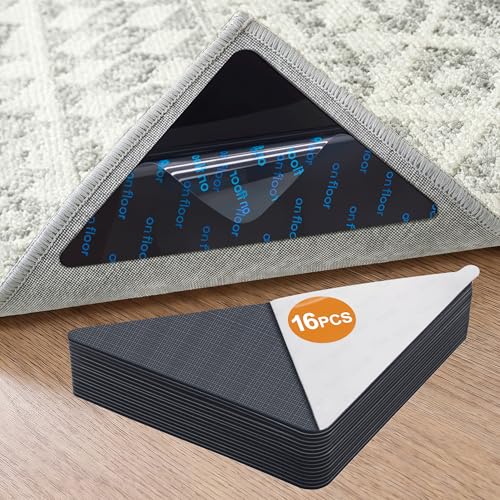
Tiergrade 16 Pcs Anti Slip Rug Tape Grippers
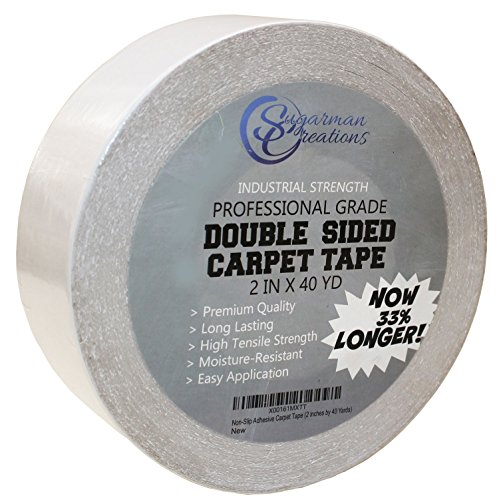
Sugarman Creations Strongest Double Sided Carpet Tape 2in x 40yd
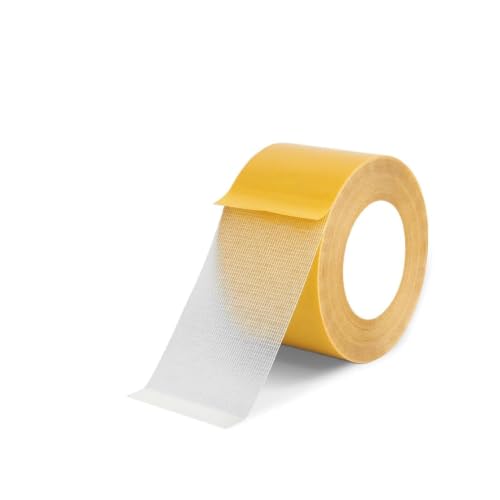
SANTIFY Heavy Duty Double Sided Fabric Mesh Tape 2in x 33ft
SANTIFY Heavy Duty Double Sided Fabric Mesh Tape 2in x 66ft
SANTIFY Heavy Duty Double Sided Fabric Mesh Tape 1.18in x 33ft
More On The Choices That Made The List
If you’re tiling out a basement, home gym, or workshop floor, this roll from All Flooring Now is the kind of tape that disappears into the job. The reinforced web mesh design (a grid of crisscrossed fibers that adds tear resistance) gives it far more backbone than a flimsy single-layer strip, and the 2-inch width lays down quickly across tile seams.
One 90-foot roll covers up to around 220 square feet, which handles most single-room projects without forcing a mid-install run to the store. The adhesive is built to grip carpet squares, vinyl, laminate, turf, and rubber, and the residue-free claim makes it friendly to renters who may need to lift everything later. Compared with the spray adhesives later in this list, it trades speed for control: you place the tape exactly where you want it, press the tile down, and walk away.
Practical Advantages
- Reinforced web mesh resists tearing during install, even on heavy commercial tiles.
- One roll covers roughly 220 square feet, enough for most single-room projects.
- Designed to release cleanly when you eventually pull it up, which renters appreciate.
- Works across carpet tiles, hardwood, vinyl, laminate, turf, and rubber mats.
- Suitable for both indoor and outdoor applications, giving you flexibility for patios and entryways.
Things To Consider
- Pressing tiles firmly into the tape is essential for full contact; skipping this step leaves corners vulnerable.
- Web mesh can fuzz slightly along cut edges, so a sharp utility blade makes cleaner seams.
At A Glance
Who It Suits Best
DIYers laying down carpet tiles in a basement, home gym, or mudroom who want a tape that grips hard but comes up clean when they move out.
Look Elsewhere When
You need to bond carpet padding to a subfloor across a large open area, where a spray adhesive like 3M Super 77 covers faster than rolling out tape.
Spray adhesives earn their keep when you have a wide, flat surface and not much patience for peeling backing off tape strips. The 3M Super 77 line has been a workshop standard for decades, and this 16.75-ounce can delivers the same permanent bond used in upholstery shops, set builders, and craft studios.
Spray pattern is broad and even, so a single pass lays down enough adhesive to bond carpet padding to plywood, attach fabric to foam, or mount insulation panels in a home studio. Compared with the All Flooring Now tape earlier, this is a faster tool for big areas but requires good ventilation and some masking discipline to keep overspray where it belongs.
Notable Gains
- Wide spray pattern speeds up coverage on large flat surfaces.
- Industrial-grade bond trusted by upholsterers and set designers for years.
- Works on carpet padding, foam, fabric, insulation, and lightweight panels.
- Permanent hold that won’t lift once fully cured.
Worth Noting
- Spray cans require good ventilation; most DIYers open a garage door or work outside.
- Overspray travels, so masking adjacent surfaces saves cleanup time later.
- Not suited for non-porous surfaces where the adhesive can’t bite into the substrate.
Made For
Upholsterers, set builders, and serious DIYers bonding carpet padding, foam, or fabric across large surface areas in a ventilated space.
Consider Something Else When
You need a temporary hold on a small area rug, where Tiergrade’s triangular grippers release cleanly without spray chemicals.
The CA version of Super 77 steps up to an 18-ounce can, which means more adhesive per purchase and fewer mid-project swaps. For anyone running a long install, like wrapping carpet around multiple stair treads or bonding padding across an oversized room, the extra volume pays off.
The formula carries the same low-VOC (low in volatile organic compounds, the chemicals that off-gas as the spray dries) profile as the smaller cans, so working indoors is more tolerable when you ventilate. Compared with the 16.75-ounce can earlier, the difference looks small on paper but matters when you’re halfway through a basement remodel and don’t want to run out.
Bright Spots
- Larger 18-ounce can reduces interruptions on multi-room installs.
- Low-VOC formula eases indoor use with proper ventilation.
- Same trusted Super 77 bond strength as the rest of the line.
- Clear-drying formula keeps overspray less visible if you catch it quickly.
Trade Offs
- Larger cans cost more upfront than smaller formats.
- Heavier to handle for overhead spraying on ceilings or stair soffits.
Right Fit For
Pros and dedicated DIYers handling multi-room carpet padding installs or large upholstery jobs where running out of adhesive mid-project is a real annoyance.
Not Your Match When
You only need a quick craft touch-up, where the smaller 3M Super 77 13.44-ounce can handles the job without the bulk.
For smaller jobs and one-off craft projects, the 13.44-ounce Super 77 can delivers the same industrial bond in a friendlier size. Hobbyists typically reach for this format because it sprays cleanly, dries fast, and doesn’t demand a major commitment of shelf space or budget.
Sticking felt to a board, mounting carpet scraps into a model, or attaching foam to a headboard panel all sit comfortably within this can’s range. The trade-off versus the 18-ounce CA version is purely volume: you simply run out sooner. For most home crafters, that’s a feature, not a bug, because half-used cans tend to clog.
What Earns Its Place
- Smaller can lowers the upfront spend for occasional users.
- Same proven Super 77 formula used in professional shops.
- Compact size stores easily on a craft shelf or in a utility drawer.
- Clear-drying spray keeps mistakes more forgiving on light-colored materials.
Minor Gripes
- Runs out faster than larger cans on bigger carpet or padding jobs.
- Can nozzle can clog if left partially used for extended periods.
Best Suited To
Home crafters, hobbyists, and DIYers tackling small upholstery, model-making, or repair projects where a full-size industrial can is overkill.
A Better Fit Elsewhere
You’re wrapping padding across a full basement floor, where the 18-ounce 3M Super 77 CA saves you from constant can swaps.
Slipping area rugs are a daily annoyance, and most renters can’t exactly nail anything down. Tiergrade’s 16-piece gripper set tackles the problem with triangular adhesive stickers that anchor the corners and edges of a rug without leaving residue on the floor below.
The grid-pattern adhesive backing increases contact area while still allowing airflow, which matters on hardwood where trapped moisture can cloud the finish. You stick one under each corner, press the rug flat, and the day’s wrestling match is over. Reusability varies based on how clean you keep the adhesive, but a quick rinse under warm water refreshes the grip on most pairs.
What Works In Its Favor
- Triangular shape maximizes contact under rug corners where slipping usually starts.
- Grid adhesive design grips hard but releases cleanly from hardwood and tile.
- Sixteen pieces handle multiple rugs around a typical apartment.
- Reusable with a simple rinse, reducing waste over time.
- Low-profile design stays hidden under rug edges.
Room For Improvement
- Works best on smooth floors; high-pile carpet underneath reduces grip significantly.
- Adhesive collects dust over time and needs occasional cleaning to maintain tack.
Quick Facts
Perfect Match For
Apartment dwellers and renters who need to anchor area rugs on hardwood or tile without damaging the floor or losing their security deposit.
Skip It When
You’re installing wall-to-wall carpet tiles, where Sugarman Creations’ heavy-duty double-sided roll handles seams that stickers can’t reach.
For permanent carpet installations, you want a tape that doesn’t apologize halfway through the year. Sugarman Creations’ 2-inch by 40-yard roll is built around an acrylic adhesive (a high-tack synthetic formula that cures to a strong, flexible bond) and a high-tension string reinforcement that keeps the strip from stretching or tearing under load.
At 120 feet, this is the longest roll in the lineup, which makes it the right choice for larger rooms or full-home projects where running out mid-installation is a real workflow killer. The laminated paper backing peels off cleanly, so you don’t fight with the release liner while trying to lay a long strip across a hallway. Compared with the All Flooring Now tape, this leans harder into the “set it and forget it” category.
A Strong Showing
- Acrylic adhesive delivers a high-tack permanent bond suited to long-term installs.
- String reinforcement resists stretching, tearing, and shifting under foot traffic.
- 120-foot length covers large rooms without mid-project roll changes.
- Easy-peel laminated backing speeds up placement.
Points To Keep In Mind
- Permanent bond is tough to remove, so plan placement carefully before pressing down.
- Heavier adhesive may lift delicate floor finishes when removed; not ideal for rental situations.
Who Should Grab It
Homeowners installing carpet in high-traffic areas like stairs, hallways, and basements who want a long-term bond that won’t shift.
Where Another Pick Suits Better
You need a residue-free hold on a surface you may want to peel later, where All Flooring Now’s reinforced mesh tape releases more cleanly.
SANTIFY’s fabric mesh tape is positioned for the odd-job end of the spectrum, the kind of project where you need a sticky strip but not a permanent floor-install solution. The acrylic gel adhesive grips hard on contact and holds up well on carpet edges, lightweight decor, and craft surfaces.
At 2 inches wide by 33 feet, this roll is sized for one or two small projects rather than full-room coverage. Compared with the heavier Sugarman Creations tape, SANTIFY trades raw holding power for easier handling and a cleaner release, which crafters usually appreciate when repositioning a piece mid-layout.
What Makes Sense
- Acrylic gel mesh holds well on carpet edges, walls, and tabletop decor.
- Smaller roll fits in a craft drawer without dominating storage space.
- Easy-tear construction lets you cut pieces without grabbing scissors.
- Works for both fixing carpet sections and mounting lightweight wall decor.
Points To Note
- Not designed for whole-room flooring installs; stick to patches and small fixes.
- May leave slight residue on porous surfaces after extended hold times.
The Right Fit
DIY crafters and homeowners handling carpet patches, small decor mounting, or quick fabric fixes around the house.
Another Choice May Suit
You need a roll long enough for a full hallway runner, where the 66-foot SANTIFY version saves a second trip to the store.
The 66-foot version of SANTIFY’s mesh tape doubles the length of the 33-foot roll while keeping the same acrylic gel adhesive and 2-inch width. For medium-sized craft layouts, classroom projects, or a hallway runner that needs more than a quick patch, this is the practical middle ground.
It handles the same range of surfaces as its shorter sibling, from carpet edges to wall decor, but the extra footage means fewer interruptions. Compared with Sugarman Creations’ 120-foot industrial roll, this sits firmly in the casual-DIY category, which is exactly the point: most households need flexibility more than maximum hold.
Everyday Advantages
- 66-foot length handles medium-sized projects without a second roll.
- Acrylic gel adhesive grips on contact across multiple surface types.
- Versatile across carpet fixing, wall decor, and craft assembly.
Honest Caveats
- Adhesive strength is moderate, not industrial; heavy foot traffic may shorten its working life.
- Mesh can fray at the cut edges if you’re working with rough cuts.
Feature Snapshot
Whose Shelf It Belongs On
Homeowners and hobbyists who tackle a mix of small repairs, craft layouts, and decor mounting and appreciate the longer roll over the 33-foot option.
Reach For A Different Pick When
You need to bond carpet padding across a subfloor, where a spray adhesive like 3M Super 77 covers large flat areas faster than tape strips.
The narrow 1.18-inch version of SANTIFY’s mesh tape is built for the small-scale jobs where a 2-inch strip is just too much. Trim work, edge sealing, and detail masking around carpet borders all benefit from a strip that hugs the line without overflowing onto the visible surface.
It carries the same acrylic gel adhesive as the wider rolls, so you give up nothing in holding power, only footprint. For crafters who piece together small layouts or homeowners who need to seal the edge of a stair tread, this narrow strip is the tidy answer.
Benefits That Matter
- 1.18-inch width handles edge sealing and trim work without excess overflow.
- Same acrylic gel adhesive as wider SANTIFY rolls.
- Compact 33-foot roll fits in small toolboxes and craft drawers.
- Useful for detail masking when spraying adhesive on adjacent surfaces.
A Few Limitations
- Too narrow for full carpet tile seam coverage; pair with a wider roll for room installs.
- Smaller width means more strips per linear foot on bigger patches.
Built With In Mind
Detail-oriented crafters and homeowners handling stair edging, trim work, or small repairs where a narrow strip lays down cleaner than a wider one.
Swap It Out When
You need full tile seam coverage across a room, where the wider 2-inch SANTIFY or All Flooring Now rolls cover seams in a single pass.
What To Match Between Tape And Task
The first decision is format. Double-sided mesh tapes suit discrete seams, edges, and tile installs where you want control over exactly where the adhesive lands. Spray adhesives make sense on wide, flat surfaces like carpet padding, foam boards, and fabric panels, where rolling out tape would slow you down. Reusable grippers solve a different problem entirely: keeping a loose area rug from sliding without committing to a permanent bond.
Surface compatibility matters as much as format. Acrylic-based tapes and sprays typically grip best on porous or slightly textured surfaces, including plywood subfloors, carpet backing, and concrete. For finished hardwood or vinyl plank, residue-free mesh tapes and rug grippers protect the floor finish and release cleanly when you want them gone. Always clean the substrate before application: dust and grime cut bond strength more than most people realize.
Consider the working environment. Spray adhesives need ventilation, a drop cloth, and a willingness to mask adjacent surfaces. Tape installs are quieter, less messy, and easier to undo if you misplace a strip. Humidity and temperature both influence cure time, so plan the work for a dry day when the adhesive can set without interference.
Where Shoppers Go Wrong And When To Pay More
Mistakes Worth Dodging
The most common error is buying a permanent adhesive for a temporary situation. A high-tack acrylic tape will outlast its welcome in a rental apartment, where security deposits depend on clean floors. Matching the adhesive to your timeline (temporary versus permanent) saves both cleanup and regret.
Another slip-up is underestimating coverage. A 90-foot roll of 2-inch tape sounds like a lot until you’re halfway through a basement, so measure the room first and add 10 to 15 percent for waste, mis-cuts, and the inevitable strip you lay wrong on the first try. For spray adhesives, overestimate too: a can that looks half-full rarely covers half a project.
The Upgrade Payoff
Higher-tier picks earn their keep through length, adhesive chemistry, and residue behavior. Sugarman Creations’ 120-foot roll replaces two shorter rolls on a large project, which matters when consistency of adhesive across the floor is the goal. Industrial acrylic formulas hold longer under foot traffic and temperature swings than economy alternatives, and residue-free mesh constructions protect finished floors during removal.
The upgrade is worth it for permanent installs, high-traffic areas, and projects where a mid-project adhesive failure would mean tearing everything up and starting over. For occasional craft use or single-room patches, the mid-range options deliver more than enough hold.
Frequently Asked Questions
What type of adhesive works best for carpet tiles?
Double-sided reinforced mesh tape is the most popular choice for carpet tile seams because it lays flat, grips both the tile and the subfloor, and releases cleanly when you eventually replace the tile. Spray adhesives work for full-coverage padding bonds but are harder to control along seams.
Can carpet tape be used on hardwood floors without damaging the finish?
Residue-free mesh tapes and reusable rug grippers are designed specifically to release from finished hardwood and tile without lifting the surface. Permanent acrylic tapes can damage delicate finishes when removed, so check the product description carefully before applying.
How long does spray adhesive take to dry on carpet?
Most spray adhesives become tacky within 30 seconds to a few minutes, depending on humidity and how heavily the adhesive was applied. Full cure typically takes 24 hours, so avoid heavy foot traffic on the bonded carpet for the first day.
Is double-sided carpet tape safe for outdoor use?
Some reinforced mesh tapes are rated for both indoor and outdoor applications, including patios and entry mats. Exposure to direct sunlight and standing water can shorten the working life of any adhesive, so check the manufacturer’s surface guidance before installing outdoors.
How do I remove carpet adhesive residue from a floor?
Residue usually softens with warm water and a mild citrus-based cleaner, followed by gentle scraping with a plastic putty knife. Avoid metal scrapers on finished floors, and test any solvent in an inconspicuous spot before treating the full stain.
Bottom Line
The right adhesive depends less on brand and more on the job at hand. Tile seams call for reinforced mesh tape, large flat surfaces favor spray, and loose rugs need reusable grippers. Match the format to your surface, the bond strength to your timeline, and your project will stay put long after you walk away.




