A working sump pump is the quiet reason basements stay dry, and a water powered backup sump pump is the insurance policy that keeps water moving when everything else fails. Power outages hit hardest during the storms that drive water into the sump pit in the first place, so a system that doesn’t rely on the grid earns its place fast.
The lineup below mixes primary submersible pumps, battery backup inverters, and a couple of sewage-rated workhorses. Each option covers a different scenario: everyday flood control, outage protection, heavy-duty solids handling, or a budget second pump sitting in reserve.
A Closer Look At The Lineup

WAYNE CDU800 1/2 HP Submersible Sump Pump (5,100 GPH)

OLTEANP 2500W Sump Pump Battery Backup System
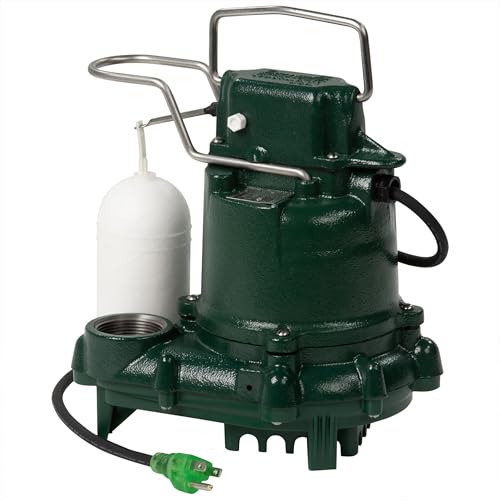
Zoeller M53 Mighty-mate Submersible Sump Pump (1/3 HP)

VIOPUMPO 2500W Sump Pump Backup Battery System

Zoeller M98 Flow-Mate Sump Pump (1/2 HP)

OLTEANP 2000W Sump Pump Battery Backup System

OLTEANP 1500W Sump Pump Battery Backup System
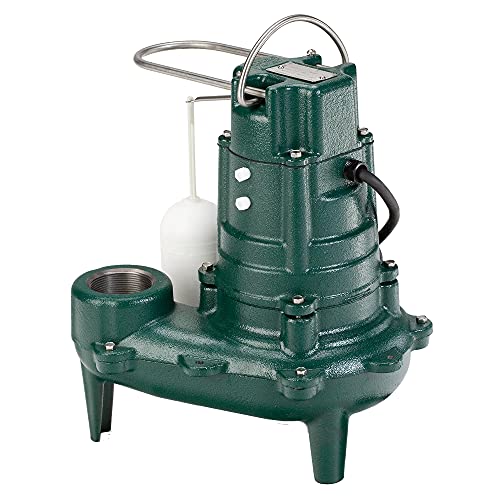
Zoeller Waste-Mate 267-0001 Sewage Pump (1/2 HP)
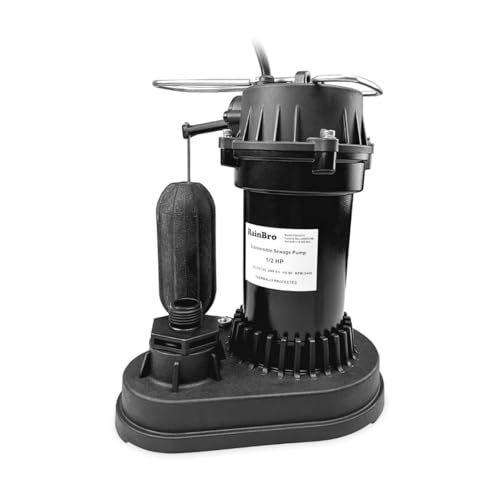
Rainbro 1/2 HP Thermoplastic Submersible Sump Pump

XtremepowerUS 1/2 HP 3800 GPH Submersible Sump Pump
The Strengths Of Each Pick
The WAYNE CDU800 sits at the top of the list because it handles the worst days without flinching. Its 1/2 HP motor pushes up to 5,100 gallons per hour, which is enough capacity to drain a flooded pit faster than most storms fill it. The cast iron body paired with corrosion-resistant steel hardware is built for years of submersion in mineral-heavy groundwater.
A vertical float switch tested to one million cycles gives long-term dependability, and the top-suction design cuts down on the air lock headaches that plague cheaper pumps. Homeowners in regions with heavy spring runoff or high water tables are the clear fit, since this unit chews through inflow that would stall smaller picks later in the lineup.
The Upside
- 5,100 GPH output handles serious inflow events
- Cast iron and steel build shrugs off corrosive groundwater
- Vertical float tested to a million cycles for long service life
- Top-suction design keeps debris from fouling the impeller
- Backed by a three-year manufacturer warranty
Worth Noting
- Cast iron adds weight, so lifting it out for cleaning is a two-handed job
- No weep hole needed, but the pit still needs a clean cover to keep float travel clear
Key Specs
Best Suited To
Homeowners in high water table regions who need a primary pump that won’t quit during peak runoff.
Consider Something Else When
You need an outage-only backup rather than a primary workhorse, in which case the OLTEANP 2500W Battery Backup System handles that job.
The OLTEANP 2500W unit fills the gap when the grid goes dark. It’s a pure sine wave inverter, meaning the AC output mimics utility power closely enough to run sensitive pump motors without that annoying hum you get from modified sine units. The 25A fast charger also refills a connected deep cycle battery quickly between storms.
An auto transfer switch handles the handoff the instant power drops, so your primary pump keeps running without any manual restart. The LCD remote gives you a status readout from inside the living space. Finished basements in storm-prone areas benefit most, since a single outage during a hurricane can dump thousands of gallons without backup power in place.
Notable Gains
- 2500W rating covers most 1/2 HP primary pumps with margin to spare
- Pure sine wave output protects pump motor electronics
- 25A fast charging shortens downtime between backup cycles
- Auto transfer switch engages without manual intervention
Trade Offs
- Deep cycle battery is sold separately, adding to the total install cost
- Wiring setup requires basic electrical comfort or a professional install
Made For
Homeowners with finished basements in hurricane or storm-heavy regions who can’t afford a single missed cycle.
Look Elsewhere When
You only run a compact 1/3 HP pump on a small pit, in which case the OLTEANP 1500W unit is the leaner fit.
The Zoeller M53 has a decades-long reputation for simply working. Its cast iron switch case, motor, and pump housing pair with a vortex impeller that pushes debris through rather than catching it. The 1/3 HP rating is enough muscle for typical residential sump pits without overworking in tight basins.
A float-activated switch starts and stops the pump automatically, and the plastic base keeps the unit stable on the pit floor. This pick suits owners who want a long-serving primary in a small to mid-size pit, particularly where groundwater carries fine sediment. Compared to the WAYNE CDU800 above, it offers less raw flow, but trades that for compact sizing and a quieter install footprint.
Positive Takeaways
- Vortex impeller resists clogging from grit and small debris
- Full cast iron housing on motor and switch case for longevity
- Compact footprint fits narrow sump basins where bigger pumps won’t sit
- Automatic float switch simplifies install with no separate control box
Points To Note
- 1/3 HP output is modest compared to 1/2 HP units on this list
- No power indicator on the plug, so checking status means looking at the basin
Who It Suits Best
Homeowners with smaller sump pits who value cast iron durability over peak gallons-per-hour numbers.
Reach For A Different Pick When
Your pit sees heavy inflow during storms, where the Zoeller M98 Flow-Mate delivers more muscle with the same build philosophy.
The VIOPUMPO 2500W backup system positions itself as a professional-grade inverter for whole-basement outage defense. Pure sine wave output protects pump motors, and the LCD remote control surfaces battery state and load draw without crawling down to the basement corner.
Automatic switching to battery power kicks in the instant grid power fails, then transfers back when service returns. Owners running 1/2 HP primary pumps on high-flow basins are the target audience, since this unit delivers enough wattage headroom to keep heavy-duty pumps cycling. It runs parallel to the OLTEANP 2500W option above, with a similar spec sheet and a different housing.
A Few Highlights
- 2500W continuous output handles demanding primary pumps
- Pure sine wave AC for clean, motor-friendly power delivery
- Automatic transfer switch for seamless grid-to-battery handoff
- LCD remote keeps status visible from the main living level
Honest Caveats
- Battery is not included, so budget for a deep cycle unit separately
- Unit size requires a dedicated mounting spot near the sump
Right Fit For
Owners with high-capacity primary pumps who want serious outage headroom in storm country.
Swap It Out When
You only run a smaller 1/3 HP pump, where the OLTEANP 1500W Battery Backup System is a more proportionate match.
The Zoeller M98 Flow-Mate takes the M53’s cast iron DNA and scales it up. A 1/2 HP oil-filled motor lives inside a cast iron housing, with a vortex impeller designed to chew through stringy debris without jamming. The integrated LED power plug gives instant visual confirmation that the unit is energized, which is a small but useful touch during a storm at 2 a.m.
Stainless steel hardware fights corrosion in mineral-heavy water, and factory testing means each unit is run before it ships. This pump earns its place in pits that see the occasional chunk of gravel or root intrusion, situations where less robust impellers would stall. Compared to the WAYNE CDU800, it matches the horsepower while trading some flow for that bulletproof Zoeller build.
Positive Points
- Vortex impeller passes solids that would clog standard designs
- Oil-filled motor runs cooler under continuous duty cycles
- LED power plug confirms energization at a glance
- Cast iron housing with stainless steel hardware for corrosion resistance
- Factory tested before shipping for verified out-of-box operation
Things To Consider
- Heavier than thermoplastic pumps, so handling takes effort
- Higher upfront cost than basic 1/2 HP alternatives
Who Should Grab It
Homeowners with debris-prone sump pits who want a Zoeller-grade primary that handles solids without complaint.
A Better Fit Elsewhere
You need outage-only protection rather than a primary pump, where the VIOPUMPO 2500W Battery Backup System takes over during grid failures.
The OLTEANP 2000W sits in the middle of the brand’s backup lineup. Pure sine wave output keeps pump motors happy, the 25A charger tops off deep cycle batteries quickly, and the LCD remote gives a clean status readout. The auto transfer switch fires without any manual button press.
This unit pairs naturally with a standard 1/2 HP primary pump like the WAYNE CDU800 above, providing enough wattage overhead without paying for capacity you won’t use. Mid-size basements with moderate storm exposure are the sweet spot, since the 2000W rating covers typical cycling loads comfortably.
Where It Helps
- 2000W output covers standard 1/2 HP primaries with margin
- Pure sine wave inverter for clean motor operation
- 25A fast charger minimizes downtime between cycles
- LCD remote surfaces key system status indoors
Points To Keep In Mind
- Battery purchase is separate from the inverter unit
- Wiring requires care, so many owners use an electrician for the install
Feature Snapshot
Perfect Match For
Homeowners with a 1/2 HP primary pump who want a balanced backup without overpaying for unused wattage.
Where Another Pick Suits Better
You need serious wattage headroom for a high-flow primary, where the OLTEANP 2500W unit gives you more room to breathe.
The OLTEANP 1500W fills the smaller-pump end of the backup lineup. Pure sine wave output, 25A fast charging, auto transfer switch, and the same LCD remote as its bigger siblings. The lower wattage cap means it’s matched to smaller 1/3 HP pumps rather than high-flow primaries.
Owners running something like the Zoeller M53 above benefit most from this pairing, since the wattage lines up with what those pumps actually pull under load. Smaller basements, condo sump pits, and seasonal homes with modest drainage needs are the natural fit.
The Practical Payoff
- 1500W output sized for compact 1/3 HP pumps
- Pure sine wave AC for motor-friendly operation
- 25A charger handles deep cycle refill quickly
- Auto transfer switch reacts without any user input
Minor Gripes
- Limited headroom for higher-draw primary pumps
- Battery and inverter ship separately, so plan for the extra purchase
Built With In Mind
Homeowners with compact 1/3 HP pumps on smaller pits who need budget-friendly outage coverage.
Another Choice May Suit
Your primary pump is a high-flow 1/2 HP unit, where the OLTEANP 2000W gives you more usable capacity.
The Zoeller Waste-Mate isn’t a typical sump pump, it’s a sewage ejector pump. The difference matters: sewage pumps handle solids up to 2 inches in diameter, while standard sump pumps choke on anything thicker than gravel. That makes this unit the right answer for basement bathrooms, laundry drains, or sewage basins where chunks of waste show up regularly.
A non-clogging vortex impeller and a 2-pole mechanical switch keep operation predictable. The cast iron housing meets ASTM Class 25 standards, meaning it’s the same heavy-duty build found on commercial-grade equipment. Compared to the Zoeller M98 Flow-Mate above, it shares the cast iron DNA but swaps clean-water optimization for solids handling.
Real Benefits
- Passes 2-inch spherical solids without clogging
- ASTM Class 25 cast iron housing for serious durability
- Non-clogging vortex impeller handles stringy waste
- Suitable for both residential and commercial sewage basins
Softer Spots
- Overkill for clean groundwater, where a standard sump pump does the job for less
- Requires a sewage-rated basin with proper venting
Quick Facts
Whose Shelf It Belongs On
Homeowners with basement bathrooms or sewage ejector basins where solids-handling is the daily reality.
Skip It When
Your basin only collects clean groundwater runoff, where the Zoeller M98 Flow-Mate handles clean-water duty at lower cost.
The Rainbro PSU051V takes a different approach than the cast iron picks above. Its thermoplastic body keeps the weight down, which makes it easier to pull out of the pit when maintenance time comes around. The 1/2 HP motor still moves up to 3,600 GPH, and a vertical float switch handles automatic cycling.
The 10-foot cord gives flexibility on pit placement, and the 22-foot maximum immersion depth handles deeper basins. This is a sensible secondary pump to keep on the shelf as a backup, or a primary in pits where lifting weight is a real concern for the homeowner doing the install. Compared to the WAYNE CDU800, you trade cast iron durability for lighter handling.
What Works In Its Favor
- Thermoplastic housing cuts weight for easier handling
- 3,600 GPH output for a 1/2 HP pump in this class
- 22-foot max immersion depth handles deeper basins
- 10-foot power cord for flexible placement
- Vertical float switch for automatic operation
Small Caveats
- Thermoplastic body doesn’t dissipate heat as well as cast iron
- Lower peak flow than heavier 1/2 HP cast iron options
Spec Overview
Made For
Homeowners who want a lightweight secondary pump on the shelf or who struggle with the weight of cast iron units.
Not Your Match When
Your sump pit runs hot with continuous cycling, where the Zoeller M98 Flow-Mate’s oil-filled motor manages heat better.
The XtremepowerUS rounds out the list with an aluminum-bodied pump that installs in roughly 15 minutes. The epoxy-coated aluminum housing keeps things light, while the thermoplastic vortex impeller and top-suction design minimize the clogging and air lock issues that frustrate new sump pump owners.
The vertical float switch turns the unit on at roughly 9 inches of water and off again below 2 inches, so cycling stays predictable. A 10-foot cord and 115V standard plug make this a true drop-in install for most basements. It fits well as a backup to a higher-end primary, or as a primary in low-flow residential pits where easy handling matters more than extreme durability.
Noteworthy Benefits
- Lightweight aluminum housing simplifies install and removal
- Top-suction design prevents air lock without drilling a weep hole
- Quick three-step setup gets the pump running fast
- 3,800 GPH flow with 30-foot max lift capacity
- Thermal overload protection on the copper motor
Where It May Fall Short
- Aluminum housing doesn’t dissipate heat as effectively as cast iron under heavy continuous loads
- Less proven long-term track record compared to legacy Zoeller and Wayne models
Who Should Grab It
Homeowners who want a backup pump that’s quick to install and easy to lift out for seasonal inspection.
Reach For A Different Pick When
You need a heavy-duty primary pump for long daily duty cycles, where the WAYNE CDU800 handles continuous load better.
What To Weigh Before Buying A Water Powered Backup Sump Pump
Choosing the right unit starts with the type of water you’re moving. Clean groundwater from a standard sump pit calls for a primary submersible like the WAYNE CDU800 or Zoeller M98. Sewage basins with solids need a sewage-rated pump such as the Zoeller Waste-Mate. Mixing those roles usually ends with a clogged impeller and a wet basement.
Power source is the next fork in the road. Submersible pumps depend on grid power, so pairing them with a battery backup inverter (OLTEANP or VIOPUMPO) covers outage scenarios. Homeowners in regions with frequent summer storms benefit most from that pairing, while those in areas with stable power can skip the inverter entirely.
Materials matter for longevity. Cast iron housings last longer in corrosive groundwater but weigh more. Thermoplastic and aluminum options stay lighter and easier to handle, with the trade-off of slightly shorter service lives under continuous duty. For pits with heavy sediment, vortex impellers clear debris better than standard designs.
Key Considerations Across These Picks
Pitfalls Shoppers Hit
The most common mistake is sizing by horsepower alone without matching GPH output to actual inflow. A 1/2 HP pump that moves 3,600 GPH handles a typical residential pit, but heavy spring thaw or high water table conditions can push inflow past that rate. Another frequent slip is skipping a battery backup on a primary pump in storm country. Power outages almost always coincide with the storms that drive water into basements.
What Separates Premium From Basic
Higher-tier models justify their cost through build materials, impeller design, and warranty length. Cast iron housings, oil-filled motors, and vortex impellers all add years of service life over thermoplastic budget units. Pure sine wave inverters cost more than modified sine alternatives but protect pump motors from the electrical noise that shortens bearing life. For a basement that sees heavy use, those upgrades pay back through fewer replacements over a decade.