

A wet basement is one of those problems you don’t think about until water is creeping across the floor. Heavy spring rain, rapid snowmelt, or a high water table can turn a finished rec room into a swimming pool in a single afternoon, and a reliable sump pump is the kind of appliance you only appreciate once you actually need one. The picks below cover dedicated basement installs, portable utility models for emergency floods, and heavy-duty sewage options, so you can match the right pump to your pit size, debris load, and how often your basement sees standing water.
A Fast Comparison Of The Options

WAYNE CDU800 1/2 HP Submersible Sump Pump
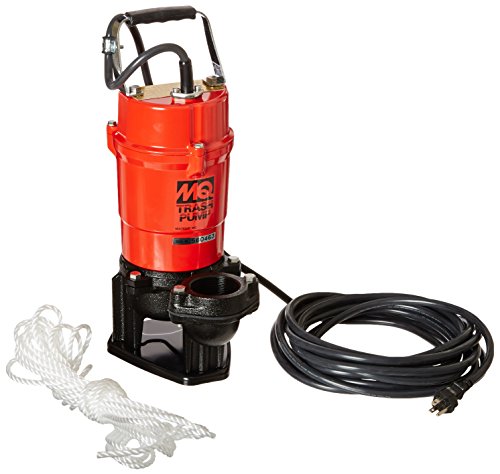
Multiquip ST2040T Electric Submersible Trash Pump
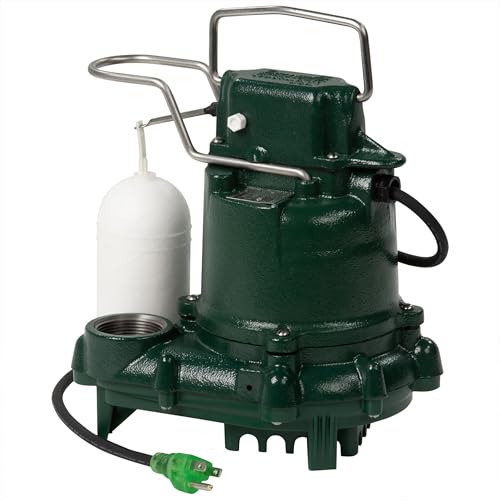
Zoeller M53 Mighty-mate Submersible Sump Pump

Zoeller M98 Flow-Mate Sump Pump 1/2 HP

Submersible Sump Pump 1HP 5000GPH Portable
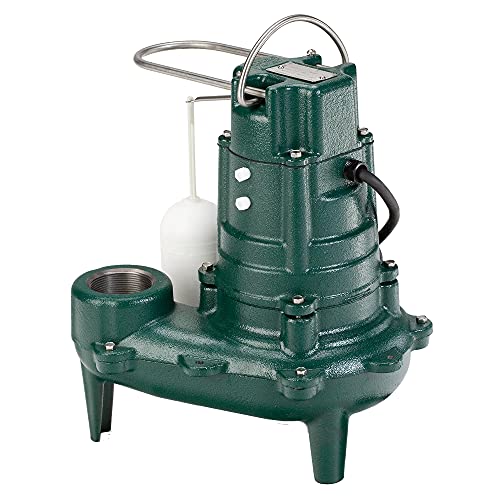
Zoeller Waste-Mate 267-0001 Sewage Pump

Submersible Sump Pump 5000GPH with 25FT Hose Kit

Submersible Sump Pump 2500GPH with 25FT Hose Kit

JACKEL SF22A-DR Drilled Sump Basin 18″ x 24″

Submersible Sump Pump 1/2HP 2500GPH Portable
More Details On Our Top Picks
The WAYNE CDU800 is the kind of pump most basements end up needing: a 1/2 horsepower cast iron and stainless steel submersible rated to move up to 5,100 gallons per hour. That’s serious throughput for a residential pit, and it translates into real margin when a summer thunderstorm dumps on already-saturated soil. Compared to the smaller Zoeller M53 below, this one is built for homes where the sump runs often, not occasionally.
Vertical float switches are the part that wears out first on many budget pumps, and the CDU800’s switch is rated to one million cycles, which is the kind of detail that quietly matters after a few flood seasons. The top suction design pulls water in from above the base, which helps reduce air locks and the typical “suck air, stop, restart” hiccup you sometimes see in shallow pits.
The Case For It
- 5,100 GPH output handles heavy inflow during multi-day rain events without bogging down.
- Cast iron and stainless steel construction resists corrosion in constantly wet sump environments.
- Vertical float tested to a million cycles gives long automatic-run reliability.
- Top suction inlet reduces air lock and the need to drill a weep hole.
- Three-year warranty covers the motor against defects that cheaper pumps often develop early.
Things To Consider
- Heavier than plastic utility pumps, so pulling it out for annual cleaning takes a bit more effort.
- 1/2 HP draws more power than smaller models, which matters on shared basement circuits.
- Not designed to pass large solids, so it belongs in a sump pit, not a sewage ejector application.
Key Specs
Made For
Homeowners with active sump pits in regions that see heavy spring rain or rapid snowmelt and want a pump they can leave installed year-round.
Consider Something Else When
Basements that handle sewage-style solids should reach for the Zoeller Waste-Mate 267-0001 instead, since the CDU800 is built for clear water duty.
The Multiquip ST2040T leans into a different problem than the WAYNE above. Rather than living in a sump pit year-round, it’s a portable 1 HP trash pump designed for jobsites, flooded basements with debris, and contractor-grade dewatering. The cast iron housing and abrasion-resistant cast iron impeller handle up to 1-inch solids, which is a notable step up from typical clear-water sump pumps.
Where it really earns its keep is in messy conditions: muddy water, sandy water, water with gravel or small debris. For a homeowner, that means it’s overkill for a clean sump pit but very useful when a sump basin fills with silt or a basement flood carries in sediment.
Real Benefits
- 1 HP motor moves up to 79 GPM for fast emptying of flooded rooms or pits.
- Cast iron impeller and housing handle abrasive water far better than plastic pumps.
- Internal thermal overload protection helps prevent motor burnout during long runs.
- 2-inch suction and discharge match standard contractor hoses for quick setup.
Honest Caveats
- Passes solids up to about 1 inch, not the 2-inch solids a true sewage pump like the Zoeller Waste-Mate handles.
- Portable trash pumps typically lack a built-in float for unattended automatic operation.
- Industrial-grade build means it costs more than most residential submersibles in this list.
Right Fit For
Homeowners or contractors who need a portable pump for occasional flooding with debris, jobsite dewatering, or moving muddy water fast.
Look Elsewhere When
You want a set-and-forget automatic sump pump, in which case the WAYNE CDU800 or Zoeller M98 is a better daily fit.
Zoeller’s M53 Mighty-mate is the smaller sibling of the M98 further down the list, and it’s a sensible choice when your sump pit doesn’t see enough water to justify a 1/2 HP motor. At 1/3 HP, it still uses a cast iron switch case, motor housing, and pump housing, with a plastic base to keep weight and cost down.
The non-clogging vortex impeller design helps move water with small debris without binding up, which matters in older basements where some sediment inevitably ends up in the pit. It’s a “set it and forget it” model in the truest sense, well suited to homes with low-to-moderate groundwater intrusion.
Useful Highlights
- Compact 1/3 HP footprint fits pits where larger 1/2 HP pumps won’t lower fully.
- Cast iron motor and switch case for long service life in submerged conditions.
- Float-activated switch runs automatically without manual monitoring.
- Vortex impeller design resists clogging from typical sump sediment.
Points To Note
- Lower flow rate than 1/2 HP models, so it can struggle in homes with very high water tables.
- Not built to pass large solids, so it isn’t a substitute for a sewage ejector pump.
- Plastic base means lifting it out for cleaning requires some care around the corners.
Feature Snapshot
Best Suited To
Owners of small-to-mid-size sump pits who want a proven cast iron pump without the cost or current draw of a 1/2 HP model.
Skip It When
You deal with heavy inflow or a high water table, where the higher-flow Zoeller M98 Flow-Mate is the smarter upgrade.
The Zoeller M98 Flow-Mate is the model many homeowners upgrade to after a budget pump fails them mid-storm. It’s a 1/2 HP submersible with an oil-filled motor in a cast iron housing, stainless steel hardware, and a factory-tested vortex impeller designed for higher flow. Compared to the WAYNE CDU800 above, the M98 trades some maximum GPH for more diagnostic touches.
The standout detail is the LED power plug. At a glance you can confirm the pump is actually receiving power, which sounds trivial until you troubleshoot a “broken” pump only to find a tripped GFCI. The 9-foot power cord also makes reaching the nearest outlet easier in tight pit installations.
Why It Works Well
- Oil-filled motor runs cooler and tends to last longer than air-filled equivalents under heavy use.
- LED power plug gives instant visual confirmation that the pump has electricity.
- Vortex impeller and stainless hardware resist corrosion in wet, mineral-heavy water.
- Factory-tested build reduces the chance of receiving a unit with a defect.
Soft Spots
- Priced higher than most 1/2 HP residential pumps, which may be hard to justify for occasional-use basements.
- Heavier than compact plastic models, so handling during installation is a two-person job.
- Not rated for sewage solids, so it needs a clear-water sump pit or basin.
Feature Rundown
Whose Shelf It Belongs On
Owners who want a longer-service sump pump and value diagnostic features like the LED plug over maximum raw flow.
Swap It Out When
You mainly need fast, high-volume water removal for emergencies, where a portable 5000 GPH utility pump might serve you better.
This 1 HP portable from the 6699 line is built for people who want one pump that pulls double duty. It’s not a permanent basement install like the WAYNE CDU800 above, but it moves up to 5,000 gallons per hour and runs off a standard household outlet, so it can clear a flooded basement, drain a hot tub, or empty a rain-swollen pond in a single afternoon.
The smart detail is the adjustable base switch. Sliding it into low water level mode lets you drain a puddle down to almost nothing, which is exactly the moment most pumps give up and leave you with a mop job anyway.
The Good Stuff
- 5,000 GPH at 1 HP gives serious throughput for emergency basement floods.
- Adjustable base lets you drain water down to a very shallow level.
- Hi-impact corrosion-resistant plastic keeps weight low for portable use.
- Works for pools, ponds, hot tubs, and flooded rooms, not just sump pits.
Worth Noting
- Plastic construction won’t outlast cast iron pumps under permanent submersion.
- Not a true automatic sump pump, so it requires manual placement and monitoring.
- Will need a discharge hose purchased separately if you don’t already own one.
Quick Facts
Perfect Match For
Homeowners who want one pump they can grab for a flooded basement, hot tub, or pond rather than a dedicated install.
Reach For A Different Pick When
You need unattended automatic operation in a sump pit, where a hardwired Zoeller M98 or WAYNE CDU800 is the right tool.
The Zoeller Waste-Mate 267-0001 sits in a different category than the rest of the list. It’s a 1/2 HP automatic sewage and effluent pump designed to handle solids up to 2 inches in diameter, which is well beyond what a normal sump pump is rated to pass. In homes with a basement bathroom, laundry drain below grade, or sewage ejector basin, this is the pump doing the actual heavy lifting.
The build is genuinely heavy-duty: ASTM Class 25 cast iron for the switch case, motor housing, and pump housing. Compared to the Zoeller M98 Flow-Mate above, this model trades high-flow clear-water capability for the ability to push solids through the impeller without jamming.
Benefits That Matter
- Passes 2-inch spherical solids, so it handles sewage and effluent, not just groundwater.
- Cast iron construction throughout for long service in harsh, solids-laden water.
- Non-clogging vortex impeller keeps moving even when debris shows up.
- Float-operated 2-pole mechanical switch gives reliable automatic operation.
Trade Offs
- Overkill for a standard clear-water sump pit, so don’t pick it for that purpose.
- Heavier than typical sump pumps and harder to install without help.
- Typically needs a sewage ejector basin and vented plumbing, not a basic sump pit.
Who It Suits Best
Homeowners with basement bathrooms, below-grade laundry rooms, or sewage ejector basins who need a pump rated for solids.
A Better Fit Elsewhere
Standard basement groundwater control without solids is the territory of the WAYNE CDU800 or Zoeller M98.
This kit version of the 1 HP portable includes the 25-foot discharge hose, which is the part most people forget to buy separately until the pump shows up and they’re stuck. At 5,000 GPH with a 1-1/2 inch outlet, it’s set up to handle a flooded basement right out of the box, no extra shopping trip required.
The hi-impact plastic body keeps the total weight manageable for one person, and the adjustable base switch lets you drain down to a very shallow puddle. For emergency prep, this is the model most people should keep in a garage or closet.
A Few Strong Suits
- Comes with a 25-foot discharge hose so it’s flood-ready the day it arrives.
- 5,000 GPH moves serious water fast for emergency basement flooding.
- Adjustable base reaches very low water levels for near-complete draining.
- Portable enough to grab and deploy during a sudden rain event.
Less-Strong Areas
- Plastic housing won’t tolerate permanent install the way cast iron pumps will.
- No automatic float switch, so it requires manual placement and watching.
- Performs best on temporary jobs, not as a daily-running sump pit solution.
Feature Rundown
Who Should Grab It
Anyone preparing an emergency kit for flooding, sump failures, or storm-season surprises who wants a turnkey solution with hose included.
Not Your Match When
You need a permanently installed automatic sump pump, which is the job of the Zoeller M53 Mighty-mate or WAYNE CDU800.
The 1/2 HP sibling to the kit above trades flow rate for a lighter motor and easier handling. At 2,500 GPH it’s roughly half the throughput, but for a typical residential basement flood a few inches deep, that’s still plenty of capacity to clear the room in well under an hour.
The same hi-impact plastic build and adjustable base switch carry over, so you get the same low-level draining mode and corrosion resistance in a lighter package. If the 1 HP version above feels like more pump than your situation needs, this is the friendlier middle ground.
Strengths Worth Knowing
- 25-foot hose included for immediate flood response out of the box.
- 2,500 GPH is enough for most basement flood scenarios.
- Lighter 1/2 HP motor is easier to carry and position by hand.
- Adjustable base drains water down to a very shallow level.
Where It Is Less Suited
- Slower than the 1 HP version when facing a serious flood several feet deep.
- No automatic float switch for unattended sump pit operation.
- Plastic housing is fine for portable jobs but not for permanent installation.
Built With In Mind
Homeowners who want a flood emergency pump on hand without overspending on 1 HP capacity they may rarely use.
Where A Sibling Pick Shines
The 5000GPH hose kit higher in the list is the right upgrade for properties with deeper or more frequent flooding.
The JACKEL SF22A-DR isn’t a pump at all, but it earns its spot because the best pump in the world does nothing without a proper pit to sit in. This 18-inch diameter by 24-inch tall structural foam basin comes pre-drilled with 48 holes for groundwater collection, so you skip the step of drilling them yourself in the right pattern.
Compared to makeshift buckets or contractor-tub installs, this is a purpose-built basin with reinforced non-corrosive inserts, a single-piece molded body, and a reinforced bottom that won’t flex under the weight of a cast iron pump like the WAYNE CDU800. It’s the foundation a real sump system needs.
Key Advantages
- Pre-drilled with 48 factory holes for immediate groundwater collection.
- Structural foam injection molded construction is light but strong.
- Glass-filled nylon encapsulated inserts resist corrosion from constant water contact.
- Single-piece molded body improves durability over assembled alternatives.
Practical Considerations
- Requires digging and plumbing work, so it’s not a quick-fix purchase.
- 18-inch diameter may not fit in tight crawl spaces or shallow excavations.
- You’ll still need a cover and a pump, neither of which is included.
The Right Fit
Homeowners building a new sump system or replacing a cracked, undersized basin who want a drilled, ready-to-install pit.
Reach For A Different Pick When
You only need the pump itself and already have a serviceable basin in place, in which case any of the Zoeller or WAYNE pumps above will do the job.
This is the no-hose, lighter-duty version of the two 6699 kit pumps above, and it’s the right pick for smaller puddles and quick response jobs. The 1/2 HP motor and 2,500 GPH flow handle things like a hot tub drain, a leaking water heater, or a shallow basement puddle with room to spare.
Because it shares the same adjustable low-level base switch as the other 6699 models, you can drain water down to almost nothing instead of leaving a wet film. For a small property or as a backup to a permanent sump pump, this fills an obvious gap.
What Pays Off
- Light 1/2 HP build is easy to lift and position by one person.
- 2,500 GPH clears moderate basement flooding quickly.
- Adjustable base drains puddles to nearly dry.
- Multi-use design works for pools, ponds, hot tubs, and flooded rooms.
Possible Compromises
- Discharge hose not included, so you’ll need to buy one separately.
- Manual operation only, no automatic float for unattended sump duty.
- Plastic housing is fine for portable work but not for permanent submerged install.
Who Will Love This
Owners of small properties, hot tubs, or pools who want a grab-and-go pump for occasional water removal without the size or cost of larger utility models.
Another Choice May Suit
Homes needing faster emergency response should pick the 1 HP, hose-included kit version higher up in this list.
What To Think About Before Choosing A Sump Pump
Sump pumps fall into two main worlds: permanent automatic models that live in a pit and turn themselves on when water rises, and portable utility pumps you drop into a flood when something has already gone wrong. Permanent pumps use a float switch, a small lever that bobs up with rising water and triggers the motor, while portable models rely on you to place them and watch them. Choosing the wrong type usually means buying both eventually, so it’s worth being honest about which scenario matches your home.
Matching Pump Size To Your Basement
The right horsepower and flow rate depend on how much water actually shows up in your pit. Most homes with moderate groundwater do well with a 1/3 HP pump, while active pits with a high water table benefit from 1/2 HP. Heavy rainfall regions or finished basements with expensive contents often justify moving up to higher-flow models.
Solids Handling And Pump Type
Clear-water sump pumps can’t pass solids larger than small sediment, which is fine for typical groundwater. If your system also handles laundry drainage or a basement bathroom, you need a sewage ejector pump like the Zoeller Waste-Mate that’s rated for 2-inch solids. Picking the wrong category is the fastest way to clog an impeller.
Build Materials And Longevity
Cast iron motors and housings dissipate heat better than plastic and tend to last longer under permanent submersion. Plastic utility pumps are lighter and cheaper, which makes them ideal for portable or seasonal use. Where the pump lives determines which material makes more sense.
Installation And Backup Considerations
Most sump pumps need a check valve to stop water from flowing back into the pit, a proper discharge line run outside, and a GFCI-protected outlet. For finished basements, a battery backup or secondary pump is often the difference between a damp carpet and a five-figure repair.
Key Considerations Across These Picks
Common Shopping Slip Ups
The biggest mistake is sizing a pump by horsepower alone without checking actual flow at the required discharge height. Pumps lose flow as they push water higher, so a 5,000 GPH rating at zero feet can drop to a fraction of that at 10 feet of vertical lift. Also, skipping the basin quality, like using a cracked bucket instead of a proper drilled sump basin, undermines even the best pump.
What The Higher Tier Buys
Premium pumps like the Zoeller M98 Flow-Mate or WAYNE CDU800 pay for better motors, oil-filled housings, and corrosion-resistant hardware that hold up to years of constant submersion. You also get features like LED power plugs and tested float switches that simplify troubleshooting. For a primary, always-on basement pump, the upgrade usually pays for itself the first time a cheaper model fails mid-storm.
Frequently Asked Questions
How Often Should A Sump Pump Run In Normal Weather?
A healthy sump pump in a typical basement cycles a few times a day or only after rain. Constant running every few minutes usually signals a high water table, an undersized pump, or a check valve problem worth investigating before the motor burns out.
Can One Sump Pump Handle A Finished Basement?
For a finished basement with carpet, drywall, and electronics, one reliable automatic pump is the baseline, not the whole plan. Most homeowners in flood-prone areas add a battery backup or a secondary pump to keep coverage during power outages, which are the moments basements actually flood.
What’s The Difference Between A Sump Pump And A Sewage Ejector?
A sump pump handles clear groundwater from a perimeter drain and pushes it outside. A sewage ejector handles wastewater from basement plumbing, including solids, and pumps it up to the main sewer line. Using a sump pump for sewage clogs the impeller and risks a very unpleasant backup.
How Long Do Sump Pumps Typically Last?
Most quality submersible sump pumps last somewhere around seven to ten years with reasonable care, though units in active pits can wear sooner. Annual cleaning, testing the float switch, and replacing the check valve when needed all extend service life meaningfully.
Do I Need A Battery Backup For My Sump Pump?
Storm season often brings power outages at the worst possible time, and a sump pump without power is just a hole in the floor. A battery backup or water-powered backup keeps the pit drained through the exact hours your primary pump can’t run, which is when basement damage actually happens.
Bottom Line
The right sump pump depends less on horsepower charts and more on what your basement actually does during a storm. Homes with active groundwater intrusion benefit from a permanent cast iron model like the WAYNE CDU800 or Zoeller M98, while households that mainly need emergency response are well served by a portable 5000 GPH kit. For sewage and basement bathroom setups, the Zoeller Waste-Mate handles solids that ordinary sump pumps can’t touch. Match the pump type to the water problem, and the basement stays dry through the kind of weather you’d rather not think about.




