

Water in the basement is one of those problems you can’t afford to ignore, especially after a long rainy stretch or a fast snowmelt. A reliable pump turns a slow seep into a non-event and keeps storage, framing, and finished space protected. This roundup focuses on submersible sump pumps built for real residential and light commercial duty, the kind homeowners, contractors, and property managers reach for season after season.
The Main Contenders

WAYNE CDU800 1/2 HP Submersible Sump Pump (Cast Iron)
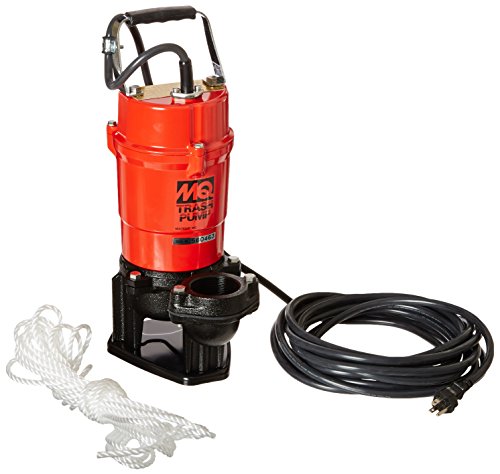
Multiquip ST2040T Electric Submersible Trash Pump 1 HP
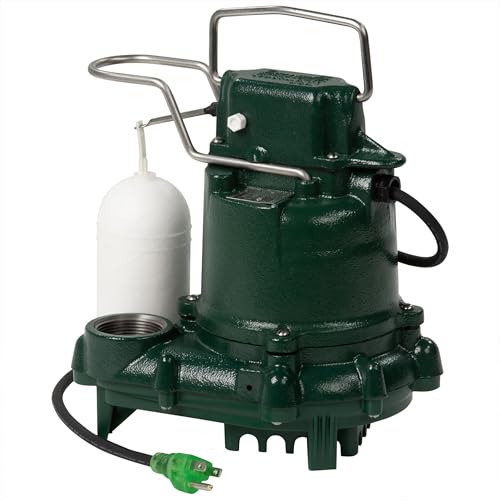
Zoeller M53 Mighty-mate Submersible Sump Pump, 1/3 HP

Zoeller M98 Flow-Mate 1/2 HP Cast Iron Sump Pump (115V)

Tsurumi LB-480 Submersible Dewatering Pump 2/3 HP
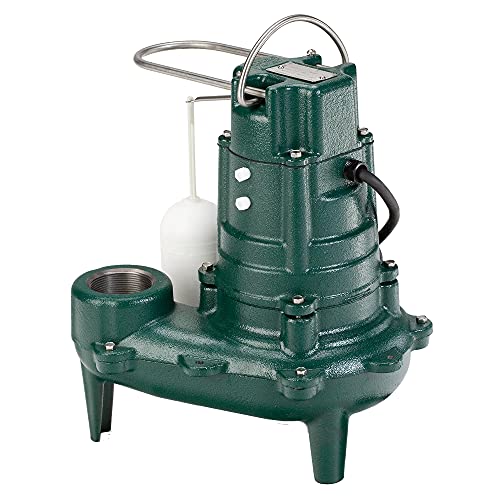
Zoeller Waste-Mate 267-0001 Sewage Pump 1/2 HP

AQUASTRONG 1 HP Sump Pump 4500 GPH

Aquastrong 1/2 HP Thermoplastic Utility Pump 3159 GPH
Aquastrong 1/2 HP Utility Pump with Float Switch (3159 GPH)

Aquastrong 1/2 HP Automatic Sump Pump 3159 GPH
A Breakdown Of The Leading Choices
The Wayne CDU800 is the kind of workhorse you’d spec into a new build and forget about for years. Its 1/2 HP motor moves water at a claimed rate of 5,100 gallons per hour, which is plenty of headroom for a basement sump during a multi-day storm. The cast iron housing paired with stainless steel hardware gives it the heavy, planted feel you want sitting in a pit.
Compared with the smaller Zoeller M53 below, this is a noticeably more powerful unit, aimed at higher head heights and faster recoveries. Wayne tests the vertical float switch to one million cycles, suggesting the auto-start function won’t give out on you mid-season.
What Stands Out
- 5,100 GPH flow rate handles heavy inflow and deep basins with margin to spare.
- Cast iron and stainless steel construction resists corrosion in damp pit environments.
- Top-suction design reduces clogging from floating debris without needing a weep hole.
- Vertical float rated for one million cycles supports long-term automatic operation.
- 3-year warranty gives meaningful coverage for a critical piece of equipment.
Things To Consider
- The motor size and cast iron weight make installation a two-person job.
- It’s overkill for small pits with minimal water entry.
Key Specs
Made For
Homeowners with mid-sized sump pits in regions that see heavy rain or rapid snowmelt.
Skip It When
You should pass on this and grab the Zoeller M53 instead if your basin only sees light trickle flow and you want a smaller, lighter unit.
The Multiquip ST2040T trades the quiet residential feel for jobsite muscle. A 1 HP single-phase motor pushes up to 79 gallons per minute, and the cast iron impeller with a neoprene rubber overlay chews through solids up to about an inch across. This is a dewatering pump first, a household sump pump second.
Where the Wayne CDU800 above is built for clean basement water, the ST2040T is engineered for muddy pits, pond overflow, and footings. The dual shaft seals and thermal overload protection hint at a machine meant to run hard without cooking itself.
The Practical Payoff
- Handles dirty water with small solids, useful for excavation and pond work.
- 79 GPM output clears flooded areas quickly.
- Cast iron housing and abrasion-resistant impeller suit commercial duty cycles.
- 2-inch ports accept standard dewatering hose.
- Carrying handle aids transport between sites.
Worth Noting
- It’s heavier and louder than residential sump pumps.
- Not designed as a permanent basement installation.
- Requires a power source that can handle the startup draw.
Best Suited To
Contractors and homeowners managing construction dewatering, pond draining, or flood cleanup with debris-laden water.
Consider Something Else When
Look at the WAYNE CDU800 instead if your goal is a permanent, set-and-forget basement sump pump rather than portable dewatering.
The Zoeller M53 Mighty-mate is a long-running favorite for basement sumps where water entry is modest and reliability matters more than raw flow. Its 1/3 HP motor sits in a cast iron housing, and a non-clogging vortex impeller design keeps debris moving without jamming.
It runs quieter and lighter than the Wayne CDU800 above, which makes it easier to install in tight sump lids. The plastic base keeps the footprint stable while letting the heavy components do their job underneath.
The Value In It
- Cast iron motor housing for serious durability in a smaller package.
- Vortex impeller reduces clogging from stray debris.
- Compact size fits common residential sump basins.
- Float-activated automatic operation with no manual cycling.
Trade Offs
- Lower flow than 1/2 HP units, so recovery takes longer in heavy inflow.
- Plastic base may need occasional cleaning where sediment collects.
Who Should Grab It
Homeowners replacing an aging 1/3 HP sump pump who want a proven cast iron model in a standard residential pit.
Look Elsewhere When
The Zoeller M98 Flow-Mate is a stronger match if your basin fills aggressively or your discharge run climbs more than a few feet vertically.
The Zoeller M98 Flow-Mate steps up from the M53 with an oil-filled motor that runs cooler under sustained load. The integrated LED power plug is a small touch that pays off big during troubleshooting: a glance tells you whether the outlet is hot.
Stainless steel hardware and a vortex impeller round out a build aimed at homeowners who don’t want to revisit the sump pit anytime soon. Where the Wayne CDU800 above focuses on brute flow, the M98 leans into thermal management and diagnostic clarity.
Key Advantages
- Oil-filled motor dissipates heat better for long-run reliability.
- LED power plug confirms outlet status without a multimeter.
- Stainless steel fasteners resist corrosion in damp pits.
- Vortex impeller handles stray solids without jamming.
- Factory-tested before shipping, so a quiet install is the expected outcome.
Honest Caveats
- Higher cost than basic 1/2 HP sump pumps.
- Cast iron weight makes handling a bit awkward during install.
Feature Snapshot
Perfect Match For
Homeowners who want a long-service-life cast iron sump pump and value diagnostic features like the LED plug.
Not Your Match When
Choose the AQUASTRONG 1 HP 4500 GPH if you need maximum flow and don’t need the permanent-install refinements of the Zoeller.
The Tsurumi LB-480 takes a different angle from the residential Zoellers above. Its slimline body slides into an 8-inch caisson, which is a tight fit that rules out many larger submersibles. The 2/3 HP motor moves up to 63 gallons per minute, and the urethane impeller is built for wear.
A 32-foot cord gives it serious reach around job sites without an extension. Where the Multiquip ST2040T is a workhorse trash pump, the LB-480 is more of a dewatering specialist with a long service history in construction.
What Pays Off
- Slimline body fits 8-inch caissons where bigger pumps won’t go.
- 2/3 HP motor balances power with manageable size.
- 32-foot cord reaches distant outlets on construction sites.
- Urethane impeller resists abrasion from sediment-laden water.
- 63 GPM output drains sumps fast.
Points To Keep In Mind
- Designed for dewatering, not permanent residential sump duty.
- Higher price than basic utility pumps.
The Right Fit
Contractors and serious DIYers who need a slim, durable pump for tight pits, footings, and excavation work.
A Better Fit Elsewhere
The Zoeller M53 makes more sense if your project is a permanent basement sump rather than a temporary dewatering job.
The Zoeller Waste-Mate 267-0001 is a different tool than the clean-water pumps above. It’s engineered for sewage and effluent pits where 2-inch spherical solids are part of the deal. The 1/2 HP motor drives a non-clogging vortex impeller through an ASTM Class 25 cast iron housing.
The two-pole mechanical switch handles the heavier on-off duty that sewage applications demand. For most residential basements, the M53 or M98 above is plenty, but where solids are part of the water, this is the right category.
Well-Handled Touches
- Passes 2-inch spherical solids, ideal for sewage and effluent.
- ASTM Class 25 cast iron housing for serious durability.
- Non-clogging vortex impeller design handles waste water.
- Two-pole mechanical switch rated for heavy cycling.
- Float-operated automatic operation.
Things To Consider
- Not a substitute for a standard sump pump in clean-water pits.
- Cast iron weight requires careful handling during install.
- Premium pricing reflects the heavy-duty build.
Quick Facts
Who Will Love This
Property owners with sewage basins, septic lift stations, or effluent systems that need a true sewage-rated pump.
Skip It When
The WAYNE CDU800 is the right tool if your pit only collects clean groundwater, since sewage-rated pumps are overkill for clean-water duty.
The AQUASTRONG 1 HP is the highest-flow pump in this roundup, with a claimed 4,500 GPH at a 5-foot lift and 30 feet of vertical lift headroom. The bottom-suction design pulls water down to about a fifth of an inch from the surface, which is helpful when you want a pit drained to the floor.
Unlike the Wayne CDU800 above, this unit is more of a portable utility pump with a plug-in, plug-out design rather than a permanent float-driven basement install. For emergency water removal, hot tub draining, or flood response, that flexibility is the point.
A Favorable Mix
- 4,500 GPH output is among the strongest in this lineup.
- 30-foot vertical lift handles tall discharge runs.
- Bottom suction drains water to roughly a fifth of an inch from the surface.
- Handles up to 1/5-inch solids, fine for typical basement debris.
- Plug-to-play operation with no float wiring to figure out.
Soft Spots
- Lacks an automatic float switch, so it won’t run unattended.
- Thermoplastic body is lighter than cast iron, which can be a stability consideration.
Whose Shelf It Belongs On
Homeowners who want a high-flow utility pump for emergencies, hot tub draining, or heavy occasional floods.
Swap It Out When
The Zoeller M98 Flow-Mate is the better long-term basement sump choice since it’s a permanent-install pump with automatic operation.
The Aquastrong 1/2 HP thermoplastic pump trades cast iron weight for portability. At 3,159 GPH and a 26-foot vertical lift, it covers most pool, pond, and window well jobs without breaking your back on the way out to the yard.
The 10-foot power cord is a practical length for typical outdoor outlets. Where the AQUASTRONG 1 HP above is the high-flow choice, this smaller sibling focuses on easy carrying and quick deployment.
What It Does Well
- Lightweight thermoplastic body is easy to carry between projects.
- 3,159 GPH handles most household water removal tasks.
- 10-foot power cord reaches outdoor outlets without an extension.
- Bottom suction clears water down to about a fifth of an inch.
- Plug-to-play operation with no controls to learn.
Points To Note
- Thermoplastic is less rugged than the cast iron Zoellers.
- No automatic float, so it’s a manual-operation pump.
Spec Overview
Who It Suits Best
Homeowners who need a portable pump for seasonal pool opening, pond maintenance, or window well emergencies.
Another Choice May Suit
The Aquastrong 1/2 HP with float switch is the better match when you want automatic unattended operation.
The Aquastrong 1/2 HP with float switch takes the same 3,159 GPH platform as the unit above and adds an adjustable tether float. That small change turns a manual pump into something that can run unattended in a sump or pool cover situation.
The tether lets you set the on and off points by adjusting the cord length, which is useful in shallow basins where a fixed short-cycle float would chatter. For most homeowners, that flexibility beats wrestling with a manual switch during a storm.
Reasons It Performs
- Adjustable tether float lets you tune on and off points to the basin.
- 3,159 GPH handles typical basement and pool work.
- Lock-to-on mode for continuous duty when needed.
- 26-foot vertical lift covers most discharge runs.
- Handles up to 1/5-inch solids for typical debris.
Where It May Fall Short
- Thermoplastic construction is lighter duty than the cast iron options.
- Tether floats can occasionally snag on pit geometry, depending on install.
Built With In Mind
Households that want a mid-flow automatic pump without committing to a heavy cast iron permanent installation.
Reach For A Different Pick When
The Zoeller M98 Flow-Mate is the stronger choice if you want a true permanent basement sump pump with oil-filled motor durability.
The Aquastrong 1/2 HP Automatic uses an electronic sensor instead of a mechanical float. Six adjustable starting levels, from one inch to five inches, give you fine control over when the pump kicks in. It shuts down at about 0.4 inches, draining the pit lower than most float-driven pumps.
Where the Aquastrong with float switch above relies on a tether, this model relies on sensors that don’t snag on pit geometry. For tight or oddly shaped basins, that’s a meaningful upgrade.
Standout Benefits
- Electronic sensor replaces a mechanical float, which can be more reliable in tight pits.
- Six adjustable trigger levels from 1 to 5 inches.
- Shuts off at 0.4 inches for very low residual water.
- 3,159 GPH output keeps pace with mid-range residential inflow.
- 26-foot vertical lift handles most discharge configurations.
Honest Caveats
- Sensor-based switches can be more sensitive to debris than mechanical floats.
- Thermoplastic body is lighter than the cast iron Zoellers.
Feature Card
Perfect Match For
Tech-forward homeowners with tight or shallow sump pits where a low shutoff and adjustable triggers make a real difference.
Not Your Match When
The WAYNE CDU800 is the right call if you prefer the time-tested vertical float approach and want a cast iron build.
What To Weigh Before Choosing a Sump Pump
Match The Pump To The Pit
The right pump starts with your basin. Measure the diameter, depth, and the typical high water level. A pump that cycles every 30 seconds in a small pit will burn out faster than one that runs every few minutes. For standard residential sumps, 1/3 to 1/2 HP covers most situations, while heavy inflow or tall discharge runs may justify stepping up to 1 HP. The Zoeller M53 above suits modest pits, the Wayne CDU800 covers larger basins, and the AQUASTRONG 1 HP steps in for emergencies and aggressive inflow.
Flow Rate, Lift Head, And Solids Handling
Flow rate tells you how fast water moves at a given lift, and lift head tells you how high the pump can push it. A 5-foot lift is a useful baseline, and most quality submersibles specify their GPH at that point. For discharge runs that climb more than 10 feet, you need a pump with stronger lift head, like the Zoeller M98 or the AQUASTRONG models above. Solids handling matters too: clean groundwater pits can use any of these, but sewage pits need a vortex impeller that passes 2-inch solids, like the Zoeller Waste-Mate.
Switch Type And Operating Style
Switch style shapes how a pump behaves day to day. Vertical floats (Wayne CDU800) are simple and field-proven. Tether floats (Aquastrong float-switch model) let you tune activation points. Electronic sensors (Aquastrong automatic) give adjustable trigger levels and very low shutoff, useful in tight basins. Each has trade-offs in debris tolerance, snag risk, and serviceability, so match the switch to your pit geometry and your tolerance for fine-tuning.
Build Material And Service Life
Cast iron pumps like the Zoeller M98 and Waste-Mate are heavier, cooler-running, and built for long-term permanent installs. Thermoplastic pumps like the Aquastrong units are lighter, easier to carry, and well suited to portable or occasional use. For a basement sump that runs year-round, cast iron is the more durable choice. For a utility pump you drag out twice a year, thermoplastic is plenty.
Smart Considerations Before You Pick
Pitfalls Shoppers Hit
Choosing a pump purely by horsepower is a common slip up. A 1 HP unit in a small basin short-cycles and wears faster than a well-matched 1/3 HP pump. Ignoring vertical lift head is another trap: a pump rated at 4,000 GPH at zero lift may deliver half that at 15 feet of rise. Skipping the solids-handling spec is the third classic mistake, and it ends with a clogged impeller the first time a piece of gravel finds its way into the pit.
Where The Extra Money Goes
Premium picks like the Zoeller M98 Flow-Mate and the Waste-Mate command higher prices for build quality, oil-filled motors, and diagnostic touches like the LED plug. Those features translate into longer service life, easier troubleshooting, and fewer return trips to the pit. If your sump runs year-round and a failure means real water damage, the upgrade pays for itself. For occasional utility work, a thermoplastic Aquastrong gives you 90 percent of the capability at a friendlier cost.
Frequently Asked Questions
How long do submersible sump pumps typically last?
Most cast iron residential sump pumps last 7 to 10 years with average use, and longer with annual cleaning and checkups on the float switch. Thermoplastic utility pumps like the Aquastrong models above tend to run 3 to 5 years under regular residential conditions.
What size sump pump do most basements need?
A 1/3 HP pump handles modest groundwater seepage in a typical 18-inch diameter basin. A 1/2 HP unit is a safer all-around choice for most homes, especially with a higher water table or a sump that runs often. The Wayne CDU800 and Zoeller M98 above cover most households comfortably.
Can one sump pump handle sewage and clean water?
A sewage-rated pump like the Zoeller Waste-Mate can move clean water, but a clean-water sump pump cannot reliably pass sewage solids. Match the pump to the application, and keep a sewage pump in effluent pits and a standard sump pump in clean groundwater pits.
How often should a sump pump cycle during heavy rain?
A healthy residential sump pump should cycle roughly every 2 to 5 minutes during active inflow. Faster cycling suggests the pump is oversized for the basin, while very slow cycling with rising water may mean the pump is undersized or the discharge is partially blocked.
Do submersible sump pumps need a backup?
For finished basements or homes with frequent power outages, a battery backup or water-powered backup pump is a smart addition. The primary pump handles normal duty, and the backup covers storm-related power loss when the sump is most likely to flood.
Bottom Line
A good submersible sump pump is less about chasing the highest spec sheet and more about matching motor size, flow, lift, and switch style to your specific pit and climate. Cast iron picks like the Wayne CDU800 and Zoeller M98 are the right foundation for permanent basement installs, while the Aquastrong family covers portable and automatic needs at lighter weight and friendlier cost. Start with your basin, then choose the pump that fits it, not the one with the loudest spec sheet.




