

A septic system doesn’t forgive weak pumps. When solids, grease, and effluent start backing up, you need a motor that can chew through it without choking. Whether you’re maintaining a home system, draining a flooded basement, or replacing a workhorse that’s finally given up, the right submersible pump saves you from a very bad day. This list covers ten solid options built for the messy reality of wastewater, septic duty, and high-flow dewatering, with cast iron for the long haul and lighter thermoplastic bodies for occasional cleanup jobs.
A Quick View Of The Lineup

WAYNE CDU800 1/2 HP Submersible Sump Pump
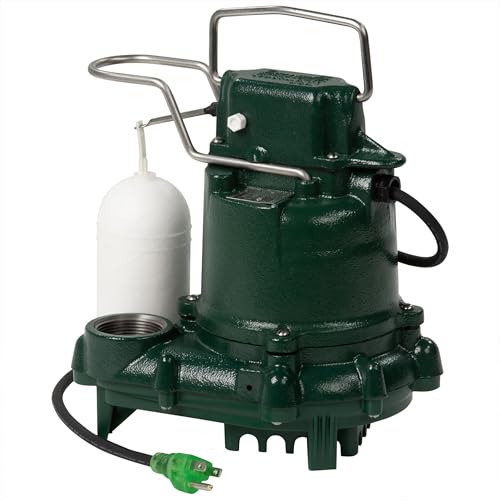
Zoeller M53 Mighty-mate Submersible Sump Pump

Zoeller M98 Flow-Mate Sump Pump 1/2 HP
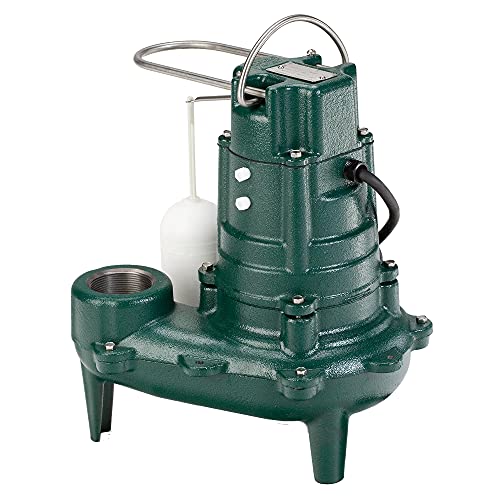
Zoeller Waste-Mate 267-0001 Sewage Pump
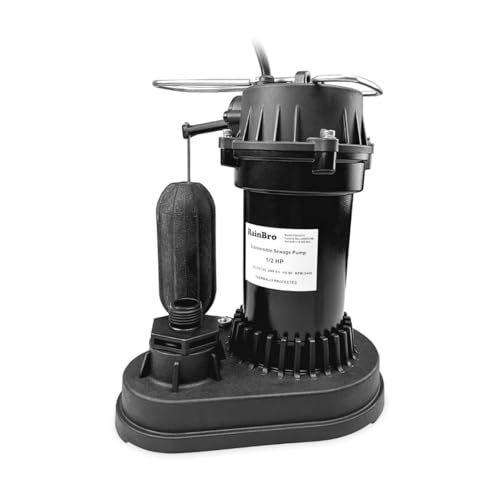
Rainbro 1/2 HP Thermoplastic Submersible Sump Pump

AQUASTRONG 1 HP Sump Pump 4500 GPH

Aquastrong 1/2 HP Submersible Utility Pump
Aquastrong 1/2 HP Utility Pump with Float Switch

Aquastrong 1/2 HP Automatic Sump Pump

Sewage Water Pump 7000GPH 1.5HP
Why These Options Stand Out
The WAYNE CDU800 earns its place at the top through sheer reliability. A 1/2 HP motor pushes up to 5,100 gallons per hour, which translates to roughly 85 gallons moving every minute when conditions are right. For most homeowners dealing with spring thaw or summer storms, that’s more than enough headroom to stay ahead of a rising sump pit.
The cast iron body paired with corrosion-resistant steel hardware is built to sit in a basin for years without complaint. The vertical float switch has been tested to a million cycles, meaning the on-and-off triggering won’t wear out before the motor does. Top-suction design also keeps debris from grabbing hold, so you won’t be fishing objects out of the intake every few months.
Strengths Worth Knowing
- 5,100 GPH flow rate handles heavy rain events and rapid snowmelt without falling behind
- Cast iron and stainless steel construction resists corrosion in constantly wet basin environments
- Vertical float switch tested to one million cycles for long-term automatic operation
- Top-suction intake design reduces clogging and prevents air lock issues
- Backed by a three-year warranty for added peace of mind
Points To Note
- The 1/2 HP motor draws meaningful power, so a dedicated GFCI outlet is recommended
- Heavier cast iron build makes installation a two-person job in deep pits
Feature Snapshot
Whose Basement It Belongs On
Homeowners with finished basements in regions that see heavy seasonal rainfall will appreciate the high flow and long service life.
A Better Fit Elsewhere
The Aquastrong 1/2 HP Automatic Sump Pump suits smaller pits where a smarter electronic sensor matters more than raw cast iron weight.
The Zoeller M53 is the quiet veteran of the sump pump world. At 1/3 HP it’s lighter on power than the WAYNE above, yet the cast iron switch case, motor housing, and pump body deliver the kind of longevity that turns first-time buyers into lifelong brand loyalists. The non-clogging vortex impeller design means fewer trips to the basement with a wrench.
A float-activated switch keeps operation automatic, and the molded plastic base offers a stable footing in narrower basins. For modest residential setups where the water table rises gently rather than violently, this pump runs cool, quiet, and reliable for years on end.
Practical Advantages
- Cast iron motor, switch case, and pump housing for long-term durability
- Non-clogging vortex impeller reduces maintenance interruptions
- Float-activated automatic switch runs without manual intervention
Trade Offs
- 1/3 HP motor may struggle in basins that fill rapidly during storms
- Lacks the heavy-duty output needed for commercial sewage applications
- No detailed solids-handling rating compared to true sewage pumps
Right Fit For
Owners of modestly sized residential sump basins who prioritize quiet, long-term reliability over maximum flow rate will find this pump a faithful companion.
Consider Something Else When
The Zoeller Waste-Mate 267-0001 is the smarter call for homes where the pump must pass solid waste, not just clear water.
The M98 takes everything the M53 does well and pushes it harder. A 1/2 HP oil-filled motor wrapped in cast iron runs cooler under load, meaning longer continuous-duty cycles when the water keeps coming. The 9-foot cord ends in an LED power plug, a small but meaningful upgrade that lets you verify power delivery at a glance without cracking open the junction box.
The snap-action float switch makes installation painless, and stainless steel hardware keeps corrosion from claiming the fasteners. Compared to the WAYNE CDU800 covered earlier, this pump trades raw flow capacity for thermal headroom and diagnostic clarity.
Where It Delivers
- LED power plug confirms electrical supply at a glance during troubleshooting
- Oil-filled motor housing with cast iron body dissipates heat efficiently
- Snap-action float switch simplifies setup and ensures consistent cycling
- Stainless steel hardware resists corrosion in submerged operation
- Factory-tested build quality for dependable out-of-box performance
Honest Caveats
- Higher cost than basic thermoplastic alternatives in the same class
- 9-foot cord may require an extension in deeper or offset basins
Core Details
Made For
DIY homeowners who want commercial-grade diagnostics and prefer to verify their own equipment health without calling a service tech.
Swap It Out When
The WAYNE CDU800 is the better value for shoppers who care less about LED diagnostics and more about maximum flow capacity.
The Waste-Mate is where this list pivots from clear-water sump pumps into true sewage duty. Built to pass 2-inch spherical solids, this 1/2 HP automatic pump handles what most residential systems would choke on: fibrous waste, debris, and the occasional unmentionable that finds its way into a basin.
ASTM Class 25 cast iron construction means the switch case, motor, and pump body all share the same heavy-duty pedigree. A 2-pole mechanical switch with a non-clogging vortex impeller keeps the cycle consistent, while the plastic impeller resists wear from gritty effluent.
Bright Spots
- Passes 2-inch spherical solids for true sewage duty
- ASTM Class 25 cast iron build for industrial-grade durability
- Non-clogging vortex impeller design minimizes service calls
- Float-operated automatic switch runs unattended
- Suitable for both residential and light commercial installations
Practical Considerations
- Heavier than clear-water pumps, requiring solid mounting in the basin
- Higher price point reflects its heavy-duty capabilities
Who Should Grab It
Households with septic systems, basement bathrooms, or laundry drains that send real solids to a basin need this kind of throughput.
Look Elsewhere When
The 1.5HP Sewage Water Pump 7000GPH fits larger properties or commercial jobs where 1/2 HP output is simply not enough.
The Rainbro PSU051V is the lightweight contender for occasional cleanup work rather than permanent basement duty. A thermoplastic body keeps it portable, so you can grab it from the garage shelf when the pool needs draining or the pond overflows after a storm.
The 1/2 HP motor moves up to 3,600 gallons per hour and lifts water up to 31 feet vertically. A 10-foot power cord and vertical float switch round out a pump that’s more about versatility than heavy industrial use.
Everyday Wins
- Lightweight thermoplastic body is easy to carry and position
- Up to 3,600 GPH flow for pools, ponds, and flooded areas
- 22-foot max immersion depth suits deeper water sources
- 10-foot power cord provides flexible placement options
Worth Noting
- Thermoplastic construction is less durable than cast iron for permanent installation
- Designed for clean and dirty water, not sewage solids
Key Attributes
Best Suited To
Homeowners who need a portable pump for seasonal pool maintenance, garden pond care, and emergency basement drying.
Reach For A Different Pick When
The Zoeller Waste-Mate is the right tool when solids are part of the equation and the pump lives in the basin full-time.
The AQUASTRONG 1 HP unit is the high-output alternative for homeowners who refuse to wait. Moving 4,500 gallons per hour at a 5-foot lift and pushing water up to 30 feet vertically, this pump clears flooded basements in a fraction of the time smaller motors need.
The bottom-suction design pulls water down to roughly 1/5 inch from the surface, leaving barely any standing water behind. It handles solids up to 1/5 inch, which covers most debris you’d encounter in floodwater, hot tub draining, or pool cleanup.
Positive Points
- 1 HP motor delivers strong output at 75 GPM
- Bottom suction clears water down to 1/5 inch from surface
- Lifts water up to 30 feet vertically for uphill discharge
- Plug-and-play design starts and stops with the outlet
Room For Improvement
- Utility-grade build may not match cast iron durability for permanent installation
- Higher power draw requires a standard 115V circuit with adequate capacity
Perfect Match For
Flood responders and homeowners with hot tubs or pools who want fast water removal without permanent plumbing modifications.
Not Your Match When
The WAYNE CDU800 is the stronger long-term choice for basements that need permanent, unattended flood protection year-round.
The 1/2 HP Aquastrong utility pump trades raw power for genuine portability. At 3,159 GPH and a 26-foot vertical lift, it’s enough muscle for swimming pool draining, garden pond maintenance, and basement window well emergencies without the bulk of a permanent install.
The 10-foot cord reaches distant outlets, and the bottom-suction intake removes water to within 1/5 inch of the surface, leaving little residual moisture behind. Like the Rainbro covered earlier, it sits in the lightweight utility category rather than the cast iron permanent-fixture category.
Why It Works Well
- Thermoplastic build keeps weight low for easy transport
- 3,159 GPH output handles pool and pond jobs efficiently
- 10-foot power cord reaches distant outlets
- Bottom-suction intake leaves floors nearly dry
Things To Consider
- Not designed for permanent basement sump duty
- Solids handling limited to 1/5 inch particles
- Thermoplastic body is more vulnerable to impact than cast iron alternatives
Who Will Love This
Pool owners and gardeners who need a grab-and-go pump for seasonal water management tasks around the property.
A Better Fit Elsewhere
The Zoeller M53 Mighty-mate is the better permanent sump pump for homeowners wanting cast iron durability in a fixed installation.
The Aquastrong with adjustable tether float switch adds genuine flexibility to the utility-pump format. The tether design lets you set the activation height by adjusting the float’s tether length, so the pump can trigger at a depth that matches your specific pit or pool setup.
It moves 3,159 gallons per hour with a 26-foot vertical lift, and the 10-foot cord reaches standard outdoor outlets without extensions. For irrigation, pond work, and basement flooding, the manual-on mode gives you direct control when needed.
The Good Stuff
- Adjustable tether float switch sets custom activation levels
- Manual ON mode available by locking the float upward
- Passes solids up to 1/5 inch for versatile water sources
- 10-foot cord for flexible outlet positioning
Softer Spots
- Tether adjustment may need periodic checking to maintain correct trigger depth
- Utility-grade construction limits suitability for permanent sewage duty
Built With In Mind
Yard owners and homeowners needing irrigation support, pond management, or occasional basement drying with adjustable control.
Where A Sibling Pick Shines
The Aquastrong 1 HP 4500 GPH pump suits larger pools and flooding where higher output matters more than float customization.
The Aquastrong automatic sump pump trades the traditional float mechanism for an electronic sensor with six adjustable water-level settings. You can set activation anywhere from 1 inch to 5 inches deep, and the pump shuts off at just 0.4 inch, leaving the basin nearly dry.
At 3,159 GPH and a 26-foot lift, the motor matches its tethered siblings covered earlier. The smart sensor approach appeals to homeowners who want cleaner activation in narrow basins where mechanical floats tend to stick or snag.
Where It Excels
- Electronic sensor with six water-level settings for precise control
- Shuts off at 0.4 inch, leaving basins nearly dry
- No mechanical float to snag in tight or narrow basins
- 3,159 GPH output suits typical residential sump duty
A Few Limitations
- Electronic sensor adds a failure point compared to simple mechanical floats
- Utility-grade housing may not match cast iron longevity for permanent installs
Who It Suits Best
Homeowners with narrow or shallow basins where mechanical floats don’t operate reliably and precise water-level control matters.
Skip It When
The WAYNE CDU800 is the stronger choice for traditional round basins where a robust mechanical float switch has decades of proven reliability.
The 1.5 HP 6699 sewage pump is the brute-force option for large-volume jobs. Moving 7,000 gallons per hour at 117 GPM with a 30-foot vertical lift, this pump handles flooded houses, large sump pits, and heavy pond drainage without breaking a sweat.
The 16-foot power cord is notably longer than most residential pumps, which is genuinely useful when the nearest outlet is across the basement or yard. The automatic float switch disconnects power below 8 inches and reactivates above 24 inches, giving you predictable cycling for unattended operation.
A Favorable Mix
- 1.5 HP motor delivers 7,000 GPH at full output
- 16-foot cord reaches distant power sources without extensions
- 30-foot vertical lift handles uphill discharge runs
- Automatic float switch with clear activation thresholds
Possible Compromises
- Higher power draw demands a robust electrical circuit
- Larger frame size may not fit smaller residential basins
- Output may exceed what smaller septic systems can accept
Who It Suits Best
Property managers, large-home owners, and restoration crews who need to move serious water volume quickly across long discharge runs.
Not Your Match When
The Zoeller Waste-Mate 267-0001 fits standard residential septic basins better when raw flow isn’t the primary concern.
What To Weigh Before Choosing A Septic-Rated Submersible Pump
The first decision is really about duty type. Clear-water sump pumps handle basement seepage and groundwater, while sewage or effluent pumps pass solids and fibrous material. If your basin ever receives laundry discharge or basement bathroom flow, you need the latter. Cast iron builds outlast thermoplastic in permanent installations, but they weigh more and cost more, so weigh portability against longevity.
Horsepower tells you how fast water moves, but solids-handling capacity tells you whether the pump survives real-world waste. A 2-inch solids rating covers most residential sewage duty. Look for vortex impellers if clogging is a concern in your system. Float switches matter too. Mechanical vertical floats are simple and reliable, tether floats adjust to fit your basin depth, and electronic sensors give precise control but add a small failure point.
Cord length is one of those specs that sounds trivial until you’re standing in a deep pit realizing your outlet is 12 feet away. Most residential pumps ship with 10-foot cords; longer cords offer flexibility for offset installations. GFCI-protected outlets are non-negotiable for any pump sitting in standing water.
Key Considerations Across These Picks
Pitfalls Shoppers Hit
The biggest trap is choosing a clear-water sump pump for a sewage application. The impeller clogs within weeks and the warranty won’t cover the damage. Match the pump category to what actually flows into your basin. Another common slip is ignoring cord length until installation day, leading to extension cord shortcuts that violate electrical codes. A third mistake is buying the highest horsepower without checking whether your discharge pipe and septic system can accept that flow rate. More isn’t always better when the downstream system has limits.
Where The Extra Money Goes
Higher-tier pumps invest in oil-filled motors that run cooler, cast iron housings that resist corrosion, and stainless steel hardware that won’t fail mid-cycle. Premium Zoeller models also add LED diagnostic plugs and factory testing that catches defects before shipping. For permanent installations where the pump runs unattended for years, the upgrade pays back through avoided flood damage and service calls. For portable utility work where the pump sees occasional use, a budget thermoplastic model delivers most of the practical value at a fraction of the cost.
Frequently Asked Questions
Can a sump pump handle septic tank duty?
Standard sump pumps are designed for clear water or lightly dirty water, not sewage. If your basin receives solids, you need a sewage or effluent pump with a vortex impeller rated for at least 2-inch spherical solids, like the Zoeller Waste-Mate 267-0001.
How often should a submersible septic pump run?
Normal cycling is brief and infrequent, with the pump activating only when the basin fills to the trigger level. Continuous running suggests a stuck float, a failing check valve, or a basin that’s filling faster than the pump can discharge.
What size pump do I need for a residential septic system?
Most homes do well with a 1/2 HP pump rated for sewage duty, moving between 4,000 and 5,000 GPH at typical lift heights. Larger properties or commercial systems benefit from 1 HP or higher output.
Do submersible pumps need ventilation?
Submersible pumps are sealed and run fully underwater, so no ventilation is needed. However, the basin itself should have a sealed lid to prevent debris from falling in and to contain odors.
How long do submersible septic pumps last?
A quality cast iron pump with proper installation typically lasts 7 to 10 years before the motor or seals wear out. Thermoplastic utility pumps have shorter service lives, often 3 to 5 years under regular use.
Closing Remarks
The right submersible pump comes down to matching the duty type, solids capacity, and build quality to what your system actually handles day after day. Cast iron sewage pumps like the Zoeller Waste-Mate and WAYNE CDU800 are the long-haul choices for permanent installations, while the lighter Aquastrong and Rainbro models handle cleanup jobs without permanent commitment. Pick based on what flows into your basin, and the rest of the decision follows naturally.




