

Standing water in a basement, a flooded garden pond, or a sump pit that fills faster than expected puts a pump on your shopping list fast. The right submersible pump handles heavy rain, muddy jobsite water, and even sewage without complaining, while the wrong one burns out on its first real test. This roundup matches ten well-regarded options to common real-world problems so you can land on the right one without wading through marketing noise.
The Leading Options At A Glance

WAYNE CDU800 1/2 HP Submersible Sump Pump
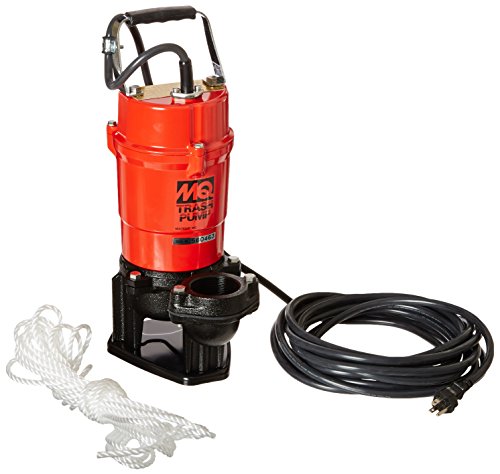
Multiquip ST2040T Submersible Trash Pump 1 HP
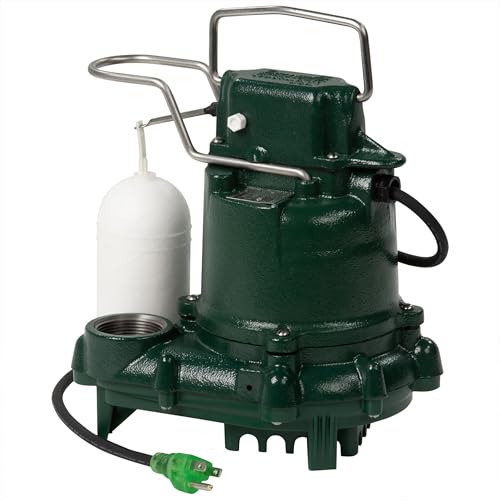
Zoeller M53 Mighty-mate Submersible Sump Pump 1/3 HP

Zoeller M98 Flow-Mate Sump Pump 1/2 HP

Tsurumi Pump LB-480 Submersible Dewatering Pump
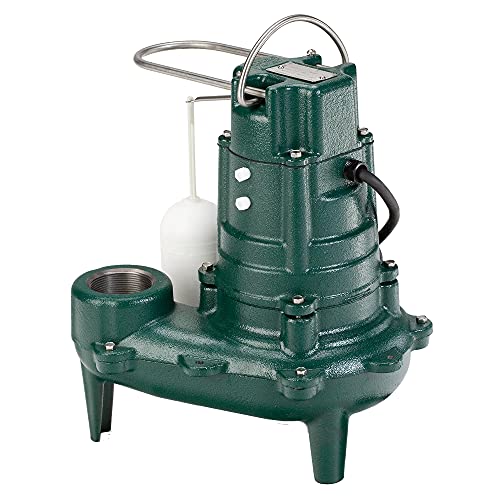
Zoeller Waste-Mate 267-0001 Sewage Pump 1/2 HP

AQUASTRONG 1 HP Sump Pump 4500 GPH

Aquastrong 1/2 HP Thermoplastic Utility Pump
Aquastrong 1/2 HP Utility Pump with Float Switch

Aquastrong 1/2 HP Automatic Sump Pump 3150 GPH
The Details Behind The Selections
Homes that see real runoff every spring know the value of a sump pump that can move serious water without constant babysitting. The WAYNE CDU800 pairs a 1/2 HP motor with a rated output of 5,100 gallons per hour, which is the kind of throughput that makes short work of a soaked sump pit. Its cast iron body and stainless steel hardware are built to shrug off the damp, corrosive environment of an open sump.
The vertical design keeps the pump footprint tight, so it drops into narrow basins without scraping the walls. A vertical float switch sits high enough to clear debris on the floor of the pit, and the top suction inlet pulls water from the surface first, which cuts down on grit ingestion. For most residential basements, this is the kind of pump you install and forget about.
Strengths Worth Knowing
- 5,100 GPH output handles heavy storm surge without falling behind
- Top-suction design reduces air-lock headaches and pulls cleaner water first
- Tested float switch rated for 1 million cycles for long service life
- Cast iron and steel construction resists corrosion in damp sump pits
Things To Consider
- Float switch needs vertical clearance, so very shallow pits may not suit it
- Cast iron is heavier to lift out for routine cleaning
Feature Snapshot
Right Fit For
Homeowners in storm-prone regions who want a set-and-forget sump pump with serious flow.
Where Another Pick Suits Better
If you need a pump for a narrow basin where a slimmer body helps, the Tsurumi Pump LB-480 fits better.
Construction sites and flooded basements rarely deliver clean water, which is where a trash pump earns its keep. The Multiquip ST2040T runs on a 1 HP single-phase motor and pushes 79 GPM through 2-inch connections, with the cast iron impeller overlaid in neoprene rubber to handle abrasive slurries. It is the kind of workhorse that tolerates the grit and gravel other pumps choke on.
A built-in carrying handle makes transport between jobs reasonable despite the cast iron housing. Internal thermal overload protection and dual shaft seals add a layer of defense against the kind of run-dry accidents that happen when water disappears faster than expected. For crews that need one pump to do a little of everything, this fits the bill.
Useful Touches
- Cast iron impeller with neoprene overlay handles sandy, gritty water
- 2-inch suction and discharge ports move volume quickly
- Thermal overload protection guards against motor burnout
- Compact body and top handle simplify jobsite transport
Worth Noting
- No automatic float, so manual on/off monitoring is required
- Industrial-grade weight may tire out solo operators carrying it far
Whose Shelf It Belongs On
Contractors and trades who routinely deal with dirty, debris-laden water on jobsites.
Swap It Out When
Homeowners who want automatic basement protection should consider the Zoeller M98 Flow-Mate Sump Pump instead.
The Zoeller M53 is the kind of sump pump that shows up in plumbing trucks for a reason. It runs on a 1/3 HP motor with a non-clogging vortex impeller, which is the design that lets water curve around the impeller instead of forcing solids through it. The cast iron switch case, motor housing, and pump body form a heavy, durable assembly that is hard to beat for everyday residential duty.
Unlike the higher-flow CDU800 earlier, the M53 keeps things compact and modest. A plastic base trims some weight while keeping the rest of the unit cast iron where it counts. The float-operated switch turns the pump on and off automatically, which suits homeowners who want protection without watching a gauge.
What Makes Sense
- Vortex impeller resists clogging from typical sump debris
- Cast iron motor housing and switch case for long service life
- Automatic float switch removes the need for manual operation
- Compact build suits smaller residential sump pits
Trade Offs
- Lower horsepower limits flow on heavy storm days
- Plastic base, while lighter, is the softest part of an otherwise rugged build
Technical Reference
Best Suited To
Owners of modest residential sump basins who want a proven cast iron pump without overpaying for extra capacity.
Reach For A Different Pick When
If your sump fills during severe weather and you need higher flow, the WAYNE CDU800 is a stronger match.
The M98 Flow-Mate sits in the sweet spot between the smaller M53 and a true high-output monster. A 1/2 HP oil-filled motor lives inside a cast iron housing, which gives the pump excellent heat dissipation during those long, drawn-out storms when the sump fills faster than it drains. The LED power plug is a small touch that pays off the moment something goes wrong: a quick glance at the outlet tells you whether the pump is actually getting power.
A snap-action float switch keeps operation automatic, and a 9-foot cord gives you flexibility in placement. The vortex impeller design handles solids without clogging, and stainless steel hardware holds up against corrosion. Compared with the M53 above, this is the step up in motor, monitoring, and overall refinement.
Positive Takeaways
- LED power plug provides at-a-glance status confirmation
- Oil-filled motor runs cooler under continuous load
- Cast iron housing with stainless hardware for corrosion resistance
- Snap-action float switch for reliable automatic operation
Honest Caveats
- Higher price than entry-level cast iron options
- Float mechanism needs free vertical space inside the pit
Perfect Match For
Homeowners who want a premium sump pump with diagnostic visibility and a refined motor design.
Not Your Match When
If you want automatic control without a mechanical float, the Aquastrong 1/2 HP Automatic Sump Pump uses an electronic sensor instead.
Tsurumi has long been a contractor favorite, and the LB-480 is one of the brand’s classic dewatering pumps. The 2/3 HP motor drives a 63 GPM flow rate that translates to roughly 3,780 gallons per hour, all from a body slim enough to drop into an 8-inch caisson. That slim profile is the whole point: contractors need a pump that fits where larger cast iron models simply cannot.
A urethane impeller paired with wear plates extends service life in abrasive water, and a 32-foot power cord removes the need for extension cords on most sites. Compared with the cast iron trash pumps above, the LB-480 trades raw solids handling for a smaller footprint and contractor-grade durability.
Notable Gains
- Slimline body fits 8-inch caissons that reject wider pumps
- 3,780 GPH flow rate handles active dewatering jobs
- 32-foot cord reaches distant outlets on jobsites
- Urethane impeller resists wear in gritty water
Points To Note
- Manual operation only, no built-in float switch
- Not designed for sewage or large solids
Built With In Mind
Trades and contractors who need a slim, reliable dewatering pump for tight spaces and active worksites.
A Better Fit Elsewhere
Homeowners who need automatic basement protection will find the Zoeller M98 Flow-Mate a more user-friendly choice.
Sewage and effluent duty is a different beast from clean-water dewatering, and the Zoeller Waste-Mate 267-0001 is built specifically for it. The 1/2 HP motor drives a non-clogging vortex impeller that passes up to 2-inch spherical solids, which is the threshold for most residential sewage systems. The pump body uses ASTM Class 25 cast iron, the same heavy-duty spec favored in plumbing code.
A 2-pole mechanical float switch runs the pump automatically, so once installed, the unit turns on and off based on tank level. Compared with the sump-focused picks earlier, this model is built to handle waste from basement bathrooms, laundry drains, and lift-pit applications where solids are part of the job.
Everyday Wins
- Vortex impeller passes 2-inch spherical solids without clogging
- ASTM Class 25 cast iron construction for heavy-duty duty cycles
- Float-operated switch for hands-off automatic operation
- Suitable for residential and commercial sewage applications
Practical Considerations
- Not intended for clean-water dewatering jobs
- Requires a sewage-rated basin, not a standard sump pit
Who Will Love This
Homeowners and small businesses needing sewage or effluent handling from basement bathrooms or lift stations.
Look Elsewhere When
For clean-water basement protection, the WAYNE CDU800 is a better daily companion.
If raw water-moving speed is what matters, the AQUASTRONG 1 HP sump pump brings the highest output in this lineup. Rated at 4,500 GPH and capable of lifting water up to 30 feet vertically, it covers the kind of high-head, high-volume scenarios that overwhelm smaller pumps. The bottom-suction design pulls water down to about a fifth of an inch from the floor, which is handy for swimming pools and flooded rooms where you want the surface cleared.
Operation is plug-and-play simple: plug it in to start, unplug to stop. It handles solids up to roughly one-fifth of an inch, which keeps the impeller safer in typical pool and pond debris. For homeowners tackling a hot tub drain or a basement that floods fast, the headline output makes this a strong contender.
Real Benefits
- 4,500 GPH output clears standing water quickly
- 30-foot vertical lift handles deeper discharge runs
- Bottom suction removes water to a shallow film
- Simple plug-in operation with no float to adjust
Less-Strong Areas
- No automatic float, requires manual on/off
- Thermoplastic body prioritizes portability over ruggedness
Feature Rundown
Made For
Homeowners tackling fast flood removal, hot tub draining, or pool cover water where high output matters most.
Consider Something Else When
For automatic protection on a sump that fills and drains repeatedly, the Aquastrong 1/2 HP Automatic Sump Pump is a smarter pick.
Not every pumping job calls for a heavy cast iron workhorse. The Aquastrong 1/2 HP utility pump weighs a fraction of the cast iron models, making it the kind of pump you carry out to the garden pond, the swimming pool cover, or a flooded window well without straining your back. It pushes 3,159 GPH at a 5-foot lift and lifts up to 26 feet vertically, which covers most residential drainage tasks.
The 10-foot power cord gives flexibility around pools and ponds where outlets sit at a distance. Bottom suction pulls water down to a shallow film, just like the higher-output AQUASTRONG above, but at a smaller scale. For gardeners and pool owners who store a pump in a garage corner, the portability here is the real selling point.
Where It Delivers
- Thermoplastic body keeps the unit light and easy to carry
- 3,159 GPH handles ponds, pools, and window wells
- Bottom suction removes water to a shallow residual level
- 10-foot cord adds placement flexibility outdoors
Points To Keep In Mind
- Manual plug-in operation without float switch
- Thermoplastic build is less rugged than cast iron in harsh use
Who Should Grab It
Garden and pool owners who need a portable utility pump for seasonal water removal tasks.
Skip It When
For basement protection that runs automatically without supervision, the Aquastrong 1/2 HP Utility Pump with Float Switch does the same job with auto control.
The previous Aquastrong model handles manual tasks, but this version adds an adjustable tether float switch that automates the on-off cycle. The 1/2 HP motor delivers the same 3,159 GPH flow and 26-foot vertical lift, with the added convenience of automatic operation in basements, pools, hot tubs, or garden ponds. Owners commonly find the tether float convenient in basements where the water level fluctuates irregularly.
You can lock the float upward to keep the pump in continuous run mode for situations where you want constant drainage, or let it cycle naturally based on water level. The 10-foot cord adds outlet flexibility, and the same thermoplastic construction keeps the unit light enough for solo transport.
Where It Helps
- Adjustable tether float switch automates on/off cycles
- 3,159 GPH flow for basements, pools, and ponds
- Manual override mode for continuous run when needed
- Lightweight build simplifies solo setup and storage
Some Limits To Know
- Tether float needs enough basin space for full swing
- Thermoplastic body suits moderate rather than industrial duty
Feature Overview
The Right Fit
Multi-purpose homeowners who want one pump that handles basements, pools, and ponds with automatic control.
Another Choice May Suit
For basement sump duty in a permanent installation, the Zoeller M98 Flow-Mate offers heavier cast iron construction.
Traditional float switches work, but electronic sensors offer finer control, which is where this Aquastrong model earns its place. The built-in smart sensor lets you choose from six trigger depths, ranging from about 1 inch up to 5 inches, and shuts the pump off when water drops to roughly 0.4 inch. The result is a sump pump that adapts to shallow basins where a mechanical float would struggle.
Output matches the other Aquastrong 1/2 HP models at 3,159 GPH with a 26-foot vertical lift, so you are not trading flow for automation. Compared with the float-switch version above, this is the cleaner solution for tight or shallow sump pits where every inch of water matters.
The Case For It
- Electronic sensor with six adjustable trigger depths
- Shuts off at ~0.4 inch for near-complete water removal
- Compact sensor mechanism fits shallow sump basins
- Same 3,159 GPH output as other 1/2 HP models
Things That May Matter
- Sensor electronics add a potential point of failure over time
- Thermoplastic housing prioritizes portability over heavy-duty use
Who It Suits Best
Homeowners with shallow or tight sump pits who want fine-grained electronic control over pump activation.
Where Another Pick Suits Better
For a permanent basement installation where cast iron durability matters more than sensor sophistication, the WAYNE CDU800 is a stronger choice.
Picking The Right Submersible Pump For Your Situation
The first thing to match is the job itself. Clean-water sump pumps handle clear groundwater from foundation drains, while dewatering pumps tackle jobsite water that may carry grit, and sewage pumps pass solids from basement bathrooms or lift stations. The Multiquip and Tsurumi cover the jobsite range, the WAYNE and Zoeller models cover basement duty, and the Waste-Mate covers sewage. Mixing these categories is the most common buying mistake, because a sump pump pushed into sewage duty will clog within weeks.
Horsepower and flow rate matter, but vertical headroom matters just as much. A pump rated at 5,000 GPH at zero lift may deliver only a fraction of that at 15 feet of vertical rise, the height water must climb to exit the basement. Check the pump curve if possible, and pick a model with headroom above your actual vertical discharge distance.
Construction materials set the long-term tone. Cast iron pumps are heavier and more expensive, but they resist corrosion and tolerate continuous-duty cycles. Thermoplastic pumps like the Aquastrong models are lighter and easier to carry but work best in intermittent duty. For a permanent basement sump that runs during every storm, cast iron earns its weight over time. For seasonal pool and pond tasks, the lighter build wins.
Float switches deserve a close look. Vertical float switches need vertical clearance but resist hang-ups. Tethered floats adjust easily but need horizontal swing room. Electronic sensors like the Aquastrong Automatic model suit shallow pits where mechanical floats struggle. Match the activation mechanism to your basin geometry before anything else.
Common Slip Ups And Where The Upgrade Helps
Buying Traps Shoppers Often Hit
The most common mistake is sizing for average rain rather than worst-case storms. A pump that handles a typical drizzle may still fall behind during a multi-inch downpour, and that is exactly when a basement floods. Sizing for the worst reasonable event protects the space when it counts.
Another trap is ignoring solids handling. Clean-water sump pumps are not designed for sandy jobsite water or sewage solids, and pushing them into those roles shortens their life fast. Match the pump category to the water category.
Why Premium Pumps Cost More
Higher-tier pumps like the Zoeller M98 earn their price through oil-filled motors, refined castings, and diagnostic touches like the LED plug. These features run cooler, last longer, and provide early warning when something is wrong. For a permanent basement sump that needs to run without supervision, the upgrade typically pays back through longer service intervals and fewer surprise failures. For portable or seasonal duty, the value calculus shifts toward lighter utility pumps.
Frequently Asked Questions
How deep can a submersible sump pump sit in water?
Most residential submersible pumps operate fully submerged near the bottom of a sump pit, with the motor sealed to handle continuous underwater duty. Check the manufacturer depth rating, but typical residential units run just below the surface where the float switch has room to activate.
How often should a sump pump run?
Normal cycling varies with rainfall and groundwater levels. During dry stretches, a sump pump may sit idle for weeks. During storm season, expect frequent cycling. A pump that runs constantly without shutting off suggests a stuck float or an undersized unit, while one that never runs in a chronically wet basement suggests a switch problem.
Can a sump pump handle sewage?
No, standard sump pumps are designed for relatively clear groundwater. Sewage and effluent require a pump with a vortex or grinder impeller, like the Zoeller Waste-Mate, that passes solids without clogging. Using a sump pump for sewage typically leads to rapid clogging and motor strain.
What size pump do most basements need?
Most residential basements do well with a 1/3 HP to 1/2 HP pump that delivers 3,000 to 5,000 GPH. Higher-output pumps suit deeper basements or properties with significant groundwater inflow, while smaller units handle modest sump pits with light cycle demand.
How long do submersible pumps last?
Quality cast iron pumps commonly last 7 to 10 years in typical residential service, with some units running considerably longer. Lighter thermoplastic utility pumps tend to have shorter service lives due to material wear, especially in continuous-duty applications.
Closing Remarks
The right submersible pump comes down to matching the pump to the water you actually have, whether that is clear basement groundwater, jobsite slurry, or sewage from a basement bathroom. Cast iron sump pumps like the WAYNE CDU800 and Zoeller M98 are the long-term answer for permanent installations, while lighter Aquastrong units earn their place for portable seasonal tasks. Pick the category first, match the flow and headroom to your home, and the right choice usually becomes obvious.




