Tree roots creeping into sewer lines cause some of the most stubborn household plumbing headaches. The right root killer for drain pipes depends on your pipe material, the severity of the intrusion, and whether your home runs on a septic system or municipal sewer. This guide walks through ten options spanning foaming treatments, granular copper sulfate formulas, enzymatic maintenance cleaners, and heavy-duty lye-based openers, so you can match a treatment to the actual problem lurking under your yard.
A Side-By-Side Look

RootX 2 LB. Jar Foaming Root Control

Zep Root Kill 2 lbs ZROOT24
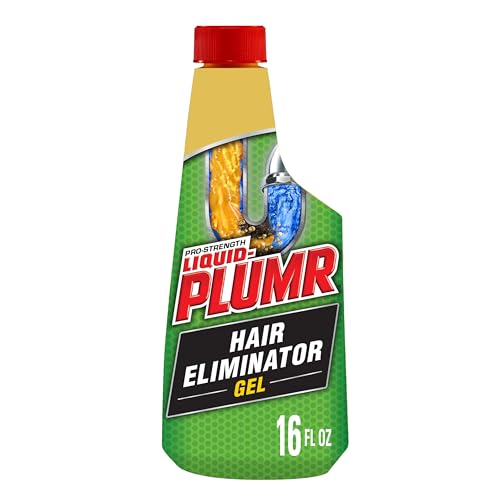
Liquid-Plumr Pro-Strength Hair Eliminator Gel

Zep Root Kill 2 Lbs Case of 4

CLEANR DRAIN ROOT 2#ROBI

Rooto Drain Opener 16 Oz Pack of 12

Rooto 1030 Drain Cleaner With Lye

RootX 4 LB. Jar Foaming Root Control

Zep Drain Defense Pipe Build-Up Remover 64 oz

Zep Drain Defense Enzymatic Powder 18 oz
Inside Each Recommended Option
When tree roots have already pushed through a sewer joint and the toilets are starting to gurgle, a foam-based treatment often outperforms a poured liquid. RootX uses a flushing-style reaction that fills the pipe interior, so the active ingredient contacts the entire wall surface rather than just sliding along the bottom. The 2 lb. jar is sized to treat roughly 50 feet of 4-inch pipe, which covers most single-family sewer laterals from the house to the street connection.
You mix the two-component formula with water and introduce it through a toilet or cleanout. Once it meets the standing water in the line, the foaming action begins and pushes the herbicide into cracks where roots enter. This matters because most root intrusions start at the joints, not in the middle of a pipe section. Compared with the granular Zep option, RootX gives better wall coverage but takes more hands-on effort to apply.
Good Reasons To Consider
- Foaming expansion reaches pipe joints where roots actually enter
- Treats approximately 50 ft of 4-inch pipe per jar
- Compatible with both sewer lines and septic system piping
- Single-use packaging simplifies dosing for occasional homeowners
- Foam clings to root masses instead of running past them
- Doesn’t require mechanical cutting equipment for moderate root issues
Things To Consider
- Will not open a fully blocked line on its own, so a snake may be needed first
- Applicator funnel is sold separately and not included with the jar
- Requires mixing and a water flush during application
- Most effective when applied during low-flow periods
Key Product Details
Best Suited To
Homeowners with mature trees near the sewer lateral who catch root intrusion early and want a non-mechanical treatment that reaches the joints where roots actually break in.
Consider Something Else When
Lines longer than 50 ft benefit from the larger 4 lb. RootX jar, which covers up to 100 ft of 4-inch pipe.
Zep’s Root Kill takes the granular copper sulfate approach that professional plumbers have used for decades. The 2 lb. container (ZROOT24) is formulated for direct introduction into household sewer lines, septic tanks, and leach lines, which makes it versatile for properties running off a septic system. The active ingredient works by accumulating in root tissue over several weeks, eventually killing the intruding roots and allowing them to decay so flow can resume.
The trade-off is patience. Granules dissolve slowly rather than foaming through the line, so results usually show within three to four weeks rather than overnight. For homes where roots return every season, that slow-release nature can actually be useful because it keeps working after the initial dose. Unlike the RootX foam, this treatment should never be poured through a sink or tub drain, since it can corrode metal plumbing fittings.
What It Does Well
- Copper sulfate is well-documented for residential root control
- Granular form is easy to measure and dose accurately
- Suitable for direct use in septic tanks and leach lines
- Slow release extends the working period inside the line
- Targets roots specifically without harming the tree above ground
Trade Offs
- Takes three to four weeks before flow improvements appear
- Cannot be introduced through sink or tub drains
- Briefly suppresses septic bacteria after each application
- Less effective on fully blocked lines that need mechanical clearing first
Who It Suits Best
Property owners managing recurring root issues in septic system laterals who can wait a few weeks for results and prefer a measured, budget-friendly chemical approach.
Skip It When
Homeowners wanting faster wall coverage should look at the foaming RootX option in pick 1, which fills the pipe rather than settling along the bottom.
Hair is the most common cause of bathroom drain slowdowns, and Liquid-Plumr formulated this gel specifically for that material. The thick consistency clings to the clog rather than running straight past it, so the active ingredients have more contact time with the hair mass. It’s a different problem than tree roots, but it’s the most frequent drain issue homeowners actually face, which is why it earns a place on a list focused on drain treatments.
The formula is rated safe for all septic systems and pipe materials, which removes one of the usual worries with chemical drain openers. The 16 fl. oz. bottle is sized for one or two treatments depending on the severity of the clog. This is not a root killer, so it belongs in your maintenance kit rather than your sewer-line toolkit.
Notable Gains
- Gel texture sticks to hair masses for longer contact time
- Compatible with all pipe types and septic systems
- Targets the specific material causing most bathroom clogs
- Works on slow drains before they fully block
Honest Caveats
- Not formulated for tree roots in sewer lines
- Best used preventively rather than on fully blocked fixtures
- Strong chemical scent during the working period
- Single bottle may not clear severe, deeply lodged hair clogs
Made For
Renters or homeowners dealing with monthly bathroom sink and shower slowdowns who need a safe, septic-friendly product to keep on hand.
Look Elsewhere When
Homeowners facing actual tree root intrusion in the main sewer line should reach for the Zep Root Kill in pick 2 or the RootX foam in pick 1 instead.
The case-of-four version of Zep Root Kill delivers the same ZROOT24 formula in a multi-pack format. The total weight is 8 lbs across four 2 lb. containers, and the value comes from having enough supply to handle several treatment cycles without reordering. Properties with mature trees, aggressive root species, or long septic laterals often need repeat dosing every few months to keep roots from re-establishing.
Storing extra containers does require a dry, secure spot because copper sulfate absorbs moisture over time and clumps if left in a humid garage. As with the single-bag version, this treatment should never be poured into a sink or tub drain, since it can corrode metal drain components. You apply it through the toilet or a cleanout, then let it work its way into the line.
Real Benefits
- Four 2 lb. jars cover multiple treatment cycles
- Same trusted ZROOT24 formulation as the single pack
- Effective for residential sewer lines and leach fields
- Slow-acting formula keeps working after the initial dose
Points To Keep In Mind
- Copper sulfate temporarily reduces septic bacterial action
- Cannot be introduced through metal sink or tub drains
- Takes several weeks before flow improvements become obvious
- Requires proper dry storage to prevent clumping
Feature Snapshot
Who Should Grab It
Homeowners who have already used the single Zep Root Kill and know their dosing schedule, or anyone with a long lateral who wants to stock a full year of preventive treatments.
Swap It Out When
Properties with shorter lines or first-time users may find the single 2 lb. Zep Root Kill from pick 2 a more comfortable starting point.
Roebic’s CLEANR DRAIN ROOT targets root intrusion in a septic-sensitive way, which matters for homes that rely on bacterial action in the tank and leach field. The 2 lb. size aligns with most residential dosing recommendations, and the formula is positioned for septic tank and leach line application. For homeowners worried about repeatedly suppressing their septic bacteria with copper sulfate, this provides an alternative approach worth considering.
The honest read is that the source data for this specific listing is light on descriptive detail, so the practical experience reports from homeowners carry more weight than manufacturer claims. Application method follows the standard toilet or cleanout route, never through sink or tub drains where corrosion becomes a concern.
A Few Highlights
- Designed to address roots without harsh septic disruption
- 2 lb. size suits a single residential treatment cycle
- Compatible with septic tank and leach line application
- Alternative approach to copper sulfate-based formulas
Potential Drawbacks
- Limited descriptive detail on the listing makes comparison harder
- Should not be poured through sink or tub drains
- Speed of action depends on root mass and dosing accuracy
- Less widely known than the Zep or Rooto options
Right Fit For
Septic system homeowners who want a root treatment formulated with the bacterial balance of their tank in mind and prefer alternatives to standard copper sulfate products.
Reach For A Different Pick When
Anyone needing a more documented application history may prefer the Zep Root Kill in pick 2, which has a longer track record in residential use.
Twelve 16 oz. bottles of Rooto Drain Opener in a single case is built for properties that go through drain treatments regularly. Landlords managing multiple units, small commercial kitchens, and contractors servicing rough plumbing often need supply on hand rather than frequent restocking. The chemical formula is the heavier-duty style, designed to break through tough organic blockages rather than maintenance-level residue.
This is a caustic-style drain opener, which means it handles hair, grease, and soap buildup aggressively but requires careful handling and good ventilation during use. It’s not specifically a root killer, so it belongs in a different mental category from the RootX and Zep products higher on the list. For sewer line root issues specifically, the Zep and RootX picks remain more appropriate.
Points In Its Favor
- Twelve-bottle supply supports frequent or multi-property use
- Aggressive formula tackles tough organic drain clogs
- Common size fits standard drain opener storage
- Bulk packaging reduces frequent reordering
What To Weigh
- Not a root-killing product, so it won’t address sewer line intrusion
- Caustic chemistry requires gloves and ventilation during use
- Large quantity may sit in storage past the useful window
- Storage space for twelve bottles adds up in smaller homes
Perfect Match For
Landlords, small commercial properties, or households with chronic drain clogs who need bulk supply of a heavy-duty chemical opener and want to avoid monthly orders.
Not Your Match When
Homeowners focused on tree root control in the main line should select the Zep Root Kill in pick 2, which actually targets roots rather than general drain debris.
Rooto 1030 is the classic lye-based drain cleaner for rough plumbing jobs where caustic power matters. The 1 lb. size, sold as a two-piece set, has been a staple in plumbing supply closets for years. Lye (sodium hydroxide) generates heat when it contacts water and organic material, which breaks apart hair, grease, and similar debris quickly. It’s the strongest chemical option on this list short of acid-based openers.
You wouldn’t reach for lye on a delicate septic system or a modern PVC installation without checking compatibility. The formula is built for tougher plumbing situations, including older lines where buildup has accumulated over decades. For tree root intrusion specifically, a dedicated root killer like Zep or RootX remains the more appropriate choice.
The Practical Payoff
- Caustic lye formula breaks down organic drain material quickly
- Two-piece packaging suits jobs that need repeat applications
- Trusted name in rough plumbing drain openers
- Effective on hair, grease, and soap-based buildup
Things That May Matter
- Lye is highly caustic and requires serious safety precautions
- Not formulated for tree root control in sewer lines
- Can damage certain pipe materials and fittings if misused
- Strong chemical reaction requires good ventilation
Built With In Mind
Plumbers, maintenance technicians, and homeowners tackling seriously clogged lines who understand how to handle caustic chemicals safely and have the appropriate pipe materials.
A Better Fit Elsewhere
Properties with PVC piping or septic systems should consider the Liquid-Plumr gel from pick 3 for gentler hair clog work, or the Zep enzymatic powder in pick 10 for routine maintenance.
The 4 lb. RootX jar is the same trusted foaming formula in a larger container, scaled for longer sewer runs and 6-inch pipe diameters. It treats up to 100 feet of 4-inch pipe or 75 feet of 6-inch pipe when mixed with 15 to 20 gallons of water. For homes with laterals that extend further than usual, or properties with larger commercial-grade lines, this size avoids the need to combine multiple 2 lb. jars.
One important note from the manufacturer: you should not attempt to flush 4 lbs. of RootX down a toilet in a single pass, since the volume can overwhelm the fixture and trap. The product is also listed for United States use only, which reflects the chemistry registration. A reusable applicator funnel is required, just like with the smaller jar.
The Case For It
- Covers up to 100 ft of 4-inch pipe in one treatment
- Suitable for 6-inch diameter lines up to 75 ft
- Same foaming action as the 2 lb. version
- Reduces need to combine multiple smaller jars
- Compatible with both sewer and septic system piping
Practical Considerations
- Cannot be flushed down a toilet in a single dose
- Requires a reusable RootX applicator funnel
- Must be mixed with a substantial volume of water for activation
- United States use only, per the manufacturer
Whose Shelf It Belongs On
Homeowners with long sewer laterals or larger-diameter lines who need full coverage in a single treatment and have the reusable applicator already on hand.
Where A Sibling Pick Shines
Properties with standard residential laterals under 50 ft can save by choosing the 2 lb. RootX jar from pick 1, which covers the same foaming chemistry at a smaller scale.
Zep Drain Defense takes a different angle from the rest of the list. The 64 oz. liquid (ZLDC648) uses an enzyme-based formula to break down organic buildup in sinks, garbage disposals, tubs, and shower drains. Enzymes work slowly and gently, eating away grease, soap residue, and similar material rather than burning through it. The formula breaks down into CO2, minerals, and water, which makes it safer for septic systems and most pipe materials.
The manufacturer positions it for monthly use to prevent clogs and restore flow, with up to 21 months of drain protection per bottle when used as directed. It’s not a root killer and won’t address tree intrusion in sewer lines, but it earns a place here because prevention is often the most overlooked part of drain care. RVers and homeowners with grease traps also fall into the intended user base.
Standout Benefits
- Enzyme-based formula is gentle on pipes and septic systems
- Breaks down into CO2, minerals, and water
- Suitable for sinks, disposals, tubs, and shower drains
- Up to 21 months of drain protection per bottle
- Compatible with PVC and most other pipe materials
Soft Spots
- Not formulated for tree root control in sewer lines
- Works slowly and won’t open an already blocked drain quickly
- Monthly dosing requires a consistent schedule
- Limited effectiveness on inorganic buildup
Feature Rundown
Who Will Love This
Homeowners interested in preventive drain care who want a septic-friendly, monthly maintenance product to keep kitchen and bathroom lines flowing freely.
Another Choice May Suit
For active root intrusion in the main sewer line, the RootX foam in pick 1 or the Zep Root Kill in pick 2 provides targeted treatment that an enzyme formula can’t match.
The powdered version of Zep Drain Defense (ZDC16) trades the liquid’s convenience for a more concentrated, longer-lasting format. Each 18 oz. container is a 16 oz. concentrate that yields up to 40 treatments when properly dosed, which translates to over three years of monthly maintenance in a typical single-bathroom home. The powder format also stores more compactly than a large liquid bottle.
It’s formulated for slow-running drains and preventive maintenance rather than emergency clog clearing. Hair-clogged drains and inorganic buildup aren’t its target, so for those situations the Liquid-Plumr gel in pick 3 or a heavier chemical opener would work better. Used as directed on a monthly schedule, it keeps organic buildup from accumulating in the first place.
Where It Helps
- Up to 40 measured treatments per container
- Concentrate format offers extended shelf life
- Safe for all standard plumbing and septic tanks
- Compact storage compared with liquid alternatives
- Works as monthly preventive maintenance
Small Caveats
- Not effective on inorganic buildup or hair-clogged drains
- Requires accurate measurement for consistent dosing
- Slow-acting formula won’t fix active blockages
- Some homes may find the powder format less convenient than liquid
Feature Card
Who It Suits Best
Homeowners committed to a long-term preventive drain maintenance routine who prefer a concentrated, space-saving powder over bottled liquids.
Consider Something Else When
Anyone wanting a more user-friendly liquid pour should pick the 64 oz. Zep Drain Defense from pick 9, which delivers the same enzyme approach in ready-to-use form.
What Matters Most When Picking A Root Killer
Choosing the right product starts with identifying the actual problem, because tree roots, hair clogs, and organic buildup each call for different chemistry. Root intrusion in a sewer lateral responds to either a foaming herbicide like RootX or a slow-release copper sulfate formula like Zep Root Kill, while bathroom hair clogs need a gel-style opener like Liquid-Plumr, and general organic buildup benefits from monthly enzymatic treatments like Zep Drain Defense.
Treatment Format And Application Method
Foaming treatments expand inside the pipe to coat the walls and reach joints where roots enter, while granular copper sulfate settles along the bottom and works through accumulation. Liquid enzyme formulas pour straight down household drains for ongoing maintenance. Match the format to the location of the problem: foaming for sewer laterals, granular for cleanouts, and enzymatic for sinks, tubs, and disposals.
Pipe Material And Septic Compatibility
PVC, cast iron, and older clay tile lines each tolerate different chemistries. Caustic lye products can damage certain pipe materials and fittings, while copper sulfate can corrode metal sink and tub drains if poured through them. Septic systems add another layer because aggressive treatments can temporarily disrupt the bacterial action that breaks down waste, so homes on septic benefit from either septic-friendly formulas or careful dosing schedules.
Speed Versus Long-Term Control
Quick-acting chemical openers handle emergency clogs but offer little preventive value, while slow-acting copper sulfate and enzyme treatments work over weeks but prevent recurrence. The right balance often combines an emergency response with a monthly maintenance routine, so the drain doesn’t have a chance to clog again.
Coverage And Sizing
A 2 lb. root killer jar covers roughly 50 feet of 4-inch pipe, which fits most residential laterals. Longer runs or larger 6-inch lines need the 4 lb. jar or multiple treatments. For maintenance products, larger containers generally mean lower cost per treatment, but only if the household actually uses them before they expire.
Key Considerations Across These Picks
Common Shopping Slip Ups
The most frequent mistake is buying a generic chemical drain opener when the actual problem is tree root intrusion in the main sewer line, since standard openers don’t touch roots. Another common slip is pouring copper sulfate root killer through a sink or tub drain, which can corrode metal plumbing fittings. Skipping a cleanout or toilet-based application point is what usually causes the damage, so always follow the labeled entry route.
What The Higher Tier Buys
Moving from a single 2 lb. root killer jar to the larger 4 lb. version or a multi-pack case mostly buys extra coverage and repeat-treatment convenience. With enzymatic maintenance products, the upgrade is concentration and treatment count, which translates to longer intervals between purchases. The higher tier rarely buys dramatically faster results, but it does buy less frequent reordering and better fit for longer or higher-demand plumbing systems.
Frequently Asked Questions
How Do Root Killers For Drain Pipes Actually Work?
Root killers typically use either a foaming herbicide that expands to coat pipe walls and kill intruding roots, or a copper sulfate formula that accumulates in root tissue over several weeks. Neither approach removes the physical root mass immediately, so mechanical clearing may still be needed for fully blocked lines.
Can Root Killer Damage My Pipes Or Septic System?
Copper sulfate products briefly suppress septic bacteria after each dose, and granular formulas should never be poured through metal sink or tub drains because they can corrode the fittings. Foam-based treatments are generally gentler on septic systems, while caustic lye openers can damage certain pipe materials if misused.
How Often Should I Treat My Sewer Line For Roots?
Properties with mature trees near the sewer lateral typically need treatment every six to twelve months as preventive maintenance, though heavily infested lines may need more frequent dosing initially. Waiting for a complete blockage before treating usually means a plumber visit first.
Are Enzymatic Drain Cleaners As Effective As Chemical Openers?
Enzymatic cleaners work well for monthly prevention of organic buildup in sinks, tubs, and disposals, but they cannot match chemical openers for emergency clog clearing or root intrusion. They serve a different purpose in a drain care routine rather than replacing stronger treatments.
What’s The Difference Between Foaming And Granular Root Killers?
Foaming treatments expand to coat the full interior of the pipe and reach joints where roots actually enter, while granular copper sulfate settles along the bottom of the line and relies on accumulated contact over time. Foam works faster on moderate intrusions, while granular offers extended release for ongoing prevention.
Closing Remarks
The best root killer for drain pipes depends entirely on what’s actually causing the problem: tree roots in a sewer lateral, hair in a bathroom sink, or organic buildup building up over months. Match the treatment to the issue, follow the labeled application route, and consider pairing an active treatment with a monthly enzymatic maintenance routine to keep drains flowing long after the initial fix.