

A cracked outdoor faucet in January is a rough way to learn plumbing. The right outdoor hose bibs save you from burst pipes, muddy backflows, and the slow drip that drives your water bill up. Whether you’re replacing a tired spigot, winterizing a garden, or upgrading to a frost-free setup, this list covers the fittings, covers, and adapters that actually get the job done.
A Fast Comparison Of The Options

GBQA Frost Free Sillcock 10 Inch with Vacuum Breaker

Napredak Garden Hose to 1/4 Tubing Adapter
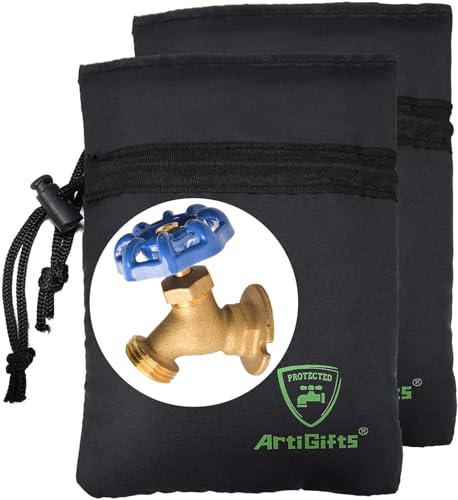
ArtiGifts Pro Outdoor Faucet Cover Socks (Set of 2)

GBQA Self-Draining Vacuum Breaker (3/4″ GHT)

LUOFANT Brass Rain Barrel Spigot with Bulkhead Fitting

GBQA 3/4″ Brass Vacuum Breaker for Hoses & RVs

GBQA Atmospheric Vacuum Breaker 1/2″ Female NPT

GBQA 3/4″ Brass Vacuum Breaker, Alternate Listing

GBQA Self-Draining Vacuum Breaker, Chrome Plated
GBQA Atmospheric Vacuum Breaker 3/4″ Female NPT
A Closer Look At Each Pick
This GBQA sillcock is built for homeowners tired of replacing split spigots every February. The 10-inch stem reaches into the heated wall cavity, so the shutoff seat sits inside conditioned space instead of the frost line. That design alone is the difference between a faucet that survives a hard freeze and one that doesn’t.
Lead-free brass construction handles daily use without flaking or corrosion. A built-in vacuum breaker (a small one-way valve that blocks contaminated water from siphoning back into your supply) keeps hose water from flowing backward into the potable line. For most single-family homes with PEX plumbing, this is the kind of upgrade that quietly pays for itself.
Practical Advantages
- 10-inch stem extends past the exterior wall, putting the actual valve seat in heated space
- Integrated vacuum breaker meets basic backflow safety for outdoor hose use
- Lead-free brass body resists corrosion from constant moisture exposure
- Crimp PEX connection suits modern plumbing retrofits without extra adapters
- Long enough stem for standard 2×4 + brick veneer wall assemblies
Trade Offs
- Installation requires cutting the supply line and re-routing PEX, so plan on basic plumbing tools or a pro visit
- Stem length is fixed, so thicker masonry walls may need a longer model
- Only one connection style ships in the box, so matching your existing plumbing matters before ordering
Key Specs
Right Fit For
Homeowners in cold-winter regions replacing an old wall-mounted spigot and running PEX plumbing. Best for those comfortable with basic plumbing work or willing to hire a handyman.
Look Elsewhere When
You only need a quick freeze-prep solution and a full replacement feels like overkill. The ArtiGifts Pro Outdoor Faucet Cover Socks are a faster, lower-effort alternative for seasonal protection.
Most outdoor hose bibs run 3/4-inch male threading, but drip lines and patio misters usually want 1/4-inch tubing. Napredak’s adapter bridges that gap in one brass fitting, which sounds boring until you’ve wrestled with plastic transition parts that crack after one summer.
It’s a simple product, but the right simple product saves a lot of frustration. Gardeners running micro-irrigation on raised beds, patio herb walls, or greenhouse misting setups will feel the value quickly. Skip it only if your entire watering setup already matches one standard.
The Practical Payoff
- Transitions a standard 3/4″ GHT outlet to 1/4″ tubing in a single fitting
- Solid brass body outlasts plastic alternatives that warp under UV
- Compact size keeps the connection tidy against the wall
- Works with most drip manifolds and misting nozzles
Things To Consider
- Single-unit adapter, so multi-zone gardens need additional fittings or splitters
- 1/4″ tubing can kink at sharp bends, so plan gentle curves near the spigot
- Not a freeze-proof component, so winterizing the upstream bibb still matters
Made For
Gardeners who already own a hose bibb and want to add a drip or misting zone without buying a full irrigation kit. Best for small beds, patio containers, and herb gardens.
Reach For A Different Pick When
Your goal is full-property irrigation with multiple valves. The GBQA Atmospheric Vacuum Breaker 3/4″ Female NPT handles a mainline install better and adds anti-siphon protection at the same time.
Sometimes the smartest move isn’t replacing the faucet at all. These ArtiGifts covers slip over your existing spigot, add a layer of insulated padding, and handle the freeze-thaw cycle that cracks metal housings. The set-of-two format is friendly for homes with a front and back hose bibb.
The 5.9 by 7.7-inch footprint fits most residential wall-mount faucets without feeling oversized. They aren’t magic, but for moderate climates they add a meaningful buffer between a cold snap and a split pipe. Think of it as a winter hat for your faucet.
A Strong Showing
- Two-pack covers both front and backyard hose bibbs in one purchase
- Insulated padding softens the impact of overnight frost
- Slip-on design installs in seconds without tools
- Reusable season after season if stored dry
Worth Noting
- Won’t protect faucets in regions with extended sub-zero temperatures
- Foam insulation can absorb water if the outer shell wears through, so check it annually
- Doesn’t help with backflow prevention, so a vacuum breaker is still a smart add-on
Best Suited To
Renters and homeowners in mild-to-moderate winter climates who want low-effort freeze protection. A good match for anyone not ready to replace their existing spigot.
Skip It When
You live where temperatures stay well below freezing for weeks. The GBQA Self-Draining Vacuum Breaker 3/4″ GHT is a more durable cold-climate solution because it actually empties the line.
The classic outdoor faucet problem is water sitting in the pipe after you shut it off. GBQA’s self-draining vacuum breaker solves that by automatically releasing residual water when the handle closes. No more winterizing dance, no more praying during a cold snap.
It threads onto a standard 3/4″ garden hose outlet, which is the same size as most residential hose bibbs. The lead-free brass body handles outdoor conditions without complaint, and the nickel-plated finish shrugs off water spots. It pairs well with both new installs and retrofits on older homes.
Points In Its Favor
- Automatic draining removes standing water without manual effort
- 3/4″ GHT outlet matches standard residential hose threading
- Lead-free brass for safe contact with drinking-water lines
- Anti-siphon design blocks backflow contamination
Honest Caveats
- Needs a small downward slope on the supply line to drain properly
- Not a replacement for a full frost-free sillcock in extreme climates
Feature Snapshot
Who It Suits Best
Homeowners in regions with occasional hard freezes who want retrofit protection without replacing the entire wall penetration.
Consider Something Else When
You’re already replacing the wall pipe and want a complete system. The GBQA Frost Free Sillcock from the first pick handles freeze protection at the source instead of after the fact.
Rain barrels only earn their keep if the spigot actually works. LUOFANT’s kit includes a bulkhead fitting and a quarter-turn ball valve, so you can drill one hole in a barrel and get a proper hose-thread outlet in under an hour. The lead-free brass build keeps your stored water safe for garden use.
It fits any open-top container with a wall thickness up to about 1/4 inch, so food-grade barrels and standard 55-gallon drums both work. The quarter-turn handle is a small luxury you’ll appreciate every time you fill a watering can.
Everyday Advantages
- Quarter-turn ball valve opens and closes with one quick motion
- 3/4″ GHT male outlet accepts standard garden hoses
- Bulkhead fitting creates a watertight seal through the barrel wall
- Lead-free brass keeps stored water safe for edible gardens
Points To Note
- Requires a 7/8-inch hole saw for installation, which isn’t included
- Wall thickness above 1/4 inch won’t seat the bulkhead correctly
- Standing water in the barrel can still freeze in winter, so plan to drain before cold weather
Who Should Grab It
DIY rainwater harvesters setting up a 55-gallon barrel or similar food-grade container. Best for gardeners who already have a drill and basic plumbing tools.
Where Another Pick Suits Better
You want a ready-to-go spigot without drilling. The Napredak Garden Hose to 1/4 Tubing Adapter threads onto an existing bibb and skips the barrel installation entirely.
Not every outdoor faucet setup needs a full frost-free replacement. Sometimes the job is a simple anti-siphon upgrade on a hose-thread outlet, and that’s where GBQA’s standard vacuum breaker fits in. It handles temperatures up to 180°F and pressure up to 125 psi, which covers anything a residential hose can throw at it.
The break-off screw design lets you decide between a permanent or removable install. For seasonal use, you can leave it in place year-round. For dedicated potable lines, you can pin it down so it doesn’t walk off.
Useful Strengths
- 3/4″ threading fits standard garden hose outlets
- Brass body holds up to temperature swings and water pressure
- Break-off screw supports both temporary and permanent mounting
- Compact size adds little bulk to the spigot end
- Meets ASSE 1011 and CSA B64.2 plumbing safety standards for backflow prevention
Soft Spots
- Doesn’t drain residual water, so freezing is still a risk in cold climates
- Plastic internal check components can wear faster than all-brass designs
Perfect Match For
Homeowners looking to add code-compliant backflow protection to an existing hose bibb in a mild climate. Also useful for RV owners who want safer potable hookups on the road.
Swap It Out When
You need both freeze protection and backflow prevention in one part. The GBQA Self-Draining Vacuum Breaker from the fourth pick does both, which simplifies the install.
An atmospheric vacuum breaker (AVB) is a small valve that admits air into a water line when pressure drops, breaking any siphon effect. GBQA’s 1/2″ NPT version threads directly into irrigation manifolds, sprinkler risers, or chemical injector lines. Chrome-plated brass means it blends in with typical outdoor plumbing without flashing bright metal.
It’s rated for 125 psi working pressure, which covers most residential irrigation designs. Use it downstream of any shutoff valve that feeds a sprinkler zone, and you’ve handled the most common code requirement for anti-siphon protection.
Notable Upsides
- Female NPT threads into standard irrigation fittings
- Chrome-plated brass resists corrosion in damp installations
- Prevents contaminated irrigation water from siphoning into the main supply
- Compact profile tucks into tight valve boxes
Room For Improvement
- Must be installed at least 6 inches above the highest sprinkler head to function correctly
- Not designed for continuous pressure, so it can’t sit downstream of a constantly open valve
The Right Fit
DIYers adding or upgrading a sprinkler system who need a code-friendly backflow preventer on a 1/2″ line. Best for properties with standard residential water pressure.
Not Your Match When
You need a 3/4″ mainline connection. The GBQA Atmospheric Vacuum Breaker 3/4″ Female NPT at the end of this list covers larger supply lines without reducers.
You’ll notice this looks similar to pick number six. GBQA sells the same vacuum breaker under two listings, and the alternate version sometimes shows better availability depending on your region. Same brass body, same 125 psi rating, same break-off screw design.
If the first GBQA listing is out of stock, this one is a reliable fallback. The specs and installation steps are interchangeable, so you won’t be relearning anything mid-project.
Key Advantages
- Identical spec sheet to the primary GBQA 3/4″ vacuum breaker
- Brass construction handles temperatures up to 180°F
- Works with most standard garden hose and RV water hookups
A Few Limitations
- No self-draining function, so winter care is still on your shoulders
- Duplicate listing can confuse first-time shoppers comparing the two
Whose Shelf It Belongs On
Anyone who found the primary GBQA 3/4″ vacuum breaker out of stock and needs a quick substitute for a hose-end backflow preventer.
Where A Sibling Pick Shines
You need freeze protection in addition to backflow prevention. The GBQA Self-Draining Vacuum Breaker 3/4″ GHT from the fourth pick handles both in one part.
Where the standard self-draining breaker gets the job done, the chrome-plated version adds a tougher exterior finish that shrugs off road salt, hard-water spots, and years of UV exposure. The internal mechanics match the unplated model, but the outer skin takes punishment better.
It’s a smart upgrade for homes near the coast, in regions with heavy road salt use, or anywhere a plain brass finish would pit quickly. The look is also a little more polished if the spigot sits in a visible spot near a patio or front walkway.
Everyday Wins
- Chrome plating resists corrosion better than raw brass in salty air
- Self-draining design clears water when the faucet closes
- 3/4″ GHT outlet fits standard residential hose bibbs
- Lead-free construction keeps potable lines safe
- Anti-siphon function blocks hose-end backflow
Trade-Offs To Consider
- Slightly higher cost than the unplated version for the same internal function
- Chrome can show fingerprints and water spots more visibly than brushed brass
Feature Facts
Made For
Homeowners in coastal regions or heavy-salt areas who want a self-draining breaker with a longer-lasting finish. Also a nice fit for visible front-of-house hose bibbs.
Another Choice May Suit
You’re on a tighter budget and the plain brass finish is fine. The standard GBQA Self-Draining Vacuum Breaker 3/4″ GHT from pick four costs less and works the same way.
For larger irrigation systems and mainline backflow protection, 3/4″ female NPT threading is the size you actually want. GBQA’s atmospheric vacuum breaker here matches the 1/2″ version in design, but the bigger port lets more water through with less restriction. That’s important on a mainline that feeds multiple zones.
It’s still a chrome-plated brass body and 125 psi rated, so the build quality is consistent across the line. Use it where you need anti-siphon protection without stepping up to a full pressure vacuum breaker assembly.
Reasons It Performs
- 3/4″ NPT port handles higher flow than smaller AVBs
- Chrome-plated brass construction for outdoor longevity
- Anti-siphon design meets common irrigation code requirements
- Threads into standard 3/4″ irrigation fittings without adapters
Potential Drawbacks
- Same installation rule as the 1/2″ model: must sit at least 6 inches above the highest outlet
- Not for continuous pressure applications like constantly running drip manifolds
Built With In Mind
Homeowners and contractors installing a multi-zone sprinkler system with a 3/4″ mainline. Best for properties with above-average water demand at the irrigation manifold.
A Better Fit Elsewhere
Your irrigation runs on a 1/2″ line or smaller. The GBQA Atmospheric Vacuum Breaker 1/2″ Female NPT from the seventh pick is the right size and skips the reducer fitting.
Picking The Right Outdoor Hose Bib For Your Setup
Start with the climate. Homes in regions with sustained winter freezes benefit from frost-free sillcocks or self-draining breakers, because standing water in the line is what actually cracks pipes. Mild-climate homes can get away with a standard vacuum breaker plus a winter cover for occasional cold snaps.
Connection type matters more than people expect. Crimp PEX, MIP thread, and push-fit all exist, and matching the existing supply line saves you from buying extra adapters. A 3/4″ GHT (Garden Hose Thread) is the standard for outdoor hose outlets, while NPT (National Pipe Thread) is what you’ll see on irrigation manifolds. Mixing them up at the wrong spot means a leak you didn’t plan on.
Backflow Protection And Why It Matters
A vacuum breaker is a small valve that admits air into the line when pressure drops, which breaks any siphon trying to pull hose water backward into your home’s supply. Most local plumbing codes require one on any outdoor hose bibb that could contact a hose lying in a puddle or fertilizer sprayer. The four GBQA vacuum breakers in this list all handle that job; the difference is the body finish, port size, and whether they self-drain.
Material And Finish Choices
Lead-free brass is the baseline for any hose bibb that touches potable water. Chrome plating adds corrosion resistance in coastal or salted environments, but it’s not strictly necessary inland. Plastic fittings exist in the broader market, but for any fitting that lives through a winter outside, brass tends to outlast them by years.
Things To Watch When Buying Hose Bibbs
Where Shoppers Go Wrong
The most common mistake is buying a vacuum breaker without checking the thread standard. GHT and NPT look similar but don’t seal together, and forcing the wrong pair creates a slow leak that ruins the install. Always confirm the outlet size and thread type on your existing faucet before ordering.
Another trap is picking a frost-free sillcock that’s too short. The stem needs to reach past the wall framing into heated space, so measure your wall thickness first. A 10-inch stem covers standard 2×4 walls, but thicker masonry may need a 12-inch or longer version.When Paying More Pays Off
Spending a little more on a self-draining or frost-free model pays off the first time your area gets a hard freeze you didn’t expect. The cost difference is small compared to a plumber’s visit to fix a burst pipe, and the upgrade usually lasts a decade or more. Chrome plating earns its keep in coastal and high-salt regions, where plain brass pits quickly under constant exposure.
Frequently Asked Questions
What Is An Outdoor Hose Bibb?
An outdoor hose bibb is the wall-mounted faucet where you connect a garden hose. It includes the spout, handle, and the internal valve that controls water flow.
Do I Need A Vacuum Breaker On My Outdoor Faucet?
Most local plumbing codes require one, and it’s a smart upgrade even where it’s not mandated. A vacuum breaker stops hose water from siphoning back into your home’s potable supply.
How Do Frost-Free Hose Bibbs Work?
A frost-free sillcock has a long stem that extends through the wall, with the actual shutoff valve located inside the heated portion of the house. When you turn the handle off, water drains out of the stem before it can freeze.
Can I Install A Hose Bibb Cover Instead Of Replacing The Faucet?
Yes, an insulated cover works well in mild climates where winter temperatures drop below freezing occasionally but rarely stay there for long. They’re an affordable, no-tools solution.
What Size Hose Bibb Do I Need?
Most homes use a standard 3/4″ outdoor hose bibb with male GHT threading. That matches residential garden hoses and most hose accessories without adapters.
Closing Remarks
The right outdoor hose bibb depends on where you live, what you’re connecting, and how much winter weather your setup faces. Cold-climate homes get the most value from frost-free or self-draining models, while mild regions can lean on vacuum breakers and winter covers. Match the connection type to your existing plumbing, choose lead-free brass for potable safety, and don’t skip backflow protection. That combination covers the vast majority of residential needs without overspending.




