

A leach field that stops draining well gives you fair warning: soggy ground, slow toilets, or that faint sewer smell near the tank. Septic shock treatments use concentrated bacteria and enzymes to break down the organic mat that clogs drainfield lines, restoring flow without a backhoe. The picks below cover routine maintenance, slow-recovery situations, and heavy-duty restoration for older or heavily loaded systems.
A Fast Comparison Of The Options

Septic Treatment by Cabin Obsession 12-Month Bacteria Packets

DrainFix & Septic Restorer 32 oz Enzyme Treatment

Bio-Safe One BIO-112 Septic Tank Treatment 5-Gallon
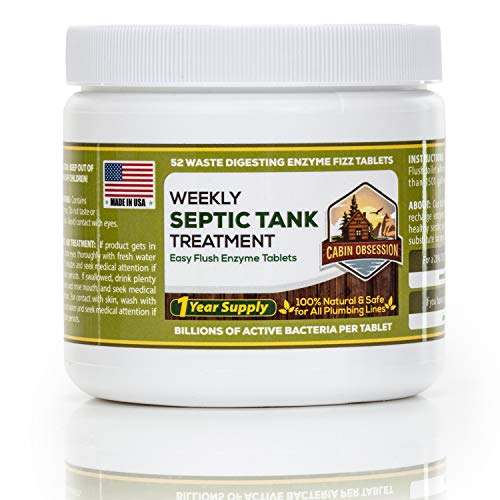
Septic Treatment by Cabin Obsession 52 Weekly Fizz Tablets

Septic System Drain Field Cleaner 32 oz Concentrate

Roebic K-570-Q 32-Ounce Leach & Drain Field Opener

Green Pig Drain Field Cleaner 1-Gallon Emergency Formula
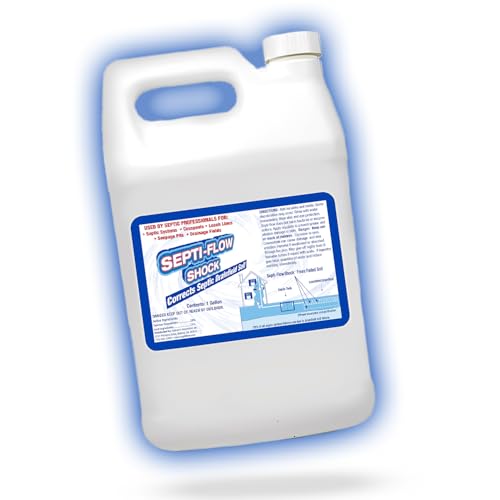
Septi-Flow Shock Drain Field Cleaner 1 Gallon

Eco Strong Septic Tank Shock Treatment 128 oz

Instant Power Professional Septic Shock 2L
A Deeper Look At The Lineup
For most homes with a healthy septic system that just needs steady upkeep, these dissolvable packets keep the routine simple. Drop one in the toilet each month, flush, and the bacteria head to the tank where they help digest solids before they reach the drainfield. Cabin Obsession positions this as a one-flush monthly habit, which is genuinely the lowest-effort path to prevention.
For comparison, the DrainFix option later in the list works across RVs and home plumbing, while this one stays focused on the residential tank. Twelve packets cover a full year, so there is no guesswork on timing. The honest read is that this works as prevention, not as a rescue for a system that is already failing.
Advantages To Know
- Monthly flush-and-forget routine, no measuring required
- Full year of supply in a single box, easy to store
- Helps prevent the kind of slow drainfield that leads to costly digging
- Compatible with standard residential septic tanks and plumbing
Worth Noting
- Not designed for emergency restoration of a flooded drainfield
- Owners with heavy kitchen grease or laundry loads may want a stronger periodic shock
Who It Suits Best
Households on a normal tank with no warning signs who want a low-maintenance annual schedule.
Where Another Pick Suits Better
For homes already showing slow drains or soggy spots, the Roebic K-570-Q 32-Ounce Leach & Drain Field Opener is a better match.
Bio-Safe Organics built DrainFix for the household that splits time between a sticks-and-bricks home and an RV or lake cabin. The enzyme-based liquid pours down any drain, so the same bottle handles kitchen sinks, bathroom lines, and holding tanks. It pulls double duty as both routine maintenance and a periodic shock dose when the leach field starts to feel sluggish.
Unlike the Cabin Obsession packets above, this one is a liquid you measure, so dosing takes a little attention. The trade-off is flexibility, since the formula is described as safe for both sewer lines and septic systems. For RV owners specifically, that cross-compatibility is the main draw.
A Strong Showing
- Works in home plumbing, RV holding tanks, and sewer lines
- Liquid form lets you adjust dose to system size
- Enzyme blend targets organic buildup without harsh chemicals
- Useful as monthly upkeep or as a shock when drains slow
Trade Offs
- Requires measuring rather than a flush-and-forget packet
- Storage of an opened 32 oz bottle needs a cool, shaded spot
Made For
Shoppers with both a primary home and an RV or vacation property who want one bottle for both.
Look Elsewhere When
If you want a true set-and-forget schedule, the Septic Treatment by Cabin Obsession 12-Month Bacteria Packets removes the measuring step entirely.
Bio-Safe One’s BIO-112 is built for the kind of problem the smaller bottles in this list cannot reach: a drainfield that is failing rather than slowing. It arrives as a five-gallon liquid concentrate, so it is not a casual purchase. The brand describes a proprietary bacterial blend and a multi-year shelf life, which makes storage simpler if you only deploy it in genuine emergencies.
For comparison, the Cabin Obsession 12-Month Packets and the DrainFix bottle handle maintenance and mild clogs. BIO-112 sits at the other end of the spectrum, aimed at commercial sites, older homes with mature drainfields, and grease-trap systems. You will likely pour in more than a single dose, so the bulk format keeps the per-treatment cost reasonable when restoration is the goal.
Real Benefits
- Targets the bio-mat layer that blocks drainfield lines
- Liquid form is faster-acting than powders or pellets
- Long shelf life, useful for property managers stocking a supply
- Suitable for both septic and grease-trap systems
- Comes in a 5-gallon pail with bulk drums available for commercial use
Points To Note
- Five gallons is far more than a typical home needs for a single dose
- Higher upfront cost than the smaller monthly options
Best Suited To
Property owners dealing with a drainfield that is already struggling, plus anyone who manages multiple tanks or commercial grease traps.
Not Your Match When
For a healthy system that just needs steady upkeep, the Septic Treatment by Cabin Obsession 12-Month Bacteria Packets is a more proportional fit.
Where the Cabin Obsession packets above dose monthly, these fizz tablets bring the same brand to a weekly rhythm. Fifty-two tablets cover a full year, and the format is genuinely low effort: drop one in, let it dissolve, flush. The brand notes that each tablet carries billions of active cultures, which keeps the bacterial population topped up in the tank.
For households with a garbage disposal, large family, or steady laundry volume, weekly dosing tends to outperform monthly packets. The trade-off is that you have to remember every week rather than once a month. People who travel often may find a monthly product easier to keep on schedule.
What Pays Off
- Year of treatment with no measuring
- Higher-frequency dosing suits heavy-use households
- Tablets dissolve without stirring or special handling
- Natural formulation safe for standard plumbing
Some Limits To Know
- Weekly habit is harder to maintain than a monthly one
- Overkill for low-use homes like weekend cabins
Who Will Love This
Large families, homes with garbage disposals, and properties where the drainfield works harder than average.
A Better Fit Elsewhere
For a smaller, lower-use system, the Septic Treatment by Cabin Obsession 12-Month Bacteria Packets reduces the dosing frequency.
Cabin Obsession’s 32 oz concentrated liquid takes the same brand into shock-treatment territory. The label calls out professional strength and the ability to break down grease, starch, paper, and protein that block pipes and leach lines. It is sized for an annual dose rather than monthly use, which fits how most homeowners actually deploy a shock treatment.
Compared to the BIO-112 in pick 3, this is a smaller, more approachable bottle aimed at residential recovery. The concentrate format means you measure out what your system needs. The honest read is that for an annual refresh, this 32 oz hits a useful middle ground between monthly packets and a five-gallon pail.
What It Does Well
- Targets the organic solids that build up in leach lines over years
- Concentrated format, so a single 32 oz bottle covers most homes
- Can be used annually or as a recovery dose when symptoms appear
- Liquid form gets to work faster than powders
Honest Caveats
- Requires pouring and measuring rather than a packet
- For severely failed systems, a stronger product like BIO-112 may be needed
Perfect Match For
Homeowners who maintain a steady monthly routine but want an annual shock dose to keep the leach field open.
Swap It Out When
For a system that is already failing rather than slowing, the Bio-Safe One BIO-112 Septic Tank Treatment 5-Gallon offers much heavier restoration capacity.
Roebic has been in the bacterial-treatment space for decades, and the K-570-Q leans into that experience. The label calls out a biodegradable, soap- and detergent-resistant bacterial blend aimed specifically at sluggish leach and drain fields. It is sold under the drain openers category rather than monthly maintenance, which signals its purpose as a recovery dose.
For homes that use conventional detergents in normal amounts, K-570-Q is a familiar formula. For households that use a lot of harsh cleaners or have hard water, the soap-resistant bacteria matter more. The bottle is 32 ounces, similar in size to the Cabin Obsession concentrate in pick 5, but with a different strain profile.
Notable Gains
- Targets drainfield clogs as a recovery treatment
- Bacterial strains chosen to tolerate soaps and detergents
- Biodegradable formula, safe for the surrounding soil
- Comes from a long-established septic treatment brand
Factors To Consider
- Not intended for weekly or monthly maintenance routines
- Some users may prefer a measured pour over a granular dosing
Right Fit For
Homeowners who notice early signs of a slow drainfield and want a recognizable, established formula to clear it.
Reach For A Different Pick When
For ongoing monthly upkeep, the Septic Treatment by Cabin Obsession 12-Month Bacteria Packets fits the schedule better.
Green Pig’s one-gallon jug is positioned for the household that has noticed the first real warning sign, slow drains, gurgling toilets, or that distinctive sour smell near the tank. The enzyme blend is described as safe for septic systems while still working to clear clogs and neutralize odors. The one-gallon size also means you can dose larger tanks or repeat applications without running out mid-treatment.
Unlike the smaller 32 oz concentrates in picks 5 and 6, this one gives you headroom for a tougher clog. Compared to BIO-112 in pick 3, Green Pig is friendlier in price and easier to handle, but it is not the same bulk-restoration formula. For most homes, the gallon size is generous without being industrial.
Practical Pluses
- Full gallon allows for repeat or larger doses
- Tackles clogs and odor in a single product
- Liquid enzyme formula is straightforward to apply
- Safe for ongoing septic system health
Possible Compromises
- Heavier bottle is less convenient to store than smaller options
- More volume than a low-use home actually needs in a single dose
Who Should Grab It
Homeowners who are already seeing backup symptoms and want a single bottle with enough capacity to address the issue.
Consider Something Else When
For a steady maintenance routine instead of an emergency, the Septic Treatment by Cabin Obsession 12-Month Bacteria Packets makes more sense.
Septi-Flow built this gallon jug specifically to clear the drainfield lines themselves, with a stated focus on the buildup of soaps, detergents, sodium, and sulfates. That is a different angle than most enzyme products, which target organic solids. For homes with a water softener or heavy laundry habits, the sodium and sulfate angle is genuinely useful.
Where the Green Pig jug in pick 7 emphasizes clogs and odor, Septi-Flow emphasizes line flow and chemical buildup. The trade-off is that it is a one-trick specialist rather than an all-purpose treatment. Pairing it with a monthly maintenance product like the Cabin Obsession packets tends to cover both organic and chemical sides of the problem.
What Makes Sense
- Targets the mineral and detergent residue other treatments miss
- One-gallon size fits a single drainfield shock dose
- Liquid form reaches the lateral lines directly
- Useful in homes with softeners or frequent laundry
Things To Consider
- Less focused on organic clogs than enzyme-only options
- Best used as part of a wider maintenance plan
Built With In Mind
Households with a water softener, large family, or steady detergent load that may be contributing to slow drainage.
Another Choice May Suit
For pure organic clog recovery without the chemical-buildup angle, the Green Pig Drain Field Cleaner 1-Gallon Emergency Formula is a closer match.
Eco Strong’s 128 ounce jug lands in the same one-gallon size category as Green Pig and Septi-Flow but pairs that volume with a bio-enzymatic formula that targets grease, hair, and organic solids. The label frames it as a rescue for failing leach fields, dry wells, and cesspools, which is a stronger claim than a maintenance product typically makes. For a household that wants a single big dose rather than a stack of small bottles, the math works out reasonably.
Compared to the Cabin Obsession 32 oz concentrate in pick 5, this is four times the volume and is positioned for a more aggressive recovery. The trade-off is storage: a gallon jug takes up more space in a garage or utility closet than a 32 oz bottle does. For homes with multiple tanks or a chronically sluggish system, the volume is a real advantage.
What Helps Most
- One-gallon size covers a thorough single treatment
- Bio-enzyme formula targets grease, hair, and organic buildup
- Marketed for leach field, dry well, and cesspool recovery
- Larger format is economical per dose
Things To Weigh Up
- Heavier bottle to handle and store than smaller concentrates
- More volume than a single small household system may need
Whose Shelf It Belongs On
Properties with larger tanks, multiple plumbing zones, or chronic slow-drainage issues that benefit from a bigger single dose.
Skip It When
For a typical single-family home with a standard tank, the Septic System Drain Field Cleaner 32 oz Concentrate is easier to handle.
Instant Power closes out the list with a compact 2-liter bottle built around targeted shock dosing. The formula is described as breaking down paper, grease, soap, protein, and starch, with the goal of opening lateral and leach lines. The smaller size is easier to store than a gallon jug, and it works as a one-time recovery dose when symptoms first appear.
For homeowners who do not want to commit to a gallon or stack of packets, 2 liters is a sensible middle ground. It is bigger than the 32 oz concentrates in picks 5 and 6 but smaller than the Green Pig or Eco Strong gallons. The trade-off is that you cannot split it across multiple systems or repeat doses the way a gallon jug allows.
What Stands Out
- Compact 2L size, easy to handle and store
- Targets a wide range of organic clog sources
- Designed to open leach and lateral lines
- Single treatment covers most standard residential systems
Small Caveats
- Not enough volume for multiple doses or larger tanks
- No ongoing maintenance dosing, so it pairs with a separate monthly product
The Right Fit
Homeowners who want a one-time recovery dose in a manageable bottle without committing to gallon-jug volume.
Where A Sibling Pick Shines
For larger tanks or repeated applications, the Eco Strong Septic Tank Shock Treatment 128 oz gives you more room to work.
What Matters Most Before Choosing a Leach Field Shock Treatment
Start by diagnosing the actual problem before you choose a product. A drainfield that is slow but still flowing usually responds to enzyme or bacterial treatments applied monthly or as an annual shock. A drainfield that is surfacing water, smelling strongly, or backing up indoors is in a different category and may need a heavier concentrate or bulk formula, with a professional inspection in serious cases.
Match the format to the household’s habits. Flush-and-forget packets suit people who travel or forget schedules. Liquids suit homeowners who want to measure by tank size. Bulk jugs suit property managers, larger tanks, and recurring treatment plans.
Look at the bacterial and enzyme profile the brand actually publishes, since some formulas target organic solids while others emphasize detergent and mineral buildup. Homes with a water softener or heavy laundry load benefit from the second type, while kitchens with garbage disposals usually need the first.
Finally, weigh the septic system size against the bottle. A 2-liter jug is plenty for a small home, while larger tanks and multi-zone plumbing benefit from a gallon. Buying too little forces repeat purchases, while buying too much creates storage and shelf-life questions.
Key Considerations Across These Picks
Common Shopping Slip Ups
One of the easiest mistakes is reaching for the strongest bottle on the list when the actual problem is a routine maintenance gap. Heavy restoration products like BIO-112 are built for failing systems, and using them on a healthy tank is overkill. Match the dose to the situation, not to the marketing.
Another trap is assuming all septic products are interchangeable. Monthly maintenance packets, annual shock concentrates, and bulk restoration formulas serve very different purposes. Buying a 5-gallon pail for a healthy home is wasted money, while buying a packet for a surfacing drainfield is wasted time.
Where The Extra Money Goes
Spending more on a leach field treatment typically buys higher bacterial counts, longer shelf life, and broader targeting of mineral and detergent buildup. Premium options also tend to come in larger or more concentrated formats, which lowers the per-dose cost over time.
The honest case for upgrading is a chronically slow system, a home with a water softener, or a property manager running multiple tanks. For everyone else, a mid-range concentrate paired with monthly maintenance is usually the most economical path to a healthy drainfield.
Frequently Asked Questions
How often should a leach field be shocked?
Most healthy systems benefit from an annual shock dose alongside monthly maintenance. Systems showing slow drainage may need a second dose within a few months, while failing drainfields often need professional attention before any treatment will help.
Are septic shock treatments safe for plumbing?
Enzyme and bacterial treatments are designed to be safe for standard residential plumbing. They avoid the harsh acids and caustics found in chemical drain openers, which is why they are gentler on pipes and on the bacterial population inside the tank.
Can a shock treatment fix a failed drainfield?
Treatments can restore flow to sluggish and partially clogged drainfields, but a fully failed drainfield with saturated soil usually needs more than enzymes. In those cases, a shock treatment can buy time before a professional inspection or replacement.
Do leach field treatments work in cold weather?
Bacterial activity slows in cold soil, so treatments are most effective when applied during warmer months. Pouring a dose into the system before the ground freezes is a common practice for spring recovery.
How long until results show up?
Some homeowners see improved drainage within a few days, while older or more clogged systems may take several weeks of repeated treatment. Pairing a shock dose with steady monthly maintenance tends to give the most consistent long-term results.
Bottom Line
The right leach field shock treatment depends on whether you are maintaining, recovering, or restoring. Packets and weekly tablets keep healthy systems moving, while concentrated liquids handle the slow spots. Bulk formulas belong in the truck of a property manager or in a garage reserved for genuine emergencies. Match the dose to the system and the habit to the household, and the drainfield will usually take care of itself.




