

Low water pressure turns a morning shower into a guessing game and a dishwasher into a longer chore. Modern home water pressure booster pumps solve the problem at the source, sitting quietly on the main line and lifting flow to every fixture. The nine options below cover everything from compact under-sink units to heavy-duty whole-house systems, so the right match comes down to your home size, plumbing layout, and tolerance for noise.
The Shortlist At A Glance
GWANZI 1.2HP Variable Speed Booster Pump 90PSI

czobloik 80 PSI Whole House Booster Pump 115V

MixBubole 1.35HP Stainless Steel Booster Pump 90PSI
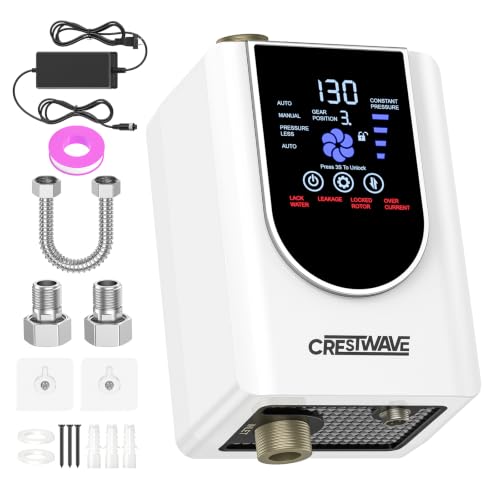
CrestWave Automatic Booster Pump 130W 42PSI

CrestWave Automatic Booster Pump 85W 25.6PSI

AquaPak Aqua Pak Pressurizer PRES-FIX10E-P10 1 HP

Dreyoo Diaphragm Pump 115V 4GPM 45 PSI
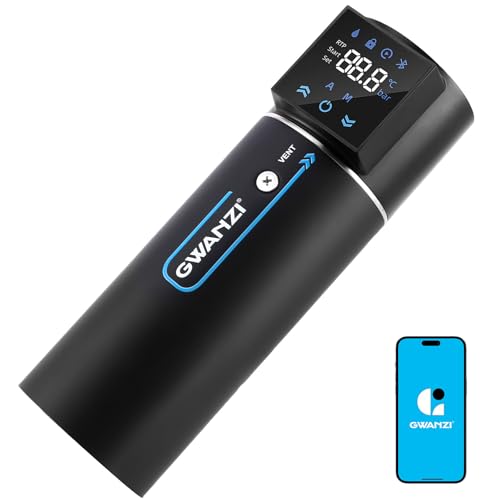
GWANZI 1HP Variable Speed Booster Pump 90PSI

GWANZI 1.5HP Variable Speed Booster Pump 90PSI
A Deeper Look At The Lineup
The GWANZI 1.2HP sits at a comfortable middle point in the lineup, with a permanent magnet motor that scales its speed to match demand rather than running flat-out all day. The variable-speed design is the part that matters most: when only the kitchen tap is open, the pump eases back, and when someone upstairs starts the shower, it ramps up within milliseconds to keep flow consistent.
Wireless app control sets it apart from the older fixed-speed designs, letting you adjust pressure targets or check status from a phone. In a typical three-bathroom home with municipal water in the 40 PSI range, that means you finally get a steady stream at the upstairs shower without a pressure tank screaming in the basement.
Key Advantages
- Variable-speed permanent magnet motor adjusts to demand, saving energy over single-speed pumps
- Wireless app lets you tweak pressure settings and monitor performance remotely
- Capable of lifting home pressure to a steady 90 PSI target for multi-fixture use
- OTA firmware updates through the app extend useful life without a service call
- Sized for whole-house installation on a standard 115V household circuit
Worth Noting
- Smart features require comfort with app-based setup rather than a physical dial
- Whole-house output assumes adequate incoming supply; well owners may need additional pre-filtration
Key Specs
Built For The Connected Homeowner
Anyone comfortable tuning a phone app and looking for a whole-house fix with monitoring built in will appreciate this GWANZI model most.
Reach For A Different Pick When
The czobloik 80 PSI Booster Pump suits shoppers who prefer a physical control panel over app-driven setup and want a simpler install path.
The czobloik 80 PSI booster keeps things straightforward, and that is exactly the appeal. A built-in control panel lets you dial in pressure settings without pulling out a phone, which is a quiet kind of relief for anyone who would rather not connect plumbing hardware to a home network. The self-priming structure helps the pump draw water efficiently even in systems with modest incoming pressure.
Compared with the GWANZI 1.2HP at the top of the list, this model trades app connectivity for a simpler user experience and a lower price tier. In a single-bath condo or a small rental where low flow is the main complaint, that trade usually lands well.
Useful Strengths
- Front-mounted pressure control panel for quick manual adjustments
- Self-priming integrated structure supports steady draw from the supply line
- 115V power keeps installation close to standard household wiring
- Compact enough for tight mechanical rooms or under-counter mounting
Honest Caveats
- 80 PSI ceiling is fine for most fixtures but may feel modest for large multi-bath layouts
- No wireless monitoring means diagnostics require on-site checks
- Periodic priming checks may be needed after extended downtime
Best Suited To
Homeowners with modest pressure complaints who want a no-frills upgrade without committing to a smart-home ecosystem.
Swap It Out When
The CrestWave 130W Booster Pump is a better fit for renters or apartment dwellers seeking an even smaller footprint with multi-mode flexibility.
Noise is the sleeper issue with home booster pumps, and the MixBubole 1.35HP tackles it head-on with water-cooling technology that flows water through the motor housing to keep temperatures in check. The result is roughly 30 dB of operating sound, which lands closer to a quiet refrigerator hum than the buzz that traditional air-cooled pumps produce.
It also steps up in build quality with 304 stainless steel internals, sidestepping the rusty-water concerns that come with older cast-iron designs. In homes where the mechanical room shares a wall with a bedroom, the calm operation is the difference between ignoring the pump and resenting it.
Notable Upsides
- Water-cooled motor delivers around 30 dB of operating noise for near-silent performance
- 304 stainless steel body and internals protect water clarity over years of service
- 1.35HP motor provides meaningful pressure lift for larger homes
- Compact footprint simplifies placement in tight mechanical closets
- Wireless app control for fine-tuning pressure targets remotely
Points To Keep In Mind
- Higher horsepower draws more current than smaller units, so circuit capacity matters
- Stainless construction adds weight, requiring solid mounting during installation
- Premium positioning places it above basic pressure-boosting needs
The Right Fit For
Households that share walls with the mechanical room and care deeply about quiet operation alongside strong pressure.
Look Elsewhere When
The Dreyoo Diaphragm Pump 115V is a more appropriate choice for utility taps and garden lines where silence matters less and simplicity rules.
The CrestWave 130W trades raw horsepower for a smaller, smarter package that fits where whole-house boosters cannot. Four operating modes, including Auto, Manual, and Zero-Pressure options, let you tailor behavior to the situation, while three adjustable speed levels across all modes give you finer control than a simple on-off pump.
Compared with the heavy-duty AquaPak pressurizer later in the list, this CrestWave prioritizes flexibility and a compact footprint over maximum lift. In apartments or condos where the main shutoff limits what you can install, that smaller profile often decides the outcome.
What Stands Out
- Four operating modes including Auto, Manual, and Zero-Pressure handling
- Three adjustable speed levels for fine flow tuning across modes
- 130W motor pulls up to 715 GPH, enough for one or two fixtures at a time
- 42 PSI ceiling suits moderate incoming pressure from municipal supplies
- Compact body fits inside cabinets and tight utility closets
A Few Limitations
- 42 PSI maximum may feel limiting in homes with very low incoming pressure
- Designed for lighter household loads, not simultaneous multi-bath demand
Who Should Grab It
Renters, condo owners, and small-household shoppers who want mode flexibility without a full whole-house install.
Consider Something Else When
The GWANZI 1HP Variable Speed Booster Pump delivers more consistent pressure for mid-sized family homes with multi-bath routines.
The CrestWave 85W is the gentlest option in this roundup, and that is not a weakness. Studios, tiny homes, and secondary dwellings often need a small lift rather than a major overhaul, and this pump delivers up to 550 GPH at 25.6 PSI without dominating the under-sink cabinet.
Three operating modes keep things simple: Auto for everyday use, Manual for specific tasks, and Zero-Pressure for tricky supply situations. For a single occupant running a kitchen tap and one bathroom, this is usually enough horsepower to make every fixture feel responsive.
Features That Help
- Three operating modes handle everyday, specific, and low-supply scenarios
- 85W motor keeps electrical draw modest on shared circuits
- Up to 550 GPH suits single-fixture and small-household demand
- Lightweight design fits inside kitchen cabinets without dedicated mounting hardware
Trade-Offs To Consider
- 25.6 PSI ceiling is not enough for showers running alongside other fixtures
- Not designed for multi-bathroom homes with simultaneous demand
Made For
Studio dwellers, ADU owners, and small-household shoppers who need a subtle pressure lift on a single fixture at a time.
Another Choice May Suit
The CrestWave 130W Booster Pump serves similar compact spaces but adds capacity for slightly heavier simultaneous use.
The AquaPak PRES-FIX10E-P10 is the workhorse of the list, built for homes with two to three bathrooms and up to twelve fixture keys in service. Stainless steel construction runs through the shaft, body, suction, and discharge, paired with a Noryl impeller (a high-strength glass-filled polymer that resists corrosion and mineral wear) that keeps the wet end durable across years of daily cycling.
Self-priming capability up to 9 meters makes this unit useful where the supply line sits well below the pump. In a two-story home where municipal pressure arrives around 35 PSI, the AquaPak pushes flow to every fixture without dropping off when someone runs the washing machine mid-shower.
Benefits That Matter
- 1 HP motor moves up to 43 LPM for two to three bathroom households
- Stainless steel shaft, body, suction, and discharge protect against corrosion
- Noryl impeller balances durability with efficient flow characteristics
- Self-priming to 9 meters handles installations below supply level
- Enclosed aluminum motor housing manages heat in continuous duty
Less Ideal Details
- Larger footprint demands dedicated mechanical-room space
- Higher horsepower means greater electrical draw than compact alternatives
- Single-speed operation lacks the fine efficiency of variable-speed models
Feature Snapshot
Whose Shelf It Belongs On
Multi-bathroom households on municipal water that need steady flow without paying for variable-speed smart features.
A Better Fit Elsewhere
The GWANZI 1.5HP Variable Speed Booster Pump serves large villas where app-based monitoring and higher headroom are priorities.
The Dreyoo diaphragm pump operates on a different principle than the centrifugal boosters earlier in this list. A flexible diaphragm (a rubber or polymer membrane that flexes to move water) pulses water through the system, automatically opening when a tap turns on and shutting off when it closes, so there is no need for a pressure tank in many installs.
Dry-run protection is the standout safety feature for outdoor and utility use, where the pump might be left on without water present. Garden taps, garage workshops, and RV setups tend to benefit most from this kind of forgiving behavior, which is why the Dreyoo earns a place among mostly whole-house options.
Notable Gains
- Automatic operation that responds to tap on/off without a pressure tank
- Dry-run capability protects the motor when water supply drops unexpectedly
- Thermal overload and ignition protection for safer unattended operation
- Self-priming design supports smooth startup across varied conditions
- Extension on/off switch simplifies placement in awkward spots
Practical Considerations
- 4 GPM flow rate is best for single-fixture utility use, not whole-house demand
- Diaphragm pumps pulse rather than deliver a continuous stream
Quick Facts
Perfect Match For
Workshop, garage, and outdoor-line applications where a single utility tap needs reliable, automatic flow.
Skip It When
The czobloik 80 PSI Booster Pump is the right answer for whole-house pressure complaints rather than single-fixture utility use.
The GWANZI 1HP splits the difference between the larger 1.2HP unit and lighter-duty options, giving mid-sized family homes a balanced pressure profile without overpumping. Variable-speed operation keeps energy use proportional to demand, and the wireless app gives you the same monitoring and tuning you’d get from the bigger sibling.
In a typical four-person household with two bathrooms, this pump often hits the sweet spot between capability and cost. Compared with the heavier AquaPak unit, the GWANZI 1HP trades raw flow for quieter operation and smarter cycling.
Where It Helps
- 1HP variable-speed motor balances lift with energy efficiency
- Wireless app lets you monitor pressure and tweak settings remotely
- 90 PSI ceiling handles showers, laundry, and kitchen taps together
- 115V operation fits standard North American household circuits
- OTA firmware updates keep the unit current without a service visit
Where It May Fall Short
- Less headroom than the 1.5HP sibling for very large multi-bath homes
- App-driven controls may not appeal to traditional shoppers
Feature Snapshot
Who Will Love This
Mid-sized family households that want app-based monitoring and balanced performance without stepping up to the largest GWANZI model.
Not Your Match When
The CrestWave 130W Booster Pump works better for small apartments where heavy-duty whole-house output is unnecessary.
The GWANZI 1.5HP delivers the most headroom in the lineup, a permanent-magnet motor scaled for villas, large multi-bath homes, and any layout where water has to travel a long way before reaching a fixture. With 1.5 horsepower on tap, the pump holds steady pressure even when several bathrooms, a dishwasher, and outdoor sprinklers run at the same time.
Wireless app control and OTA firmware updates round out the package, keeping this model relevant for years without service visits. Compared with the GWANZI 1HP earlier in the list, the 1.5HP is the answer when you need maximum capacity rather than balanced everyday use.
Useful Touches
- 1.5HP permanent magnet motor delivers the highest lift in the GWANZI family
- Variable-speed operation keeps energy use proportional to demand
- Wireless app with OTA updates for remote tuning and firmware upgrades
- 90 PSI ceiling handles simultaneous multi-bath and outdoor demand
- Standard 115V wiring keeps electrical installation straightforward
Possible Compromises
- Higher horsepower draws more current, so dedicated circuit capacity is wise
- Premium positioning makes it overkill for single-bath homes
Made For
Large villas, multi-bath estates, and households running several fixtures at once without sacrificing flow at any one of them.
Where Another Pick Suits Better
The AquaPak Aqua Pak Pressurizer PRES-FIX10E-P10 is a strong match for multi-bath homes that prefer stainless-heavy fixed-speed design over smart features.
What To Weigh Before Choosing Your Booster Pump
Matching a pump to a home is less about horsepower and more about how the water has to move. Flow rate (measured in GPM or LPM) tells you how much water the pump can move per minute, while pressure (PSI) tells you how strongly it pushes. For whole-house use, you generally want at least 40 to 50 PSI at the furthest fixture to keep showers and appliances happy.
Home size and fixture count set the baseline. A studio or one-bath apartment usually gets by with a compact unit in the 80 to 130W class, while two to three bathroom homes often need 1 HP or more. Multi-story layouts add vertical lift, so headroom matters more than raw flow for upstairs fixtures.
Power and circuit capacity are easy to overlook. Most household boosters run on 115V outlets, but larger units pull more current and may need a dedicated 15-amp or 20-amp circuit. Verify your panel has the room before installation day arrives.
Noise tolerance changes the shortlist quickly. Water-cooled and variable-speed designs run quieter than traditional air-cooled pumps, which matters when the mechanical room shares a wall with living space.
Key Considerations Across These Picks
Common Shopping Slip Ups
Undersizing the pump is the most frequent mistake: shoppers often pick a unit based on incoming pressure alone rather than the household’s simultaneous demand. Counting fixtures, not just complaints, gives a more honest picture of what you need. Skipping a check on circuit capacity creates a second common stumble, where the install arrives only to discover the panel cannot safely feed the new motor. Plan ahead, measure the load, and confirm the dedicated line before placing the order.
Why The Higher Tier Costs More
Premium models earn their higher price through variable-speed motors, water cooling, stainless internals, and app-based controls that extend useful life. In a large or multi-story home, the extra headroom and quieter operation translate to years of daily comfort rather than marginal spec gains. The case for spending up is strongest in homes where the pump will run for hours each day; for lighter-duty situations, a mid-range unit handles the job without the premium.




