

A solvent weld isn’t glamorous, but it’s the difference between a dry basement and a damp one. Most homeowners meet PVC glue in a small crisis: a cracked trap under a bathroom sink, a sprinkler lateral split by a root, or a pool hose repair before guests arrive. The right adhesive depends on whether you’re joining pressurized water lines, gluing plastic to plastic in a 3D-printed model, or chasing down a hairline leak. This roundup matches eight options to the way they’re actually used.
The Choices Worth Comparing
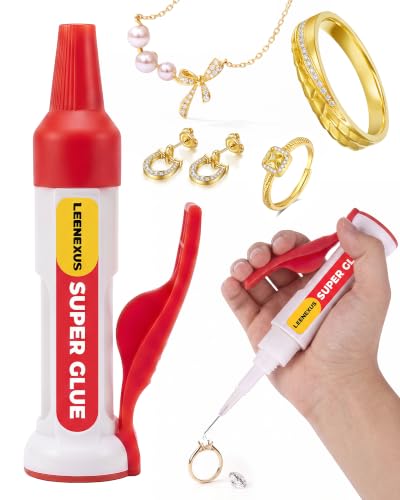
LEENEXUS Professional Jewelry Glue 20ml
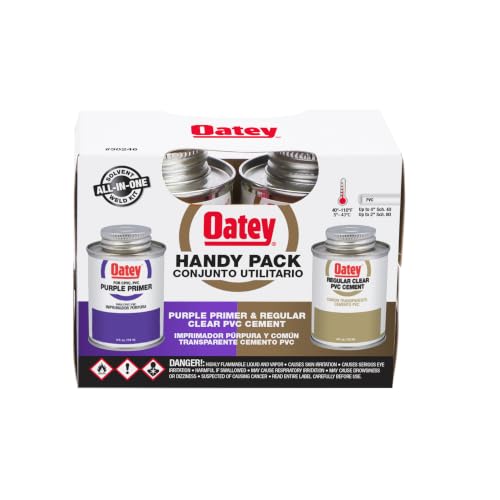
Oatey 30246 PVC Cement and Primer Handy Pack
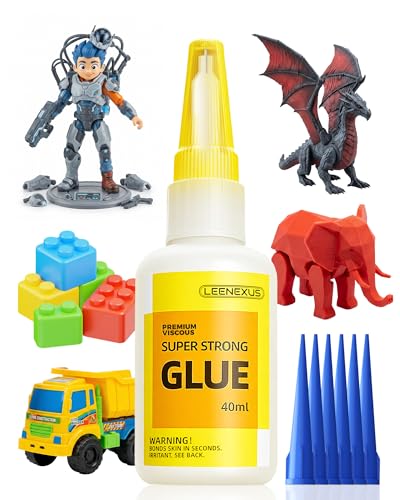
LEENEXUS Craft Glue 40ml with 6 Tips

LEENEXUS Super Glue for Plastic 40ml

Oatey 30925 Transition Solvent Cement 16 oz

LEENEXUS Super Glue for Shoes 5g Gel

LEENEXUS Jewelry Glue 40ml Gel CA

LEENEXUS Super Glue for Shoes 20ml
The Details Behind The Selections
This 20ml bottle of LEENEXUS jewelry adhesive is built around one job: gluing rhinestones, gems, and small findings in a way that’s nearly invisible when it dries. The narrow precision tip helps you place a single drop without flooding the bezel cup around a stone. For crafters repairing a favorite pair of earrings or finishing a resin-adjacent project, the cure profile and clarity matter more than raw bond strength. Compared to Oatey’s solvent cement later in this list, this is a different tool entirely, built for detail rather than pipe welding.
The dry time is short, and the cured bond is meant to resist yellowing over time, which matters for jewelry that’s worn near skin and exposed to light. It’s not designed to join pressurized PVC plumbing, and using it that way would be a mistake.
What Makes Sense
- Micro-precision tip that places a controlled drop on small findings without overflow
- Crystal-clear, non-yellowing finish that’s invisible on transparent or pale stones
- Low odor compared to typical CA adhesives, friendlier for indoor craft sessions
- Water-resistant cure that holds up under everyday wear, including handwashing
- 20ml size fits a hobby bench without taking on the bulk of a workshop cement
Things To Consider
- Bond area is small, so it’s not suited for flat-surface panel repairs or anything load-bearing
- Cap and nozzle clog if you skip a quick wipe after each session, a habit worth keeping
Who It Suits Best
Jewelry makers and hobbyists re-setting a loose stone or finishing a rhinestone patch on a costume piece will find this size and tip combination practical for frequent detail work.
Where Another Pick Suits Better
Anyone bonding plastic-to-plastic on a model or RC car should reach for LEENEXUS Super Glue for Plastic instead, since its thin viscosity handles hairline cracks far better.
This handy pack pairs a 4 oz can of regular-bodied clear PVC cement with a 4 oz can of purple primer, the two-step combo that produces a true solvent weld. The primer softens and cleans the PVC surface, and the cement chemically fuses the joint rather than just sticking to it. For homeowners working on a cold-water line, a sprinkler manifold, or a drain, waste, and vent (DWV) stack, that two-can approach matches what plumbers actually do on the truck. The LEENEXUS jewelry glue covered earlier is a completely different category, since it isn’t a solvent cement at all.
Both cans are sized for the small repair, not a whole-house rough-in. Application temperature sits between 40 and 110 degrees Fahrenheit, so cold winter garages can slow the cure noticeably.
Positive Points
- Two-can pairing delivers the industry-standard primer-plus-cement sequence
- NSF-rated purple primer for potable water applications
- Clear cement sets up cleanly enough to spot missed coverage
- Compatible with pressure pipe, conduit, and DWV work
- Compact 4 oz cans are easy to store between uses without drying out
Worth Noting
- Both cans must stay sealed tightly after each use, since solvent cement cures from solvent loss
- Working below 40 degrees Fahrenheit slows the set and weakens the weld if rushed
- Not formulated for ABS-to-PVC transitions, which is what the Oatey 30925 is for
Feature Snapshot
Right Fit For
DIYers facing a pressurized cold-water line repair or a sink drain replacement will appreciate having both cans on hand for the textbook two-step weld.
Not Your Match When
Anyone working on an ABS-to-PVC transition joint should grab Oatey 30925 Medium Bodied Transition Cement instead, which is formulated for that mixed material.
The pitch is simple: one 40ml bottle that claims to bond wood, plastic, metal, ceramic, leather, and paper without forcing you to keep six specialty tubes on a shelf. Six extra precision tips ship in the box, which matters because cyanoacrylates (CAs, the chemistry behind super glue) cure fast and clog nozzles within minutes if a drop sits inside. Unlike Oatey’s plumbing cement above, this is a CA-based adhesive, so it works by reacting with trace moisture on the bonding surface rather than by softening the plastic.
The trade-off is that “all-purpose” rarely means “best in class” for any single material. A heavy structural joint still wants a dedicated product.
Strengths Worth Knowing
- Six extra tips extend the life of the bottle by replacing a clogged nozzle instead of the whole tube
- Bonds a wide range of hobby and repair materials from paper to metal
- Clear dry line keeps craft and scrapbook projects looking clean
- Fast set time is useful when you need a piece to hold position in seconds
Trade Offs
- Not rated for pressurized PVC pipe joints, where a true solvent cement like the Oatey 30246 is required
- Bottle opening is fiddly in cold workshops, since CAs thicken below room temperature
- Single bottle can’t replace specialized adhesives for glass, rubber, or high-heat applications
Best Suited To
Home crafters and hobby tinkerers who want one bottle on the bench for mixed-material repairs from picture frames to broken plastic toys will find this convenient.
Skip It When
Anyone repairing a leaking PVC drain line needs Oatey 30246 PVC Cement and Primer instead, because CAs don’t create the solvent weld a pressurized pipe demands.
Where most “plastic glue” is a thick gel that sits on top of a crack, this one is a low-viscosity liquid. That matters because thin CA wicks into hairline fractures on a 3D-printed bracket or a split PETG part through capillary action, the same physics that pulls oil up a lamp wick. The listed plastics are PLA, ABS, PETG, PC, ASA, acrylic, and PVC, so it covers most hobby resins plus the PVC you’d find in model kits. Compared to the multi-surface craft glue in slot three, this one is built for plastic-specific capillary bonds rather than general repair.
The catch is control. A water-thin adhesive on a vertical face runs fast, so a toothpick or fine needle is worth keeping nearby.
Everyday Advantages
- Low viscosity flows into hairline cracks without drilling or filling
- Works on the common 3D-printing resins plus acrylic and standard PVC
- Dries clear so seams disappear on clear parts
- 40ml bottle is generous for a model shop where small repairs stack up
Honest Caveats
- Runny formula is hard to control on vertical surfaces without a secondary applicator
- Not formulated for pressurized plumbing joints, so don’t substitute it for Oatey 30246 on water lines
- Bonds skin almost instantly, a real risk when working without nitrile gloves
Feature Card
Whose Shelf It Belongs On
3D printing hobbyists and RC car builders chasing down split brackets, cracked housings, or delaminated model parts will appreciate the capillary action most.
A Better Fit Elsewhere
Homeowners working on a pressurized PVC plumbing joint should rely on Oatey 30246 PVC Cement and Primer, which produces the solvent weld a water line requires.
This green, medium-bodied cement is built for the awkward job the handy pack can’t do: joining ABS to PVC in a transition joint. Older homes often have a black ABS stack that meets a white PVC branch in the basement or under a sink, and a regular PVC-only cement will not fuse that hybrid weld correctly. The medium body helps the cement stay in the gap on a vertical joint without dripping. It meets South Coast Air Quality Management District (SCAQMD) low-VOC rules, a meaningful point in California jurisdictions and increasingly elsewhere.
Like any solvent cement, it’s a one-can product designed for transition joints, so it isn’t a substitute for the purple primer-and-cement two-step on a pure PVC pressurized line.
Advantages To Know
- Bridges ABS-to-PVC transitions up to 6 inches in diameter
- Medium body stays put on vertical pipe without running into the gap
- Green color visually marks a transition joint for future inspections
- Low-VOC formula meets SCAQMD and BAAQMD air quality standards
Points To Note
- Rated for non-pressure transition joints, so it isn’t a fit for incoming water mains
- 16 oz can is overkill for one-off repairs and must be sealed carefully to avoid skinning over
- Working range of 40 to 110 degrees Fahrenheit means cold-weather garage work slows the cure
Feature Card
Made For
Plumbers and homeowners dealing with a basement stack that mixes ABS and PVC will rely on this cement to form a correct transition weld.
Look Elsewhere When
Anyone working on a straight PVC pressurized run should use the Oatey 30246 PVC Cement and Primer Pack, which is formulated and code-listed for that exact job.
This 5g gel tube solves a problem that runny super glues make worse: working on the curved, often vertical edge of a sneaker sole. The thick gel stays where you place it, the side-squeeze bottle gives you a steady hand, and the small 5g size matches a one-or-two-shoe repair without leaving a half-used tube to harden in a junk drawer. Compared to the LEENEXUS thin-viscosity plastic glue in slot four, this one trades capillary flow for staying power. That said, it’s a niche item, and anyone trying to glue PVC pipe will need one of the Oatey cements covered here, not a shoe adhesive.
A Strong Showing
- Thick gel formula won’t run on the curved edge of a sole
- Side-squeeze bottle offers better control than a top-drip tube
- 5g size matches a single repair without waste
- Clear cure keeps a repaired edge looking tidy
Minor Gripes
- Gel body doesn’t wick into hairline cracks the way the thin-viscosity plastic glue does
- 5g tube is small, so large sole reattachments may run out before the job finishes
Who Will Love This
Apartment dwellers, parents, and travelers who just need to re-glue a lifting sole edge or a loose heel cap will find this single-use size practical.
Consider Something Else When
Anyone with multiple pairs of shoes in rotation should look at LEENEXUS 20ml Shoe Glue, which holds more volume for repeated repairs.
This is essentially the bigger sibling of the 20ml jewelry glue in slot one, packaged as a gel CA with multiple micro-precision tips included. The gel body keeps the drop from running into a prong setting or bead hole, and the extra tips matter because CA nozzles are the most common failure point on any small bottle. It dries clear and is meant to resist yellowing over time, which is the property jewelry makers care most about. It’s not a solvent cement, and using it to weld PVC pipe would fail almost immediately, so don’t substitute it for the Oatey cans reviewed here.
Bright Spots
- Multiple micro-precision tips included for fine stone-setting work
- Gel body resists running on vertical jewelry surfaces
- Clear, non-yellowing cure keeps repairs invisible on pale stones
- 40ml size suits a working studio that goes through several bottles a season
- Low odor keeps indoor workshop conditions comfortable
Things To Consider
- Larger bottle risks drying out if you skip resealing between sessions, a common complaint with CA gels
- Bond area is small, so don’t reach for it on a load-bearing repair
Perfect Match For
Studio jewelers and frequent crafters who regularly re-set stones or repair beaded work will appreciate the larger volume and the included tips.
Swap It Out When
Occasional hobbyists who only need one small repair should consider the LEENEXUS 20ml jewelry glue, which gives a fresher bottle per session at a smaller size.
The 20ml version of the LEENEXUS shoe glue is the larger bottle that suits a household with several pairs in rotation, or a small workshop that re-glues heels and soles as a side business. It’s billed as a clear, heavy-duty CA adhesive that bonds rubber, leather, and plastic footwear, covering sneakers, boots, sandals, and casual shoes. The 5g gel in slot six handles a one-off repair; this one handles sustained use without forcing you to buy a new tube every other month. Like the smaller gel, it has nothing to do with pressurized PVC pipe, so leave it on the shoe bench.
What Earns Its Place
- 20ml volume supports multiple sole repairs without running dry mid-job
- Bonds rubber, leather, and plastic, the three materials found in most casual footwear
- Clear cure keeps visible repairs on light-colored shoes looking clean
- Heavy-duty CA chemistry delivers a fast initial tack
A Few Limitations
- Larger bottle has more glue sitting in the nozzle between uses, raising the clog risk
- Rapid set time means misalignments can’t be repositioned once contact is made
Built With In Mind
Active households, small repair shops, and anyone running through a few pairs of sneakers or boots a year will find this size fits the rhythm of repeated fixes.
Reach For A Different Pick When
A single, one-time sole lift is better served by the LEENEXUS 5g gel tube, which stays fresh in storage and avoids half-used bottles.
Choosing The Right Adhesive For Your PVC Job
PVC “glue” comes in two distinct chemistries, and confusing them is the most common cause of a failed repair. Solvent cements chemically fuse PVC by softening and re-fusing the surface, which is the only correct method for pressurized pipe, drains, and structural joints. Cyanoacrylate adhesives (CAs) bond through a reaction with surface moisture, which is excellent for hairline cracks, model kits, jewelry, and small plastic repairs but not for plumbing pressure.
Match The Adhesive To The Pipe
Start with the joint type. A pure PVC pressurized line needs a two-step primer-and-cement system like the Oatey 30246 Handy Pack. A mixed ABS-to-PVC transition joint needs the green Oatey 30925. A 3D-printed bracket, RC part, or hairline crack wants a thin-viscosity CA like the LEENEXUS plastic glue. A shoe sole, gem, or craft project wants a gel CA sized to the volume of work.
Mind The Working Conditions
Solvent cements rely on ambient temperature and a tight seal to cure correctly. Below 40 degrees Fahrenheit, the cure slows and a rushed joint can leak under pressure. CAs dislike cold workshops too, and they fog over on the bottle tip if you don’t purge the nozzle after a session. Storage matters as much as application: solvent cans and CA bottles both want a cool, dry spot with the cap wiped clean.
Match The Bottle To The Repair Volume
A 5g gel makes sense for one shoe. A 40ml bottle makes sense for a working model shop. A 4 oz solvent can makes sense for a small household repair; a 16 oz can is overkill unless you’re roughing in a bathroom. Oversizing a purchase often costs more in dried-out waste than it saves in unit price.
Before You Buy: Pitfalls and Payoffs
Mistakes Worth Dodging
The single most common error is treating any “plastic glue” as a substitute for solvent cement on pressurized pipe. CAs and craft adhesives do not produce a solvent weld, and the joint will fail under pressure. Another frequent slip is skipping primer on a PVC pressurized line, which leaves a weaker bond and fails inspection in many jurisdictions. Buying a 16 oz can for a single repair is also a trap, because half the can skins over before you finish the next job.
What Separates Premium From Basic
In solvent cements, the premium tier usually buys a low-VOC formula, a wider temperature working range, and a faster set that holds on a vertical joint. In CAs, paying more typically buys thinner viscosity for capillary wicking, included micro-tips that extend bottle life, and a gel body that resists running on vertical or curved surfaces. The upgrade makes sense when the joint is critical (pressurized plumbing, visible jewelry, load-bearing brackets) and matters less for disposable hobby work.
Frequently Asked Questions
Can I use super glue on a pressurized PVC pipe?
No. Super glue is a cyanoacrylate that bonds through surface moisture, not a solvent weld. Pressurized PVC pipe needs a primer-and-cement system like the Oatey 30246 Handy Pack.
What is the difference between PVC cement and PVC primer?
Primer softens and cleans the pipe surface to prepare it for fusion. Cement chemically fuses the joint by re-melting the plastic at the contact surfaces. They work as a pair on pressurized PVC.
Do I need a special cement for ABS-to-PVC joints?
Yes. A transition cement like the Oatey 30925 is formulated to weld ABS to PVC in non-pressure joints, since regular PVC cement won’t fuse the two materials correctly.
How long does PVC cement take to cure before use?
Cement sets in minutes for non-pressure tests, but pressurized lines typically need a full 24-hour cure before being put into service, especially in cold conditions.
Can clear PVC cement be used on drinking water lines?
Yes, when it carries an NSF rating for potable water, the Oatey 30246 Handy Pack includes an NSF-listed purple primer and a clear cement approved for that use.
Wrap Up
The honest read is that “the best glue for PVC” depends entirely on what kind of PVC you’re bonding. Pressurized plumbing wants a primer-and-cement system, transition joints want a green-bodied specialty cement, hairline cracks want a thin-viscosity CA, and craft work wants a gel CA with the right tip. Match the chemistry to the joint, the bottle to the job, and the temperature to the season, and most PVC repairs hold for years.




