

Adding a bathroom below the main sewer line used to mean jackhammering concrete. Today, an ejector pump (a unit that grinds waste and pushes it uphill to the main drain) lets you install a basement half-bath or full bath without major excavation. Picking the wrong one means clogs, odors, or a pump that burns out after a season. The right match depends on how much lift you need, whether you want a macerating unit (one with internal blades that pulverize solids) or a submersible basin pump, and the fixtures you’re hooking up.
An Overview Of The Picks

MixBubole 1.2HP Macerator Pump 32.8FT 2500GPH

Patio Zone 750W Macerator Pump 36ft Lift Stainless

LEO 1/2 HP Submersible Sewage Pump 6000 GPH Cast Iron

Superior Pump 93020 1/2 HP Cast Iron Sewage System

Liberty Pumps P382LE51 Pro380 Simplex Sewage System
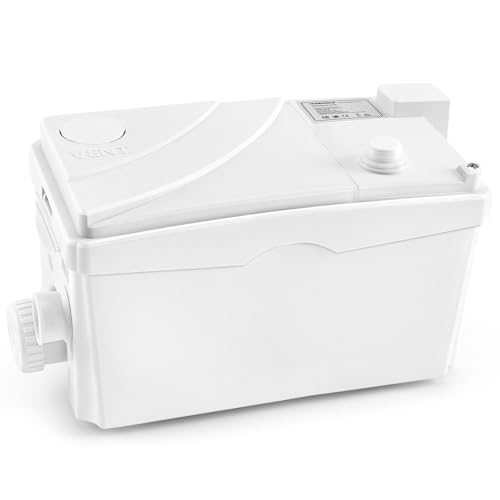
MixBubole 500W Utility Sink Pump 23FT 1600GPH

MixBubole 1 HP Utility Sink Pump 36FT 2200GPH

MixBubole 600W Utility Sink Pump 25FT 1700GPH
MixBubole 1200W Macerator Pump 39.4FT 2800GPH
Taking A Closer Look At The Options
The MixBubole 1.2HP macerator pump is the kind of all-in-one unit that fits neatly behind a basement toilet and quietly handles everything the rest of the house takes for granted. Its four water inlets cover a toilet, sink, shower, and laundry, so it scales from a simple half-bath to a more ambitious finished basement. The 32.8-foot vertical lift handles most homes where the basement sits one floor below the main sewer line.
Where this pump earns its place is in flexibility. The PCB (printed circuit board) function adds automatic operation, so you don’t have to babysit the switch. For homeowners finishing a basement on a weekend timeline, this unit often replaces a much more expensive plumbing rework. Compared to the Patio Zone unit coming up next, the MixBubole trades some raw vertical lift for extra inlet ports.
Useful Touches
- Four inlets let you connect a toilet, shower, sink, and laundry without buying extra manifolds
- 2500 GPH (gallons per hour) flow clears tank and shower water together without backing up
- PCB-controlled auto start removes the manual switch from your routine
- 110V-120V plug-in design skips the dedicated hardwire an electrician would charge for
Things To Consider
- The internal macerating blades need a clear-water-only intake; wipes and feminine products are a common cause of jams
- Owners commonly report that the audible hum during pump cycles is noticeable in adjacent living spaces
Quick Facts
Best Suited To
DIYers finishing a basement with a full bathroom, shower, and laundry who want one pump to handle everything.
Consider Something Else When
The MixBubole 1200W Macerator Pump (item 9) suits homes where the sewer line sits unusually far above the basement floor.
Patio Zone’s 750W macerator pump is built for basements where the main sewer line sits unusually high. Its 36-foot vertical lift covers split-level homes and older properties where the plumbing stack climbs further than modern builds. The stainless housing resists corrosion from the humid conditions that often form in basement mechanical spaces.
The copper-wound motor (a motor with windings made of pure copper wire rather than aluminum) is the kind of detail that signals a longer service life, since copper handles heat better than the aluminum windings found in cheaper units. Where the MixBubole unit above wins on inlet count, this Patio Zone model wins on durability and reach. For homeowners who only need to pump a toilet and sink but need every extra foot of vertical rise, it makes sense.
What Earns Its Place
- 36-foot vertical lift handles homes where the sewer line sits well above the basement slab
- Stainless shell shrugs off the humidity common in basement utility corners
- Copper motor windings typically outlast aluminum alternatives under heavy cycling
- 360-foot horizontal reach supports longer pipe runs to the nearest stack
Points To Note
- Fewer inlet ports than the MixBubole units, so multi-fixture bathrooms may need adapters
- The 750W motor pulls slightly more current, so an older 15-amp basement circuit may need a dedicated line
- Stainless housing adds weight, and you may find mounting requires extra brackets
Right Fit For
Homeowners in split-level or hillside properties who need maximum vertical lift and care about long-term build quality.
A Better Fit Elsewhere
The MixBubole 1.2HP Macerator Pump (item 1) makes more sense for full multi-fixture bathrooms that need four inlet connections.
The LEO 1/2 HP submersible sewage pump takes a different approach from the macerating units above. It drops into a buried basin (a sealed tank set into the basement floor that collects waste before pumping) rather than sitting behind the toilet. That’s the traditional setup contractors use for full bathroom builds where a concrete pit is part of the plan.
Cast iron construction means the pump handles the heat and vibration of frequent cycling without cracking the way some thermoplastic housings can. With a 6000 GPH rating, the LEO unit moves far more water per cycle than the macerating alternatives, which makes it well suited to homes with high-use bathrooms. Compared to the Superior Pump covered below, the LEO trades a tethered float switch (a buoyant switch that rises with the water level and triggers the pump) for higher raw throughput.
The Helpful Details
- 6000 GPH rating clears basins fast, reducing the time solids sit in the pit
- 29-foot max head handles most residential basement depths
- Oil-filled split capacitor motor runs cooler under repeated starts
- Cast iron body holds up to the vibration of long operating cycles
Worth Noting
- Requires a pre-installed basin and plumbing rough-in, so installation is heavier than a macerator
- Without a macerating stage, it relies on a separate grinder or restricted waste line
Feature Snapshot
Perfect Match For
Contractors and homeowners building a basement bathroom around a buried sewage basin who want high-capacity cast iron reliability.
Skip It When
The Superior Pump 93020 (item 4) is a better fit when you need a tethered float switch and prefer an all-in-one sewage system kit.
Superior Pump has been making sewage units long enough that the 93020 model is a known quantity among plumbers. The 1/2 HP cast iron pump pairs with a vertical float switch that triggers automatically as the basin fills, and the 2-inch discharge port (the pipe opening through which pumped water exits) accepts the standard plumbing most basements already use.
The build quality shows in the details: solid copper motor windings, stainless steel shaft seals, and double O-ring protection on the motor plate. These are the parts that fail first on cheaper pumps, so their presence here translates to longer service intervals. The tethered design, where the float hangs from a cable, lets you adjust the activation height by changing where the float is tethered, which matters in deeper pits.
A Few Strong Suits
- Solid copper windings are widely reported to last longer than aluminum in similar duty cycles
- Tethered float switch is field-adjustable for deeper or shallower basins
- Stainless steel shaft seals reduce the leak risk that ends many cheaper pumps early
- 2-inch discharge handles solids that smaller ports would clog on
Honest Caveats
- Requires a separate basin purchase, so the total install runs higher than a macerator kit
- The cast iron body is heavy, and you may find it awkward to lower into a narrow pit without help
Made For
Homeowners replacing a failed sewage pump who want a recognizable brand and field-serviceable parts.
Look Elsewhere When
The Liberty Pumps P382LE51 (item 5) is the better choice when you want a fully pre-assembled basin system rather than mixing components.
The Liberty Pumps P382LE51 is the most complete package in this roundup: a 24-by-24-inch shallow basin, the pump itself, and the access cover, all from one manufacturer. That matters because mixing basin brands and pump brands sometimes voids warranties or creates fit problems at the gaskets.
The shallow 24-inch depth is a relief in basements where digging a deeper pit would hit bedrock or water tables. The 41-gallon capacity handles a normal residential bathroom cycle without the pump short-cycling (turning on and off too frequently, which wears the motor). An anti-flotation collar (a ring around the basin base that anchors it in concrete and prevents it from floating upward) keeps the unit locked into the slab pour. Where the LEO above is just the pump, this Liberty system is everything bolted together.
What Works In Its Favor
- Pre-assembled basin and pump removes the guesswork of part compatibility
- Shallow 24-inch burial depth suits basements with limited dig depth
- Anti-flotation collar anchors the basin in concrete pour
- Separate access cover simplifies future servicing without disturbing plumbing
Practical Considerations
- The all-in-one design is heavier to ship and receive than a pump-only order
- Professionals typically install this unit, so DIYers may need a contractor
Who Should Grab It
Homeowners planning a full basement bathroom build who want a turnkey basin-and-pump system from a recognized brand.
Another Choice May Suit
The MixBubole 1.2HP Macerator Pump (item 1) makes more sense for retrofits where breaking the concrete floor is not on the table.
The MixBubole 500W utility sink pump is the smallest member of the lineup and the right answer when a half-bath or bar sink is all you’re adding. Its 23-foot vertical lift covers the typical basement-to-main-stack distance in a single-story home, and the 1600 GPH flow handles a sink or shower without strain.
Where the larger MixBubole 1.2HP unit (item 1) is built for whole-bathroom duty, this 500W model trades raw power for a slimmer profile that slides under a vanity or utility sink. The PCB-controlled auto operation means you don’t have to flip a manual switch. For a basement wet bar or single-sink addition, it does the job without overspending.
Useful Strengths
- Compact housing fits behind a vanity or inside a sink cabinet
- PCB auto-start removes the manual switch from your daily routine
- Three inlets accept sink, shower, or urinal hookups in a small footprint
- 1600 GPH is plenty for a single-fixture basement addition
Small Caveats
- 23-foot lift limits use to homes with shallow basement depth
- Smaller motor means longer run times when handling shower discharge
Whose Shelf It Belongs On
Homeowners adding a basement wet bar, half-bath, or single utility sink who don’t need multi-fixture capacity.
Reach For A Different Pick When
The MixBubole 600W Utility Sink Pump (item 8) suits setups that need a few extra feet of vertical lift without jumping to the larger 1 HP model.
The upgraded 1 HP utility sink pump sits in the middle of the MixBubole macerator line, offering more lift and flow than the 500W unit (item 6) without the bulk of the 1.2HP model (item 1). The 36-foot vertical lift matches what the Patio Zone stainless unit offers, so it works in homes where the sewer line sits unusually high.
The PCB function (a small control board that automates pump activation and protects against dry running) handles the on-and-off cycling based on water level, which protects the motor from dry-running damage. For a basement with a sink, shower, and washing machine drain all converging, the three inlets cover the typical mix. The trade-off versus the 1.2HP is one fewer inlet port, so a four-fixture bathroom would need the larger sibling.
Useful Highlights
- 36-foot vertical lift handles homes with deep basements or high sewer lines
- 2200 GPH flow clears combined sink and shower discharge
- PCB control prevents dry-run damage during low-use periods
- 360-foot horizontal reach supports long pipe runs to the nearest stack
Factors To Consider
- Three inlets may fall short if your basement build includes four fixtures
- 1 HP draw on a standard 15-amp circuit may trip breakers in homes with older electrical panels
Feature Rundown
Who It Suits Best
Homeowners with a three-fixture basement bathroom who need substantial vertical lift without stepping up to the largest MixBubole model.
Not Your Match When
The MixBubole 1.2HP Macerator Pump (item 1) covers a four-fixture layout where every inlet matters.
The 600W utility sink pump threads the needle between the small 500W and mid-power 1 HP MixBubole units. Its 25-foot vertical lift covers standard basement depths, and the 1700 GPH flow rate clears a shower and sink together without the pump running continuously.
The upgraded internal switch structure improves sealing, which addresses a common failure mode in basement pumps: moisture intrusion into the switch contacts. The compact 12-by-7-by-7-inch body fits under most vanities, so it stays out of sight in a finished basement. Compared to the 500W model (item 6), you get two extra feet of lift and 100 more GPH for a modest step up.
What Pays Off
- 25-foot lift covers most basement depths without overpaying for excess capacity
- Upgraded switch seal reduces the moisture-related failures common in basement installs
- Three inlets accept sink, shower, and urinal hookups
- 1700 GPH handles residential flow without running hot
Room For Improvement
- Not ideal for split-level homes where the sewer line sits well above the basement
- ETL, UL, and FCC certifications are noted on the product listing, but installation still requires proper GFCI protection (a ground-fault circuit interrupcer that cuts power if current leaks through water or a person)
The Right Fit
Budget-conscious homeowners adding a basement laundry sink or half-bath who want a step up from the smallest MixBubole without the price of the 1 HP unit.
Where Another Pick Suits Better
The MixBubole 1 HP Utility Sink Pump (item 7) is the smarter pick when your basement sits deeper than 25 feet below the main sewer line.
The MixBubole 1200W macerator pump is the top-tier offering in the lineup, with the highest lift and flow rate of any unit on this list. Its 39.4-foot vertical reach covers deep basements, hillside homes, and properties where the sewer line climbs unusually high above the finished floor.
Two outlets give you flexibility in how the discharge pipe routes, which helps when a single exit point doesn’t match your plumbing layout. The four inlets handle a full basement bathroom with a toilet, sink, shower, and laundry, making it the most comprehensive macerator option here. Where the 1.2HP unit (item 1) tops out at 32.8 feet, this 1200W model adds 6.6 more feet for the toughest installs.
Everyday Advantages
- 39.4-foot vertical lift is the tallest in this roundup, covering deep basement installs
- 2800 GPH flow rate clears heavy multi-fixture use without lag
- Two outlets offer routing flexibility for complex plumbing layouts
- Four inlets handle toilet, sink, shower, and laundry simultaneously
Potential Drawbacks
- 1200W draw is the highest here, so older basement wiring may need an upgrade
- For shallow basements, the extra lift capacity is unused weight and cost
Built With In Mind
Homeowners with deep basements, long vertical runs, or ambitious multi-fixture bathroom builds who want maximum headroom in the spec sheet.
Swap It Out When
The MixBubole 1.2HP Macerator Pump (item 1) handles standard basement depths at a lower power draw for typical installs.
What Matters Most Before Choosing Ejector Pumps For Basement Bathroom
Measure Vertical Lift Before Anything Else
The single most important spec is the maximum vertical head, measured in feet from the pump to the point where the discharge pipe ties into the main sewer line. Measure the actual distance in your basement rather than guessing. If the lift exceeds the pump’s rated head by even a few feet, performance drops sharply, and the motor runs hotter than designed. For most basements one floor below the main stack, 20 to 30 feet of rated head covers the job. Deeper basements or homes where the sewer line climbs high need 35+ feet.
Macerator vs. Submersible Basin: Pick the Install Path
Macerating units sit behind the toilet and grind waste internally, which means no concrete breaking for the basin. They’re ideal for retrofits and finished basements where you want to minimize construction. Submersible basin systems drop into a buried pit, typically require a contractor, and handle higher volumes with less noise. The trade-off is installation effort. If you’re finishing a basement that already has rough plumbing, a macerator is faster. For new construction with a slab pour planned, a basin system lasts longer.
Match Inlet Count to Fixture Count
Count the fixtures that will drain into the pump: toilet, sink, shower, bathtub, laundry, bar sink. Each fixture needs its own inlet port on the macerator. A pump with three inlets covers a typical basement bathroom, but a four-fixture layout needs four inlets. Running multiple fixtures through a single inlet port creates backpressure and shortens pump life. The MixBubole 1.2HP and 1200W units both offer four inlets, while smaller MixBubole models stick to three.
Plan for Power and Noise
Macerator pumps run on standard 110V-120V outlets, but the larger 1 HP and 1200W models draw enough current to trip shared circuits. A GFCI-protected dedicated line is the safe bet. Noise is the other planning factor: macerator pumps hum during cycles, and that hum carries through adjacent living spaces. Submersible basin systems move the noise source below floor level, which helps in finished basement living areas.
Key Considerations Across These Picks
Common Shopping Slip Ups
The most frequent mistake is buying a pump with too little vertical head for the actual install. A pump rated for 25 feet of lift loses capacity fast over that distance, and the motor runs hotter than its design point. Measure twice. The second common slip is ignoring GFCI protection: basement outlets near water sources need ground-fault protection by code, and a macerator pump without that protection is a hazard waiting to trip a breaker or worse. Third, shoppers sometimes forget that macerator pumps require clear-water intake only; wipes, feminine products, and cotton swabs clog the cutting blades and are not covered by typical warranties.
What Separates Premium From Basic
Higher-tier pumps earn their cost through three details: copper motor windings instead of aluminum, stainless steel or cast iron housings instead of plastic, and PCB-controlled automation that prevents dry-running damage. The Liberty Pumps P382LE51 and Superior Pump 93020 both lean on these premium materials, which is why they last longer in heavy-use installations. The MixBubole 1200W model adds higher headroom in the lift spec. Where the basic units cover a standard basement, the premium tier survives ten years of daily cycling where cheaper pumps fail in three.
Frequently Asked Questions
How high can an ejector pump push waste?
Most residential ejector pumps push waste 20 to 36 feet vertically, with some heavy-duty models reaching nearly 40 feet. The pump’s rated head must exceed your measured lift from the pump to the main sewer line.
Can a macerator pump handle a toilet and shower together?
Yes, as long as the pump has enough inlets for each fixture. A four-inlet macerator covers a toilet, sink, shower, and laundry simultaneously. Running too many fixtures through a single inlet creates backpressure and wears the motor.
Do ejector pumps need a dedicated electrical circuit?
A dedicated GFCI-protected circuit is the safe choice, especially for pumps drawing 800W or more. Sharing a circuit with other basement appliances can trip breakers during pump startup, when the motor draws its highest current.
How often should an ejector pump be serviced?
Annual inspection covers the float switch, check valve, and discharge line. The pump itself typically runs 5 to 10 years before the motor or seals need replacement, depending on duty cycle and water quality.
What’s the difference between a sewage pump and an effluent pump?
Sewage pumps handle solids and raw waste from toilets. Effluent pumps handle greywater from sinks, showers, and laundry without solid waste. For a basement bathroom with a toilet, a sewage pump is the required choice.
Closing Remarks
A basement bathroom adds real living space, and the right ejector pump makes that addition reliable for years. Match the pump’s vertical head to your measured lift, count your fixture inlets, and plan for the electrical draw before you order. The MixBubole 1.2HP and Liberty Pumps P382LE51 cover most standard installs, while the Patio Zone and MixBubole 1200W models handle the deeper, taller runs that basic units can’t reach.




