

A healthy drain field starts long before anything smells off. Rural homeowners know the anxiety of a slow toilet or soggy lawn above the leach lines, and the cheapest fix is almost always the one you do monthly. This lineup pulls together the bacterial treatments, dosing supplies, and physical tools that keep a septic system digesting waste, moving water through the soil, and avoiding the kind of repair that turns into a backyard excavation. Most options below are routine maintenance products you flush or pour down the drain, while a couple are diagnostic tools you keep in the truck.
A Closer Look At The Lineup

NAODIFU Bio-Tab Septic Tablets 8 oz (226.5g) 14 Tablets

Green Gobbler Septic Tank Treatment Packets 12 Month Supply

ACTIVE Septic Tank Treatment Pods 12 Packets 1 Year Supply

Walex Bio-Active Home Septic Tank Treatment Packets 12-Pack

Gulfmew 3/4 Inch Standard Condensate Trap with Cleaning Brush

Septic-Flow Septic Tank Treatment Enzyme Pods 1 Year Supply
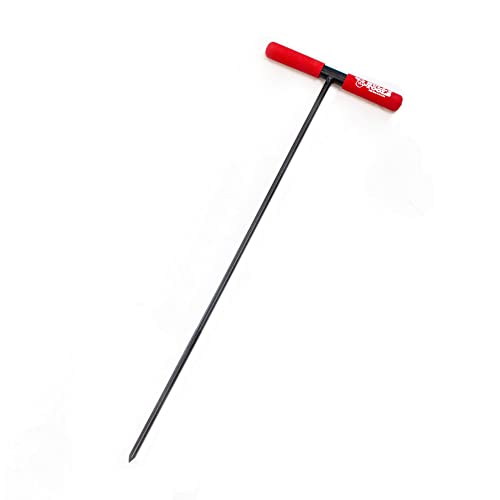
Bully Tools Steel Soil Probe T-Style Handle, Made in USA

Green Pig Septic Tank Treatment Packets 1-Year Supply 4 Packets
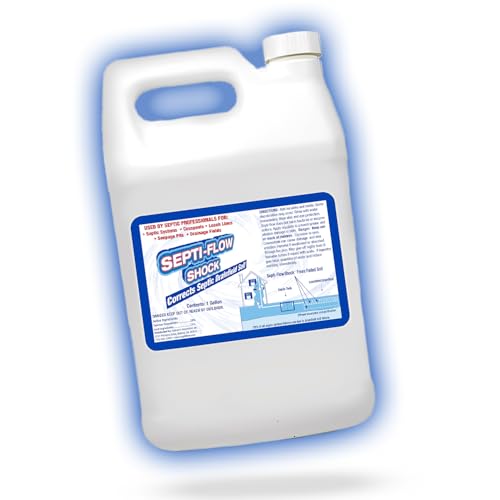
Septic-Flow Shock Drain Field Cleaner & Leach Field Treatment 1 Gallon
Why These Options Stand Out
The NAODIFU tablets are designed to do something most liquid treatments cannot: settle to the bottom of the tank where solids accumulate, then slowly dissolve so bacteria can work directly on the sludge layer. That sink-and-release action matters in homes where grease and paper tend to mat together near the outlet baffle.
You drop a tablet in the toilet, let it sink, and flush. For households running a 1,000-gallon tank with normal daily use, a 14-pack stretches a couple of months of dosing. The formula is also marketed as safe for all plumbing and as gentle on the drain field itself, which is the side of the system most treatments forget.
Useful Touches
- Slow-dissolving tablets reach sludge at the tank floor rather than riding out with grey water.
- Targets both the tank and the drain field, supporting the full path from solids to soil absorption.
- Plumbing-safe formula that fits standard residential systems without corroding older pipes.
- Tablets are easy to handle, store, and remember, with no measuring or pouring.
Honest Caveats
- Tablet format can feel unfamiliar for homeowners used to monthly packets, so it helps to set a reminder.
- Tank size and household water use affect how long a pack lasts, and dosing frequency is on the lighter side.
Feature Snapshot
Who It Suits Best
Owners of mid-sized residential septic systems who want a simple monthly habit without measuring liquids or pods.
Look Elsewhere When
Green Gobbler Septic Tank Treatment Packets fit better for homes that prefer flush-and-go packets over dropping tablets into the bowl.
Green Gobbler built its name on targeted drain treatments, and the septic packets lean into that same thinking. Each pod is meant to release a blend of bacteria and enzymes that attack the usual suspects: paper, oils, grease, and starches that build up in the tank and migrate out into the leach lines.
A twelve-month supply means you can pace one packet per month and not think about it again until next year. The brand also markets the same formula for cesspools, marine holding tanks, and RV systems, so it travels well if you maintain more than one site.
The Good Stuff
- Broad-spectrum formula tackles grease, paper, proteins, and starches in one monthly dose.
- Twelve-month supply simplifies budgeting and removes the risk of forgetting a month.
- Versatile across septic tanks, cesspools, RV, and marine systems for multi-property owners.
- Pod format is cleaner than liquids and easier to store in a bathroom closet.
Points To Keep In Mind
- Works best with consistent monthly dosing, so skipping a month can slow results in heavy-use homes.
- Pods dissolve in the toilet bowl and need a second flush to fully reach the tank on low-flow fixtures.
Built With In Mind
Full-time households with a single residential septic system who want a reliable, year-long maintenance plan without reordering every few months.
A Better Fit Elsewhere
Septic-Flow Septic Tank Treatment Enzyme Pods work well for shoppers who prefer a made-in-USA supply at a similar monthly cadence.
ACTIVE positions these pods as a probiotic-style maintenance dose rather than a heavy chemical flush. Each water-soluble packet carries live bacterial cultures that are designed to wake up inside the tank and start producing enzymes to break down solids.
The promise is simple: drop a packet, flush, and let biology do the rest. For households wary of harsh cleaners or chemical residues reaching the leach field, that living-culture approach feels more aligned with how a healthy soil-based system already works.
The Case For It
- Live bacterial cultures continue working in the tank rather than providing a one-time chemical reaction.
- Flushable packets skip the measuring step and keep dosing simple for any household member.
- Year-supply packaging spreads the cost across twelve predictable monthly doses.
- Eco-minded formulation suits homes that want routine care without aggressive additives.
Trade-Offs To Consider
- Live cultures can lose potency if the pack is stored in a hot garage or sunlit closet for months.
- Works best as prevention; it is not designed to rescue a fully backed-up system on its own.
Quick Facts
Perfect Match For
Environmentally minded homeowners who want a gentle, biology-based monthly habit rather than a chemical treatment.
Reach For A Different Pick When
Green Gobbler Septic Tank Treatment Packets suit homes with heavier kitchen grease loads that need a broader-spectrum enzymatic formula.
Walex has been in the biological cleaning space for decades, and the Bio-Active packets are a familiar sight on plumber supply shelves. Each dose carries billions of bacteria and enzymes aimed at liquefying solids before they harden into a layer the outlet baffle cannot handle.
The 12-pack lands in the middle of the price conversation for monthly septic maintenance. For households that want a no-frills, well-known formula, this one stays near the top of most lists.
Why It Works Well
- Established biological formula designed for steady monthly use.
- Liquefies solids, paper, grease, and proteins to keep the tank outlet clear.
- Twelve-month count fits standard dosing schedules without reordering mid-year.
- Packets travel well and store easily in a bathroom or utility closet.
Things To Consider
- Smaller packet count means some households with larger tanks may dose more than one per month.
- Cleaning ability is preventive rather than corrective for already-struggling fields.
Right Fit For
Cost-conscious homeowners who want a familiar, established bacterial formula without paying for premium packaging.
Swap It Out When
NAODIFU Bio-Tab Septic Tablets suit users who prefer tablets that sink to the sludge layer instead of flushable pods.
This one breaks the pattern: a U-trap is not a septic treatment but a small plumbing fitting used on HVAC condensate lines, where the air handler or furnace drips water that needs a path to a drain. Gulfmew’s version uses a 3/4 inch standard PVC design with a built-in gradient to keep condensate moving and a U-bend that holds water to block odours.
The included cleaning brush matters because algae and slime love to grow in the warm, dark condensate line. Clearing that buildup once a season keeps the trap from becoming its own little clog upstream of whatever drain it ties into.
Practical Pluses
- Standard 3/4 inch PVC fitting matches common HVAC drain line requirements.
- Internal gradient keeps condensate flowing instead of pooling inside the trap.
- U-shape water seal stops odours and air from pulling back toward the air handler.
- Cleaning brush included for clearing algae and slime before they block the line.
Less Ideal Details
- Specialty plumbing part, not a general septic treatment, so it fits a narrow use case.
- Requires basic PVC installation knowledge or a call to an HVAC technician.
Who Should Grab It
Homeowners and HVAC techs maintaining a furnace, air handler, or mini-split condensate drain line that needs a reliable trap.
Where Another Pick Suits Better
Septic-Flow Shock Drain Field Cleaner fits homes dealing with slow leach lines rather than indoor HVAC drainage.
Septic-Flow’s pods lean on the simplest premise in the category: a monthly flush, twelve doses, no math. The brand markets the formula for tank backups, odours, and the kind of slow leach field that often leads to an expensive repair call.
The made-in-USA packaging is a clear draw for shoppers who want domestic production. If you have already committed to a steady monthly routine, this product fits the calendar cleanly and stays out of the way.
Useful Strengths
- Designed for monthly dosing to keep the tank and drain field on a predictable maintenance rhythm.
- Made in the USA, which matters for shoppers focused on domestic sourcing.
- Enzyme blend targets solids, paper, and grease before they migrate to the leach lines.
- Year-supply format reduces the risk of running out mid-season.
Small Limitations
- Best suited to standard residential systems, not oversized commercial-grade septic tanks.
- Performance depends on consistent dosing, so skipping months weakens the routine.
Spec Overview
Best Suited To
Homeowners who already know they want a steady monthly routine and prefer a domestically produced supply.
Not Your Match When
Walex Bio-Active Septic Tank Treatment Packets suit households looking for a lower-cost, established-name alternative.
Before you can treat or repair a drain field, you often have to find it. Bully Tools makes a 1/2 inch steel soil probe with a sharpened tip, available in 36, 48, and 53 inch lengths, designed for probing compacted or rocky ground without bending.
The T-style handle with rubber grips lets you push the rod down with body weight rather than wrist force. For anyone tracing a leach line, finding a buried tank lid, or probing before a fence post dig, that tool earns its place in the truck.
Real Benefits
- Solid 1/2 inch American steel rod handles hard, compacted, and rocky soils.
- Three length options cover shallow probes and deeper tank or pipe detection.
- Powder coat finish protects against rust across seasons of outdoor use.
- T-handle with rubber grips reduces hand fatigue during longer probing sessions.
A Few Limitations
- Manual probing takes patience, especially in clay or gravel-heavy backyards.
- Not a substitute for a professional locater when tracing non-metallic pipes.
Whose Shelf It Belongs On
Homeowners and small contractors who need to locate buried septic components or trace lines before digging projects.
Consider Something Else When
Green Gobbler Septic Tank Treatment Packets are a better fit for households focused on biological maintenance rather than physical site work.
Green Pig is the quietest brand on this list, but the four-packet quarterly format has real appeal for the right household. Instead of monthly maintenance, you drop a packet once every three months and let the enzymes work their way through the system.
The treatment is positioned for routine prevention, not emergency intervention. In a vacation cabin, a rental property, or a single-occupant home with low daily flow, that slower cadence is plenty.
What Stands Out
- Quarterly dosing fits homes that do not want to remember a monthly chore.
- Septic-safe enzyme blend that supports routine waste breakdown.
- Compact four-pack is easy to store in a closet, cabinet, or utility drawer.
- Good fit for low-flow residences with predictable occupancy patterns.
Honest Caveats
- Quarterly cadence is too sparse for full-time family households with heavy daily water use.
- Less flexibility to adjust dosing if the system suddenly shows signs of stress.
Made For
Vacation cabins, rental properties, and single-occupant homes where a quarterly habit fits the lifestyle better than monthly dosing.
Skip It When
ACTIVE Septic Tank Treatment Pods suit busy family homes that prefer a more frequent monthly cadence.
The other picks here are routine maintenance. This one is the rescue product. Septic-Flow Shock is a one-gallon liquid treatment designed to flush the leach lines themselves, attacking the sodium, sulfate, and detergent residue that gradually restricts flow through the drain field.
You pour it down the distribution line or cleanout, then let it sit or run with normal household water use. For systems that have started showing soggy spots, slow drains, or a faint sewer smell outside, that single gallon can buy real time before a replacement is on the table.
Positive Takeaways
- Targets leach line buildup rather than just tank solids, addressing the part most treatments miss.
- One-gallon container delivers a serious single application for stressed systems.
- Useful as a seasonal deep clean in homes with high detergent or soap loads.
- Comes from a brand that also makes monthly maintenance pods, so the chemistry is consistent.
Where It Is Less Suited
- Not a daily or weekly product, so it needs to be paired with a routine maintenance plan.
- Heavy one-gallon jug takes planning for storage and safe handling during pouring.
Technical Reference
Who Will Love This
Homeowners with older systems showing early signs of leach field stress who want a heavy-duty treatment before calling a pumper.
Where A Sibling Pick Shines
Septic-Flow Septic Tank Treatment Enzyme Pods fit better for the monthly maintenance routine that follows this kind of deep treatment.
Picking The Right Treatment Plan For Your Drain Field
The first decision is whether you need a maintenance product, a diagnostic tool, or a rescue treatment. Most households only need the first. If your toilets flush normally and your tank gets pumped on a regular schedule, a monthly biological treatment is enough. If you have noticed soggy ground above the leach lines or slow drains that gurgle when the washing machine empties, you are looking at a drain field under stress and may want a heavier leach line flush alongside monthly pods.
Match the dose cadence to your household. Full-time families with multiple bathrooms generate more flow than a part-time cabin, and a quarterly four-pack will not keep up with daily use. Look for products that target both the tank and the drain field, since most septic problems actually start in the soil absorption area, not the tank itself.
Storage matters more than people expect. Live bacterial cultures degrade faster in hot garages or sunlit sheds. A climate-stable closet or bathroom drawer is the right home for any monthly pod or tablet supply. For one-gallon rescue liquids, plan a cool spot out of direct sunlight.
If you are new to your system, a soil probe is worth its keep. Before any treatment plan, you need to know where the tank, the distribution box, and the leach lines actually sit. That information shapes every dosing decision that follows and helps you avoid driving a fence post through a perforated pipe.
Smart Habits That Keep A Drain Field Healthy
Where Shoppers Go Wrong
The biggest mistake is treating a drain field like a trash can. Households that flush wipes, pour grease down the sink, or run heavy detergent loads of laundry all day speed up the same soil clogging the products above are designed to reverse. Another common slip is pumping the tank too rarely, because the bacteria only work when there is room to work. Skip the chemical drain openers entirely: they kill the bacterial balance faster than they clear the clog.
When Paying More Pays Off
Higher-tier treatments usually bring live, multi-strain bacterial cultures rather than a single enzyme, plus targeted additives that address sodium and sulfate buildup in the soil. The added cost shows up in tougher situations, like older systems, homes with high-efficiency washers, or properties where the leach field sits in dense clay. In those cases, premium pods and a periodic heavy-duty leach line flush can add years to a system that would otherwise be headed for replacement.
Frequently Asked Questions
How often should a residential septic tank be treated with bacteria?
For most households, monthly dosing keeps the bacterial population strong enough to break down solids and protect the drain field. Quarterly dosing works only in very low-use systems.
Can a bacterial treatment fix a failing drain field?
Bacterial treatments help a slow or stressed field, but they cannot reverse a fully saturated or collapsed leach line. They are a maintenance tool, not a substitute for repair or replacement.
Are septic pods safe for older plumbing?
Most reputable septic treatments are safe for PVC, copper, and older cast iron systems when used as directed. Avoid harsh chemical drain openers, which damage both plumbing and the bacterial balance.
How long does a one-gallon drain field shock last?
A one-gallon shock is a single heavy-duty treatment, not a long-term supply. You pour it once and follow up with monthly maintenance pods to keep the lines clear.
Do I need a soil probe if I know where my tank is?
A soil probe helps locate the distribution box and leach lines, which most homeowners never mapped. That visibility matters before any digging project or treatment decision.
Wrap Up
The cheapest insurance for any septic system is a steady monthly habit paired with a basic understanding of where the parts sit underground. Pick a treatment that fits your dosing routine, store it somewhere cool, and use a soil probe once to map your system. A little prevention goes a long way toward avoiding the kind of repair that turns a backyard into a job site.




