

A slow drain is one of those household problems you can ignore for weeks, until you can’t. The right tool turns a backed-up sink into a 15-minute fix, while the wrong one leaves you frustrated with standing water. This roundup covers caustic treatments, physical strainers, hydro-pressure bladders, and enzyme maintenance sticks, so you can match the right solution to whatever’s clogging the pipe.
The Picks In Brief

MaxTite Caustic Soda Beads 99% Pure (40lbs)
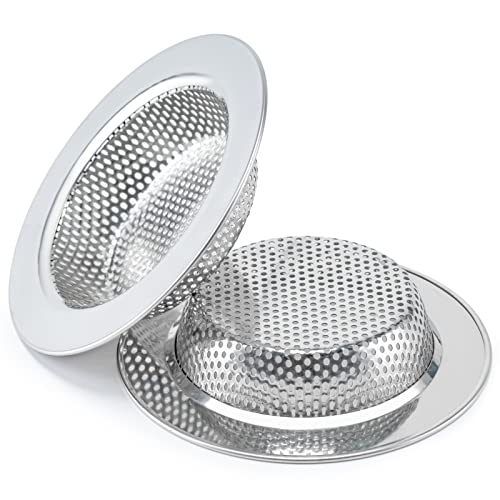
Honmein Sink Strainer Double-Layer Safe Design

BEUICIRY Straw Cleaner Brush Set (10-Pack)

LASSHSWA Stainless Steel Kitchen Sink Strainer 4-Pack

DURATECH Large Drain Cleaning Bladder

DURATECH Small Drain Cleaning Bladder

SANI 360° Sani Sticks 24-Pack Lemon

SANI 360° Sani Sticks 48-Pack Lemon

SANI 360° Sani Sticks 24-Pack Lavender

DURATECH Medium Drain Cleaning Bladder
Taking A Closer Look At The Options
Sodium hydroxide, also known as lye or caustic soda, is one of the oldest drain-clearing chemicals on the market, and MaxTite’s version comes in bead form at 99% purity. The 40-pound container is genuinely industrial-scale, so this is a fit for property managers, restaurant back-of-house crews, or homeowners with recurring grease clogs deep in the line. Once the beads hit standing water, the reaction generates enough heat to break down hair, soap scum, and baked-on grease.
For anyone uncomfortable handling a corrosive material, this product reads as overkill. The trade-off is real power in exchange for serious safety gear and ventilation.
The Good Stuff
- Reacts on contact with water to dissolve stubborn organic blockages
- Bead form pours cleanly without dust clouds, safer to measure than flakes
- 40-pound pail lasts through dozens of treatments, lowering cost-per-use
- Doubles as an oven and grease-trap degreaser in a busy kitchen
- Made in the USA, with consistent 99% purity claimed per batch
Things To Consider
- Caustic soda requires gloves, eye protection, and good airflow every use
- Reactions can splash, so owners commonly add it slowly to standing water, not the reverse
- Not safe for aluminum pipes, septic overloading, or older plumbing with weak joints
Key Specs
Made For
Experienced homeowners and trade workers who clear serious blockages regularly and already own proper PPE.
A Better Fit Elsewhere
The HONMEIN sink strainer is the better match for casual users who only want to catch debris before it reaches the trap.
Unlike the chemical approach above, a sink strainer prevents clogs rather than fighting them after the fact. The Honmein basket sits inside the drain opening and catches food scraps before they slip into the trap. Its double-layer rim is the standout detail, because traditional single-layer strainers often leave a sharp edge that nicks fingers during cleanup.
Two pieces ship in the box, so you can rotate one while the other is in the dishwasher. For renters and busy family kitchens, that rotation matters more than people expect.
Positive Takeaways
- Hemmed double-layer rim keeps fingers safe during daily scraping and rinsing
- Stainless steel construction resists rust through years of wet-dry cycles
- Drops in without tools, fits most standard kitchen drains
- Rinses clean under the tap, no disassembly required
Worth Noting
- Doesn’t fit non-standard or extra-wide disposal openings, so measure first
- Fine mesh catches small particles but can slow water flow if not emptied often
Who It Suits Best
Home cooks who want a passive defense against food debris without installing anything permanent.
Skip It When
The MaxTite Caustic Soda Beads are the right call when a clog has already formed deep in the line.
Straw cleaners occupy a strange corner of the drain-cleaning world, since they target narrow tubes inside reusable bottles and tumblers rather than household plumbing. The BEUICIRY set ships ten brushes at 12 inches long with a wider 12mm diameter, sized for big-bore straws, sports bottles, and hummingbird feeders. The 18-8 food-grade 304 stainless steel core stays rigid during scrubbing, while soft nylon bristles flex around curves.
Anyone running through daily smoothies or iced coffee will appreciate having a fresh brush ready instead of hand-washing a grimy straw.
The Practical Payoff
- Extra-long 12″ reach scrubs the bottom of tall tumblers and skinny feeders
- Food-grade stainless wire won’t rust or shed bristles mid-wash
- Ten-pack rotates through months of daily bottle use before replacements are needed
- Wide 12mm diameter handles straws that standard skinny brushes can’t fit
Trade Offs
- Too thick for regular 6mm straws found on standard lids
- Brushes should air-dry upright to prevent mildew in the bristle base
Best Suited To
Hydration-focused households and anyone who uses wide-mouth insulated bottles or hummingbird feeders.
Consider Something Else When
Standard kitchen sink clogs call for the LASSHSWA stainless strainer instead, which actually blocks debris at the drain opening.
The LASSHSWA strainer shares the same drop-in philosophy as the Honmein basket but arrives in a four-pack with a wider 4.5″ outer rim. That extra coverage helps it sit flush on sinks where the drain opening is recessed or where the existing strainer has warped over time. The 2-ply metal sheet is thicker than budget competitors, so the rim doesn’t bend the first time you pry out a coffee ground clog.
Micro-perforations around 0.04″ across catch small food particles while still letting water run quickly. A four-pack means you always have a spare ready.
Useful Highlights
- Wide 4.5″ outer rim covers imperfect drain openings without wobble
- 2-ply stainless construction holds shape through years of daily use
- Hemmed edge stays smooth against fingers during rinse-and-scrape cleanup
- Dishwasher safe for hands-off sanitizing between rotations
- Compatible with most garbage disposals, no adapter required
Points To Keep In Mind
- Inner filter is 3″ across, so oversized openings may need a centering adapter
- Fine perforations require brushing out weekly to keep drainage quick
Right Fit For
Households running a garbage disposal who want a heavier-duty alternative to flimsy basket strainers.
Reach For A Different Pick When
Single-sink apartments that only need one basket will save money with the two-pack Honmein strainer.
A drain bladder is a heavy-duty rubber balloon that you attach to a garden hose and feed into an outdoor cleanout. As water fills the bladder, it expands and forces a pulse of water pressure through the pipe, which pushes clogs out toward the main line. The DURATECH large model targets 4″ to 6″ drain openings, the size of most outdoor main lines and floor drains.
For homeowners tired of renting powered snakes for the same recurring tree-root or grease clog, this is the most physical option on the list. You still need outdoor hose pressure and a willingness to wrestle with a wet rubber bladder.
Practical Pluses
- Hydro-pressure clears hair, grease, and toilet paper without chemicals
- Fits standard garden hose threads, no specialty fittings required
- Thick rubber construction holds up through repeated inflation cycles
- Covers large outdoor cleanouts that handheld plungers can’t reach
Room For Improvement
- Requires adequate household water pressure to fully inflate
- Wet rubber can be slippery on smooth gloves during retrieval
Who Should Grab It
Property owners with landscaped yards and exterior cleanouts that back up seasonally.
Not Your Match When
The DURATECH Small Drain Cleaning Bladder fits tighter shower and tub lines where this large unit would overshoot.
The small bladder works on the same hydraulic principle as the large version but targets 1″ to 2″ openings, the size of most indoor tub, shower, and bathroom sink drains. Compare that to the large bladder’s 4-to-6-inch range, and the choice between them becomes a question of which drain is actually clogged.
Apartment dwellers and condo owners will find this is the only one of the three DURATECH models that physically fits their indoor plumbing. It’s a smart first hydro tool before renting a powered snake.
Everyday Advantages
- Slips into tight shower and bath lines that larger bladders can’t enter
- Standard garden hose hookup means no extra parts to buy
- Reusable rubber bladder handles frequent household clogs
- Pushes hair and soap buildup without pouring chemicals down the drain
Honest Caveats
- Won’t seal in lines larger than 2″, limiting it to indoor fixtures
- Needs decent hose pressure to inflate properly, may underperform on weak city supply
Perfect Match For
Anyone dealing with recurring shower hair clogs who wants a reusable, chemical-free tool.
Look Elsewhere When
The SANI 360° Sani Sticks are a smarter pick for slow drains caused by odor buildup rather than physical blockage.
Drain maintenance sticks take a totally different angle than the other picks in this roundup. Instead of attacking a clog, they slowly release enzymes that break down organic matter over weeks, while leaving a mild lemon scent behind. The SANI 360° sticks come 24 to a pack, which works out to roughly two years of monthly treatment for a single drain.
They won’t clear a fully blocked pipe on their own. The honest read is that these belong in kitchens and bathrooms as prevention, not as an emergency tool.
The Upside
- Drop one stick per month, no measuring or mixing required
- Enzyme formula is safe for septic systems and all plumbing types
- Targets organic odor at the source instead of masking it with spray
- Works in kitchen, bath, and laundry sinks with the same simple routine
Softer Spots
- Won’t clear a fully clogged drain, prevention only
- Lemon scent fades within a day, so the deodorizing effect is subtle
Built With In Mind
Kitchen sinks in homes with septic tanks that need gentle, ongoing maintenance rather than harsh shock treatments.
Swap It Out When
Real clogs call for the DURATECH Large Drain Cleaning Bladder, which actually pushes blockages out of the line.
The 48-count Sani Sticks pack doubles the count of the 24-pack above, which makes it the obvious choice for households with multiple drains that all need monthly attention. Four years of treatment for one kitchen and one bath sink will be gone faster than you’d expect, especially once you start handing sticks out to anyone who visits a slow-draining house.
The enzyme blend works the same way as the smaller pack, so the only real difference is value-per-stick.
The Value In It
- 48 sticks cover every drain in a typical home for years
- Safe for septic, plumbing, and older pipes with no harsh fumes
- Lemon scent replaces the mildew smell coming from under-sink P-traps
- No measuring, no spills, no bottle to recycle when the pack runs out
A Few Limitations
- Prevention-focused, won’t fix a drain that’s already standing in water
- Bigger box needs dry storage so sticks don’t clump before use
Whose Shelf It Belongs On
Multi-bathroom homes where the monthly routine touches kitchen, laundry, and bath sinks all at once.
Where Another Pick Suits Better
Single-condo owners will save money with the SANI 360° 24-pack Lavender if they prefer a different scent in a smaller quantity.
The lavender version of the Sani Sticks is functionally identical to the lemon pack but trades citrus for a softer floral note. That matters more than it sounds in shared bathrooms, where lemon can read as “cleaning product” while lavender fades into the background of a hand-washing routine. The enzyme blend still breaks down organic matter monthly without any harsh chemistry.
Bathroom sinks with persistent soap and toothpaste residue are the most natural fit.
A Few Strong Suits
- Lavender scent feels more residential than cleaning-product citrus
- Enzymes handle organic buildup in bathroom P-traps over weeks
- Same septic-safe formula as the lemon version
- Two-year supply for one drain at a typical monthly cadence
Where It May Fall Short
- Scent is light, so don’t expect it to mask strong kitchen odors
- Prevention only, won’t break through a fully blocked drain
Who Will Love This
Guest bathrooms where a fresh floral note reads more inviting than a sharper citrus scent.
Another Choice May Suit
Kitchen sinks with heavy cooking odors will benefit more from the lemon Sani Sticks, which reads as a fresher cleanup cue.
The medium DURATECH bladder rounds out the trio at 1.5″ to 3″ openings, which covers most standard indoor branch lines, kitchen sink drains, and laundry standpipes. If you skipped the small unit for being too narrow and the large unit for being too big, the medium lands in the practical middle.
Homeowners with a single recurring problem drain will find this is the most likely fit. It also gives you a backup if you later tackle outdoor lines with the larger bladder.
Real Benefits
- Covers kitchen, bath, and laundry drain sizes in one tool
- Standard garden hose compatibility keeps setup simple
- Reusable rubber design handles multiple clog events over its life
- Hydro-pressure approach avoids pouring chemicals into the septic system
Less-Strong Areas
- Seal depends on proper pipe sizing, so a too-loose fit wastes pressure
- Wet retrieval from a vertical cleanout can be awkward without long gloves
The Right Fit
Homeowners who want one hydro tool that handles the majority of indoor branch lines.
A Sibling Pick Shines
The DURATECH Small Drain Cleaning Bladder is the better call for cramped shower drains where this medium unit won’t seal.
What Matters Most Before You Choose Drain Cleaning Products
Match The Tool To The Clog
A chemical drain opener like sodium hydroxide works on organic buildup but does nothing for a stuck hairball in a shower trap. A physical strainer catches debris before it becomes a clog, while a hydro bladder uses water pressure to push blockages out of the line. Enzyme sticks prevent future buildup rather than clearing anything. Decide whether you’re preventing, maintaining, or clearing before you pick a tool, because each of these categories works differently.
Pipe Size And Material Set The Limits
Caustic soda reacts too violently with aluminum and can damage weak joints in older homes. Drain bladders need a snug seal in the pipe, so measure your drain opening before picking a small, medium, or large model. Strainers must match the rim diameter of your sink or disposal. None of these tools are one-size-fits-all, and forcing the wrong fit can crack a fitting or simply waste your time.
Safety Gear And Ventilation Matter
Any chemical-based drain cleaner deserves gloves, eye protection, and open windows, even when the label says “safe for pipes.” Drain bladders create real water pressure, so a loose connection can whip a hose around. Strainers and brushes are the safest picks in the bunch, but even a wet nylon bristle base can grow mildew if it goes straight into a closed drawer.
Maintenance Routines Beat Emergency Calls
A monthly enzyme stick costs far less than a single plumber visit, and a strainer that gets emptied weekly prevents most kitchen clogs from forming in the first place. Owners who treat drain care as routine maintenance, rather than waiting for standing water, end up replacing fewer pipes and calling fewer pros over the life of a home.
Key Considerations Across These Picks
Pitfalls Shoppers Hit
The most common mistake is pouring a harsh chemical into a drain that’s already full of standing water, which can splash back and damage surrounding finishes. Another trap is grabbing a drain bladder that doesn’t match the pipe diameter, since a loose seal leaks pressure and clears nothing. Buying a flimsy plastic strainer to save money usually ends in a warped rim within months, so stainless steel pays for itself. Finally, skipping monthly enzyme maintenance because the drain seems fine lets organic buildup quietly accumulate until a slow drain becomes a real clog.
Where The Extra Money Goes
Higher-tier options in this category buy you thicker stainless steel, more consistent enzyme blends, and rubber bladders rated for repeated inflation cycles. The MaxTite bulk pail costs more upfront but works out cheaper per treatment than small boxes of powder. The LASSHSWA four-pack strainers outlast single-basket competitors because the 2-ply rim doesn’t bend. Paying for build quality up front usually means fewer replacements and fewer emergency plumber calls down the line, which is where the real savings show up.
Frequently Asked Questions
What is the safest type of drain cleaner for old pipes?
Enzyme-based sticks like the SANI 360° Sani Sticks are gentlest on aging plumbing because they don’t generate heat or harsh reactions. Strainers and brushes avoid chemicals entirely.
How often should drains be cleaned preventatively?
Most plumbers recommend monthly enzyme maintenance and weekly strainer emptying for kitchen sinks. Bathrooms with hair buildup benefit from a quick drain clearing every few months.
Can a drain bladder damage pipes?
When sized correctly for the pipe diameter, a bladder pushes water pressure without harming joints. Using the wrong size, especially too small for a wide pipe, can leave the bladder stuck or waste pressure.
Are stainless steel strainers better than plastic?
Stainless steel resists rust, holds shape through daily scraping, and tolerates dishwasher cycles that warp plastic baskets. Plastic strainers cost less but usually need replacing within a year.
Do enzyme sticks actually work on slow drains?
Enzyme sticks work best as prevention on drains that still flow. Once a drain is fully blocked, you need a physical tool or chemical reaction to break the clog before enzymes can help.
Bottom Line
Drain care isn’t one-size-fits-all, and the right pick depends on whether you’re catching debris, clearing a clog, or maintaining flow. Pair a strainer in the kitchen with an enzyme stick in the bathroom, keep a hydro bladder on hand for emergencies, and the slow-drain scramble becomes a rare event instead of a monthly frustration.




