

Slow drains in a kitchen almost always trace back to grease. Hot cooking oil, butter, and food scraps cool inside the P-trap (the curved pipe section that traps debris and sewer gas) and harden into a sticky wall that catches everything else. Left alone, that wall thickens until water barely moves.
The picks below handle that buildup in different ways. Some melt it with high heat, some dissolve it with strong alkali (chemicals with a high pH that break down fats), and others use enzyme cultures that eat grease slowly without harming pipes. Choose based on how stubborn the clog is and whether your plumbing can handle the chemistry.
The Lineup, Simplified

Thrift T-600 Alkaline Granular Drain Cleaner, 6 lb. (2-Pack)

MaxTite Caustic Soda Beads 99% Pure (40 lbs)

Thrift T-600 Alkaline Granular Drain Cleaner, 6 lb.

BRJR Lye for Soap Making and Drain Cleaner, 2.2 lb.
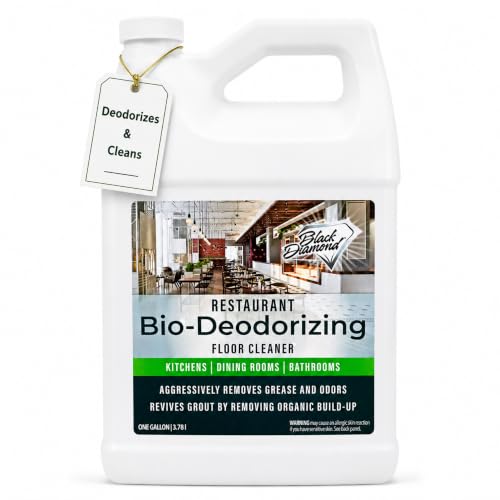
Black Diamond Restaurant Bio-Deodorizing Floor Cleaner, 1 Gal

Black Diamond Multi-Purpose Enzyme Cleaner and Odor Eliminator, 1 Gal

Mould Away Tough Stain Remover Gel, Washing Machine and Grout Cleaner

Black Diamond GET SERIOUS Grease Trap Treatment, 1 Gallon
The Details Behind The Selections
The Thrift T-600 arrives as two 6-pound bottles of dry, odorless crystals, ready to attack a sluggish kitchen drain without filling the room with chemical smell. Pour, flush with hot water, and the alkaline mix goes to work on grease, hair, and soap buildup inside the trap. You get twelve pounds of product in one shipment, which suits anyone who treats drain maintenance like a recurring chore rather than a one-off emergency.
This formula is non-acidic, so the crystals don’t threaten porcelain, chrome, plastic, or metal plumbing under standard use. Homeowners with older galvanized lines can deploy it with reasonable confidence, though any failing joints warrant professional attention. The two-pack layout keeps a backup on the shelf for the next slow drain, which is a small but real convenience for busy kitchens.
Standout Benefits
- Two-bottle supply covers multiple interventions without reordering
- Hot-water activation dissolves grease, hair, and soap in roughly sixty seconds
- Dry, odorless crystals keep indoor air quality manageable during use
- Non-acidic formula protects common plumbing materials
Points To Keep In Mind
- Twelve pounds of granular product demands decent storage space
- Alkaline chemistry requires gloves and eye protection for safe handling
Who It Suits Best
Homeowners who deal with recurring kitchen clogs and want a stockpile ready for the next slow drain.
Look Elsewhere When
You need an enzyme-based, gentler option for a grease trap or septic system, where the Black Diamond GET SERIOUS Grease Trap Treatment serves a more specific role.
MaxTite ships sodium hydroxide (NaOH), also called lye or caustic soda, at 99 percent purity in a 40-pound pail. The beads dissolve on contact with water, generating the heat needed to liquefy caked-on grease and food residue in heavily used pipes. That same chemistry explains its industrial background: water treatment, soap-making, petroleum processing, and pulp and paper all rely on NaOH for the same saponification reaction (the process of converting fats into soap) that clears kitchen drains.
The bulk size fits property managers, small commercial kitchens, or homeowners with serious sewer-line blockages. Compared to the smaller Thrift T-600 bottles above, this is the heavy-equipment option, the right call when a plunger and a single bottle won’t cut it.
Notable Upsides
- High-purity NaOH reacts aggressively with grease and organic buildup
- Bulk 40-pound format supports many treatments or commercial use
- Made in the USA, useful for those who track sourcing
- Versatile enough to tackle oven grease and soap production
Trade-Offs To Consider
- Highly caustic; requires gloves, goggles, and strict handling discipline
- 40-pound pail is awkward to store and pour for typical household use
- Exothermic reaction (the chemical release of heat during mixing) can splash without careful water handling
Key Specs
Whose Shelf It Belongs On
Maintenance crews, restaurant operators, and homeowners facing stubborn sewer-line clogs who need a potent, large-quantity solution.
Skip It When
You just want a quick fix for a single kitchen sink, where the single-bottle Thrift T-600 is a more manageable starting point.
This is the single-bottle version of the Thrift T-600, six pounds of dry, odorless crystals activated by hot water. The mechanism is the same as its two-pack sibling above, but the smaller format suits apartments, condos, or anyone trying the product for the first time. The trade-off is simple: less capacity, less storage commitment.
The formula targets the usual suspects in kitchen and bathroom drains, liquefying grease, hair, and soap residue in roughly sixty seconds once hot water hits the crystals. Compared to overnight liquid cleaners, the speed advantage matters when guests are arriving or a rental unit needs a quick turnaround.
Bright Spots
- Single 6-pound bottle fits under most utility sinks
- Hot-water activation cuts typical working time to under a minute
- No fumes, making indoor use tolerable without venting
- Compatible with porcelain, chrome, plastic, and metal plumbing
Honest Caveats
- Six pounds runs out fast in homes with multiple slow drains
- Still an alkaline formula, so gloves and eye protection are sensible
Made For
First-time users and small households who want to test a fast-acting granular drain cleaner without committing to a two-pack.
Reach For A Different Pick When
You run a busy household with frequent backups, where the two-pack Thrift T-600 reviewed above offers better long-term value.
BRJR delivers food-grade sodium hydroxide (NaOH) at high purity in a 2.2-pound container with a resealable child-resistant cap. Soap makers have used this grade for years to convert fats into bar soap, and the same caustic reaction clears grease from drains when mixed with water. You essentially get two products in one jar.
The smaller size suits casual soap makers who also want a backup drain treatment on the shelf. Compared to the bulk MaxTite pail, this is a friendlier introduction to lye for anyone who hasn’t handled strong alkali before, though the chemistry itself demands the same respect.
Reasons It Performs
- Food-grade purity supports soap-making and kitchen-safe applications
- Compact 2.2-pound jar stores easily in a utility closet
- Child-resistant cap adds a small layer of household safety
- Effective on grease, hair, and soap buildup in standard drains
Practical Considerations
- Highly corrosive, requiring careful dosing and protective gear
- Small format means frequent replenishment for heavy drain use
- Food-grade label invites kitchen use, but lye demands the same caution as any industrial cleaner
Quick Facts
Best Suited To
DIY soap makers who also want a potent drain cleaner stored nearby for kitchen emergencies.
Swap It Out When
You don’t make soap and just need a dedicated drain treatment, where the Thrift T-600 formulas deliver simpler, one-purpose convenience.
Black Diamond’s enzyme-powered floor cleaner doubles as a drain-side maintenance product in busy kitchens. The bacterial cultures break down grease, organic buildup, and odor-causing residue on tile, concrete, laminate, hardwood, and natural stone floors. That same biology helps prevent grease accumulation in nearby floor drains when diluted and poured down regularly.
This is the right call for cafes, food trucks, and small restaurants where floor drains carry the same wash water that carries grease. Compared to the caustic picks above, it’s a slower-acting but pipe-friendly option, ideal for nightly maintenance rather than emergency unclogging.
Useful Touches
- Enzymes attack grease without harming plumbing or surfaces
- Works on tile, concrete, laminate, hardwood, and natural stone
- Concentrated formula dilutes for economical daily use
- Leaves floors, mops, and drains smelling fresher
Things To Weigh Up
- Enzymes work slowly and won’t clear a fully blocked drain in minutes
- One-gallon container is heavy to maneuver around the kitchen
The Right Fit
Restaurant owners and serious home cooks who want a daily floor-and-drain maintenance product in one jug.
A Better Fit Elsewhere
You need to clear a fully blocked drain right now, where the Thrift T-600 single bottle delivers faster mechanical clearing.
Black Diamond’s multi-purpose enzyme formula tackles stains and odors across carpet, laundry, bathrooms, drains, and trash cans. For drain work, the bacterial action digests organic residue before it builds into a blockage, and the deodorizing side neutralizes the sour smell that comes with grease sitting in pipes. One gallon covers a wide range of cleaning tasks beyond just the kitchen sink.
It’s a gentler alternative to the alkaline and caustic picks above, leaning on biology rather than heat or lye. For households with pets, septic systems, or a strong preference for non-corrosive cleaners, that trade is worth taking.
Real Benefits
- Multi-surface use spans drains, carpets, laundry, and trash bins
- Enzymatic action digests organic buildup without harsh fumes
- Neutralizes pet, food, and drain odors at the source
- Family-friendly chemistry with no caustic burn risk
Less Ideal Details
- Slow biological action won’t punch through a hardened clog quickly
- Strong odors may need multiple applications to fully resolve
Who Should Grab It
Pet owners and households that want a non-corrosive, multi-purpose enzyme cleaner covering drains plus surrounding surfaces.
Not Your Match When
The drain is fully blocked and you need fast mechanical clearing, where MaxTite Caustic Soda Beads offer stronger reactive power.
Mould Away ships a thick gel that clings to vertical surfaces long enough to penetrate grime in grout lines, washing-machine drums, and tile seams. Unlike runny sprays that slide off the wall, the concentrated formula holds position for hours, doing the work that scrubbing normally would. The result is a clean rinse without hours of elbow grease.
This is the surface-side companion to the other picks, useful for cleaning up the grease splatter and staining that surrounds a slow drain. It isn’t a drain opener in the traditional sense, but it’s the right product for restoring the tile around the problem area once the clog is gone.
Key Advantages
- Thick gel formula clings to walls, grout, and drum interiors
- Long contact time dissolves stains that sprays can’t reach
- Multi-purpose use across washing machines, grout, and tile
- Removes black staining without hard scrubbing
Small Caveats
- Designed for surfaces, not for clearing a clogged drain line
- Gel format requires several hours of dwell time per application
Perfect Match For
Homeowners restoring stained grout, washing machine drums, and tile around grease-prone areas after the drain itself is cleared.
Consider Something Else When
Your real problem is a slow drain rather than surface staining, where the Thrift T-600 or the Black Diamond enzyme products address the actual clog.
GET SERIOUS is a professional-strength enzyme treatment built for grease traps and commercial drain lines. The bacterial cultures digest fats, oils, and grease (FOG) plus organic waste on a daily dosing schedule, keeping traps flowing and reducing pump-out frequency. Restaurants, hotels, bakeries, and hospitals run on this kind of routine maintenance to stay ahead of clogs and odors.
Compared to the household Thrift picks above, this is the dedicated commercial option. Where a single sink clog calls for a fast alkaline blast, a 50-gallon grease trap calls for steady bacterial digestion. The gallon container doses out over weeks of treatment.
Everyday Wins
- Professional bacterial formula digests fats, oils, and grease continuously
- Reduces odor and pump-out frequency in grease traps
- Suitable for restaurants, hotels, bakeries, and institutional kitchens
- One gallon delivers many treatment cycles
Worth Bearing In Mind
- Biological action is gradual, not a fast emergency solution
- Commercial focus means a heavier price tag than household products
Feature Snapshot
Who Will Love This
Food-service operators, facility managers, and maintenance crews running grease traps or commercial drain lines.
Where Another Pick Suits Better
You’re a homeowner with one slow kitchen sink, where the Thrift T-600 single bottle handles the job without the commercial commitment.
What to Weigh Before Choosing a Drain Cleaner for Grease
Grease clogs demand chemistry that breaks down fats, but the right chemistry depends on your plumbing and patience. Caustic soda and alkaline crystals work fast because they generate heat and saponify grease on contact. That same heat and alkalinity can damage old pipes, fail septic systems, and burn skin if mishandled. Enzyme-based cleaners work slower but chew through grease biologically, making them a better match for septic tanks, food-service traps, and any household that prefers gentler chemistry.
For most home kitchens, a 6-pound container of hot-water-activated alkaline crystals solves the average slow drain within a minute. For frequent backups or homes with multiple bathrooms sharing older plumbing, a two-pack reduces reordering and brings peace of mind. For serious blockages in main sewer lines, bulk caustic soda offers the strongest reactive punch, though it requires careful handling and storage.
Match the Cleaner to the Clog
A single bathroom sink with hair and soap residue doesn’t need the same product as a restaurant’s grease trap. Match the size, chemistry, and delivery format to the actual problem. Reaching for industrial 40-pound caustic soda in an apartment kitchen is overkill, and pouring enzyme treatment into a fully sealed clog will frustrate you for hours.
Consider Your Plumbing Material
Older galvanized steel, corroded copper, or thin PVC can react poorly to high-heat caustic reactions. Non-acidic alkaline cleaners are gentler on common plumbing materials, while enzyme formulas avoid heat altogether. When in doubt, check what your pipes are made of before choosing a chemistry that could shorten their lifespan.
Think About Maintenance, Not Just Emergencies
The cheapest intervention is the one that prevents the clog in the first place. Enzyme dosing every few weeks keeps grease from accumulating into a hard blockage. Caustic crystals are best kept for emergencies when the drain has already stopped moving.
Key Considerations Across These Picks
Pitfalls Shoppers Hit
The most common mistake is treating every drain problem like an emergency. Pouring 40 pounds of caustic soda into a slow drain that just needs routine enzyme maintenance wastes product and stresses plumbing. Another frequent error is mixing chemical types in the same pipe, which can trigger dangerous reactions or splash caustic water back up at the user. Reading the label and sticking with one chemistry per treatment session avoids both problems.
Where The Extra Money Goes
Higher-tier commercial products carry bacterial strains selected for grease-heavy environments, and they ship in larger containers with measured dosing. The extra cost buys longer treatment cycles, fewer pump-outs, and reduced odor in food-service settings. For homeowners, the upgrade usually means buying a two-pack instead of a single bottle, which pays off in convenience rather than chemistry. The honest read is that most kitchens don’t need anything beyond the basic alkaline crystals until they show specific symptoms, like recurring sewer-line backups or commercial-grade grease volume.




