A layered plan that targets every stage of mushroom spore growth keeps them from spreading: dry the environment below 50% indoor humidity, disinfect hard surfaces with diluted bleach (about 1 cup per gallon of water) or 3% hydrogen peroxide, toss porous materials that absorbed moisture, and drench outdoor soil with a copper-based fungicide or peroxide. No single product wipes them out, because airborne basidiospores survive years in a dormant state and reactivate the moment moisture returns.
What follows covers how spores actually work, which disinfectants hold up under field conditions, a step-by-step remediation plan, and the moisture-control habits that keep them from coming back in your house and yard.
Mushroom Spores Are Built to Survive
A single mature mushroom can release billions of microscopic basidiospores from its gills, pores, or teeth, each one a tiny reproductive capsule lighter than pollen. Once airborne, a spore rides a draft through a basement window, clings to a shoe tread, or sinks into the top inch of garden soil and waits. That waiting is where most DIY treatments fail, because the visible mushroom is just the fruiting body. The real organism is a threadlike network called mycelium buried in damp wood, mulch, or subfloor material, and the spores are its long-term insurance policy.
Dormancy is the secret to their persistence. Spores tolerate freezing winters, weeks of drought, and direct UV exposure without dying, and lab studies have revived viable specimens after years of dry storage. Three conditions wake them: sustained moisture above roughly 70% relative humidity in a material, a food source like cellulose-rich wood or organic mulch, and temperatures in the 60 to 80°F range. Remove any one of those triggers and germination slows, which is why the most effective long-term plan centers on moisture control rather than brute-force chemistry.
The Spore-to-Mycelium Cycle
A single spore settles on a wet surface, germinates into a hypha, fuses with a compatible neighbor, and colonizes the substrate as mycelium. When the colony matures and conditions favor reproduction, it fruits a mushroom to launch the next generation of spores. Cutting the cap off only interrupts the last step; the mycelium stays put, ready to fruit again within days. To break the cycle, kill the mycelium in its substrate or change the substrate so it cannot support fungal reproduction.
Understanding the survival mechanisms explains why a brief sighting often signals deeper trouble already underway.
The Real Health and Property Risks You Should Know
Most healthy adults breathe in a few hundred fungal spores a day with no symptoms, but the dose matters. People with asthma, seasonal allergies, or compromised immune systems can develop respiratory irritation, hypersensitivity pneumonitis, or worsening allergy flares from sustained exposure to spore-heavy air. The same dispersal pattern carries spores from toxigenic molds like Stachybotrys chartarum, which produces mycotoxins linked to chronic sinus and lung inflammation in vulnerable individuals.
Pet Safety and Structural Warning Signs
Dogs and cats are curious grazers, and several common yard mushrooms (Amanita, Galerina, and Inocybe species) are highly toxic even in small bites. A single nibble can cause liver failure in dogs within hours, so any fruiting bodies in pet-accessible lawn areas should be removed before treatment begins. Inside the home, watch for a persistent musty smell that does not respond to air freshener, yellowish or dark staining on drywall, and spongy spots in wood framing or subfloor. These signal active mycelium rather than a stray spore, and they justify faster, more aggressive remediation.
Disinfectants and Treatments That Actually Work
Surfaces behave differently, so the disinfectant has to match the material. Porous items like carpet padding, drywall, and cellulose insulation absorb spores deep into their matrix and usually cannot be cleaned to a safe standard. Hard, non-porous materials respond well to chemical disinfectants and heat. The table below compares the most common options US homeowners reach for.
| Treatment | Best Surface | Application & Dwell Time | Key Trade-Off |
|---|---|---|---|
| Diluted bleach (sodium hypochlorite) | Tile, concrete, sealed grout | 1 cup bleach per gallon water; 10–15 min contact | Strong fumes; never mix with vinegar or ammonia |
| 3% hydrogen peroxide | Countertops, painted drywall, fabrics | Spray or soak; 10 min before blotting | Lower odor, breaks down faster on the shelf |
| White vinegar (acetic acid) | Glass, hard plastic, some metals | Full strength spray; 1 hour dwell | Slow acting; less reliable on heavy loads |
| Heat above 140°F (60°C) | Washable fabrics, small tools, oven-safe items | 30 minutes sustained in dryer or oven | Cannot reach spores trapped in thick material |
| Copper-based fungicide drench | Outdoor soil, mulch beds, lawn thatch | Follow EPA label rate; water in thoroughly | Toxic to aquatic life; keep away from ponds |
| Borax or lime | Driveway cracks, crawl space soil | Light dust, then water to leach into substrate | Raises soil pH; avoid near acid-loving plants |
No single product on this list guarantees complete eradication by itself. The strongest results come from layering: heat or peroxide first to knock down active spores, then a fungicide drench in soil where mycelium hides, then ongoing humidity control so surviving spores cannot germinate.
Knowing which products work is only useful once they’re arranged into a sequence a homeowner can actually follow.
A Step-By-Step Remediation Plan for Indoor and Outdoor Spaces
Remediation works best as a controlled sequence rather than a single afternoon of scrubbing. Skipping a step usually means leaving a spore reservoir behind, which is why mushrooms reappear in the same spot a week or two later.
- Seal the work zone: Close HVAC registers with plastic and tape, hang a 6-mil plastic barrier over doorways, and run an exhaust fan or a HEPA purifier to pull spores out of the air rather than recirculating them.
- Gear up first: Put on an N95 respirator (not a dust mask), nitrile gloves, and old clothes you can wash hot. Safety glasses keep spores out of your eyes during overhead work.
- Remove fruiting bodies whole: Twist each mushroom from the base instead of slicing it, because cutting aerosolizes fresh spores into your breathing zone.
- Bag and discard outside: Double-bag the debris and send it to the trash. Never add spore-bearing material to a backyard compost pile, since finished compost rarely gets hot enough to kill fungal reproductive units.
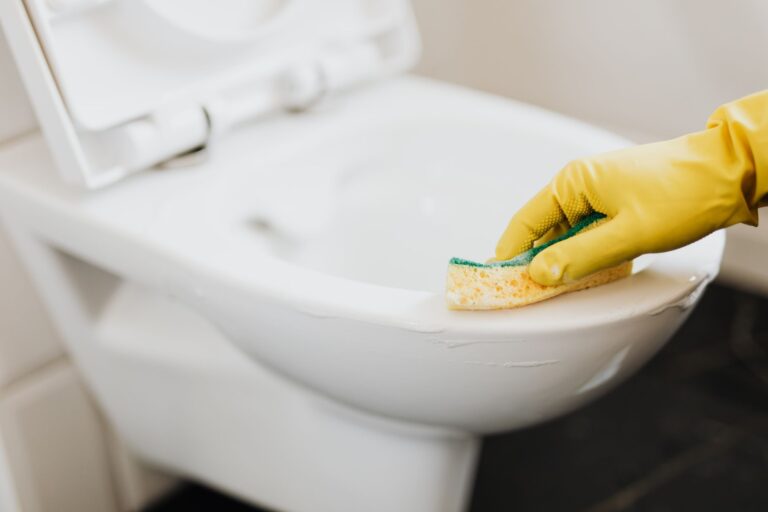
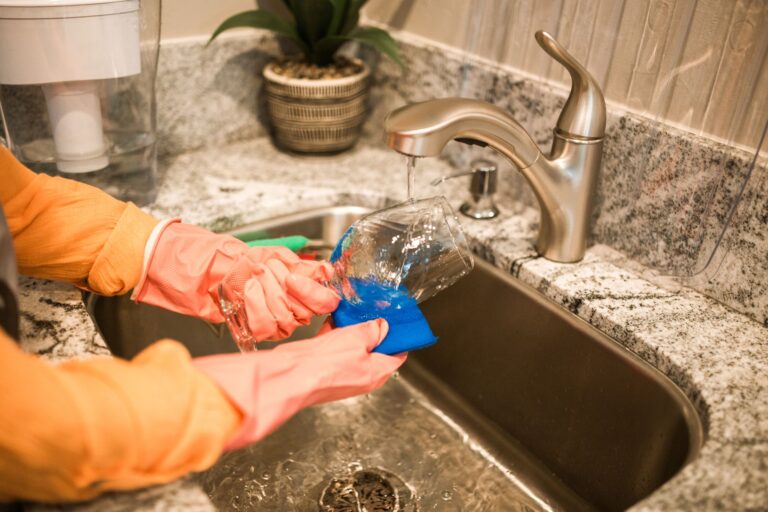
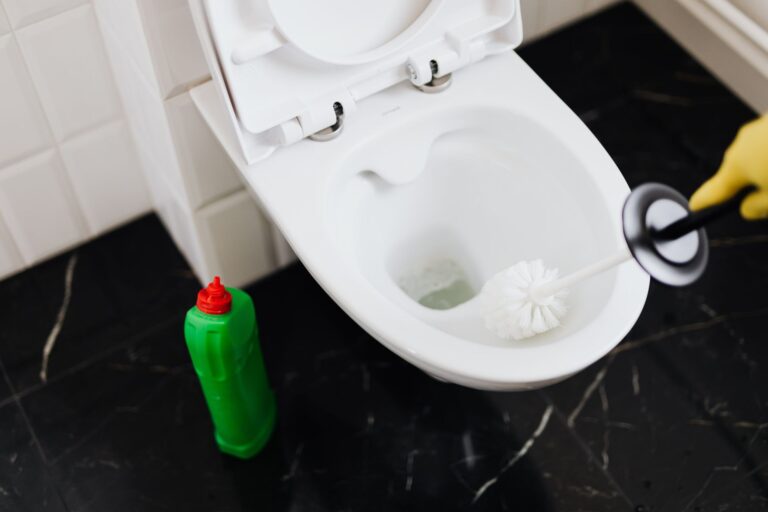
- Disinfect hard surfaces: Wipe tile and concrete with diluted bleach, or use 3% hydrogen peroxide on surfaces where bleach fumes would bother pets or kids. A few drops of dish soap in the solution helps the liquid penetrate a thin biofilm.
- Drench outdoor soil: Apply a copper-based fungicide or a 3% peroxide solution to the affected area, then rake to break up the thatch layer where spores lodge.
- HEPA-vacuum after drying: Wait until surfaces are fully dry, then vacuum with a HEPA-rated machine. Standard vacuums blow fine spores back into the room through their exhaust.
- Replace porous materials: Carpet padding, drywall, and insulation that stayed wet longer than 48 hours usually need to come out, because spores germinate deep in those fibers where disinfectant cannot reach.
Run the HEPA purifier for another 24 to 48 hours after the last step. A true HEPA machine captures particles down to 0.3 microns at 99.97% efficiency, catching the airborne spores stirred up by scraping and bagging so they do not resettle on a clean surface a room away.
Stopping Spores from Coming Back
Prevention is mostly an exercise in moisture management. Once indoor relative humidity stays below 50% and outdoor soil drains within a day after rain, dormant spores lose the trigger they need to germinate, and any mycelium that survived treatment slowly starves.
- Run a dehumidifier in basements, crawl spaces, and any bathroom without an exhaust fan, targeting 35 to 45% relative humidity during humid months.
- Fix leaks fast under sinks, around window wells, and behind washing machines, since even a small drip keeps the subfloor damp enough to feed mycelium for months.
- Grade soil away from the foundation and extend downspouts at least 6 feet from the house so roof runoff does not soak the perimeter.
- Aerate compacted lawn soil each fall so water drains through the root zone instead of sitting on the surface where spores collect.
- Dethatch organically rich mulch in shaded beds, since thick layers hold moisture against plant stems and create ideal fungal habitat.
- Cut back on watering in shaded garden corners where the soil never fully dries, and water early in the day so the surface dries out before nightfall.
A Simple Seasonal Inspection Routine
Twice a year, walk the perimeter with a flashlight and check gutters for clogs, window wells for standing water, and HVAC drip pans for algae or slime. These quiet collection points are where mycelium gets established without ever fruiting a visible mushroom, and a five-minute inspection catches problems before spores spread to the living space.
Once prevention is solid, the harder question becomes recognizing when the situation has outgrown a DIY approach.
When a Professional Remediation Crew Is Worth the Call
DIY works well for a single mushroom in a laundry room or a small fairy ring in the lawn, but certain situations cross a line where household tools cannot keep up. Spore spread across more than 10 square feet of drywall, recurring fruiting bodies that reappear within a week of treatment, and any sign of contamination inside the HVAC ductwork all warrant a certified mold remediator with industrial HEPA air scrubbers, antimicrobial sealants, and post-remediation clearance testing.
The trade-off is mostly financial. A professional job often runs $500 to $4,000 depending on the area, which is real money. The risk of going it alone is hidden mycelium reseeding the same patch from inside a wall cavity or a crawl space joist, where no surface spray will ever reach it. If anyone in the home is immunocompromised, or if the affected area has been wet longer than 48 hours, the cost of professional source removal is usually less than the cost of repeated failed attempts.
Escalate to a pro if: fruiting bodies return after two full treatments, the affected area exceeds 10 square feet, musty odor persists after cleaning, or anyone in the home has asthma, COPD, or a weakened immune system. Source removal by a certified remediator is cheaper than ongoing illness or structural repairs.
Bottom Line
Mushroom spores win the long game by waiting out whatever you throw at them. The homeowners who get lasting results treat the moisture problem first, then back it up with targeted disinfection on hard surfaces, replacement of porous materials that stayed wet, and outdoor soil drenches where mycelium hides. Handle those four pieces and the spores lose the environment they need, even if you never kill every last one.
FAQ
Are mushroom spores harmful to humans?
Mushroom spores are generally harmless to healthy adults at normal background levels, but high concentrations can trigger allergic reactions, asthma flare-ups, or respiratory irritation in sensitive individuals. People with weakened immune systems should minimize exposure and use an N95 respirator during any cleanup that disturbs visible fruiting bodies or contaminated material.
Can mushroom spores make you sick?
Spores themselves rarely cause acute illness, but prolonged inhalation of spore-heavy air has been linked to hypersensitivity pneumonitis and worsening allergy symptoms. Mycotoxins produced by some toxigenic molds that spread through the same airborne dispersal pattern are a more serious concern for people with compromised immunity or pre-existing lung conditions.
Does vinegar kill mushroom spores?
White vinegar (about 5% acetic acid) kills many fungal spores on hard, non-porous surfaces with a one-hour dwell time, though it works more slowly and less completely than diluted bleach or 3% hydrogen peroxide. Vinegar is a sensible choice on glass, sealed tile, or surfaces where bleach fumes are a problem, but it is not reliable for heavy spore loads or porous materials.
How do you permanently get rid of mushrooms in your yard?
Permanent yard control means breaking the moisture and food supply: aerate compacted soil, dethatch thick mulch, redirect downspouts away from planting beds, and avoid overwatering shaded lawn patches. A copper-based fungicide drench applied per the EPA label speeds up the process, but without those cultural fixes the mushrooms will keep returning each humid season.
What kills mushroom spores in soil?
Copper-based fungicides and 3% hydrogen peroxide drenches are the two most effective soil treatments, applied when the soil is already moist so the liquid penetrates the thatch layer where spores lodge. Lime and borax work on alkaline-tolerant sites, and soil solarization under clear plastic for four to six weeks of peak summer heat kills spores in the top six inches of small garden beds.
Can you be allergic to mushroom spores?
Yes. Spore allergies are well documented, with reactions ranging from mild sneezing and itchy eyes to full asthma episodes in people with underlying respiratory conditions. Allergy testing by a board-certified allergist can confirm spore sensitivity, and the most effective management is reducing exposure by keeping indoor humidity low and removing fruiting bodies before they release their spore load.