

A few smart outlets can turn lamps, fans, and string lights into voice-controlled helpers across every room in the house. For shoppers already running a Google Home speaker, picking a plug that pairs cleanly with Google Assistant saves a lot of setup friction. The nine picks below cover indoor basics, outdoor duty, energy tracking, and a few specialty setups.
A Snapshot Of The Selections

Govee Dual Smart Plug 2 Pack, 15A WiFi Bluetooth Outlet, Work with Alexa and Google Assistant
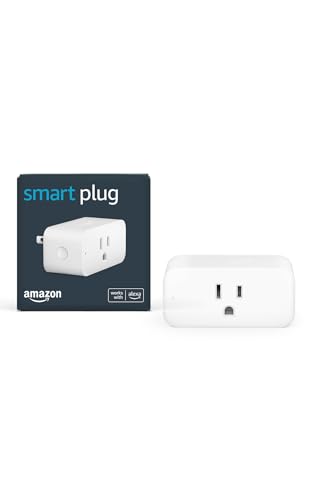
Amazon Smart Plug, Works with Alexa, Simple Setup, Endless Possibilities
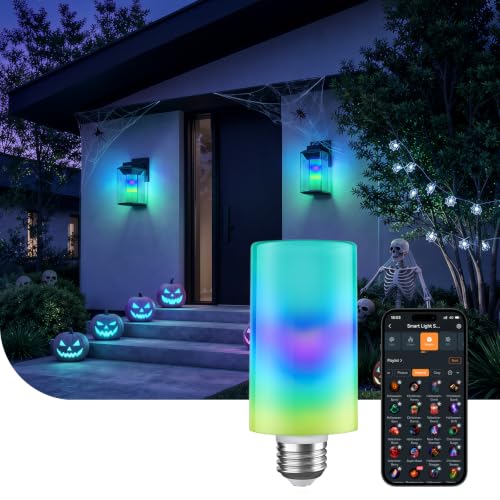
Linkind Smart Light Stick, Color and White Smart Light Bulb, 850lm

YoLink Smart Energy Plug 15A, 1/4 Mile LoRa Range, Real-Time Energy Monitoring

Linkind Matter Smart Plug, Work with Apple Home, Alexa, Siri, Google Home

Linkind Matter Smart Light Bulbs, Work with Apple Home, Alexa, Siri, Google

Kasa Smart Outdoor Smart Plug KP400, Smart Home Wi-Fi Outlet with 2 Sockets

Durablow SH-Y Control Kit for Gas Fireplace with Millivolt Valve

Philips Hue Smart Plug, White, 1 Pack, Compatible with Alexa, Google Assistant, Apple HomeKit
Meet The Standout Selections
Running out of outlet space is the most common pain point when starting out with smart plugs, and the Govee Dual Smart Plug sidesteps that problem by squeezing two independently controlled outlets into a single wall slot. Each side speaks to Google Assistant through the Govee Home app, so a bedside lamp and a fan can share one receptacle without blocking the other.
For renters, dorm rooms, and anyone tired of running a power strip behind the nightstand, that two-in-one footprint feels like the right trade. Setup happens over a 2.4 GHz Wi-Fi network with Bluetooth acting as a fallback during the initial pairing, which tends to make the first connection less flaky than Wi-Fi-only models in tighter apartments.
Strong Points
- Two independently scheduled outlets in one wall plate, doubling usable capacity without a power strip
- Voice control through both Alexa and Google Assistant after a one-time app linking step
- Bluetooth fallback speeds up pairing when the Wi-Fi signal struggles to reach behind furniture
- 15A rating handles most household lamps, fans, and small kitchen gear without worry
Things To Consider
- Runs only on 2.4 GHz networks, so a dual-band router needs both SSIDs active during setup
- Requires a Govee Home App account, which adds one more login to manage alongside the Google Home app
Key Specs
Who It Suits Best
Anyone in a small apartment or dorm who needs two smart outlets where a single duplex used to live.
Consider Something Else When
Homeowners running outdoor holiday lights should look at the Kasa KP400 instead, since it is built for weather exposure.
The Amazon Smart Plug is the easiest on-ramp into voice-controlled outlets, full stop. There is no extra app to download, no hub to register, and no firmware dance. Plug it in, open the Alexa app, and a few prompts later the outlet shows up as a named device ready for routines.
For Google Home households, this plug works through the Alexa app rather than directly through Google Assistant, which adds a bridge step worth knowing about. That trade-off makes more sense in homes where Alexa speakers are already the main voice layer, or where the priority is the shortest possible setup path.
Why It Works Well
- Setup takes a couple of minutes from box to working voice control, even for first-time smart home shoppers
- Compact body keeps the second wall outlet free on a standard duplex
- Native integration with Alexa routines, schedules, and grouped scenes
Room For Improvement
- Designed for the Alexa ecosystem, so pairing with Google Assistant requires extra bridging steps
- No energy monitoring or per-outage reporting in the app
Quick Facts
Made For
First-time smart home shoppers who already use an Echo speaker and want the shortest path to a working voice-controlled outlet.
Look Elsewhere When
Google Home natives running Google Assistant everywhere should reach for the Linkind Matter Smart Plug for cleaner pairing.
The Linkind Smart Light Stick is a bulb that shows up here because it solves the same core problem as a smart plug: turning a regular fixture into a voice-controlled one. The T19 tube shape (57 × 131 mm) and E26 base slot into most standard table lamps and vanity fixtures, so you skip the extra outlet box altogether.
Output lands at a useful 850 lumens, bright enough for reading lamps and hallway sconces. Color and tunable white run through the AiDot app, then expose themselves to Google Assistant for hands-free dimming. Owners commonly report that a 2.4 GHz-only network is the main setup detail worth confirming before buying.
Useful Strengths
- Tubular T19 form factor fits lamps and vanity fixtures that block a traditional A19 bulb
- 850-lumen output covers most reading and accent lighting roles
- Direct voice integration with Google Assistant after the AiDot app pairing
Points To Note
- Limited to 2.4 GHz Wi-Fi networks, not compatible with 5 GHz routers
- Not designed for traditional dimmer switches, where flickering can occur
Best Suited To
Lamp and vanity owners who want app-and-voice control without taking up an outlet for a plug.
Where Another Pick Suits Better
Anyone wanting per-room bulb scenes and full Matter support should pick the Linkind Matter Smart Light Bulbs instead.
Wi-Fi smart plugs tap out the moment a router sits across a garage or a detached workshop, which is where the YoLink Smart Energy Plug earns its slot. It uses LoRa, a low-power long-range radio, to reach roughly a quarter mile from the hub, making it the strongest option in this list for outbuildings, basements, and metal-walled shops.
At 15A, it carries the same load ceiling as most indoor models but pairs that with real-time watt monitoring and exportable usage reports. Cycle scheduling adds the kind of repeat-interval control that pumps, dehumidifiers, and circulation fans tend to need. The hub requirement is the catch.
Real Benefits
- LoRa range reaches up to 1/4 mile, far beyond what Wi-Fi plugs handle through walls
- 15A rating covers heavy-duty appliances like pumps, dehumidifiers, and space heaters
- Live wattage and exportable energy reports help spot vampire or power-hungry loads
- Cycle scheduling supports repeating on/off intervals for pumps and fans
Honest Caveats
- Requires the YoLink hub, so the system price climbs above standalone plug picks
- Energy monitoring is more useful on consistent loads than on intermittent kitchen gear
Who Should Grab It
Garage, barn, and workshop owners who need to control and monitor appliances beyond the range of a typical Wi-Fi signal.
Skip It When
Anyone working entirely inside the router’s existing range should reach for the Govee Dual Smart Plug for a simpler path.
Matter is the smart home protocol built to end app-juggling, and the Linkind Matter Smart Plug leans into that promise. Pair it to one certified controller (a Nest, Nest Hub, Echo, HomePod, or SmartThings Hub) and it shows up natively inside Apple Home, Alexa, Google Home, and SmartThings without a manufacturer-specific app holding it hostage.
For mixed-platform households where some family members swear by Siri and others default to Google Assistant, that cross-ecosystem exposure is the headline win. The trade is the requirement for a Matter-certified hub or controller in the first place.
A Few Highlights
- Matter certification means a single pairing shows up across Apple Home, Alexa, Google Home, and SmartThings
- Removes the need to install yet another vendor app for everyday control
- Voice commands work through Siri, Alexa, and Google Assistant once paired to any certified hub
Potential Drawbacks
- Needs a Matter-certified hub or controller like a Nest Hub, HomePod, or Echo for full functionality
- No manufacturer-specific energy reporting; basic on/off is the main control surface
The Right Fit
Mixed-platform households that want one outlet to play nicely across Apple, Google, and Alexa without bridges.
Reach For A Different Pick When
Anyone wanting detailed energy monitoring should pick the YoLink Smart Energy Plug for its wattage reporting.
Where the Linkind Matter Smart Plug sits at the outlet, the Linkind Matter Smart Light Bulbs handle the same job at the fixture. Standard 120V smart bulbs pair through Matter-certified controllers like the HomePod, Echo, or Nest, which puts them on the same shared control surface across Apple Home, Alexa, and Google.
For whole-room upgrades, swapping bulbs is often cleaner than retrofitting outlets behind furniture. The honest trade is that ceiling fixtures, smart switches, and bulb-based control sometimes overlap awkwardly, so a quick mental map of your wiring helps before committing.
The Good Stuff
- Matter certification cuts down on vendor lock-in for the bulbs themselves
- Single pairing surface across Apple Home, Alexa, Google, and SmartThings
- Ideal for whole-room lighting upgrades where outlets are already spoken for
Trade Offs
- Requires a Matter-certified hub or controller for the full cross-platform experience
- Setup can confuse shoppers who already use Wi-Fi-only bulbs, since the hub requirement is easy to miss
Perfect Match For
Anyone running a whole-home smart upgrade who wants bulbs and outlets on the same Matter control surface.
Swap It Out When
A single-room smart lamp retrofit lands better with the Govee Dual Smart Plug, since it skips the hub step.
The Kasa KP400 is the smart plug built for the backyard, not the bedroom. An IP64 weatherproof rating (dust-tight and resistant to splashing water from any direction) means it survives patio covers, deck boxes, and the occasional rainstorm without a protective enclosure. The advertised 300-foot Wi-Fi range gives the unit extra slack for detached garages.
Two independently controllable outlets inside a single housing handle landscape lights, holiday displays, and pool pumps side by side. Sunset and sunrise offsets align schedules with the actual sky, which removes one more manual step from the routine.
A Favorable Mix
- IP64 rating handles dust and splashing water on covered patios
- Two outlets run separately, doubling the control surface from one outdoor housing
- Sunset and sunrise scheduling removes the manual time-adjust chore across the year
- Native compatibility with Alexa, Google Assistant, and IFTTT
Less-Strong Areas
- Wi-Fi signal still needs to reach the outlet, so far-outbuildings may need a mesh extender or a LoRa pick
- Larger housing footprint can crowd tight outlet covers or low-profile soffits
Whose Shelf It Belongs On
Patio and yard owners running holiday lights, landscape lighting, or a pool pump who want hands-free scheduling.
A Better Fit Elsewhere
Anyone controlling loads well beyond router range should pick the YoLink Smart Energy Plug for its LoRa reach.
The Durablow SH-Y lives in a different category from every other pick on this list: it is not a wall outlet, but a control kit that wires into a millivolt gas fireplace so any standard smart plug can switch the flame on and off by voice. The kit ships with a power adapter, USB cable, control box with two lead wires, and two 2-1 wiring adapters for the fireplace side.
For households with a gas fireplace that still needs a lighter or a wall key to start, this turns a 1990s appliance into something a Nest or Echo can call on. It assumes your fireplace uses the common millivolt valve system rather than electronic ignition, which is the compatibility detail worth confirming first.
Standout Benefits
- Brings voice and schedule control to a traditional millivolt gas fireplace
- Compact control box fits the limited cavities of standard hearth surrounds
- Works with any smart plug you already own, so no extra ecosystem lock-in
Practical Considerations
- Smart plug is not included, so factor that into the total budget
- Only fits millivolt valve fireplaces, so electronic-ignition models are out
- Wiring the kit into a gas appliance calls for basic comfort with low-voltage leads
Who Will Love This
Gas fireplace owners who want scheduled or voice-activated flames without replacing the original valve.
Where A Sibling Pick Shines
Anyone controlling a lamp should skip the kit and grab the Amazon Smart Plug for a much faster install.
The Philips Hue Smart Plug is the smallest, quietest outlet in this lineup, and that is exactly the appeal. The white housing disappears behind furniture and inside designer receptacles where chunky smart plugs would clash with the trim.
It pairs with Hue lights, Hue strips, and the rest of the Hue ecosystem through the Hue Bridge, which also opens up remote control and a stable connection that does not bog down the Wi-Fi network. Matter compatibility extends that reach to Apple Home, Alexa, and Google Assistant once the Bridge is part of the picture.
The Value In It
- Compact white housing stays out of sight behind sofas and side tables
- Hue Bridge unlocks full Hue ecosystem control, automations, and away-from-home toggling
- Matter support broadens reach to Apple Home, Alexa, and Google Assistant through the Bridge
Where It May Fall Short
- Best when paired with the Hue Bridge; the plug on its own has a more limited feature set
- Single outlet only, so multi-load setups need additional units
Built With In Mind
Hue households who want any plugged-in lamp to join the same scenes and routines as their bulbs.
Not Your Match When
Shoppers without a Hue Bridge should grab the Govee Dual Smart Plug for a lower entry barrier.
Picking A Smart Plug Google Home Setup That Actually Fits
A few attributes tend to separate the smart plugs that get left plugged in forever from the ones that end up back in the box. Hub versus hub-free sits at the top of the list, since that decision shapes the rest of the ecosystem. Wi-Fi-only plugs, such as the Govee and Kasa KP400, skip the hub but lean on the router to stay reachable. Matter picks like the Linkind smart plug and bulbs want a certified controller on the network to unlock their full cross-platform value. Long-range picks like the YoLink require the brand hub to reach beyond Wi-Fi’s practical limits.
Load rating and physical size matter more than they look at first glance. 15A handles nearly every household lamp, fan, and small kitchen appliance on a standard circuit, but specialty loads (a space heater, a dehumidifier, a pond pump) often need that 15A ceiling spelled plainly in the spec sheet. Footprint decides whether the second outlet in a duplex stays usable; the Govee Dual Smart Plug is the standout here.
For Google Home households, voice integration is the main payoff. Direct pairing through the Google Home app feels different from bridging through another vendor app, and the difference shows up in routine setup. Shoppers running only Google Assistant speakers may prefer the direct integration path, while households mixing ecosystems often lean toward Matter for the shared control surface.
Across The Whole Lineup
Where Shoppers Go Wrong
One common slip is buying a 5 GHz-only router setup and assuming any smart plug will pair. Most plugs in this category run on 2.4 GHz networks, so a dual-band router needs both bands active during setup. Another pitfall is underestimating hub requirements; Matter and LoRa devices need a controller or hub before their headline features show up.
What The Higher Tier Buys
Higher-tier smart plugs tend to bring energy monitoring, scheduling depth, and longer radio range. The YoLink Smart Energy Plug is the clearest example, pairing 15A capacity with watt-level reporting. Pay more when you need that visibility or reach; stick with simpler picks when a basic on/off voice command covers the use case.
Frequently Asked Questions
Do all smart plugs work with Google Home?
Not every plug pairs directly with Google Home, and the difference shows up in setup time. Direct Google Home pairings skip extra bridging steps, while Alexa-first picks like the Amazon Smart Plug typically need an extra configuration pass.
What is Matter and why does it matter for plugs?
Matter is a smart home standard built so one device works across Apple Home, Alexa, Google Home, and SmartThings without separate apps. For mixed-ecosystem households, it cuts the app-juggling down to one shared control surface.
Do smart plugs need a hub?
Wi-Fi plugs like the Govee and Kasa KP400 run without any hub. Matter and LoRa plugs do require a certified controller or brand hub to unlock their headline features.
Can a smart plug handle high-wattage appliances?
A 15A plug covers most household lamps, fans, and small kitchen gear, but check the appliance label before plugging in heavy loads. The YoLink Smart Energy Plug spells that 15A ceiling out clearly for pumps, dehumidifiers, and space heaters.
Are outdoor smart plugs different from indoor ones?
Outdoor plugs like the KP400 carry weatherproof ratings such as IP64 to survive splashing water and dust. Indoor plugs skip those seals, so using them outside tends to shorten their working life.
The Takeaway
The right smart plug depends more on the room and the ecosystem than on any single spec sheet. Match the protocol to your existing voice assistant, pick a footprint that fits the outlet, and step up to energy monitoring or long-range radios only when the use case calls for it. Any of the nine picks above will earn its keep when paired with the right setup.
