

Upgrading to smart outlets is one of those rare home projects that pays you back daily. You walk into a dark entryway, and the lamp is already glowing. You crawl into bed, and you don’t have to get up to kill the living room lights. The right outlet turns a tired wall plate into a small, useful piece of modern infrastructure. The wrong one flickers, drops off your network, or fights you on installation day.
This list rounds up nine solid options across three flavors: plug-in smart adapters, USB-ready wall receptacles, and safety-first GFCI outlets. Whether you’re a renter who can’t rewire, a homeowner refreshing a kitchen, or a parent trying to keep a charging station sane, there’s something here that fits.
The Main Contenders

LoraTap Mini Remote Control Outlet Plug Adapter, No Hub

Leviton Slim GFCI Outlet, Tamper-Resistant, 15 Amp, 3-Pack
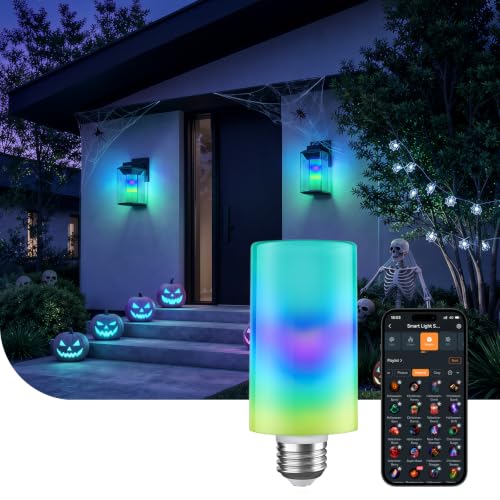
Linkind Smart Light Stick, 850lm
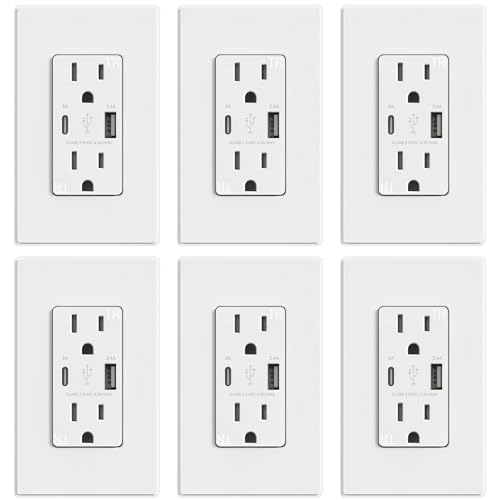
ELEGRP USB Outlets, 15 Amp, Type A & C, 6 Pack

ELEGRP USB Wall Outlets, 3 USB Ports, Screwless Plate

ELEGRP USB Outlets, 20 Amp, Dual USB C, 2 Pack

Linkind Matter Smart Plug, Apple Home, Alexa, Google

Linkind Matter Smart Light Bulbs, Apple Home, Alexa, Google

DEWENWILS Wireless Remote Control Outlet, 2 Sockets
What Each Pick Brings To The Table
The LoraTap Mini is the kind of outlet adapter that solves a stubborn problem without demanding an app, a hub, or a tutorial. You plug it in, pair the handheld remote, and suddenly a floor lamp behind the sofa has a switch you can actually reach. For renters who can’t drill into walls or anyone avoiding yet another cloud account, that simplicity is the whole pitch.
Where it shines is in awkward-to-reach spots: a window AC, a fish tank light, a holiday tree. Compared to the Wi-Fi smart plugs later in this list, LoraTap skips the network hop entirely and uses a radio frequency signal between remote and outlet. The trade-off shows up in features you may or may not miss: there’s no scheduling, no voice control, and no away-from-home toggle.
The Helpful Details
- No hub, app, or account required to get started
- Compact body keeps the second outlet free on most wall plates
- RF remote works through walls and around corners, useful in bedrooms and basements
- 10A / 1100W rating handles lamps, fans, and small appliances
- Remote can mount on a magnetic base for a wall-switch feel without rewiring
Small Caveats
- Lacks scheduling, voice integration, and energy monitoring
- RF remotes are easy to misplace, so labeling helps in multi-outlet homes
Who It Suits Best
Anyone wanting a no-fuss remote for a lamp or seasonal decoration, especially renters who can’t replace wall outlets.
Reach For A Different Pick When
The Linkind Matter Smart Plug is the better match for households already running Apple Home, Alexa, or Google and want voice and app control from anywhere.
Not every smart outlet needs to be smart in the Wi-Fi sense. The Leviton Slim GFCI is a hardwired wall receptacle that protects you from ground faults, the kind of electrical hiccup that turns a hair dryer near a wet sink into a serious problem. A GFCI, or ground fault circuit interrupter, watches the current going out and coming back; if the difference suggests leakage, it cuts power in milliseconds.
The “smart” part is built in as self-testing: the outlet periodically checks its own circuitry so you don’t have to remember the monthly press-the-test-button ritual. In a bathroom, kitchen, garage, or laundry room, that automatic check is the kind of background safety that pays for itself the one time it matters. Compared to the USB-charging receptacles later in this list, the Leviton gives up convenience ports for peace of mind.
Where It Delivers
- Self-test GFCI monitoring reduces maintenance for busy households
- Slim profile eases installation in shallow or crowded boxes
- Tamper-resistant shutters help childproof living areas
- Three-pack covers a typical kitchen or bath refresh in one purchase
Worth Noting
- Hardwired installation requires turning off the breaker and basic comfort with electrical work
- No USB ports or app connectivity, so plan separate charging solutions
- Replacement depth in older metal boxes can be tight, depending on your existing wiring
Made For
Homeowners refreshing wet or high-use areas like kitchens, bathrooms, and garages who want safer outlets without buying into a smart-home platform.
Look Elsewhere When
Bedrooms and living rooms without moisture exposure are better served by the ELEGRP USB outlets on this list, which add convenient charging to a standard receptacle.
The Linkind Smart Light Stick breaks the mold of round bulbs. It’s a slender T19 form factor that slips into narrow fixtures, sconces, and pendant sockets where a traditional A19 looks chunky or won’t fit at all. For accent shelves, vanity lights, and tight reading nooks, the shape opens up places a regular smart bulb simply can’t reach.
Inside, the stick delivers 850 lumens with both tunable white and full color, controllable through the AiDot app or voice. Setup runs on 2.4 GHz Wi-Fi, so older dual-band routers need a little attention. Unlike the LoraTap remote setup earlier, this one wants the network, and it earns that extra step with app-based scenes, schedules, and color effects.
A Few Strong Suits
- Slender T19 shape fits sconces, pendants, and tight fixtures
- Color and tunable white in a single bulb for mood and task lighting
- App and voice control for schedules, scenes, and away-from-home adjustments
Trade Offs
- 2.4 GHz Wi-Fi only, which can crowd busy networks
- Not compatible with traditional dimmer switches, so existing dimmers need to be swapped or bypassed
Right Fit For
People decorating slim fixtures or seeking a discrete accent light with color control and an easy smart-home tie-in.
Swap It Out When
The Linkind Matter Smart Light Bulbs suit a standard lamp socket better and offer Matter-based compatibility across Apple, Alexa, and Google setups.
The charging-cable pile behind the nightstand tells the real story of modern bedrooms. The ELEGRP USB outlet tackles that head-on: a standard 15-amp duplex receptacle paired with both USB-A and USB-C ports, so the bricks can stay in a drawer. The 6-pack sizing makes it the obvious choice for a whole-home refresh, covering bedrooms, the kitchen, the office, and a hallway or two without a second order.
Total shared output caps at 21 watts, which is plenty for overnight phone charging and tablets but not a fast-charge station. The two traditional plug slots stay usable, so a lamp and alarm clock still have a home. Compared to the Leviton GFCI earlier, this one trades moisture protection for charging convenience, so it belongs in living areas rather than near water.
Practical Pluses
- Combined Type A and Type C ports reduce the need for separate chargers
- Six-pack is sized for whole-home replacement projects
- Tamper-resistant shutters add child safety in family spaces
- Duplex layout keeps both standard plug slots usable alongside USB
Honest Caveats
- Shared 21W output throttles when multiple devices charge at once
- Not a GFCI, so installation in kitchens and baths may need pairing with a GFCI breaker
Best Suited To
Households planning a multi-room upgrade where USB charging matters more than fast-charge speeds.
Where Another Pick Suits Better
The Leviton Slim GFCI Outlet is the safer bet for bathrooms and kitchens where ground-fault protection is required by code.
Subtle styling wins matter in living areas. ELEGRP’s 3-port version swaps the standard wall plate for a screwless, matte-finish design that sits flush against the wall and skips the visible screws that interrupt a clean paint line. If you notice small details, that finish alone makes a renovation feel intentional.
Under the hood, it bumps the rating to 20 amps and stacks three USB ports: two USB-A and one USB-C. The total output stays at 21W, so the headline is capacity, not speed, but it covers a couple of phones plus a tablet at the same time. Compared to the 6-pack earlier, this one is more of a curated upgrade for a few high-traffic spots.
Where It Excels
- Matte finish and screwless wall plate deliver a clean, modern look
- Three USB ports handle multiple devices overnight
- 20-amp rating supports heavier-draw appliances like vacuums and hair tools
- Tamper-resistant design for family living areas
Points To Note
- 2-pack limits whole-home reach without a second order
- No fast-charge protocols, so a quick top-up takes longer than a dedicated brick
Who Will Love This
Homeowners refreshing one or two focal rooms where the wall plate is part of the design, not just a cover.
Not Your Match When
The ELEGRP 6-pack is the better value for whole-home projects where many rooms need outlets in a single purchase.
USB-C is the connector most new devices ship with, and this ELEGRP doubles down on it. With two USB-C ports and one USB-A, it’s built for households that have mostly moved past older cables. The 20-amp body also makes it suitable for spaces pulling heavier loads, like a garage workshop or a home office full of monitors.
Like the other ELEGRP units, total output caps at 21W, so the upgrade is about port layout and amp rating, not raw charging speed. The trade-off is real but worth it for anyone whose phone, earbuds, and tablet all want USB-C. Compared to the screwless-finish 3-port earlier, this one focuses less on style and more on connector flexibility.
Reasons It Performs
- Dual USB-C ports match modern phones, tablets, and earbuds
- 20-amp rating supports heavier tools and appliances
- Tamper-resistant shutters add child safety
Potential Drawbacks
- Shared 21W total output limits simultaneous fast charging
- Only two outlets per pack, so multiple rooms need additional orders
Perfect Match For
Modern-device households and home workshops where a mix of USB-C gear shares the bench or desk.
Consider Something Else When
The ELEGRP screwless-finish USB outlet is a stronger pick for living spaces where the plate appearance matters more than port mix.
Matter changed the smart-plug conversation. Where earlier generations made you pick a side (Alexa household or Apple household, take your pick), Matter is a shared language: a single standard that lets certified devices talk across ecosystems. The Linkind Matter Smart Plug leans into that hard, working with Apple Home, Alexa, Google Home, SmartThings, and AiDot from one device.
Setup needs a Matter-certified hub, such as a HomePod, Echo, or Nest, and the plug runs on 2.4 GHz Wi-Fi. In return, you get schedules, voice control, and away-from-home toggles through whichever app you already use. Compared to the LoraTap remote earlier, this is the modern, app-driven counterpart for homes that want real smart-home behavior.
Positive Points
- Cross-ecosystem support reduces app juggling
- Schedules, voice, and remote control out of the box
- Compact body keeps the second outlet available on most wall plates
A Few Limitations
- Requires a Matter-certified hub, adding to the initial setup cost
- Wi-Fi dependency means a network hiccup takes the plug offline
Who Should Grab It
Households running multiple smart-home platforms who want a single plug to work with all of them.
Skip It When
You just need a no-network remote for a lamp; the LoraTap Mini handles that without any hub or app.
The Linkind Matter Smart Bulb is what you reach for when you want smart lighting without painting yourself into one platform. Built around the same Matter standard as the Linkind plug, it pairs with Apple Home, Alexa, Google, and SmartThings through a Matter-certified hub. For renters and homeowners who change phones or assistants more often than they repaint, that flexibility is the headline feature.
The bulb fits a standard E26 socket and runs on household 120V power, so no rewiring or special fixtures are required. Functionally, it behaves like most modern smart bulbs: dimming, schedules, scenes, and voice control across your platform of choice. Compared to the Linkind Smart Light Stick earlier, this one trades the slim form factor for a more familiar bulb shape that fits a much wider range of lamps and ceiling fixtures.
A Strong Showing
- Matter certification works across the major smart-home platforms
- Standard E26 base fits most lamps and ceiling fixtures
- 120V compatibility with no rewiring required
Points To Keep In Mind
- Needs a Matter-certified hub for full feature access
- Wi-Fi reliability affects responsiveness, especially in dense router environments
Built With In Mind
Shoppers who want one bulb that follows them across platforms, especially if their smart-home setup is still evolving.
A Better Fit Elsewhere
The Linkind Smart Light Stick suits narrow sconces and accent fixtures where a standard A19 shape won’t physically fit.
Holiday lights, a window fan, a fish tank rig: some setups are easier to control with one remote than three phone apps. The DEWENWILS unit gives you two sockets, each independently controlled from the same keychain remote, with no Wi-Fi pairing or account setup. Plug in, match the frequency code, and you’re operating.
Independent control is the quiet win here. Most basic remotes treat both outlets as one, so you’re stuck with all-on or all-off. The variable learning codes also keep multiple units in the same house from cross-talking, useful when you’re running more than one set of seasonal lights. Compared to the LoraTap Mini earlier, this one trades a magnetic wall-mount feel for a keychain form that lives on your keys.
Benefits That Matter
- Two independently switched sockets from one remote
- No app, hub, or account required to get started
- Keychain remote keeps control within arm’s reach
Soft Spots
- No scheduling, voice, or away-from-home control
- Plastic housing feels lighter than premium smart plugs, so cable weight on both sockets is worth watching
Whose Shelf It Belongs On
Anyone running seasonal lights, fan-and-lamp combos, or aquarium setups where a keychain remote is more practical than a phone.
Another Choice May Suit When
The Linkind Matter Smart Plug is the better pick for households that want app scheduling, voice control, and away-from-home toggles.
Picking The Right Outlet For Your Space
Smart outlets live or die on fit, not feature lists. Start with the wall itself: kitchens, bathrooms, laundry rooms, and garages need GFCI protection, which the Leviton Slim GFCI provides without asking you to join a smart-home platform. Living rooms, bedrooms, hallways, and offices usually don’t, and they benefit more from the ELEGRP USB receptacles, where charging convenience outweighs ground-fault circuitry.
Match the form factor to the room next. A bulky smart plug can cover both outlets on a wall plate, leaving you one socket down. The LoraTap and Linkind plugs are compact enough to keep the second outlet free, which matters in older homes with limited receptacles. The Linkind Smart Light Stick solves a different puzzle: narrow sconces and pendants where a standard A19 bulb simply won’t seat.
Connectivity choice comes last. RF remotes (LoraTap, DEWENWILS) work without a network and survive router hiccups, but they don’t give you voice or schedules. Matter and Wi-Fi plugs (Linkind) bring the full app experience and cross-platform support, at the cost of a hub and a working 2.4 GHz network. Choose the smallest set of features you actually use, since complexity you don’t touch tends to become complexity you resent.
Mistakes Worth Dodging And Where The Upgrade Pays Off
Where Shoppers Go Wrong
The most common slip-up is buying a smart plug for a spot that really needs a hardwired receptacle, or vice versa. A plug adapter can’t replace a GFCI in a bathroom, and a fancy wall outlet does nothing for a lamp you want to keep portable. Match the device to the room’s requirements before chasing features.
Another easy miss: overlooking hub and network requirements. Matter and Wi-Fi smart plugs promise cross-platform support, but they need a Matter-certified hub, a 2.4 GHz Wi-Fi signal, and sometimes a fresh router channel to behave well. In dense apartment buildings, that “smart” plug can spend its first week offline while you troubleshoot.
The Case For Spending Up
The higher tier on this list earns its place in two ways: safety and finish. The Leviton Slim GFCI adds automatic self-testing, so the protection you might forget to check keeps checking itself. The ELEGRP screwless-finish USB outlet costs a bit more than a standard USB receptacle, but the matte plate and flush look hold up better in rooms where the wall is part of the design.
For most homes, one well-chosen premium outlet in a high-traffic spot beats six budget picks you forget you installed. Spend where you look, save where you don’t.
Frequently Asked Questions
Do smart wall outlets work without internet?
Many do, but with limits. RF remote outlets like the LoraTap and DEWENWILS work fully offline, since the remote talks directly to the outlet. Wi-Fi and Matter smart plugs lose app and voice control when the internet drops, though basic on-off via the local network may still work depending on your setup.
Can I install a USB wall outlet myself?
If you’re comfortable replacing a standard outlet (breaker off, wires matched to terminals, ground attached), a USB receptacle is a similar job. Bathrooms, kitchens, garages, and outdoor outlets need GFCI protection, and a few jurisdictions require permits for any new circuit work. For older homes with unknown wiring, an electrician’s visit is often worth the peace of mind.
What’s the difference between a smart plug and a smart outlet?
A smart plug is an adapter that goes into an existing outlet and adds app or remote control. A smart outlet is a hardwired wall receptacle that replaces the existing one entirely. Adapters are renter-friendly and portable, while hardwired outlets look cleaner and can include extras like GFCI protection or USB charging.
Will Matter work with my existing smart home?
Most likely, yes, if you have a Matter-certified hub (HomePod, Echo, Nest, SmartThings Hub, or similar). Matter is designed to bridge ecosystems, so a single device can show up in Apple Home, Alexa, and Google Home at the same time. Confirm your hub is on the supported list before buying, since not every older hub has a Matter upgrade path.
Are USB outlets safe for overnight charging?
Yes, when the outlet is from a reputable brand and properly installed. The ELEGRP units include protocol chips that read each device’s power needs and deliver a matched current. They don’t support the fastest proprietary charging standards, but for overnight phone and tablet top-ups, the slower pace is actually gentler on battery longevity.
Wrap Up
Smart outlets are an easy win once you match the device to the room. Bathrooms and kitchens want GFCI protection, bedrooms and offices want USB convenience, and hard-to-reach lamps want a simple remote. Pick the smallest tool that solves the real annoyance in your home, and let the rest stay simple.
