

You want a camera that quietly does its job without turning your home into a tech project. Maybe you need eyes on the front porch, a reliable baby monitor, or a way to check in on a restless dog while you’re at work. The eight picks below cover very different scenarios, from screw-in bulb cameras to hardwired outdoor bundles, so you can match the gear to the gap you actually need to fill.
A Side-By-Side Look
JCMNETE Light Bulb Security Camera 2K

REOLINK PoE Outdoor Security Bundle 4-Pack

Wlofoisz Dome Camera with Wireless Charger
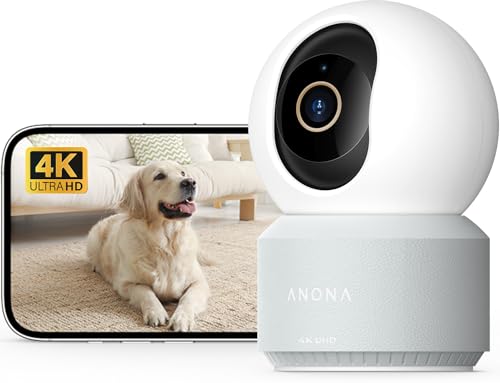
Anona Pano 4K UHD Indoor Camera

SOIADV Window Cameras 4-Pack 2.5K
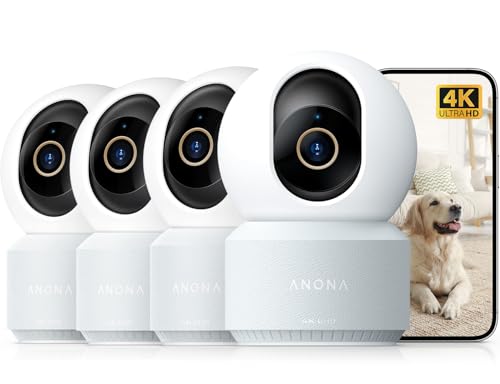
Anona 4K UHD Indoor Camera 4-Pack

HOMIQ LIFE Window Camera 3MP 2K

HOMIQ LIFE Window Camera 2-Pack 2K
What Each Pick Brings To The Table
This is the camera for anyone who has rented an apartment long enough to dread drilling into brick. The JCMNETE bulb camera drops into any standard E26 or E27 socket (the common screw-base fitting used in most household lamps) and pulls double duty as a 9W light and a 2K streaming camera. Because it works on both 2.4GHz and 5GHz Wi-Fi (the two main wireless bands your router broadcasts), it sidesteps the usual drop-out problems older single-band cameras have on crowded networks.
The smart motion detection flags people rather than passing shadows, and the 911 emergency shortcut is a rare feature at this end of the market. It suits a porch light fixture, a hallway lamp, or even a garage socket. For someone outfitting a first apartment or a short-term rental, the no-tools install is hard to beat.
Strengths Worth Knowing
- Screws into a normal light socket, no wiring, no drilling, no hub needed.
- Dual-band Wi-Fi keeps the live feed stable on modern routers in dense apartment buildings.
- Functions as a real 1000-lumen bulb, so you replace lighting and add coverage in one step.
- AI motion filtering trims false alerts from swaying branches or headlights.
Honest Caveats
- Recording quality relies on a steady Wi-Fi signal at the socket location; a weak porch signal means choppy footage.
- Bulb form factor limits the mounting angle compared to a wall-mounted camera.
Feature Snapshot
Right Fit For
Renters, dorm rooms, and anyone who needs coverage in a space where drilling holes is off the table.
Consider Something Else When
The REOLINK PoE bundle is the smarter call for owners covering a full property with reliable outdoor sight lines.
REOLINK takes a different route with Power over Ethernet (PoE), meaning a single cable delivers both data and power, so each camera only needs one wire run from the recorder. That single-cable design is the biggest practical win, because it eliminates the weak link that trips up most wireless outdoor setups: a flaky Wi-Fi signal at the fence line.
The bundle ships with four RLC-520A cameras delivering 5MP resolution, plus onboard person, vehicle, and pet detection that runs locally on the camera. That means alerts arrive without round-tripping through a cloud server. Owners planning a full perimeter around a house, detached garage, or driveway will appreciate the bullet form factor (a classic cylindrical camera shape designed for outdoor mounting) and the 100ft infrared range for dark stretches.
Practical Advantages
- PoE wiring removes battery swaps and Wi-Fi dropouts at the far corners of a property.
- Local AI detection for people, vehicles, and pets keeps alerts relevant and snappy.
- SD card slot supports up to 512GB for users who prefer local-only recording.
- Timelapse feature is useful for documenting construction, garden growth, or weather.
Trade-Offs
- Requires running Ethernet cables, which means drilling through walls or using exterior conduit.
- Setup is heavier than the bulb-style pick above; plan on a weekend install for a four-camera layout.
Key Attributes
Built With In Mind
Homeowners wiring up a complete perimeter system who want reliable outdoor coverage without dependence on Wi-Fi range.
Skip It When
The JCMNETE bulb camera makes more sense in a rental where running Ethernet through walls isn’t an option.
The Wlofoisz dome is built for the nightstand crowd: new parents, pet owners, and anyone who wants a camera they can toss in a drawer when company visits. The hidden-rotator lens reaches a 250° viewing angle, which is generous for a device small enough to sit beside a bottle warmer, and the built-in wireless charging pad on the base means a phone can sit on top while the camera watches the room.
Unlike the outdoor-focused REOLINK bundle, this one lives entirely indoors. Dual-band Wi-Fi keeps the connection solid, and motion alerts go straight to the phone app. It is a thoughtful pick for nurseries, small apartments, or anywhere you want monitoring without a dedicated screen cluttering the space.
The Practical Payoff
- Wireless charger pad cuts down on nightstand cord clutter for caregivers.
- 250° rotatable lens covers more of a room than fixed-lens indoor cams.
- Compact dome blends into shelves and side tables rather than announcing itself.
- Dual-band Wi-Fi handles streaming reliably in rooms with many connected devices.
Points To Note
- No weatherproofing, so outdoor placement is out of the question.
- Charging pad speeds vary by phone, so check compatibility before relying on it.
Made For
New parents and pet owners who want a low-profile nursery or living room camera with a built-in charging dock.
Reach For A Different Pick When
The Anona Pano is a better fit for users who want auto-tracking and 4K detail in larger indoor spaces.
The Anona Pano earns its spot by stacking 4K resolution onto a pan-tilt body with auto-tracking, meaning the lens physically rotates to follow a subject rather than relying on digital cropping. That matters in living rooms where a toddler or a cat darts across the frame: the camera stays on the action instead of losing them at the edge of the view.
Wi-Fi 6 support (the newest Wi-Fi standard, offering faster speeds and better handling of multiple devices) and dual-band connectivity keep latency low on busy networks. AI detection flags people, pets, and baby crying separately, so the phone buzzes for the right reasons. Privacy mode physically shutters the lens when you want the camera off-duty, which is a real comfort in bedrooms.
What Helps Most
- 4K resolution keeps faces and small details readable when you zoom into footage later.
- Auto-tracking follows moving subjects across the room without manual nudging.
- Privacy mode shutters the lens, useful for shared living spaces or rentals.
- Two-way audio lets you talk through the camera to calm a pet or talk to a child remotely.
Less-Strong Areas
- 4K streaming demands more bandwidth than 1080p, so households with slow upload speeds may see buffering.
- Single-camera pack, so covering multiple rooms means a higher total spend than a multi-pack option.
Core Details
Who It Suits Best
Pet parents and parents who want a single, high-resolution indoor camera with subject tracking and clean privacy controls.
Where Another Pick Suits Better
The Anona 4-Pack makes more sense for households that need one camera per room without buying individually.
Window-mounted cameras solve a problem most outdoor cameras ignore: renters can’t mount anything to the siding. The SOIADV four-pack sticks to the inside of a window and looks outward, so installation is a peel-and-stick job that takes minutes. The headline feature is 6-second pre-roll recording, which captures the moments before motion triggers the camera, so the start of an event isn’t lost.
At 4MP (roughly 2.5K) with AI color night vision, the footage stays readable after dark. For someone monitoring a street-level window, a parking spot, or a back garden visible from inside, this is the easiest path to multi-angle coverage without touching a drill.
Why It Works Well
- Pre-roll recording captures context before motion triggers, unlike most budget cams.
- Window mount avoids holes, screws, and landlord pushback.
- Four-pack covers front, side, and rear sight lines from inside the home.
- AI color night vision keeps subjects identifiable after dark.
Soft Spots
- Reflective glare can show up at night if the camera sits close to interior lights.
- Window mount only suits cameras pointing outward, so it’s not flexible for indoor angles.
Feature Rundown
Whose Shelf It Belongs On
Renters and urban dwellers who need multi-window outdoor-style coverage without making permanent changes.
A Better Fit Elsewhere
The HOMIQ LIFE single-cam pick is the more streamlined choice for anyone who only needs one window covered.
The four-pack version of the Anona Pano takes the same 4K pan-tilt camera and bundles four together, which suits multi-room households. Living room, nursery, kitchen, and home office can all run the same auto-tracking and AI detection on one app. Compared to buying singles, a four-pack cuts the per-camera effort of pairing and naming.
Wi-Fi 6 across all four units means the network handles the extra streams without choking. For larger homes where parents want eyes on different kids or pets in separate rooms, this is the simpler answer.
Everyday Perks
- Four matched units cut setup time, since the app recognizes each camera the same way.
- AI person, pet, and baby-crying detection runs separately per camera for targeted alerts.
- Privacy mode is available on every unit, useful for bedrooms and shared spaces.
- Two-way audio on each camera means family-wide communication from the phone app.
A Few Limitations
- 4K on four cameras simultaneously demands a fast upload connection; older routers may struggle.
- No weatherproofing, so this stays indoors only.
Best Suited To
Larger families and multi-pet households that want consistent 4K coverage in several rooms at once.
Look Elsewhere When
The Wlofoisz dome is a more compact pick for a single-room nursery where a wireless charging pad matters.
HOMIQ LIFE leans into the smart-home side of things with Alexa and Google Home compatibility, so this window camera fits cleanly into an existing voice-controlled setup. The 3MP sensor sits between 1080p and full 4K, and ColorVue AI color night vision keeps footage in living color rather than the greenish infrared wash most cameras default to.
Auto-focus adjusts as subjects move closer or farther from the window, and person detection trims alerts from passing cars and shadows. Compared to the SOIADV four-pack above, this is the streamlined option for someone who only needs one window covered but still wants modern AI smarts.
Reasons It Performs
- Native Alexa and Google Home support fits into most existing smart-home routines.
- ColorVue AI keeps color footage after dark, useful for identifying clothing or vehicle color.
- Auto-focus sharpens subjects as they move within the camera’s view.
- Dual-band Wi-Fi support avoids the buffering issues single-band cameras hit on busy networks.
Potential Compromises
- Single-camera unit means additional windows require separate purchases.
- Reflective glare at night depends on interior lighting, which can vary by home.
Details At A Glance
Who Should Grab It
Apartment dwellers with one key window to cover who already use Alexa or Google Home for daily routines.
Swap It Out When
The SOIADV four-pack makes more sense for anyone monitoring several windows or wanting pre-roll capture.
The two-pack version of the HOMIQ LIFE camera drops one resolution tier to 2K but doubles the coverage, which is the right trade for many small apartments. Front and back windows get the same ColorVue AI night vision and the same Alexa or Google Home hooks as the single-cam version above, so you can arm routines for both at once.
For someone just starting out with home monitoring, this is a low-commitment entry point. The smaller count keeps the Wi-Fi load reasonable, and the bundled price per camera is friendlier than buying two singles.
The Upside
- Two units cover front and back windows without buying separately.
- ColorVue AI night vision applies to both cameras for consistent after-dark quality.
- Smart-home compatibility works across both cameras in one routine.
Small Caveats
- Lower 2K resolution is a step behind the single 3MP version above.
- Window-only mounting means coverage is limited to whatever faces the glass.
Perfect Match For
Beginners outfitting a small apartment who want a starter set rather than committing to a four-pack.
Where A Sibling Pick Shines
The HOMIQ LIFE 3MP single camera is the sharper choice for a single high-priority window.
Picking The Right Smart Camera For Your Space
Start by naming the gap. A porch, a nursery, a driveway, and a living room each pull a camera in a different direction, and buying the wrong form factor is the most common regret. Outdoor coverage wants weatherproofing, wired power, or reliable Wi-Fi at the mounting point; indoor coverage wants pan-tilt, privacy shutters, and quiet operation that fits a living space.
Resolution matters, but context matters more. A 2K feed on a stable connection will beat a 4K feed on a weak one, so check upload speeds before chasing the highest pixel count. Night vision type is the second divider: infrared gives black-and-white clarity at distance, while AI color night vision keeps clothing and vehicle colors readable, which helps when describing a subject later.
AI detection quality varies more than resolution does. Person, pet, and baby-crying detection separate useful alerts from the constant ping of a passing car. Local AI processing, meaning the camera itself decides what triggered the motion rather than sending every clip to a cloud server, is faster and avoids some privacy concerns.
Installation footprint is the silent dealbreaker. Renters lean toward window mounts, bulb sockets, and peel-and-stick bases. Owners can run Ethernet for PoE setups that don’t flinch at the far edges of a property. Match the install method to the home, not the other way around.
Key Considerations Across These Picks
Pitfalls Shoppers Hit
The most common mistake is buying a camera that streams beautifully over fast home Wi-Fi, then discovering the back porch has one bar. Pulling the phone out and checking signal strength at the actual mount point before checkout saves a return. Another trap is assuming all night vision is the same: cheap infrared sensors wash out at 20 feet, while color AI systems stay readable at twice that.
When Paying More Pays Off
Higher-tier models in this list earn their keep through better AI detection, dual-band or Wi-Fi 6 support, and sturdier weatherproofing. The premium usually buys sharper footage, smarter alerts, and longer useful life rather than raw features, so the upgrade is worth it when those three matter to your setup.
Frequently Asked Questions
Do smart cameras work without a cloud subscription?
Most cameras on this list support local storage through an SD card slot, though capacities vary by model. Cloud plans add off-site backup and longer retention, but they aren’t required for basic live viewing and motion alerts.
Can these cameras run on home Wi-Fi only?
Yes, every Wi-Fi model here connects directly to a home router. PoE cameras like the REOLINK bundle use an Ethernet cable instead, which carries both power and data without depending on wireless signal at the camera.
Are window-mounted cameras weatherproof?
Window cameras sit indoors and look outward through the glass, so they don’t need weatherproofing. For outdoor coverage that faces weather directly, a hardwired or weather-rated bullet camera is the better fit.
How much bandwidth does a 4K camera use?
A single 4K stream typically uses several megabits per second of upload bandwidth, and four 4K cameras running at once can overwhelm a modest internet plan. Lower the resolution or frame rate if the connection struggles.
Will these cameras work with Alexa or Google Home?
Several models on this list, including the HOMIQ LIFE window cameras, support Alexa and Google Home natively. Others rely on their own phone apps for control, so check the feature list before assuming voice control.
Final Verdict
The right pick comes down to where the camera lives and what you need it to catch. Renters tend to land on the JCMNETE bulb camera or one of the HOMIQ LIFE window options, while owners wiring a full perimeter gravitate toward the REOLINK PoE bundle. Indoors, the Anona Pano and its four-pack sibling cover the active-room scenarios cleanly. Match the form factor to the gap, and the rest usually falls into place.
