

A good outdoor camera lets you check the porch from the office, confirm a package arrived, or spot a raccoon knocking over the bin before bedtime. The eight picks below cover the common scenarios homeowners face: rental-friendly installs, off-grid rural lots, wired whole-property coverage, and solar-powered flexibility for spots that never get near an outlet. Each one earns its spot for a different reason, so read on to match your home with the right hardware.
The Choices Worth Comparing

Nikoglly 2-Pack 4MP Wireless Outdoor Cameras with Color Night Vision

LIWAN 4G LTE Cellular Security Camera Outdoor 2K

Gyozol 2K Wireless Outdoor WiFi Security Cameras
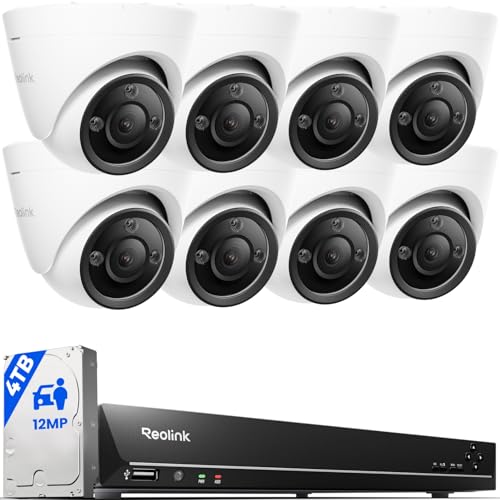
REOLINK 16CH 12MP PoE Security Camera System RLK16-1200D8-A

REOLINK Duo 3 PoE Dual-Lens Camera 180° Panoramic

aosu D1 Max 4-Cam Kit 4K Solar Security System

aosu 2K Solar Wireless Outdoor 4-Cam Kit
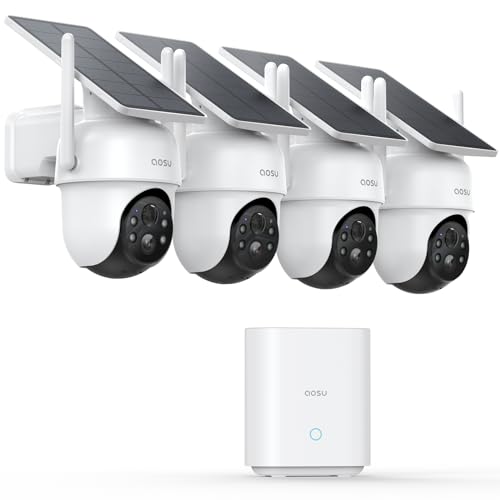
aosu D1 Classic 4-Cam Kit Solar Powered
More Details On Our Top Picks
Most starter cameras ship solo, which leaves you covering half the house on day one. This Nikoglly pair solves that with two 4MP bullet cameras in one box, ready to watch a front door and a backyard simultaneously. The 2560×1440 sensor pushes sharper detail than standard 1080p, and the built-in LED spotlights pull color out of darkness where cheaper units stay grainy and grey.
For first-time homeowners or anyone outfitting a rental property, the bundled approach trims both cost and setup time. You mount once, pair once, and the rest of the evening stays free. Wi-Fi cameras like this expect a steady router signal at the install spot, so a mesh node or extender near the eaves makes a measurable difference in live view smoothness.
Notable Gains
- Two cameras in one box means the front and back are both covered on day one, no second purchase required.
- 4MP resolution outshines the 1080p baseline and keeps faces legible at porch distance.
- Color night vision with built-in LEDs doubles as a visible deterrent, not just evidence.
- Wireless install keeps drilling and cabling minimal, a real plus for renters.
Points To Note
- Wi-Fi-only signal means thick exterior walls or distant eaves may need a mesh extender to stream smoothly.
- Common setup reports mention a learning curve with the companion app on Android devices.
Who Should Grab It
New homeowners outfitting front and back doors on a tight budget will find the dual-pack format hard to beat.
Where Another Pick Suits Better
For rural properties without a Wi-Fi signal, the LIWAN 4G LTE Cellular Security Camera skips the router entirely.
Most cameras in this list assume your home already has a Wi-Fi router within range. The LIWAN skips that assumption entirely, using a 4G LTE cellular connection that works miles from the nearest broadband line. Pair it with the bundled solar panel and you have a fully self-sufficient watchtower for a barn, a construction site, or a vacation cabin you only visit twice a year.
The 2K sensor delivers enough clarity to make out clothing color and vehicle type from a distance. For people managing remote property, the trade-off is a monthly data plan on top of the hardware, but compared to trenching cable or paying for satellite internet, cellular tends to be the cleaner answer.
The Good Stuff
- Cellular connection means no Wi-Fi network, no router, no ethernet, anywhere with a signal works.
- Solar panel pairing makes year-round remote installs genuinely cable-free.
- 2K resolution is sharp enough for identifying vehicles and clothing color at long distances.
- Built for harsh outdoor environments with weather-rated housing.
Honest Caveats
- Requires an active cellular data plan, which adds a recurring monthly cost.
- Signal strength at the install spot directly affects live-view performance, worth checking before mounting.
Feature Snapshot
Made For
Rural property owners monitoring barns, construction sites, or remote cabins far from any Wi-Fi signal.
Consider Something Else When
For a typical suburban home with reliable Wi-Fi, the Gyozol 2K Wireless Outdoor WiFi Security Cameras deliver similar clarity without the cellular subscription overhead.
The Gyozol hits the comfortable middle of the wireless category. You get 2K 3MP live video that keeps faces recognizable at a standard 15 to 20 feet, plus a wide-angle lens that covers a porch or driveway without rotating. Unlike the Nikoglly 2-pack above, this is a single-camera buy, so it suits shoppers who only need to cover one chokepoint.
The two-mode night vision deserves attention: standard infrared stays black-and-white and subtle, while the spotlight kicks the same scene into full color. That flexibility lets you keep a quiet garden view most nights and switch to deterrent mode whenever you want the extra attention. For most homeowners stepping into outdoor cameras for the first time, this is a measured, low-pressure starting point.
The Case For It
- 2K resolution noticeably outperforms 1080p for license plates and face detail.
- Wide-angle lens covers more ground per camera, fewer blind spots to chase.
- Spotlight-driven color night vision doubles as a porch light when needed.
- Wireless design simplifies installation for non-technical shoppers.
Small Caveats
- Single-camera purchase means covering multiple zones requires extra units.
- Wi-Fi performance depends on router placement, exterior walls can dampen the signal.
Right Fit For
First-time installers who need sharp single-zone coverage without a steep learning curve will find this a sensible choice.
Skip It When
Shoppers wanting simultaneous front-and-back coverage should consider the Nikoglly 2-Pack 4MP instead, which ships two units in one box.
The wireless picks above are great for one or two cameras, but a multi-acre property needs hardwired reliability. Power-over-Ethernet, or PoE, means a single ethernet cable delivers both power and data, sidestepping Wi-Fi dropouts and battery swaps. This 16-channel NVR kit comes ready for eight cameras and includes a 4TB hard drive, so you can record continuously without paying a cloud subscription.
The 12MP sensor is the headline number here: roughly four times the detail of a 1080p camera. Subtle movements in a hedge or a face across a long driveway stay clear on playback. The setup is more involved than wireless, drilling, running cable, and configuring the NVR, but for a homeowner who wants permanence and reliability, that effort is the point.
What Works In Its Favor
- PoE wiring eliminates Wi-Fi dropouts and battery changes in one move.
- 12MP resolution captures detail most consumer cameras simply miss.
- 4TB onboard storage handles continuous recording without monthly cloud costs.
- 16-channel NVR lets you expand to a full perimeter setup over time.
Things To Consider
- Installation requires running ethernet cable, which adds time and tools.
- System complexity is real; first-time installers may need patience with the NVR interface.
Key Specs
Best Suited To
Owners of larger properties who want hardwired reliability and are comfortable with structured cable runs.
A Better Fit Elsewhere
For a single driveway or porch where running cable is impractical, the aosu D1 Max 4-Cam Kit Solar System trades hardwired stability for solar flexibility.
A standard single-lens camera leaves seams in wide spaces. The REOLINK Duo 3 mounts two 4K image sensors side by side and stitches them into a single 180° panoramic feed. The result feels closer to standing on the porch than squinting at a fish-eye distortion. For driveways, fence lines, and side yards where a single narrow view misses action, this dual-lens approach changes the geometry entirely.
Compared to the 16-channel REOLINK above, this is a single-camera upgrade focused on field of view rather than channel count. It still uses Power over Ethernet, so a single line delivers both data and power. The motion-track function follows movement across the wide scene, useful for catching a person who walks along the fence rather than straight at the lens.
Practical Pluses
- Dual-lens stitching replaces the need for two separate cameras in a wide zone.
- 180° field of view covers driveways and fence lines in a single feed.
- Infrared LED night vision reaches up to 100 feet in darkness.
- PoE installation keeps wiring simple despite the higher-end hardware.
Where It May Fall Short
- Single-camera design means it covers one zone well rather than many zones adequately.
- Panoramic stitching occasionally shows minor distortion at the seams, visible during very close motion.
Whose Shelf It Belongs On
Homeowners with a long driveway or wide side passage who want one camera to replace two narrow ones.
Not Your Match When
For multi-zone perimeter coverage, the REOLINK 16CH 12MP PoE System RLK16-1200D8-A covers more ground with multiple dedicated lenses.
The D1 Max is the highest-resolution solar kit in this roundup. Each of the four cameras captures 4K Ultra HD with 8MP imaging, sharp enough to read a license plate from roughly 33 feet away according to the manufacturer. On-device AI distinguishes between people and vehicles, cutting down the false-alert noise that plagues cheaper motion sensors.
The solar panel pairing eliminates the climbing-ladder-to-recharge chore of plain battery cameras, and the 6× digital zoom pulls detail out of distant scenes. For tech-forward homeowners who want a fully wireless install and don’t mind paying for the resolution bump, this kit is a step up from the Gyozol or Nikoglly picks above.
Noteworthy Benefits
- 4K resolution captures license plates and faces that 1080p cameras simply miss.
- On-device AI filters out non-human motion, fewer unnecessary alerts.
- Solar-powered operation removes the charging ladder entirely.
- Four-camera kit covers a full perimeter from day one.
Less Ideal Details
- Higher resolution consumes more storage and bandwidth than 2K systems.
- Solar charging varies with placement; shaded spots may need occasional manual top-ups.
Feature Card
Perfect Match For
Tech-forward shoppers who want 4K detail, four cameras, and a fully wireless solar setup in a single bundle.
Reach For A Different Pick When
Shoppers on a tighter budget who don’t need 4K should consider the aosu 2K Solar Wireless Outdoor 4-Cam Kit for similar coverage at a lower entry point.
The D1 Max above is a serious four-camera commitment. This aosu 2K kit takes a softer approach with a starter four-pack that’s explicitly designed to grow. Split solar panel design means you mount the camera where coverage matters most and place the panel where the sun actually shows up, useful for eaves that face north or fences shaded by trees.
The 2K resolution falls between the Nikoglly 4MP and the D1 Max 4K. It stays sharp for porch-distance faces without the storage pressure of full 4K. For households that expect to add cameras over time, this kit gives you room to expand without redesigning the network.
A Few Highlights
- Split solar panel design adapts to tricky mounting spots where sun is limited.
- Expandable system grows with the property rather than locking you in.
- 2K resolution strikes a balance between clarity and storage efficiency.
- Wire-free install works in rentals and historic homes without drilling into masonry.
A Few Limitations
- Lower resolution than the D1 Max, license-plate reading at distance is less reliable.
- Solar charging requires decent panel placement, shaded installs may need manual top-ups.
The Right Fit
Growing households who want a starter kit with clear room to add cameras over the next year or two.
Where A Sibling Pick Shines
For buyers who want maximum resolution from the start, the aosu D1 Max 4-Cam Kit 4K Solar System captures noticeably sharper detail at the cost of storage space.
Most wireless cameras push you toward a monthly cloud subscription for serious recording. The D1 Classic sidesteps that: 32GB of onboard local storage handles up to four months of looping video, all encrypted and stored on the included aosuBase station. No subscription tier, no hidden fees, no end-of-year rate hike waiting in your inbox.
The classic sits below the 2K aosu kit in resolution but keeps the same solar-powered, wire-free approach. Cross-camera tracking stitches activity across the four cameras into a single timeline, useful when a person walks from the porch past the driveway and into the side yard. For budget-conscious households who want full coverage without ongoing costs, this is the cleanest answer on the list.
What Pays Off
- Local 32GB recording removes subscriptions and keeps data on your own hardware.
- Four months of loop storage means past footage stays available without manual archiving.
- Cross-camera tracking builds a continuous event across multiple zones.
- Solar-powered and wire-free, the install stays weekend-afternoon simple.
Trade-Offs To Consider
- Resolution falls below the 2K aosu kit, plate detail at long distance is weaker.
- Local storage has a finite limit; beyond four months, older footage rolls over automatically.
- Onboard storage is encrypted but a single-point failure if the base station is damaged.
Spec Overview
Built With In Mind
Budget-conscious homeowners who want a four-camera solar system without a monthly subscription fee.
Swap It Out When
For shoppers who want sharper 2K detail in the same kit format, the aosu 2K Solar Wireless Outdoor 4-Cam Kit steps resolution up without changing the wire-free approach.
What Matters Most Before Choosing Outdoor Surveillance Cameras For Home
Power Source and Connectivity
The first fork in the road is how the camera gets its juice and its data. Wired Power-over-Ethernet systems, like the REOLINK 16CH, deliver rock-solid reliability but require drilling and a central recorder. Solar wireless kits, like the three aosu options, install anywhere with sun but depend on weather and panel placement. Cellular cameras, like the LIWAN 4G, are essential for off-grid properties but add a monthly data plan. Match the power and connectivity to the property, not the other way around.
Resolution and Field of View
Resolution determines what stays legible at a distance. 1080p handles porch-level faces; 2K improves license plates and clothing detail; 4K reaches further into driveways and side yards. Field of view matters as much as pixel count. A 180° panoramic camera, like the REOLINK Duo 3, replaces two narrow cameras for wide zones. Combine high resolution with a wide lens only when the install spot justifies both.
Storage and Subscription Footprint
Local storage on an SD card or base station, like the aosu D1 Classic’s 32GB, keeps footage on your hardware and avoids monthly fees. Cloud storage offers off-site redundancy but adds a subscription line item. For homeowners planning years of ownership, weighing the total subscription cost against upfront hardware savings is the honest way to compare.
Detection and Alert Quality
Basic motion sensors fire on every passing cloud. AI-based detection, like the D1 Max’s on-device person and vehicle filtering, trims the noise. For high-traffic zones like a sidewalk-facing porch, smarter detection matters more than raw resolution, since it determines whether alerts stay useful or get muted by week two.
Key Considerations Across These Picks
Pitfalls Shoppers Hit
Mounting a wireless unit too far from the router is the most common misstep. Wi-Fi cameras need a steady signal at the install spot, so a mesh extender near the eaves often pays for itself. Another trap is buying a 4K camera without checking storage capacity, since higher resolution chews through SD card space quickly. Finally, overlooking the install height turns sharp cameras into useless ones; aim for eight to ten feet, high enough to stay out of reach but angled enough to keep faces visible.
When Paying More Pays Off
Higher-tier models earn their premium in three places. First, 12MP and 4K resolution pulls legible detail from distance where 1080p falls apart. Second, on-device AI detection trims the alert noise that turns cheaper cameras into ignored ones. Third, local storage with no subscription keeps long-term ownership costs flat. If your property has wide driveways, multiple zones, or heavy foot traffic past the camera, the upgrade pays back in alerts you actually use.




