

A home camera that drops frames at the worst moment is worse than no camera at all. You want clear footage of the front porch, the driveway, and the side gate, without fussing over apps that fight you every night. The picks below cover the spread most households actually need: budget-friendly wireless units, a do-it-all NVR (network video recorder, a box that stores and manages multiple wired cameras) kit, a panoramic dual-lens option, and a professional-grade bullet. Each one solves a different problem, and the short guide after the reviews will help you decide which problem is yours.
The Leading Options At A Glance

Nikoglly 2-Pack 4MP Wireless Outdoor Security Cameras

Blink Outdoor 4 + Mini Smart Security Camera 6-Cam System
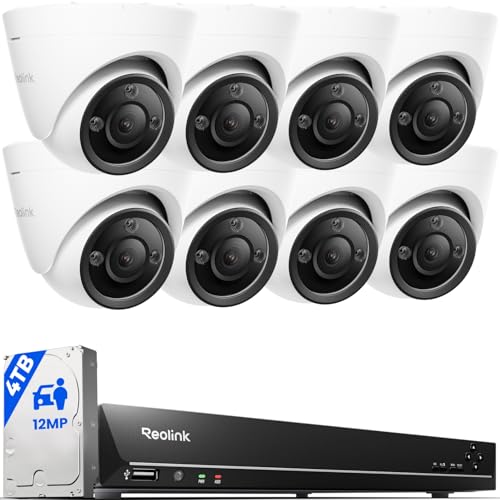
REOLINK 16CH 12MP PoE Security Camera System RLK16-1200D8-A

REOLINK Duo 3 PoE Dual-Lens Camera

Swann Add-On DVR Bullet Camera with Sensor Spotlight

VISION WELL 2K Wireless Indoor/Outdoor Camera Jet Black

AXIS M2025-LE Outdoor 1080p Network Camera

VSTARCAM 4MP Outdoor Security Camera with 360° View
The Strengths Of Each Pick
Most homeowners want two angles covered without buying two separate listings, and this Nikoglly pair solves that cleanly. The cameras ship wireless with a stated 4MP resolution, and the listing highlights built-in LEDs that support a full-color night mode alongside infrared. For a one-story house with a front porch and a side gate, that’s a sensible starter setup.
You’re buying a twin pack, so you’re effectively halving the per-camera cost compared to single-camera listings. The trade-off is that you’re tied to the Nikoglly app and its supported storage options. Owners commonly report that pairing both cameras takes a few extra minutes the first time around.
A Few Highlights
- Twin-pack pricing makes covering two entry points cheaper than separate single-camera orders.
- Full-color night vision gives you usable footage of clothing colors and car paint at night, not just gray shapes.
- Wireless design skips the Ethernet run, useful for renters or finished walls you don’t want to drill.
- 4MP resolution stays sharp enough that a license plate across a driveway can be readable when zoomed in the app.
Trade Offs To Consider
- App and storage ecosystem is brand-specific, so migrating later means starting fresh.
- Wireless convenience depends on stable Wi-Fi at the mounting point; mesh helps in larger yards.
Feature Snapshot
Made For
Households that want a matching two-camera setup on a modest budget and don’t mind staying inside one brand’s app.
Look Elsewhere When
The REOLINK Duo 3 PoE suits you better when you need one camera that sees a 180° sweep instead of two separate aim points.
First-time camera owners usually want the shortest possible setup. The Blink Outdoor 4 wireless outdoor units, paired here with a Blink Mini for indoor coverage, are designed to unbox, mount, and sync in minutes. Two-way talk, HD live view, and motion detection cover the basics most people actually use day to day.
The wire-free battery design means you don’t need to run power, and the Mini gives you a window inside without buying a second ecosystem. Where this bundle falls short is raw resolution: HD here is 1080p, so it’s fine for the porch but won’t catch the same detail as the Nikoglly pair above.
A Few Strong Suits
- Battery-powered mounts let you place cameras on a fence post or detached garage without an outlet.
- Indoor Mini plus Outdoor 4 means a single app controls both sides of the front door.
- Quick install matters for renters who can’t drill into brick or stucco.
Honest Caveats
- 1080p is workable but won’t read a license plate across the street the way 4MP can.
- Some advanced features sit behind a paid subscription, so the ongoing cost is worth factoring in.
- Battery life depends heavily on motion traffic, and you may find the included batteries need swapping sooner than the headline estimate on a busy driveway.
Right Fit For
Anyone setting up cameras for the first time in a small home or apartment who values a five-minute install more than maximum pixel count.
Consider Something Else When
The REOLINK 16CH 12MP PoE kit suits you better when you want a permanent, always-recording wired system with no battery changes.
Serious setups with eight or more angles need an NVR at the center, and this REOLINK kit ships one with a 4TB hard drive preinstalled. PoE (Power over Ethernet, meaning a single cable carries both data and power) means each camera only needs one wire run from the box, and 12MP sensors give you the kind of detail that matters when you actually have to hand footage over. If you’re wiring a multi-story home or a property with outbuildings, this is the right scale.
The hardware is substantial, so you’re trading easy setup for permanent reliability. Compared to the wireless picks above, this assumes you can route Ethernet cables through walls or attic. Owners of large systems commonly add a small UPS (uninterruptible power supply) so the NVR keeps recording during a brief outage.
Practical Pluses
- Sixteen channels leave room to add cameras as your property changes, without swapping the recorder.
- 4TB of storage typically holds weeks of continuous recording at standard bitrates.
- PoE simplifies wiring, since each camera pulls power and data from a single cable back to the NVR.
- 12MP sensors keep faces readable at distances where 1080p would smear.
Some Limits To Know
- Installing Ethernet through finished spaces takes more planning than mounting a wireless stick-up camera.
- The NVR is a single point of failure; if it dies, every camera pauses, so a backup plan is wise.
Spec Overview
Built With In Mind
Homeowners with the time and willingness to run cables who want a permanent, always-on wired system.
A Better Fit Elsewhere
The VSTARCAM 4MP outdoor camera suits you better when you want a single camera with motorized pan and tilt, not a multi-channel install.
A single camera covering a 180° panoramic sweep sounds like marketing, until you stand under a Duo 3 PoE and watch a side-to-side stitched image with no blind spot down the middle. Two sensors combine into a 16MP feed, and the F1.6 aperture (the lens opening, where a smaller number means more light gathered) plus six IR LEDs reach roughly 100 feet in the dark. Wide driveways and long fence lines are where this camera earns its keep.
Mounting matters here: 180° coverage is wasted if the camera sits under an eave that blocks the lower third of the view. If you already own a REOLINK NVR, the Duo drops in like any other PoE camera.
What Pays Off
- One camera replaces two for most panoramic needs, cutting install time and cable runs in half.
- Stitched dual-lens image removes the warping you get from ultra-wide single-sensor lenses.
- 100-foot IR reach covers long driveways and back fences in unlit yards.
Possible Compromises
- Higher resolution footage means larger files, so your NVR storage fills faster than with 1080p cameras.
- Mounting height and angle matter more than with a narrow bullet, otherwise you lose the lower half of the frame.
Best Suited To
Properties with a wide-open driveway, side yard, or detached garage where one camera should cover the whole span.
Swap It Out When
The REOLINK 16-channel kit is the better fit when you want full perimeter coverage, not just a single panoramic angle.
This Swann unit is an add-on, not a starter, and that’s the whole point. If you already run a compatible Swann DVR (digital video recorder, the older cousin of an NVR that uses analog-style cables), this bullet drops into the existing system with the same cabling. The sensor-triggered spotlight and True Detect heat-and-motion sensing give it some deterrent muscle that bare bullet cameras lack.
It’s a 1080p sensor with a 90° field of view, so you get solid coverage across a porch or driveway apron, just not the wide sweep of the REOLINK Duo above. Color night vision falls off at the edges of its range, so positioning matters for best results.
What Works In Its Favor
- Sensor spotlight actively deters visitors, which can prevent incidents before recording even starts.
- True Detect heat-based motion triggers cut down on false alerts from passing cars and tree branches.
- Dusk-to-dawn color night vision extends usable footage past the first hour after sunset.
Small Caveats
- Only useful if you already run a matching Swann DVR, since it’s not a standalone camera.
- Color night vision maxes out at around 32 feet, so distant subjects fall back to black-and-white IR.
Feature Card
Whose Shelf It Belongs On
Existing Swann DVR owners who want a deterrent-style add-on bullet without switching ecosystems.
Skip It When
The AXIS M2025-LE suits you better when you want a compact commercial-grade bullet that runs on standard network gear.
Renters and apartment dwellers often need a camera they can mount without tools or drilling, and this VISION WELL unit covers that niche. Battery operation, 2K resolution, and a built-in spotlight siren give it real deterrent value for a single-camera budget setup. Cloud and SD storage options let you skip a subscription if you’d rather keep things simple.
You’re trading permanent power for placement freedom, and battery cameras always pay for that flexibility in charging cycles. For a ground-floor apartment door, that trade usually works. For a high fence with no easy ladder access, it doesn’t.
Key Advantages
- Battery-powered mounting means no outlet hunting, which matters for sheds, fences, and rental porches.
- Spotlight plus siren adds active deterrence that pure-recording cameras lack.
- SD card storage option avoids ongoing cloud fees for shoppers who don’t want subscriptions.
Details To Watch
- Battery life is motion-dependent, so a busy walkway can drain cells faster than expected.
- 2K is a real upgrade from 1080p but still trails 4MP cameras for distant detail like street-parked plates.
Who Should Grab It
Renters and one-camera households who want flexible placement and minimal install work.
Reach For A Different Pick When
The Nikoglly 2-pack suits you better when you need two cameras right now and want matched coverage at similar cost.
AXIS sits in a different category than most consumer brands, and the M2025-LE is the smallest outdoor bullet in that lineup. HDTV 1080p with built-in IR illumination and a compact, mount-anywhere form factor make it a favorite for tech-comfortable households who already know what NVR software they want to run. It’s not the cheapest camera in the lineup, but the build quality tends to show.
Expect a different setup experience: AXIS assumes you have a network switch and a recorder or VMS (video management software, a program that ingests and stores streams from multiple cameras) ready, not an app-first install. If that’s your home, you’re in good shape.
Good Reasons To Consider
- Compact bullet housing fits tight spots where larger cameras look out of place or get noticed.
- AXIS build quality is widely regarded as durable, so outdoor longevity tends to favor this brand.
- Standard ONVIF compliance (an open protocol that lets cameras from different brands talk to the same recorder) drops into most third-party NVR setups without proprietary headaches.
Practical Considerations
- Setup assumes networking knowledge; this isn’t a phone-app-first experience.
- 1080p is the resolution ceiling here, so distant detail lags behind 4MP and 12MP options above.
Who Will Love This
Homeowners who already run a network video recorder or home-lab setup and want a small, professional-grade bullet for tight mounting spots.
Not Your Match When
The Blink Outdoor 4 + Mini bundle suits you better when you want app-first setup and don’t have a network switch handy.
One camera with motorized pan and tilt (PTZ) can cover a yard that would normally need three static bullets, and the VSTARCAM pairs that PTZ body with a 4MP 2.5K sensor, color night vision, and an active deterrent in the form of a spotlight plus siren. PIR (passive infrared) motion detection is the same heat-based tech that limits false alerts, which is the kind of detail that matters when the camera is doing the patrolling on its own.
The IP66 weatherproof rating (an industry standard where “6” means fully dust-tight and “6” means protection against powerful water jets) handles typical outdoor mounting. The catch with a single motorized camera: when it’s looking left, it isn’t looking right, so a fast event on the opposite side can go unrecorded unless you set up patrol presets.
Useful Strengths
- 360° pan and tilt replaces multiple static cameras for many yards and driveways.
- Active spotlight and siren deter incidents before recording becomes the only evidence.
- 5x digital zoom lets you focus on a specific subject from the app during a live event.
Where It Is Less Suited
- PTZ cameras record only what they’re pointed at, so simultaneous events at opposite ends are missed.
- App and remote-control responsiveness depends on your home network, and may lag on weak Wi-Fi.
Key Product Details
Perfect Match For
Households that want one camera to cover a wide yard and value active deterrence over multi-camera redundancy.
Where Another Pick Suits Better
The REOLINK Duo 3 PoE suits you better when you need simultaneous coverage of a full width, since PTZ can only look one way at a time.
What To Match Against Your Home Before You Buy
A camera that’s perfect for a one-bedroom apartment is wrong for a corner-lot house, so start from your property instead of the spec sheet. Wired PoE kits make sense where you can run cable and want always-on recording. Wireless battery cameras suit renters, outbuildings, and anyone who doesn’t want to drill. Resolution follows use: 1080p covers identification at porch-distance, while 4MP and up matter when the subject is across a driveway or down a fence line. Night vision type matters more than people expect, since color night vision requires either ambient light or built-in LEDs, not just IR.
Storage shape matters too. SD card storage keeps everything local and avoids subscriptions. NVR-based storage scales better as you add cameras. Cloud storage adds convenience and off-site redundancy but turns into a monthly line item. Pick the storage model first, then let the camera choice follow.
Network and power deserve a quick audit. Wi-Fi-only cameras need a strong signal at the mount point. PoE cameras need an Ethernet run and a switch or NVR with enough ports. Battery cameras need a charging routine or a solar add-on for high-traffic locations. Skipping this audit is the single most common reason new cameras disappoint in the first month.
Two Common Traps Worth Dodging In This Category
Pitfalls Shoppers Hit
The most common mistake is buying on resolution alone. A 12MP sensor with a poor lens and no IR illumination produces worse nighttime footage than a well-built 1080p camera. Match resolution to real-world subject distance, and prioritize low-light performance over pixel counts. The second trap is ignoring the storage model. Cameras that require paid cloud plans become expensive over years, while local storage cameras keep working when subscriptions lapse.
When Paying More Pays Off
Spending more in this space buys three things that budget cameras tend to skimp on. Better image sensors hold detail in low light, which is when most incidents actually happen. Better weatherproofing means a five-year outdoor mount instead of a two-year replacement cycle. And better build quality shows up in mounting hardware, cable glands, and lens housings, all of which fail first on cheap cameras. The upgrade is worth it when the camera will live outdoors year-round or cover a critical entry point. For a low-stakes side-yard view, a budget camera is the smarter spend.




