
Anyone who has fumbled for keys at a dark door, or watched a critter cross the driveway under cover of night, already knows why motion-activated lighting moved from a luxury to a near-baseline feature. The category covers a wide spread: solar stick-ons, hardwired flood fixtures, decorative sconces, and old-school coach lanterns with sensors bolted on. The list below pulls eight options across that range, each matched to a different kind of property and homeowner skill level.
The Essentials At A Glance

2 Pack Outdoor Solar Motion Lights – 3 Modes/100LED Wireless, IP65

VIANIS Motion Sensor Outdoor Wall Lights, Aluminum Exterior

Globe Electric 32982 Motion Sensor Wall Sconce, Matte Black
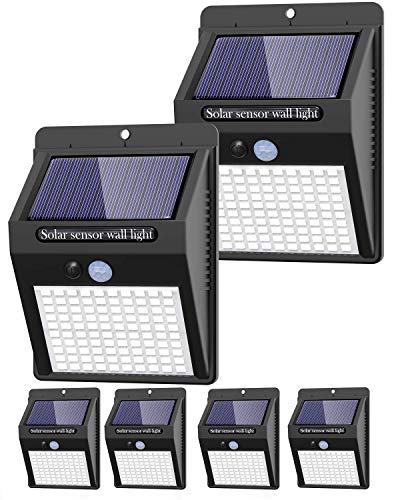
6 Pack Outdoor Solar Motion Lights – 3 Modes/100LED Wireless, IP65
EDISHINE Motion Sensor Dusk to Dawn Outdoor Wall Lights
LEPOWER Hardwired LED Security Lights Motion Sensor Outdoor, 40W
18” Large Motion Sensor Outdoor Lights, Dusk to Dawn Porch

Heath HZ-4150-BK Zenith Motion-Activated Four-Sided Coach Light
The Details Behind The Selections
Solar-powered and wire-free, this two-pack lands as the lowest-effort way to add light to a dark step or a side gate. Each unit carries 100 LEDs across a wide face, which spreads brightness across a generous patch rather than a tight cone, so a porch landing reads evenly instead of in a hotspot.
For renters and townhouse dwellers, the appeal is obvious: no drilling into brick, no electrician, no landlord conversation. Mount the panel where it catches a few hours of direct sun and the integrated battery takes over from dusk onward.
Key Advantages
- Zero wiring or electrical work, which keeps installation fast and reversible
- Three operating modes let you choose between constant dim glow, motion-only, or a hybrid
- IP65 weather rating handles rain and dust for covered and partly exposed spots
- Two-pack value covers both sides of a doorway for a single project
Honest Caveats
- Charging depends on daily sun; shaded north-facing spots will underperform in winter
- Plastic body is fine for sheltered installs but may yellow after years of UV exposure
- Light output is functional rather than dramatic, so it reads as accent, not security flood
Who It Suits Best
A renter or first-time homeowner wanting cord-free porch lighting without committing to a hardwired install.
Look Elsewhere When
You want stronger curb appeal plus a real fixture presence, in which case the Globe Electric 32982 seeded-glass sconce fits better.
Where the kolpop pair trades in convenience, the VIANIS steps up to a real fixture. Cast aluminum housing gives it the heft and finish of a permanent install, and the dual sensor system reads both daylight and movement, so the light dims at dusk and brightens only when something crosses its path.
The reported motion range reaches roughly 40 feet across a wide detection arc, which is generous for a sconce. Compared with the Globe Electric piece reviewed later, this one feels more architectural than decorative, a better fit for modern and transitional exteriors.
What Pays Off
- Aluminum body resists corrosion far better than plastic, useful in coastal or humid climates
- Dusk-to-dawn dim mode keeps the path faintly lit without burning full brightness all night
- Wide detection arc catches side approaches, not just head-on movement
- Hardwired power means no battery swaps and consistent output year-round
Trade-Offs To Consider
- Requires existing wiring or a new junction box, so installation is more involved than solar
- Owners commonly report that the dim-mode brightness is subtle and may not satisfy anyone wanting constant porch light
Right Fit For
Homeowners with a wired junction box already in place who want a low-profile, modern-looking fixture that runs reliably in any weather.
A Better Fit Elsewhere
For a property with no existing wiring and a bigger coverage need, the LEPOWER 40W hardwired flood makes more sense.
Style leads here. The matte black frame and seeded glass shade lean farmhouse and craftsman, giving the fixture a presence that solar stick-ons cannot match. It uses a standard E26 bulb, which lets you swap in a smart bulb, a vintage filament, or a daylight-balanced LED without hunting for a proprietary part.
The motion sensor covers a 150-degree arc out to roughly 30 feet, a respectable spread for a single wall sconce. For most front porches with a centered walkway, that range catches visitors before they reach the steps.
Benefits That Matter
- E26 socket accepts any standard bulb, so brightness and color temperature are yours to set
- Seeded glass softens the light and gives the fixture a refined, residential feel
- 150-degree detection arc is wide enough for angled approaches off a walkway
Points To Note
- Bulb is not included, so factor in a separate purchase for the LED or filament you want
- Weather resistance is solid but the seeded glass can collect dust and needs occasional wiping
Built With In Mind
Homeowners who care about curb appeal and want the fixture to read as decor even when the light is off.
Reach For A Different Pick When
You prefer a more traditional coach-lantern silhouette, in which case the Heath HZ-4150-BK is the closer match.
This is the same light as the two-pack above, just scaled up to six units. The math works for whole-perimeter coverage: a fence line, a long driveway approach, or a wraparound porch that needs light at multiple points. Each head runs the same three-mode logic, so you standardize behavior across the property.
The honest read is that you trade individual fixture quality for breadth. Each unit is a plastic-bodied solar light, not a designer piece, so this is coverage-first thinking rather than style-first. For a rental property, a garden shed, or a yard with several dark corners, that is usually the right call.
Real-World Strengths
- Six units let you light multiple zones in one project rather than ordering piecemeal
- Same 100-LED face as the two-pack, so brightness per unit stays consistent
- IP65 rating and three-mode flexibility handle mixed-use areas from gardens to garages
A Few Limitations
- All units share the same sun-charge dependency, so heavily shaded lots will see patchy performance
- Plastic housings across six units age visibly over time, especially in strong sun
Best Suited To
Owners of larger lots, long driveways, or multi-zone properties who want light at several points without running any wiring.
Swap It Out When
You only need one or two fixtures and prefer a hardwired design, in which case the VIANIS aluminum sconce is a smarter single-fixture buy.
The headline feature here is a sealed LED source with a listed service life north of 20,000 hours, so the bulb-out failure mode that plagues older sconces simply does not apply. The fixture warms to a 3000K color temperature, which reads as residential rather than commercial.
Three modes, including a dusk-dim plus motion-bright option, give you control over how the porch looks after dark. For most front entrances that see steady evening traffic, the dim-plus-burst combo is the most useful setting.
What It Does Well
- Integrated LED means zero bulb replacements for the life of the fixture
- 3000K warm white reads as inviting rather than institutional on a residential porch
- Dusk-dim plus motion-bright mode balances ambiance and security in one setting
Things To Weigh
- Hardwired install requires a junction box and basic electrical comfort or a handyman
- Sealed LED cannot be upgraded later, so if the diode ever fails the whole fixture is replaced
Whose Shelf It Belongs On
Homeowners who want a fit-and-forget porch light with no recurring bulb purchases on the calendar.
Where A Sibling Pick Shines
For a stronger decorative statement, the Globe Electric 32982 with seeded glass still leads on style.
This is the only true flood in the lineup. Two LED heads throw 4000 lumens at 40 watts, with a motion sensor that detects across roughly 180 degrees and out to about 72 feet. For a long driveway, a detached garage, or a backyard that backs onto open ground, nothing else on this list comes close in raw reach.
The fixture mounts to an existing junction box and tilts at the heads, so you can aim coverage where it matters rather than spraying light everywhere. Compared with the sconces reviewed earlier, this one is utilitarian on purpose. It wants to light a zone, not decorate a doorway.
Strengths Worth Knowing
- 4000-lumen output covers driveways and side yards that smaller fixtures leave dim
- 180-degree detection arc catches movement from multiple directions
- Adjustable heads let you aim throw across irregular lot shapes
- Hardwired power means consistent output regardless of weather
Some Limits To Know
- Industrial look is honest but does not blend with traditional facades
- Installation requires a junction box and confidence with household wiring, so DIY skill matters
- Wide coverage can spill onto neighboring windows if poorly aimed
Perfect Match For
Owners with a long driveway, a detached shop, or a backyard that needs real illumination rather than accent lighting.
Not Your Match When
You want a porch fixture with curb appeal, in which case the Globe Electric 32982 is the better looking option.
At 18 inches, this sconce reads as architecture, not hardware. It suits a tall entry wall, a two-story foyer, or any elevation where a smaller fixture would look lost. The three operating modes cover dim-plus-motion, motion-only, and a constant mode for people who want the light on all evening.
For homes with generous proportions, scale matters as much as light output, and a small sconce on a tall wall tends to look undersized. This fixture solves that problem directly.
Where It Helps
- Larger 18-inch frame suits tall elevations and grand entryways
- Three-mode flexibility covers ambient, motion-only, and constant-on preferences
- Dusk-to-dawn sensor removes the daily manual switch routine
Things To Keep In Mind
- Oversized frame looks out of proportion on narrow porch columns or low ceilings
- Wiring and mounting hardware must support the larger body, so a sturdy junction box is essential
Who Should Grab It
Homeowners with tall, prominent entry walls where a standard sconce would feel undersized.
Where Another Pick Suits Better
On a compact craftsman porch, the smaller EDISHINE wall light reads more in scale with the architecture.
The Heath Zenith is the oldest design language in the roundup: a four-sided Charleston coach lantern in black brass with a motion sensor tucked into the base. For colonial, traditional, and craftsman homes, that silhouette carries more architectural honesty than any of the modern sconces above.
The sensor reaches about 30 feet across a 150-degree arc, with adjustable sensitivity so you can tame false triggers from a busy street. The fixture takes a standard bulb, which keeps replacement straightforward.
Real Benefits
- Traditional coach-lantern profile suits historic and colonial architecture
- Adjustable sensor sensitivity helps avoid false triggers from street traffic
- Brass body with weather-resistant finish ages cleanly over years of exposure
Worth Bearing In Mind
- Bulb is sold separately, and the fixture has no integrated LED option
- Brass finish needs occasional wiping to prevent tarnish in humid climates
Made For
Owners of traditional and colonial-style homes who want a fixture that matches the architecture rather than competing with it.
Consider Something Else When
You want a lower-maintenance integrated LED in the same traditional profile, where the EDISHINE wall light is the easier-care alternative.
What Matters Most Before Choosing Outdoor Motion Sensor Lights Home Depots
Power Source And Install Realities
The first fork in the road is how the light gets its juice. Solar panels need direct daylight and trade raw output for zero wiring, which makes them perfect for sheds, fence posts, and rental-friendly installs. Hardwired fixtures deliver consistent brightness year-round but require a junction box, basic electrical comfort, or a handyman visit. For most single-family homes with existing porch wiring, hardwired wins on reliability. For anywhere wiring is awkward, solar wins on convenience.
Detection Range And Beam Pattern
A wide detection arc catches side approaches but also catches passing cars and wandering animals, which can mean false triggers. A narrower arc is more accurate but assumes people walk straight at the sensor. Beam pattern matters just as much: a tight cone lights a doorway, while a wide flood covers a driveway. For most porches, 30 feet of detection across 150 degrees is the practical sweet spot. Long driveways or backyards benefit from a dedicated flood fixture like the LEPOWER 40W, which throws light across much larger spaces.
Style Versus Output
Fixture aesthetics matter more than most spec sheets admit. A premium-looking sconce elevates the entry even when the light is off, while a utility flood looks like utility no matter how bright it is. The honest trade is that decorative fixtures often produce less throw than dedicated security floods. Matching the fixture to the home’s architecture, whether farmhouse, colonial, modern, or transitional, is what separates a thoughtful install from a bolted-on afterthought.
Key Considerations Across These Picks
Mistakes Worth Dodging
A common slip is buying a solar fixture for a shaded north-facing wall and expecting year-round performance. Solar panels under tree cover or under deep eaves simply do not charge well, and the light dims through winter. Another trap is oversizing a flood where a sconce belongs, which annoys neighbors and wastes light. Match the throw to the zone.
Where The Extra Money Goes
The premium tier typically buys cast aluminum or brass bodies, integrated long-life LEDs, and wider detection arcs with adjustable sensitivity. The basics buy plastic, narrower throws, and a replaceable bulb. Spending up pays off when the fixture lives in a visible front-of-house location, faces coastal humidity, or runs daily. For a backyard shed used twice a week, the basics are plenty.