

A zoned heating and cooling system splits your home into independent areas, each with its own thermostat or sensor. That setup only works as well as the controls behind it. If one upstairs bedroom runs hot while the downstairs office freezes, the fix usually lives in the thermostat on the wall, the wireless sensors in each room, and the app tying it all together. The picks below cover full thermostats, sensor kits, and bundles built to manage multiple zones without forcing you to babysit them.
An Overview Of The Picks
An Overview Of The Picks

Google Nest Thermostat – Programmable Wifi Thermostat & Trim Kit – Snow

ecobee Smart Thermostat Premium – WiFi, Siri & Alexa Built-In

Google Nest Learning Thermostat – Smart Wi-Fi – Polished Steel

ecobee SmartSensor 2-Pack – Temperature & Occupancy Detection

Sensi Touch Smart Thermostat ST75 – Touchscreen Color Display, Black
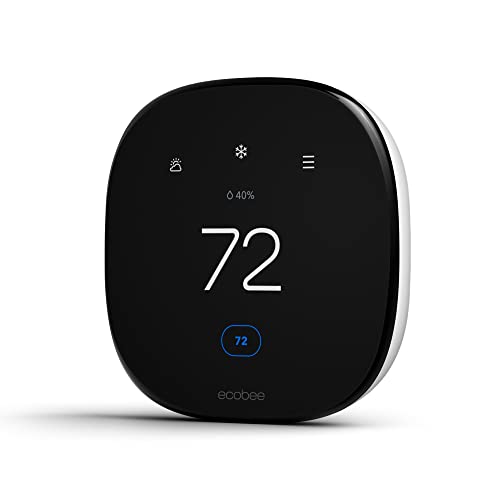
ecobee Smart Thermostat Enhanced, Programmable Wifi Thermostat

Google Nest Learning Thermostat (4th gen) + Temperature Sensor – Obsidian

Google Nest Learning Thermostat (4th Gen, 2024) + Temperature Sensor – Polished Gold

Google Nest Learning Thermostat (4th gen) + Temperature Sensor – Silver
A Deeper Look At The Lineup
The Snow edition of the Google Nest Thermostat sits at the entry point of the lineup, but “entry” here does not mean stripped down. It’s ENERGY STAR certified, ships with both a trim plate and a steel plate for over-the-box mounting, and pairs directly with the Google Home app on Android and iPhone. The big idea is hands-off comfort: the thermostat notices when everyone has left and dials itself back to an energy-saving range so you are not paying to heat or cool an empty house.
For a zoned system that already has damper controls in place, this unit works well as the brain in a primary living area. You build a schedule in the app once and the thermostat follows it. One thing worth considering: if your home has multiple stubborn hot or cold pockets, the base Nest will not fix those on its own. Pairing it with external room sensors or another zone-specific unit will get you further.
Real Benefits
- ENERGY STAR certified efficiency baseline for lower monthly use
- Included trim plate and steel mounting plate simplify installation over older boxes
- Auto-away mode drops heating and cooling when no one is home
- Schedule creation inside the Google Home app takes a few minutes, not an afternoon
- Snow finish blends into most neutral wall palettes
Things To Consider
- Lacks built-in room sensors, so far-flung zones may need separate hardware
- Works best inside a Google-centric smart home rather than mixed ecosystems
Who It Suits Best
First-time smart thermostat shoppers running a single primary zone in a Google Home household.
Where Another Pick Suits Better
Households chasing true room-by-room temperature balancing should look at the ecobee SmartSensor 2-Pack to layer occupancy detection onto a compatible thermostat.
The ecobee Smart Thermostat Premium pushes the category beyond simple temperature control. Built-in voice assistants (Siri and Alexa) live directly on the wall unit, so you can adjust a zone with a quick phrase. A bundled SmartSensor reads both temperature and occupancy, helping the system decide which room should drive the heating or cooling call. For zoned setups, that sensor is the difference between a single-room reading and a true whole-home picture.
Compared with the entry-level Nest reviewed above, the Premium leans into environmental awareness: it can detect smoke alarm sounds and surface a doorbell live view on its screen. In a busy family home with kids running between floors, those extras add a layer of practical safety on top of comfort. Setup assumes a C-wire, so older homes may need a quick wiring check before installation day.
The Value In It
- Built-in Siri and Alexa remove the need for a separate smart speaker in the main zone
- Included SmartSensor tackles hot and cold spots that single-point thermostats miss
- Geofencing learns when occupants leave and right-sizes the system automatically
- Smoke alarm sound detection adds a quiet safety net beyond climate
Worth Noting
- C-wire required, which adds a small step for older HVAC systems
- Premium features rely on a stable home network, so mesh upgrades may help larger homes
Feature Snapshot
Made For
Owners who want one thermostat that handles a zoned home plus voice control and air quality monitoring without adding extra hubs.
Skip It When
Households already running a Google-only ecosystem may prefer the Google Nest Learning Thermostat (4th gen) for tighter integration.
The third-generation Nest Learning Thermostat in Polished Steel takes a different route than the entry model. Instead of relying on a fixed schedule, it watches how you adjust the temperature over time and quietly builds its own program. After a week or two of normal use, manual tweaking drops off because the thermostat already knows what you like in the morning, the afternoon, and the evening.
Home/Away Assist handles the empty-house side of the equation, sliding to an Eco Temperature when nobody is around. Energy History is the part you may find most useful: you can pull up your phone and see why the system ran when it did, plus check the Nest Leaf that appears next to energy-saving setpoints. In a zoned setup, this unit shines as the controller in your main living zone, with HVAC monitoring alerts flagging early signs of system trouble.
The Helpful Details
- Self-programming schedule learns from everyday adjustments over the first weeks
- Remote control from phone, laptop, or tablet keeps zone changes one tap away
- HVAC monitoring alerts catch odd runtime patterns before they turn into service calls
- Energy History helps explain the bill at the end of the month
Trade Offs
- Relies on consistent manual tweaks during the learning period
- Polished Steel finish shows fingerprints more readily than matte options
Right Fit For
Homeowners who prefer a thermostat that adapts to their routines rather than building a fixed schedule by hand.
A Better Fit Elsewhere
Shoppers wanting room-specific temperature data without buying sensors separately should consider the ecobee Smart Thermostat Premium, which includes one in the box.
Sensors are the unsung heroes of any zoned comfort system, and the ecobee SmartSensor 2-Pack delivers exactly that role. Each wireless unit uses infrared detection to sense whether a room is occupied, then sends that signal to a compatible ecobee thermostat from up to around 60 feet away. Two sensors in a single pack makes it easier to outfit a primary bedroom and a home office without buying two separate orders.
For shoppers who already own an ecobee thermostat, this is the practical path to better temperature balancing. The sensor ignores empty rooms during the day, so your downstairs system does not waste energy trying to heat a guest bedroom. The trade-off shows up if your home runs on a Google-only Nest setup, where these sensors will not pair at all. Match them to ecobee and the room-level data flows directly into your scheduling.
What Helps Most
- Infrared occupancy sensing removes the need to manually tell the system which room matters
- 60-foot wireless range covers most floor plans without extra repeaters
- Two-pack pricing undercuts buying sensors individually
Honest Caveats
- Works only with ecobee thermostats, not Nest or Sensi systems
- Requires battery swaps every couple of years, depending on use
- Placement matters: avoid putting sensors behind furniture that blocks their view
Best Suited To
Existing ecobee owners adding zone coverage to bedrooms or offices that the main thermostat cannot read accurately.
Not Your Match When
Households running a Nest system should grab the Google Nest Learning Thermostat (4th gen) bundle, which ships with a compatible Nest Temperature Sensor in the box.
The Sensi Touch ST75 from Emerson takes a different design swing than the Nest and ecobee models above. A backlit color touchscreen sits front and center, so adjustments happen directly on the wall without pulling out a phone. Sensi also leans hard into data privacy, marketing its app as one that does not sell user information or track geolocation in the background. For shoppers worried about how smart home data gets used, that framing carries weight.
Compatibility runs across most conventional HVAC systems, though a C-wire is required for installation. Alexa integration is built in, and the mobile app supports scheduling by individual day. In a zoned setup, the ST75 plays well as a controller for a single zone where you want tactile control plus privacy-minded software. You trade the room-level occupancy sensors of an ecobee for a more direct, dial-in experience.
Practical Advantages
- Color touchscreen makes temperature changes immediate without a phone
- Privacy-focused app design avoids selling user data to third parties
- Day-by-day scheduling suits households with rotating weekly routines
- ENERGY STAR certification supports energy-conscious goals
Points To Keep In Mind
- C-wire required, similar to ecobee
- No native occupancy sensor; relies on schedule-driven adjustments
- Touchscreen can attract dust and needs occasional wiping
Perfect Match For
Privacy-minded homeowners who prefer physical touchscreen controls over voice or phone-only operation.
Look Elsewhere When
Households needing whole-home sensor coverage should consider the ecobee SmartSensor 2-Pack alongside an ecobee main unit instead.
The ecobee Smart Thermostat Enhanced sits one step below the Premium model reviewed earlier, and that positioning actually makes it a smart everyday choice for many homes. It inherits the energy-saving core, occupancy-aware scheduling, and eco+ features that nudge temperatures down when you are asleep or away. Where it differs from the Premium is in the absence of the built-in air quality monitor and the speaker-driven voice assistants.
Apple Watch support is a quiet win for households already wearing one: temperature adjustments happen straight from the wrist without unlocking a phone. In a multi-zone setup, this unit handles one zone confidently and pairs with SmartSensors for room-level data when needed. For most families, the Enhanced model lands in the practical middle ground where capability meets a friendlier price point.
What Earns Its Place
- eco+ features automate energy savings without constant input
- Apple Watch integration adds a second control path beyond the phone
- Occupancy-driven scheduling fits busy households with shifting routines
- Compatible with SmartSensors for room-level balancing
Some Limits To Know
- No built-in voice assistants compared to the Premium tier
- SmartSensors ship separately, which adds to the total spend
Quick Facts
Who Should Grab It
Mid-tier shoppers wanting ecobee’s room-aware comfort logic and Apple Watch control without paying for the Premium extras.
Another Choice May Suit
Households wanting voice control baked into the thermostat itself should consider the ecobee Smart Thermostat Premium instead.
The fourth-generation Nest Learning Thermostat in Obsidian pairs the smarter learning engine with a 2nd-generation Nest Temperature Sensor, which is what makes this bundle the strongest pick for zoned systems on the list. The thermostat itself learns routines faster than older generations and adapts when your schedule shifts unexpectedly. The included wireless sensor lets you nominate a specific room as the priority space, so the system bases its decisions on the room you actually live in rather than a hallway.
The Obsidian finish is the dark, near-black option that anchors modern interior palettes without competing for attention. Compatibility covers Alexa, Apple HomeKit, and Google Home, which is rare for a single thermostat. The trade-off is real estate: this is a larger wall unit than the entry Nest, so plan for a bit more wall space during install.
A Few Strong Suits
- Bundled Temperature Sensor supports zoned setups out of the box
- Adaptive learning engine adjusts when routines shift over time
- Cross-ecosystem compatibility with Alexa, HomeKit, and Google Home
- Obsidian finish suits modern, darker interior walls
Where It May Fall Short
- Thermostat body is larger than earlier Nest generations, so older trim plates may not fit
- Best learning results require at least a week of consistent manual use to build a baseline
Whose Shelf It Belongs On
Homeowners outfitting a multi-zone home who want the learning engine and a sensor kit from the same order.
Consider Something Else When
Households wanting a lighter wall finish should consider the Google Nest Learning Thermostat (4th gen) + Temperature Sensor in Silver, reviewed next.
The 2024 fourth-generation Nest Learning Thermostat in Polished Gold is functionally identical to the Obsidian version above, just dressed in a warmer metallic finish. The Polished Gold tone reads almost brass-like against neutral walls, making it the right pick when the thermostat should feel like a piece of decor rather than a utility box. Inside, the same learning engine and HVAC monitoring work the same way.
For households whose routines shift frequently (think remote workers, hybrid schedules, or shift workers), the adaptive learning is where this model pulls ahead of fixed-schedule thermostats. It notices when the morning routine starts at 8 a.m. one week and 10 a.m. the next, and it quietly adjusts. The included Nest Temperature Sensor still anchors room-level priority, so the family room or nursery can drive the call instead of the hallway.
Everyday Wins
- Polished Gold finish acts as a design accent on neutral or warm-tone walls
- Adaptive learning flexes with shifting weekly routines
- Compatible with Alexa, Apple HomeKit, and Google Home
- Bundled Temperature Sensor supports zoned comfort immediately
Trade-Offs To Consider
- Metallic finish may clash with cooler interior palettes
- Larger wall footprint than the entry Nest model reviewed first
The Right Fit
Design-conscious households with warm interior palettes and shifting daily schedules.
Reach For A Different Pick When
Households needing air quality monitoring and built-in voice control should consider the ecobee Smart Thermostat Premium.
Closing the lineup is the Silver version of the same fourth-generation Nest Learning Thermostat bundle. Functionally, this unit matches the Obsidian and Polished Gold siblings reviewed above, down to the bundled 2nd-generation Nest Temperature Sensor. The Silver finish is the safe choice that fits almost any wall color, making it the natural pick when you are unsure about bolder metallic finishes.
Existing Nest households upgrading from an older thermostat will find the transition smooth, since the Google Home app already knows the home’s layout. The learning engine carries over routines in many cases, which cuts down on the typical learning period. For shoppers planning to expand into more zones later, this bundle plants the seed: one thermostat plus one sensor today, additional sensors tomorrow as each stubborn room reveals itself.
Useful Highlights
- Neutral Silver finish works across most wall colors and interior styles
- Bundled Temperature Sensor delivers zoned capability right out of the box
- Cross-ecosystem support covers Alexa, HomeKit, and Google Home
- Smooth upgrade path for households replacing an older Nest
Worth Bearing In Mind
- Adding more sensors for additional zones raises the total spend beyond the bundle
- Learning period of a week or two means early results vary
Built With In Mind
Current Nest households and new buyers wanting a flexible neutral finish that pairs with a starter sensor.
Where A Sibling Pick Shines
Shoppers who already own an ecobee thermostat should grab the ecobee SmartSensor 2-Pack instead, since it expands the system they already use.
Choosing The Right Fit For Your Zoned Home
A zoned system only delivers comfort when the controls match its layout. Start by counting the rooms that actually need independent comfort: a nursery, a home office, and a basement bonus room each justify their own sensor or thermostat. Single-zone homes with one stubborn hot or cold pocket can often get away with one main thermostat plus a single wireless sensor, while multi-story houses usually benefit from one thermostat per floor plus targeted room sensors.
Compatibility matters more than feature lists. Confirm that the thermostat speaks the same smart home language you already use, whether that is Google Home, Apple HomeKit, or Alexa-only routines. Check your HVAC system for a C-wire, which is a common wire that delivers continuous power to smart thermostats. Most units on this list require it, and older homes sometimes need a quick wiring adapter before installation day.
Think about how much you want to interact with the system. Learning thermostats build their own schedule after a couple of weeks of manual tweaks, which suits households with stable routines. Schedule-based or app-driven thermostats work better when your week looks different every day, since you can edit the plan rather than waiting for the unit to relearn. Either way, sensor coverage tends to matter more than the thermostat model itself, because the real comfort call happens in the room people actually use.
Things Worth Knowing Before You Commit
Mistakes Worth Dodging
The most common slip-up is buying a feature-rich thermostat without enough sensors to back it up. A premium unit in the hallway still misses the nursery reading. Another trap is ignoring HVAC compatibility: some older systems need a C-wire adapter, and skipping that step turns installation day into a return trip. Lastly, do not assume every sensor works with every thermostat. Nest Temperature Sensors pair only with Nest thermostats, and ecobee SmartSensors pair only with ecobee units, so mixing brands leaves you with expensive paperweights.
Where The Extra Money Goes
Higher-tier thermostats tend to add three things on top of basic scheduling: built-in voice assistants, room-level sensors in the box, and environmental sensors that track air quality. Voice control is a quality-of-life upgrade when your hands are full or you are across the room. Bundled sensors remove the need to buy room coverage separately, which saves a follow-up order. Air quality monitoring is the most situational perk, useful for households with allergies or wildfire smoke concerns, less critical for everyone else. The upgrade is worth it when at least one of those three extras matches how you actually live day to day.
Frequently Asked Questions
Do smart thermostats actually work with zoned HVAC systems?
Yes, most modern smart thermostats support zoned setups, especially when paired with compatible wireless room sensors. The thermostat becomes the brain for one zone while sensors extend coverage to additional rooms.
How many sensors do I need for a zoned home?
One sensor per priority room is a good baseline. Start with the room that struggles most with temperature swings, then add sensors as new problem areas appear rather than buying a full kit upfront.
What is a C-wire and why does it matter?
A C-wire, or common wire, delivers continuous power from your HVAC system to the thermostat. Smart thermostats need it for Wi-Fi, the touchscreen, and voice features, so older homes without one may need an adapter before installation.
Can I mix brands in a zoned setup?
Mixing brands is possible but adds friction. Nest sensors work only with Nest thermostats, and ecobee sensors pair only with ecobee units. Sticking with one ecosystem per home keeps the app and routines simpler.
Will a smart thermostat lower my energy bill?
In most homes, yes, mainly through auto-away features and tighter scheduling. The exact savings depend on your local climate, HVAC efficiency, and how often the system previously ran at full tilt in empty rooms.
Closing Thoughts
A zoned heating and cooling setup is only as smart as the controls behind it. The right thermostat plus the right sensors turns “this room is freezing” into a problem the system solves on its own. Pick the ecosystem that fits your daily habits, confirm your wiring before installation day, and start with one or two sensors before expanding. Comfort is room by room, and the picks above give you room to grow.
