

A thermostat that lives in the hallway tells half the story. The bedroom runs cold at night, the nursery runs warm by morning, and the office stays empty until the afternoon, yet one wall-mounted dial tries to speak for the whole house. Room sensors change that math by reading the spaces you actually use and steering heating or cooling toward them. For anyone in a multi-room home, a split-level layout, or a house with a stubborn hot or cold spot, that single upgrade reshapes daily comfort.
The list below covers thermostats built to pair with room sensors, plus the sensors themselves for households already running a compatible system. Each pick was chosen for a specific kind of household, from first-time smart-home owners to households that want every room dialed in.
A Fast Comparison Of The Options

Sensi Touch 2 Smart Thermostat with Room Sensor

Google Nest Thermostat with Trim Kit (Snow)

ecobee Smart Thermostat Premium with Smart Sensor

Google Nest Temperature Sensor 3-Pack

Google Nest Learning Thermostat (Polished Steel)

ecobee SmartSensor 2-Pack

Sensi Touch Smart Thermostat (ST75, Black)
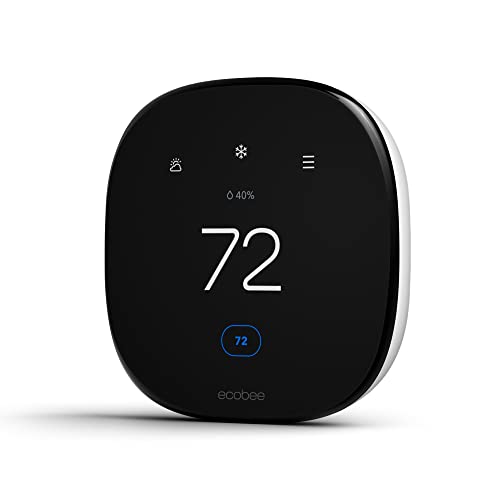
ecobee Smart Thermostat Enhanced

ecobee3 Lite Smart Thermostat (Black)
What Each Pick Brings To The Table
Emerson’s Sensi Touch 2 is the rare wall unit that feels equally at home in a tech-savvy household and a grandparent’s ranch. The full-color touchscreen makes manual adjustments obvious, while the companion app handles the deeper setup, including pairing with separate Sensi room sensors that read temperatures in the spaces you actually live in.
For most homes, the appeal comes down to the install story. Bluetooth pairing walks you through wiring step by step, and the app flags any compatibility issues before you commit. The catch is a required common wire, known as a c-wire, which older systems may lack without an adapter.
The Case For It
- Touchscreen interface that stays readable in low light and at a glance
- Room sensor support lets the system prioritize whichever space you choose
- Privacy-first design that does not sell your usage data to third parties
- Energy reporting surfaces where heating or cooling costs add up
Things To Consider
- Requires a c-wire, so some older HVAC setups need an adapter first
- Room sensors ship separately, adding to total setup cost
Who It Suits Best
Households in mid-sized homes with a balanced mix of old-school and modern expectations.
Where Another Pick Suits Better
The Google Nest Thermostat fits more naturally if you already lean on Google Home routines and want a stripped-down install.
The entry-level Nest Thermostat keeps the experience simple on purpose. Setup runs through the Google Home app on Android or iPhone, the mirror-finish face rotates to reveal temperature readouts, and the included trim plate hides the wall scars left by an older thermostat. Pair it with a set of Nest Temperature Sensors, covered later in this list, to bring room-by-room awareness into the picture.
Compared with the Sensi Touch 2, this unit has no touchscreen, so most adjustments happen in the app or by twisting the outer dial. You may find that limitation freeing rather than limiting if you already live in the Google Home ecosystem.
Useful Touches
- Energy-saving Auto-Schedule that learns preferred temperatures quickly
- Trim plate and steel mounting plate included for a cleaner retrofit install
- Solar and utility rate data feeds help plan around time-of-use billing
Points To Note
- No touchscreen means heavier reliance on the phone for adjustments
- Full room-sensor functionality depends on the separately sold Nest sensors
Quick Facts
Made For
Shoppers new to smart thermostats who already use Android phones or Google Home devices.
Skip It When
You want a physical touchscreen for fast tweaks at the wall, in which case the Sensi Touch 2 is a stronger match.
The ecobee Premium sits at the top of the lineup, and the extras show. A built-in air quality monitor checks indoor conditions, the bundled SmartSensor balances temperatures across rooms, and built-in voice assistants, including Siri and Alexa, remove the need for a separate smart speaker on the kitchen counter.
For households already deep into Apple HomeKit or Alexa routines, this thermostat folds in cleanly. Owners commonly report that the metal bezel feels sturdier than plastic-bodied competitors, though the glass face can pick up smudges.
Well-Handled Touches
- Included SmartSensor addresses the temperature gap between rooms out of the box
- Air quality monitoring surfaces particulates and CO2 trends over time
- Native support for Siri, Alexa, and Google Assistant, with no extra hub required
Honest Caveats
- Sits in a higher price tier than the Enhanced model, so the upgrade has to earn its keep for you
- Premium features depend on stable Wi-Fi and a consistent power supply
Feature Snapshot
Perfect Match For
Households that want thermostat, sensor, and voice control bundled without buying extras later.
Reach For A Different Pick When
The ecobee Smart Thermostat Enhanced makes more sense if you do not need the air quality monitor or built-in voice.
If you already own a compatible Nest thermostat, this three-pack is the simplest way to stretch comfort across the house. Each small puck reads the temperature where it sits and relays that data back to the main thermostat, which then adjusts heating or cooling for the room you have flagged as the priority.
A three-pack hits the common household layout: one for upstairs, one for downstairs, one for the room you spend the most time in. Battery life tends to outlast expectations, and mounting options include wall placement or shelf rest.
The Value In It
- Three sensors ship together, covering most home layouts in a single purchase
- Each unit talks to the thermostat over Bluetooth Low Energy at up to 50 feet, reducing wiring hassle
- Place sensors in priority rooms like a nursery, home office, or sun-facing living room
Less Ideal Details
- Only works with compatible Nest thermostats, so it pairs poorly with non-Nest systems
- Sensors report temperature only, not occupancy, which can lag during quick room changes
Whose Shelf It Belongs On
Households with a Nest Learning Thermostat or Nest Thermostat already mounted on the wall.
A Better Fit Elsewhere
Anyone running an ecobee system should grab the ecobee SmartSensor 2-Pack instead, since cross-brand sensors do not communicate.
The Nest Learning Thermostat is the model that put smart climate control on the map, and the polished steel version adds a more grown-up finish than the basic plastic shells. The unit watches your manual adjustments for a week or two, then programs itself around your habits, including when you leave the house and when you settle in for the night.
Add the Nest Temperature Sensors, covered above, and the system extends that learned schedule into the rooms that matter most. Compared with the simpler Nest Thermostat in slot two, this model has the larger circular display and a heavier metal ring, which feels more substantial to the touch.
What Pays Off
- Self-programming that removes the chore of building a custom schedule
- Energy History view shows where heating or cooling costs come from
- HVAC monitoring flags potential system issues early, before a service call
Factors To Consider
- Learned schedules only get sharper after a couple of weeks of consistent routines
- Polished steel finish shows fingerprints faster than matte or white finishes
Feature Card
Who Will Love This
Busy households whose schedules drift but stay consistent enough for the thermostat to learn from.
Look Elsewhere When
The ecobee Smart Thermostat Premium is a better fit if you want air quality sensing and built-in voice assistants.
The ecobee SmartSensor goes a step beyond most competing room sensors. In addition to temperature, it uses infrared technology to detect whether a room is actually occupied, then nudges the system to focus comfort there while trimming output in empty spaces.
Two units are enough for a small home, and pairing them with the ecobee Enhanced or Premium thermostat unlocks Follow Me mode, which averages readings from any occupied rooms. Owners commonly report that placing sensors at chest height gives the cleanest motion readings.
Key Advantages
- Infrared occupancy detection shifts focus to where people actually are
- Up to 60 feet of wireless range covers most open-plan layouts
- Two sensors per pack lets a smaller home start with coverage right away
Potential Drawbacks
- Will not pair with non-ecobee thermostats, which limits their use after a system swap
- Larger homes usually need more than two sensors to cover every zone
Best Suited To
Ecobee thermostat owners looking to add occupancy-aware comfort to a couple of key rooms.
Where A Sibling Pick Shines
The Google Nest Temperature Sensor 3-Pack is the right move if your main thermostat runs on the Nest ecosystem.
The original Sensi Touch (ST75) is the predecessor to the Touch 2, and it still earns attention for households that care about data privacy. Emerson commits to not selling personal information to third parties, which is rare in this category.
The hardware is essentially the same touchscreen format as the Touch 2, so existing Sensi room sensors pair cleanly. The honest read is that this is the pick for someone who wants the Sensi experience but does not need the newest generation’s incremental refinements.
Everyday Advantages
- Clear privacy stance with no third-party data sharing
- Touchscreen color display simplifies manual adjustments
- Compatible with Sensi room sensors for room-level temperature balancing
A Few Limitations
- Older model, so some newer smart-home integrations may lag behind the Touch 2
- Still requires a c-wire, so plan for that during the install
Who Should Grab It
Privacy-conscious households that prefer a proven touchscreen model over the very latest hardware revision.
Consider Something Else When
Shoppers who want the freshest build should go straight to the Sensi Touch 2 reviewed in slot one.
The Enhanced sits a step below the Premium but above the Lite, hitting a comfortable middle ground. It still runs the eco+ automation suite, still adapts to occupancy, and still supports ecobee SmartSensors for room-level comfort. What you skip is the air quality monitor and the built-in voice assistants.
For households that already own a voice speaker and just want smart temperature control without the premium add-ons, this is often the smarter pick. Owners commonly report that the install takes about 30 minutes with a c-wire already in place.
Real Benefits
- eco+ features adjust temperatures automatically when you are away or asleep
- SmartSensor compatibility brings room-aware comfort without buying the Premium
- Works with Apple Watch, iOS, and Android devices for on-the-wrist tweaks
Small Caveats
- No built-in voice assistant, so voice control depends on a separate speaker
- No air quality monitor, so households worried about allergens will not get that data here
The Right Fit
Households that want the core ecobee experience but do not need the Premium’s bells and whistles.
Not Your Match When
The ecobee Smart Thermostat Premium is a smarter choice if built-in voice or air quality data matters to you.
The ecobee3 Lite is the entry-level unit in the ecobee family, and for shoppers watching the budget, it covers the basics well. It works with Siri, Alexa, and Google Assistant, integrates with Apple HomeKit, and supports ecobee SmartSensors when you are ready to add room-level temperature control.
You trade away the newer metal bezel and the eco+ automation suite of the Enhanced model, but you keep the touchscreen and a strong track record for reliability. For most cost-conscious households, this is a sensible starting point that can grow over time.
Why It Works Well
- Lower entry price while keeping touchscreen and Wi-Fi scheduling
- Compatible with ecobee SmartSensors for room-level temperature balancing
- ENERGY STAR certification points to consistent efficiency gains
Practical Considerations
- No built-in voice assistant, so voice control requires a separate smart speaker
- Older generation hardware, so firmware updates may slow down over time
Feature Overview
Built With In Mind
Shoppers who want a trustworthy smart thermostat without stretching into premium pricing.
Swap It Out When
The ecobee Smart Thermostat Enhanced is the better call if eco+ automations and a fresher hardware design matter to your routine.
How To Match Smart Thermostats With Room Sensors To Your Home
Start with the wall setup. Most smart thermostats need a common wire, the so-called c-wire, to draw steady power for Wi-Fi and the touchscreen. Older homes without one will need an adapter or a quick wire pull before the install day arrives. Skipping that step is the most common reason a thermostat install hits a wall halfway through.
Match the sensor count to the layout. Two sensors cover a small single-story home, while three or four are more useful for split-levels or households with a stubborn upstairs. The ecobee SmartSensor adds occupancy detection, which makes it more useful in rooms that swing between empty and busy throughout the day, while the Nest Temperature Sensor is simpler and focuses purely on temperature.
Decide which ecosystem you want to live in. The Nest line pairs naturally with Google Home and Android phones, while ecobee plays well across Apple HomeKit, Alexa, and Google Assistant. Sensi lands in between, with broad compatibility but a privacy-forward approach that suits households wary of data sharing.
Sensor Strategy: Temperature Versus Occupancy
A temperature-only sensor, like the Nest Temperature Sensor, tells the thermostat what the air feels like in another room. An occupancy-aware sensor, like the ecobee SmartSensor, also tells the system when a room is in use, so the thermostat can shift focus dynamically. For households with rooms that are sometimes empty and sometimes packed, occupancy adds real value.
Wiring And Power: What To Check First
Before clicking buy, pop the cover off the current thermostat and count the wires. A c-wire usually shows up as a fifth wire connected to a terminal labeled C. If there is no c-wire, budget for a power adapter kit or factor in a small rewiring job. Most DIY-friendly thermostats walk you through this check in the app before you commit to a full install.
Key Considerations Across These Picks
Pitfalls Shoppers Hit
A common trap is buying a thermostat first and sensors later without checking compatibility. Nest sensors will not pair with ecobee, and ecobee sensors will not pair with Nest. Another frequent mistake is assuming the existing wiring will work. A short c-wire check takes ten minutes and saves a return trip later.
What The Higher Tier Buys
The jump from the Enhanced to the Premium ecobee brings a built-in air quality monitor and built-in voice assistants, which matter for tech-forward households. The jump from the Sensi Touch to the Touch 2 brings a newer generation, though the day-to-day difference is incremental. In every case, the higher tier is most useful when the extra features map directly to a real household need, not just a spec sheet.
Frequently Asked Questions
Do smart thermostats with room sensors really save energy?
Yes, in most homes the biggest gains come from focusing heating or cooling on occupied rooms instead of the hallway, where the main thermostat usually sits.
How many room sensors does a typical house need?
Most homes do well with two to four sensors, depending on layout, with priority rooms like a nursery or home office getting dedicated sensors.
Will these thermostats work with my existing HVAC system?
Most work with central forced-air systems, but high-voltage baseboard or some proprietary setups may need a different model or a professional assessment.
Can I mix and match sensors from different brands?
No, sensors are usually brand-locked, so ecobee sensors pair only with ecobee thermostats and Nest sensors pair only with compatible Nest units.
Is professional installation required?
Most of these units are designed for DIY install, though a c-wire adapter or a quick electrician visit may be needed in older homes.
The Takeaway
A smart thermostat only earns its keep when it reflects the rooms you actually live in. Pick the ecosystem that fits the phones and speakers already in the house, count the sensors your layout really needs, and confirm the wiring before the install day. With those three pieces in place, the upgrade pays back in everyday comfort, not just on paper.
