

Voice-controlled lighting used to demand a dedicated hub sitting on your router. That requirement is fading fast, with most current bulbs linking straight to Alexa over your home Wi-Fi. The eight picks below cover everything from quick single-room experiments to whole-home systems that grow with you.
The Choices Worth Comparing

Philips Hue Color Ambiance A19 LED Smart Bulb (2-Pack)
Philips Hue Premium A19 Color Smart Bulb

Philips Hue Color Ambiance 3-Pack with Hue Bridge

Philips Hue Bridge Pro Starter Kit (4 A19 Bulbs)

Philips Hue Color Ambiance A19 3-Pack

Philips Hue Starter Kit (3 Bulbs + Hue Hub)

Philips Hue White Ambiance A19 Bulb (2-Pack)
Linkind Tunable White A19 Smart Bulb 6-Pack
Inside Each Recommended Option
Two color-changing A19 bulbs that pair straight to the Hue Bluetooth app for one-room control, no extra box required on day one. For anyone dipping a toe into smart lighting, the path of least resistance matters, and this pair gives you that. Screwing them into existing E26 sockets, you get dimming, scenes, and voice control through any Echo speaker once linked in the Alexa app.
You’ll appreciate the option to add the Hue Bridge later, but Bluetooth alone is enough for a bedroom or den. Compared with the older single-bulb Hue listed at #2, you skip the hub requirement up front while keeping the same color range and app polish. For renters and small apartments, that flexibility is the real story.
Why It Works Well
- No hub required for first-time use, which keeps your setup simple and your router uncluttered.
- Full color and tunable white in one bulb, so you can shift from movie night to morning routine in seconds.
- Works with all Echo devices, meaning voice commands feel native rather than patched in.
- Two-bulb pack covers a single room without forcing a bigger commitment.
Things To Consider
- Bluetooth control caps out at around 10 bulbs in one room, so larger homes eventually want a hub.
- Without the Hue Bridge, you lose out-of-home control and advanced automations.
Who It Suits Best
First-timers outfitting a single room want color, voice control, and zero extra hardware to manage.
Consider Something Else When
Skip this and head to the Linkind 6-pack at #8 if you want tunable white across several rooms without ever buying a hub.
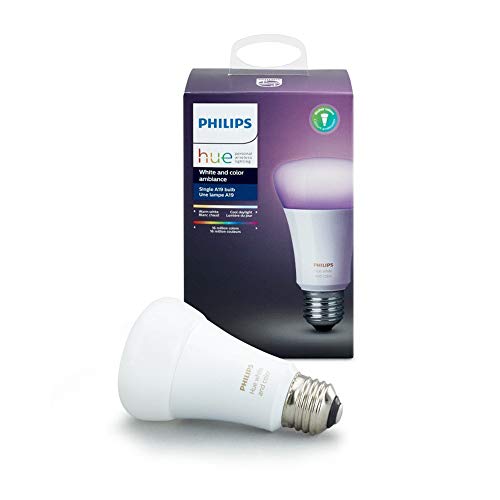
An older-generation Hue color bulb that still earns its spot for households already running the Hue Bridge ecosystem. The spec sheet is lean, but the color range and HomeKit compatibility have aged well. For most rooms, you can expect reliable dimming and crisp voice response through Alexa once the hub is paired.
Where this differs from the Bluetooth-first 2-pack at #1 is the assumption of an existing hub. You’ll need the bridge on your network for voice and out-of-home features, so this works best as an add-on. Think of it as the natural second or third purchase for someone already committed to Hue.
What Pays Off
- 16 million colors plus full HomeKit support, which adds flexibility for Apple households.
- Seamless integration with Nest and SmartThings, so existing automation setups extend cleanly.
- Works in standard E26 fixtures, including lamps, pendants, and ceiling fans.
Worth Noting
- Requires a Hue Bridge for voice activation, which raises the entry cost if you’re starting fresh.
- Marketed as an older version, meaning newer Hue models may have improved efficiency.
- Single-bulb format means per-room coverage gets pricey without buying multiple units.
Quick Facts
Right Fit For
Existing Hue Bridge households want a single bulb replacement or addition without retooling the whole system.
Look Elsewhere When
Pick the Philips Hue Color Ambiance 3-Pack at #5 if you want three matching color bulbs to expand an active setup.
A bundled route for anyone ready to commit to the hub ecosystem on day one. You get three A19 color bulbs plus the Hue Bridge, which uses Zigbee (a low-power mesh networking protocol that keeps lights responsive without taxing your Wi-Fi). For most homes, that translates to faster automations and fewer dropped commands.
What separates this from the older 3-bulb starter kit at #6 is the newer bridge hardware and updated app features. Out-of-home control works over the Hue app with no extra subscription, and routines like “lights on at sunset” become reliable once the bridge handles them locally. The trade-off is the higher upfront cost compared to hub-free options.
A Strong Showing
- Bridge included, which means no extra purchase before voice and remote features work.
- Zigbee-based connection keeps lighting fast and steady even when Wi-Fi hiccups.
- Three bulbs cover a small home office or open-plan living area in one go.
Trade Offs
- Costs more than the Bluetooth-only 2-pack at #1, which matters for budget-first shoppers.
- Adding the bridge means one more device on your network shelf.
Made For
Households ready to centralize lighting control and want reliable automations across multiple rooms.
Swap It Out When
Reach for the Philips Hue Bridge Pro Starter Kit at #4 instead if you plan to scale past 50 bulbs or use MotionAware features.
The Bridge Pro pairs with four A19 bulbs and targets households expecting serious growth. Support for 150+ lights and 50+ accessories makes this the right foundation if you’re planning a multi-room rollout now or later. MotionAware, a feature that turns bulbs into motion sensors when grouped with other Hue devices, adds a layer of automation without extra hardware.
Where this sits against the bundle at #3 is capacity and forward planning. The standard Hue Bridge handles up to 50 lights, which is plenty for most renters. The Pro version future-proofs anyone converting a whole house to smart lighting and integrates existing Hue devices during setup. For large homes, that headroom matters.
What Makes Sense
- Supports 150+ bulbs and 50+ accessories, so you won’t outgrow it quickly.
- MotionAware turns grouped bulbs into motion triggers without buying sensors.
- Migration path keeps your existing Hue gear working during the switch.
- Full color and warm-to-cool white across all four included bulbs.
Honest Caveats
- Highest upfront cost in this lineup, which only pays off if you actually expand.
- Four bulbs may exceed a single-room starter, leaving extras waiting to be installed.
Feature Snapshot
Best Suited To
Households planning a full-home smart lighting conversion and wanting capacity to spare.
A Better Fit Elsewhere
Pick the Philips Hue Color Ambiance 3-Pack with Bridge at #3 instead if you only need a starter setup under 50 bulbs.
Three full-color Hue bulbs ready to pair with the Hue Bluetooth app for single-room control, or to slot into an existing hub setup. The selling point is bulk value without the bundled bridge, giving flexibility to choose your own expansion path. For a den or living room, the three-pack covers most lighting layouts cleanly.
Unlike the bridge-included 3-pack at #3, this version leaves the hub decision in your hands. That’s helpful if you already own a Hue Bridge or plan to test Bluetooth before committing. For shoppers comparing per-bulb pricing, this pack sits between the 2-pack at #1 and the full starter kit at #6.
What Earns Its Place
- Three bulbs let you outfit a larger room without paying full starter-kit pricing.
- Color and tunable white in every bulb, so matching scenes stay consistent.
- Works with the Hue app or any Echo device once linked through Alexa.
Points To Keep In Mind
- No bridge included, meaning advanced routines still require the Hue Bridge.
- Bluetooth-only mode limits you to roughly 10 bulbs per room.
Who Should Grab It
Existing Hue owners want to expand color coverage across a room without buying another hub.
Not Your Match When
Go with the Philips Hue White Ambiance 2-Pack at #7 if you don’t need color and prefer tunable white only.
The classic Hue starter bundle: three color bulbs and the Hue Bridge, ready to handle up to 50 lights on a single hub. Pre-set light recipes in the Hue app make morning routines and movie nights one-tap events, which is the everyday value most people underestimate. For most households, this kit is the version that gets recommended first.
Compared with the newer Bridge Pro kit at #4, this one uses the standard bridge with a lower device ceiling. That’s fine for typical homes and small apartments. The trade-off shows up only when you start scaling past a dozen rooms, at which point the Pro becomes more practical.
Features That Help
- Bridge supports up to 50 lights, which covers the average home comfortably.
- Pre-set light recipes simplify routines like sunrise wake-ups or relaxed evenings.
- Voice control through Alexa, HomeKit, and Google Assistant covers all major platforms.
- Out-of-home control via the Hue app means you never walk into a dark house again.
Some Limits To Know
- Standard bridge caps at 50 lights, so very large homes eventually want the Pro.
- Costs more than Bluetooth-only kits before any expansion.
Whose Shelf It Belongs On
Shoppers want a complete hub-and-bulb package for routines and remote control in a typical-sized home.
Reach For A Different Pick When
Choose the Linkind Tunable White 6-Pack at #8 if you want a hub-free path across many rooms on a tighter budget.
Two A19 bulbs that skip color in favor of tunable white, ranging from warm candlelight to cool daylight. For living rooms where full RGB scenes feel like overkill, this 2-pack hits the right note. The same Bluetooth-to-Bridge upgrade path applies as with the color version at #1, so you can start simple.
What sets this apart from the color 2-pack is focus. You’re trading the 16-million-color palette for a more natural lighting experience, which some readers genuinely prefer. Tunable white is also easier on the eyes for reading nooks and bedrooms, where color can feel gimmicky.
Benefits That Matter
- Tunable white supports natural circadian rhythms, especially in bedrooms.
- Two-bulb format fits smaller rooms without overbuying.
- Same upgrade path to the Hue Bridge when you’re ready for more control.
Where It May Fall Short
- No color option means movie and party setups stay limited.
- Bluetooth mode still caps at around 10 bulbs per room.
Perfect Match For
Bedrooms and reading nooks want warm-to-cool white without the distraction of full color scenes.
Where Another Pick Suits Better
Choose the Philips Hue Color Ambiance 2-Pack at #1 if you want RGB flexibility for entertainment spaces.
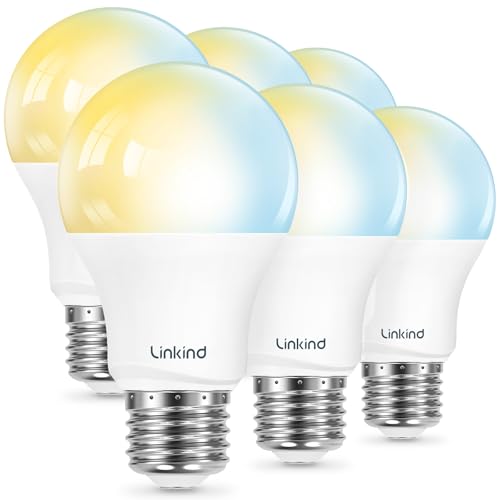
Six tunable white bulbs covering 2700K to 6500K, paired via the AiDot app and linking into Alexa or Google Home afterward. For renters outfitting several rooms at once, the six-bulb pack keeps per-room cost low. CRI above 90 (a measure of how accurately colors appear under the light) helps skin tones and decor look natural rather than washed out.
The honest read here is the trade-off between brand familiarity and value. Linkind isn’t Hue, but for tunable white across many fixtures, the price-per-bulb math is hard to argue with. Setup requires the AiDot app before linking to Alexa, which adds a step compared with Hue’s direct Bluetooth route.
Practical Advantages
- Six bulbs cover most apartments in a single purchase.
- High CRI rating makes colors appear closer to natural sunlight.
- Works with Alexa and Google Home after AiDot setup.
- Wi-Fi plus Bluetooth support gives flexible pairing options.
Possible Compromises
- Requires AiDot app as a middleman before Alexa integration works.
- No HomeKit, SmartThings, or Tuya support, limiting cross-ecosystem use.
- Tunable white only, with no full-color capability.
Who Will Love This
Multi-room renters want tunable white across several fixtures without committing to a hub ecosystem.
Skip It When
Pick the Philips Hue White Ambiance 2-Pack at #7 if HomeKit or a Hue Bridge path matters to you.
Picking Smart Bulbs That Actually Fit Your Routine
Bulbs that work with Alexa fall into two camps: direct Wi-Fi models that skip extra hardware and Zigbee bulbs that pair through a hub. Each has trade-offs worth weighing before you commit. Wi-Fi-only bulbs like the Linkind 6-pack at #8 install fastest and work in rentals where you can’t add network gear. Hub-based kits from Hue pay you back with faster response times, broader routines, and rock-solid reliability once the bridge is online.
Color capability is the next fork in the road. Color-changing bulbs add party and entertainment value, while tunable white serves reading, cooking, and general comfort better. For most homes, a mix feels right: tunable white for bedrooms and kitchens, color for living rooms where scenes matter. Buying all color costs more and sometimes goes unused, while all-white means giving up holiday lighting for good.
Voice compatibility deserves a quick check too. The Hue line covers Alexa, Google, and Apple HomeKit through the bridge, while cheaper Wi-Fi bulbs often support only one or two platforms. If your household already mixes Echo with Google Home displays, verify the bulb plays nicely with both before you commit.
Finally, brightness and bulb form factor matter more than people expect. Standard A19 bulbs fit most lamps and ceiling fixtures, but enclosed fixtures or specific dimmer switches can cause flicker. If you have older dimmer switches, look for bulbs rated for dimmer compatibility, or plan to bypass the switch entirely.
Key Considerations Across These Picks
Pitfalls Shoppers Hit
A common misstep is buying color bulbs for every room, then realizing you use white 90% of the time. Another trap is mixing brands without checking the ecosystem, which fragments your routines into separate apps. Most first-timers also underestimate hub value, ignoring that whole-home control eventually needs a bridge anyway.
Where The Extra Money Goes
Premium kits like the Hue Bridge Pro add capacity, faster response, and future features that budget bulbs can’t match. The upgrade shows up most in larger homes with many fixtures, where reliability under load matters. For a single room or two, the extra spend rarely earns itself back.
