
The lights go out, the fridge starts humming down, and your phone hits 40%. That sinking feeling is exactly why home emergency generators earn their spot in the garage. The right one keeps the freezer cold, the well pump running, and the house from going silent during a multi-day outage. The wrong one overpromises, underperforms, or fights you every time you try to start it.
Choosing among them gets confusing fast. Wattage tiers, fuel types, transfer switches, inverter vs. conventional, EMP gadgets, conversion kits, and interlock hardware all blur together. This guide sorts the noise into nine concrete options, each mapped to a real scenario. Whether you want whole-home coverage, quiet inverter power, off-grid solar, or just safer hookup gear, there’s a fit below.
A Fast Comparison Of The Options

Westinghouse WGen9500TFc Tri-Fuel Portable Generator

Grenergy Tri-Fuel Conversion Kit for Honda EU2000i

ZeroKor 300W Portable Power Station with 40W Solar Panel
Natupal Generator Interlock Kit for Siemens/Murray Panels

DuroMax XP13000HX 13,000-Watt Dual Fuel Portable Generator

Honda EU3200i 3200 Watt Inverter Generator (EU3200IAN)

DuroMax XP11500EH Dual Fuel Portable Generator

Faraday Defense T.R.A.P.-AC EMP Generator Protection

DuroMax XP13000E 13,000-Watt Gas Powered Portable Generator
The Picks, Examined More Closely
When the grid goes dark for two days, fuel availability becomes the real problem, not raw wattage. The Westinghouse WGen9500TFc solves that with tri-fuel capability, meaning you can run it on gasoline, propane, or natural gas from a household line. The 457cc overhead-valve engine (an engine design where the valves sit above the cylinder for better breathing and longevity) is built around a cast iron sleeve, the kind of detail that suggests it is meant for years of use rather than a single storm.
For most households wanting to back up a fridge, a few circuits, and a sump pump, the 9,500 running watts and 6.6-gallon tank offer around 12 hours of operation. The remote electric start and transfer-switch-ready outlet make hookup straightforward for anyone already running a transfer switch. Owners commonly report that the tri-fuel flexibility pays off most during long natural disasters when one fuel runs out but another is still available.
What Makes Sense
- Tri-fuel design lets you switch between gasoline, propane, and natural gas depending on what’s available
- Remote electric start means no fumbling with a pull cord in the rain or dark
- 9,500 running watts covers a fridge, freezer, sump pump, and most home circuits simultaneously
- Transfer-switch-ready outlet simplifies safe panel hookup
- Cast iron cylinder sleeve tends to extend engine life under heavy use
Things To Weigh
- Tri-fuel conversion often requires a separate propane or natural gas hose kit
- Weight and footprint demand a sturdy wheeled frame and storage space
- Conventional open-frame design runs louder than inverter alternatives like the Honda EU3200i
Key Specs
Who Will Love This
Homeowners in storm-prone or rural areas who want one unit that adapts to any fuel situation during a multi-day outage.
Swap It Out When
You need near-silent operation for a campground or RV setup, where the Honda EU3200i is a quieter fit.
Already own a Honda EU2000i inverter and love its quiet hum? The Grenergy Tri-Fuel Conversion Kit adds propane and natural gas capability without gutting the factory carburetor, the part of the engine that mixes fuel and air before combustion. That matters because modifications to factory carbs often void warranties, and this kit bolts on cleanly instead. For preppers, the appeal is layered: a small, quiet, portable inverter that can also drink from a propane tank during a regional gasoline shortage.
The kit ships preset to propane, which means a new owner can hook it up and run it without hours of tuning. For most backyard users, the practical benefit is shelf-stable fuel that doesn’t gum up a carburetor after months of storage. It also lets you tap into a household natural gas line, useful when gasoline supply chains break down after a hurricane or wildfire evacuation.
Key Advantages
- Bolts onto the Honda EU2000i without carburetor modification, preserving the factory setup
- Propane stores indefinitely without going bad, unlike gasoline that degrades in months
- Switches between gasoline, propane, and natural gas depending on the situation
Worth Noting
- Only fits the Honda EU2000i platform, not larger Honda models
- Installation may require basic mechanical comfort and a wrench set
Built With In Mind
Existing Honda EU2000i owners who want fuel flexibility without replacing their trusted inverter.
Consider Something Else When
You need a generator that already runs on three fuels out of the box, in which case the Westinghouse WGen9500TFc covers that ground from day one.
Not every outage needs a roaring engine in the driveway. The ZeroKor 300W Portable Power Station runs silent, gas-free, and safe enough to sit on the kitchen counter during a blackout. Its 280Wh lithium-ion battery (a rechargeable battery chemistry known for light weight and stable output) powers phones, laptops, routers, and small medical devices, the exact things most people reach for when the lights go out. The included 40W foldable solar panel adds slow but steady off-grid recharging on a sunny porch.
For most urban dwellers and apartment residents, this is a category-shifting product because it doesn’t need fuel, oil, or ventilation. Multiple output ports cover USB, USB-C with quick-charge support, DC, and a 110V pure sine wave AC outlet (an outlet that mimics smooth household power, safe for sensitive electronics). The pure sine wave output means you can confidently plug in a laptop or CPAP machine without worrying about damage from choppy current.
Real Benefits
- Zero noise and zero fumes, safe for indoor use during an outage
- Pure sine wave AC outlet protects sensitive electronics like laptops and CPAP units
- Built-in flashlight with SOS mode adds a useful emergency signal
- Solar panel included, no extra purchase required for off-grid recharging
Trade Offs
- 300W output won’t run a fridge, microwave, or space heater, only small electronics
- Battery needs recharging every two weeks when stored to preserve long-term capacity
- 40W panel recharges slowly in cloudy weather
Feature Snapshot
Best Suited To
Apartment dwellers, remote workers, and campers who need silent indoor power for electronics rather than whole-home coverage.
Where Another Pick Suits Better
Anyone needing to run major appliances should look at the DuroMax XP13000E, which delivers whole-home wattage on gasoline.
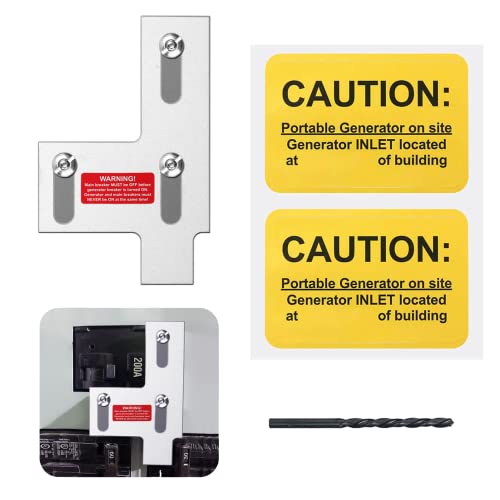
Hooking a generator straight into a home panel without safety hardware is dangerous, and against electrical code in most jurisdictions. The Natupal Generator Interlock Kit solves this for homeowners with a Siemens or Murray 200-amp panel by mechanically preventing the main breaker and the generator breaker from being on at the same time. That single piece of metal and plastic is the difference between powering your house and back-feeding the utility grid, a scenario that can electrocute line workers.
For most homeowners, installation requires removing the panel cover, sliding the interlock plate into position, and confirming the 1 1/10 inch spacing between breakers matches. It’s not glamorous, but it turns a portable generator into a code-compliant backup system that insurance adjusters won’t flag. Owners commonly report that pairing an interlock with a portable generator gives most of the convenience of a transfer switch at a fraction of the cost.
What Pays Off
- Mechanical interlock prevents dangerous back-feeding to the grid
- Fits standard Siemens and Murray 200A panels, common in U.S. homes
- Costs far less than a full transfer switch installation
Honest Caveats
- Only works on specific panel brands and 200A configurations, measure before buying
- Installation requires the panel cover to come off, which may require a licensed electrician depending on local rules
Right Fit For
DIY-comfortable homeowners with a compatible Siemens or Murray panel who want safe generator hookup without an electrician visit.
Skip It When
Your panel brand isn’t listed or your breaker spacing doesn’t match, in which case a pre-built transfer switch is the cleaner path.
The DuroMax XP13000HX sits in that sweet spot where a portable generator can stand in for a stationary home standby unit. With 13,000 peak watts and a 500cc OHV engine, it covers central air conditioning, well pumps, electric ranges, and the usual household essentials at the same time. Dual-fuel capability means you can run it on gasoline for max output or propane for cleaner, longer-lasting storage.
For most larger households, the practical appeal is keeping the central AC running through a summer outage without a 20kW standby installation. The fully loaded power panel includes a transfer-switch-ready outlet and multiple receptacle types for direct tool or appliance connection. Owners commonly report that the electric start and fuel selector switch make daily use far less of a chore than recoil-only competitors.
Standout Benefits
- 13,000 peak watts handles central AC, well pumps, and electric stoves simultaneously
- Dual-fuel design runs on gasoline or propane with a simple switchover
- Transfer-switch-ready outlet simplifies whole-home integration
- Electric start removes the pull-cord struggle during cold weather
Some Limits To Know
- Heavier and louder than inverter-based alternatives like the Honda EU3200i
- Propane output is lower than gasoline output, so wattage drops when switching fuels
- Conventional open-frame design requires outdoor placement for exhaust safety
Core Details
Whose Shelf It Belongs On
Homeowners with central air conditioning and electric appliances who want one portable unit that covers it all.
Look Elsewhere When
You camp or tailgate and need whisper-quiet inverter power, where the Honda EU3200i fits much better.
The Honda EU3200i is what you buy when quietness and clean power matter more than raw wattage. Its inverter technology produces stable electricity safe for laptops, medical equipment, and modern appliances with sensitive circuit boards. At 3,200 watts, it can run a fridge, a TV, and some lights, enough for an apartment, an RV, or a tailgate party without disturbing the neighbors.
The CO-MINDER system monitors carbon monoxide and shuts the engine down if levels climb, a real safety net for anyone running a generator near a garage or camper. Front-panel LED indicators give a quick glance at fuel level, eco-throttle mode, and output status without guesswork. For most users, the honest read is that Honda’s reputation for reliability justifies the price premium over open-frame generators of similar wattage.
Noteworthy Benefits
- Inverter technology produces clean, stable power safe for sensitive electronics
- CO-MINDER auto-shutoff adds a critical safety layer in enclosed spaces
- Eco-throttle adjusts engine speed to match load, reducing fuel use and noise
Points To Note
- 3,200 watts won’t back up central air or an electric dryer
- Premium price tag compared to open-frame alternatives at similar wattage
Made For
RV owners, tailgaters, and homeowners with sensitive electronics who value quiet, clean power over maximum output.
Not Your Match When
You need to power a central AC system, where the DuroMax XP13000HX is the obvious step up.
The DuroMax XP11500EH splits the difference between compact inverter units and full-size whole-home beasts. With 11,500 starting watts and 9,000 running watts on gasoline, it covers a fridge, freezer, sump pump, and several household circuits at once, more than enough for most mid-size homes. The dual-fuel design swaps between gasoline and propane with a turn of a dial.
The 457cc OHV engine is the same proven platform DuroMax uses in its larger models, and the low-oil shutoff protects the investment when maintenance slips. For most users, the appeal is RV-readiness, transfer-switch compatibility, and 50-state approval without jumping to the 13kW price tier. Owners commonly report that this size hits the sweet spot for families who want real backup power without the storage footprint of a 250-pound unit.
The Case For It
- 11,500 starting watts handles heavy-load startup surges from motors and compressors
- Dual-fuel flexibility between gasoline and propane for storage and runtime
- Low-oil shutoff protects the engine from accidental damage
- 50-state approved, so it meets emissions rules in California and beyond
Potential Compromises
- Open-frame design runs louder than inverter units like the Honda EU3200i
- Heavier than compact inverter options, requires a solid storage spot
Perfect Match For
Mid-size families and RV owners who want strong backup power without stepping into the largest 13kW class.
A Better Fit Elsewhere
Off-grid preppers worried about EMP events should look at the Faraday Defense T.R.A.P.-AC as a complementary protection layer.
The Faraday Defense T.R.A.P.-AC isn’t a generator, it’s a guardian for one. It plugs into the three-prong AC outlet of an inverter or portable generator and absorbs very fast electrical transients, those microsecond spikes that come from nearby lightning strikes, solar flares, or electromagnetic pulse events. The internal 5,000-watt suppression component is what does the heavy lifting, shunting dangerous energy away from sensitive electronics downstream.
For most preppers and off-grid users, the appeal is layered: a generator that survives a close lightning hit is one you can count on in the next storm. The compact size means it tucks into a generator pouch or a glove box without taking up meaningful space. Owners commonly report that adding this kind of surge protection is the kind of upgrade that pays for itself the first time a freak storm rolls through.
The Value In It
- Protects generators from fast transients caused by lightning, solar flares, and EMP events
- Plugs directly into the AC receptacle with no tools required
- 5,000-watt suppression capacity handles the output of most portable generators
Things To Consider
- Single-purpose device that only protects against surge and transient events, not fuel or mechanical failure
- Effectiveness against a high-altitude nuclear EMP remains a debated technical claim
Who Should Grab It
Off-grid households and storm-prone homeowners who already own a portable generator and want to extend its survivability.
Another Choice May Suit
If you need a generator itself rather than an add-on, the Westinghouse WGen9500TFc is the more complete starting point.
The DuroMax XP13000E is the brute-force option for homeowners who already have a gasoline supply chain dialed in and want maximum output without dual-fuel complexity. With 13,000 peak watts and 10,500 running watts from a 500cc OHV engine, it powers central air, well pumps, and electric ranges at the same time. The fully loaded power panel includes multiple outlet types, a transfer-switch-ready receptacle, and electric start.
For most large-household users, the trade-off is honest: more power and a simpler fuel system, but no propane option for shelf-stable storage. The electric start and idle control help with everyday usability, and the all-metal frame is built for years of outdoor storage. Owners commonly report that running it on gasoline delivers slightly higher output than propane-based alternatives at this size, which matters for whole-home startup surges.
The Good Stuff
- 13,000 peak watts covers central AC, well pumps, and large appliances simultaneously
- Transfer-switch-ready outlet enables whole-home integration
- Gasoline-only design delivers slightly higher output than dual-fuel counterparts
Points To Keep In Mind
- Gasoline-only, no propane or natural gas option for alternative fuel storage
- Open-frame design runs louder than inverter units like the Honda EU3200i
Quick Technical Notes
Best Suited To
Large households with reliable gasoline access who want maximum wattage in a portable package.
Where Another Pick Suits Better
If propane or natural gas flexibility matters, the DuroMax XP13000HX is the closely related dual-fuel sibling to consider.
Choosing Home Emergency Generators That Match Your Outage Reality
Match Wattage To What You Actually Need
Start by listing the appliances you can’t live without during a multi-day outage: fridge, freezer, sump pump, well pump, furnace blower, internet router, phone chargers. Add up their running watts and startup surge watts (motors briefly draw 2-3x their listed wattage when spinning up). A household running central air needs far more headroom than one backing up a fridge and a lamp. Most mid-size homes land in the 7,000-10,000 running watt range, while whole-home coverage with central AC pushes you toward 10,000+.
Inverter Vs. Conventional: Why It Matters
Conventional generators are cheaper and push more raw wattage, but they run louder and produce choppier power. Inverter generators, like the Honda EU3200i, use electronic processing to smooth the output, which makes them safe for sensitive electronics such as laptops, CPAP machines, and modern refrigerators with variable-speed compressors. If your home runs on gas and you need whole-home coverage, conventional wins on price-per-watt. If you camp, tailgate, or need a unit that won’t wake the neighbors, inverter is worth the premium.
Fuel Choice And Storage Reality
Gasoline is everywhere but degrades in months without stabilizer and can be hard to find right after a hurricane. Propane stores indefinitely and burns cleaner, but a 20-pound tank only powers a mid-size generator for a handful of hours. Natural gas ties you to a household gas line, which is great if you have one but useless off-grid. Tri-fuel and dual-fuel units like the Westinghouse WGen9500TFc and DuroMax XP13000HX trade some simplicity for flexibility, a worthwhile trade during long regional outages.
Transfer Switches, Interlocks, And Hookup Safety
A generator that’s not properly connected to your home is either limited to extension cords or dangerous to back-feed the grid. A transfer switch is the cleanest solution, but it costs more and may need an electrician. An interlock kit, like the Natupal kit for Siemens and Murray panels, offers code-compliant safety for DIY-comfortable homeowners at a lower price. Either way, never run a generator indoors and never back-feed through a dryer outlet without a listed interlock or transfer device.
Key Considerations Across These Picks
Pitfalls Worth Dodging
Buying a generator based on peak wattage alone is the most common mistake, because the running wattage is what actually powers your house day to day. People also tend to underestimate noise. A loud open-frame unit running at night will strain relationships with neighbors and family. Finally, skipping the proper hookup hardware is dangerous and may violate local code, so budget for an interlock kit or transfer switch alongside the generator itself.
Why The Top Tier Costs More
Premium models like the Honda EU3200i cost more because inverter electronics, CO auto-shutoff, and tighter engine tolerances add genuine engineering. The higher price pays back in cleaner power, longer lifespan, and lower noise. Whole-home units like the DuroMax XP13000HX command more because larger displacement engines, dual-fuel plumbing, and transfer-switch-ready panels are expensive to build well. The honest read is that the upgrade is worth it if you actually need the extra capability, but overspec’ing a 13kW unit for a studio apartment wastes money and storage space.
Frequently Asked Questions
How Big Of A Generator Do I Need For My House?
List the appliances you want to run at the same time, add up their running watts, and then add 20-30% headroom for startup surges. Most homes running essentials only need 5,000-7,500 running watts, while whole-home coverage with central air pushes you past 10,000.
Are Inverter Generators Worth The Extra Cost?
Inverter models cost more but run quieter, use less fuel at partial load, and produce clean power safe for sensitive electronics. If you camp, tailgate, or need a unit near living spaces, the upgrade pays for itself in comfort and protection.
Can I Run A Generator In The Rain?
Most portable generators are not waterproof, and running them wet risks electrical shorts and electrocution. A purpose-built generator tent or a covered, ventilated spot like a shed with open doors works, but never enclose a running generator indoors due to carbon monoxide risk.
How Often Should I Run My Generator?
Running a stored generator for 10-15 minutes every month or two keeps the engine lubricated, charges the battery, and helps you catch small problems before an emergency. For battery-based power stations like the ZeroKor, recharge every two weeks to preserve battery health.
What’s The Difference Between Dual-Fuel And Tri-Fuel?
Dual-fuel generators run on two fuel types, usually gasoline and propane. Tri-fuel adds natural gas, which is useful if you have a household gas line but adds a third hose and connection point. The choice depends on which fuels you can realistically store or access during a regional outage.
Wrap Up
The right home emergency generator is the one that matches your home’s wattage needs, your fuel storage reality, and your tolerance for noise. A studio apartment running a router and a lamp has very different requirements than a four-bedroom house with central air, and the nine options above cover that full spectrum. Read through the specs, match them to your outage scenario, and choose the unit that fits your specific situation rather than the biggest one on the page.