

A real outage has a way of sorting your priorities fast. The fridge starts thawing, the sump pump goes quiet, and suddenly you are standing in the garage weighing a generator against a string of extension cords. This list focuses on gas home generators (and a few accessories that make them easier to live with) so you can match the right pick to your square footage, your fuel access, and your tolerance for noise.
The Leading Options At A Glance
The Leading Options At A Glance

Westinghouse WGen9500TFc Tri-Fuel Portable Generator

Grenergy EU2000i Tri-Fuel Conversion Kit

Grenergy EU3000is Tri-Fuel Conversion Kit

King Canada K-X7500 Home Connection Kit

DuroMax XP13000HX Dual Fuel Portable Generator

DuroMax XP12000E Gas Portable Generator
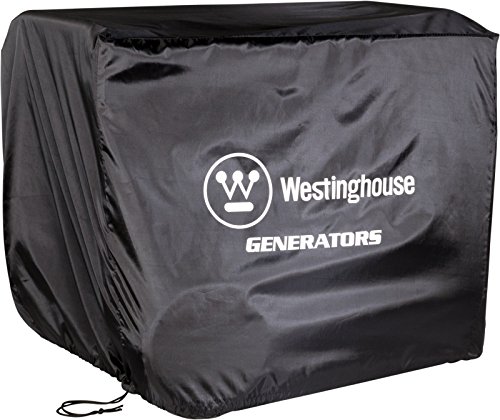
Westinghouse WGen Universal Generator Cover
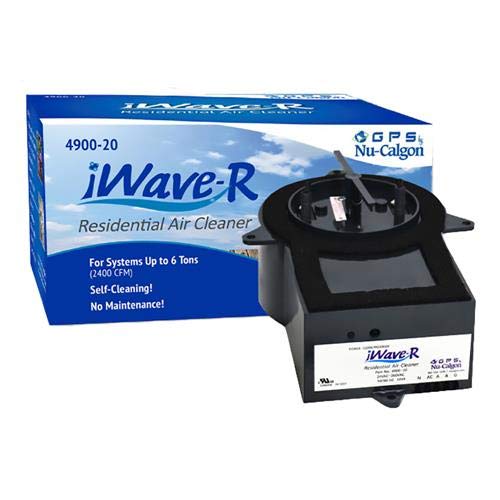
iWave-R Residential IAQ Ion Generator

Champion 8500W Dual Fuel Inverter Generator

Champion 5000W Tri-Fuel RV Ready Generator
A Closer Look At Each Pick
The Westinghouse WGen9500TFc earns its slot at the top because it gives you options when options matter most. Tri-fuel means you can run it on gasoline, propane, or natural gas, so a fuel shortage during a multi-day outage does not leave you in the dark. A 457cc OHV engine (an overhead-valve design that tends to run cooler and last longer than side-valve alternatives) drives a generous output ceiling, and the 6.6-gallon tank stretches run time into the 12-hour range depending on load.
For most households, this is the kind of unit you wheel out once, plug into a transfer switch, and forget about until the lights flicker. Remote electric start means no yanking a cord in the rain. The trade-off is size and weight; this is not a casual weekend item, and you will want a flat, ventilated spot for it to live.
Well-Handled Touches
- Tri-fuel capability covers gasoline, propane, and natural gas from one machine
- Transfer switch compatibility simplifies whole-home hookup
- Remote start saves you a trip outside in bad weather
- 12-hour run time on a full tank covers most overnight outages
- Cast iron cylinder sleeve adds long-term engine durability
Points To Keep In Mind
- Heavy frame, so you will want the wheel kit and a clear path to its parking spot
- Open-frame design means you need to plan for rain and snow protection
Key Product Details
Best Suited To
Homeowners who want one generator that can switch fuels mid-outage and power most essentials without babysitting.
Skip It When
You live in a small space or HOA that pushes you toward the quieter Champion 8500W Dual Fuel Inverter Generator instead.
Honda’s EU2000i is a cult favorite among campers, but its stock carburetor keeps it locked to gasoline. The Grenergy kit opens that up, adding propane and natural gas capability without modifying the factory carburetor. It arrives preset for propane, so the first fire-up is mostly a bolt-on job rather than a tuning exercise.
Where this kit earns its place is the smaller-form-factor crowd: tent campers, tailgaters, and anyone with an EU2000i who wants propane’s long shelf life. Owners commonly report that the switch between fuels becomes second nature once the hoses are routed. The honest caveat is that you only get the benefit if you already own (or are about to buy) a compatible Honda EU2000i.
Benefits That Matter
- Bolts on without permanent carburetor changes, so your EU2000i stays reversible
- Propane stores indefinitely, sidestepping stale gas headaches
- Preset for propane out of the box for quicker first start
Honest Caveats
- Only useful if your generator is a compatible Honda EU2000i model
- Routing the hoses neatly takes some patience on a small frame
Right Fit For
Honda EU2000i owners who camp often and want the freedom to run on propane or natural gas without giving up their inverter.
Another Choice May Suit
Owners of the larger EU3000i should look at the Grenergy EU3000is Tri-Fuel Conversion Kit, which is built around the bigger Honda frame.
Step up to the EU3000is and the wattage story changes enough to run a small fridge, some lights, and a few creature comforts at the same time. Grenergy’s no-drill kit uses a direct-replacement lower panel so the quick-disconnect port sits where the factory intended. Hoses and fittings ship in the box, so you are not chasing a parts store mid-project.
Compared to the EU2000i kit above, this one trades compactness for headroom. The design maintains the EU3000is’s full factory-rated output on propane, which is the part most people worry about. The catch is installation requires opening the side panel and working around the existing frame, so a basic mechanical comfort level helps.
Everyday Perks
- No-drill installation protects the generator’s factory case
- Full factory-rated power on propane, so you do not lose headroom
- All hoses and fittings included for a complete install
Things To Consider
- Compatible only with the Honda EU3000is model
- Panel swap is manageable but not a five-minute job for first-timers
Whose Shelf It Belongs On
Honda EU3000is owners who want propane and natural gas capability without drilling into the case or losing runtime power.
Not Your Match When
You need a whole-house solution; the Westinghouse WGen9500TFc covers that role much more comfortably.
Most generator horror stories start with a window or door cracked open to feed extension cords inside. The King Canada K-X7500 solves that with a clean through-the-wall pass-through: a 12-inch PVC sleeve routes the generator’s extension cord to a permanent indoor panel. You end up with six interior receptacles ready to power a fridge, lights, and a phone or two.
The appeal is permanence. Once installed, you do not run a mess of cords every outage. For anyone planning to keep a portable generator for years, this turns the setup from improvised to infrastructure. The honest read is that you are committing to a hole in your exterior wall, so placement matters and you may want a pro for the install.
A Strong Showing
- Replaces extension-cord chaos with a permanent indoor panel
- Six interior receptacles cover essentials at once
- Keeps windows and doors closed for better home security and weather sealing
Points To Note
- Requires cutting through an exterior wall, which may not suit renters
Feature Snapshot
Made For
Homeowners with a portable generator who want a tidy, code-friendlier way to feed power indoors during extended outages.
Look Elsewhere When
You are not ready to cut a wall opening; a simple heavy-duty outdoor extension cord setup may be the better interim step.
The XP13000HX sits in the territory where portable meets standby. A 500cc OHV engine and 13,000-watt ceiling mean you can run a central A/C system, a well pump, and a kitchen full of appliances at the same time. Dual-fuel (gasoline and propane) adds the same fuel-flexibility story the Westinghouse tri-fuel offers, just one fuel shorter.
Compared to the Westinghouse WGen9500TFc above, this trades a quieter profile and tri-fuel for raw output. For a large home with central air, that trade is usually worth it. The honest note: at this size, you are firmly in “wheel it out, plug it in, leave it” territory, and storage space is part of the ownership reality.
The Helpful Details
- 13,000-watt output covers central A/C and most large appliances
- Transfer switch ready for whole-home integration
- Electric start takes the manual crank out of the equation
- RV-ready outlet adds versatility beyond home backup
Trade-Offs To Consider
- Large footprint requires a dedicated storage spot
- Higher output means higher fuel use under heavy load
- No natural gas option, unlike the Westinghouse above
Core Details
Who It Suits Best
Homeowners with larger square footage, central air, and a transfer switch setup who need genuine whole-house power from a portable unit.
Where Another Pick Suits Better
Suburban users who care more about noise than capacity should consider the Champion 8500W Dual Fuel Inverter Generator instead.
The XP12000E is the gasoline-only cousin of the XP13000HX, and it leans into a more traditional workhorse role. 12,000 watts of output covers most home essentials, and the electric start means you are not playing tug-of-war with a recoil cord. It is 50-state approved, which matters if you live in California and want a gas-only portable that still meets CARB rules.
This is the pick to look at when you do not need propane flexibility but do want the same portable-but-powerful footprint. Job sites, RV pads, and homes without natural gas lines are natural fits. Owners commonly report that the unit’s weight is the main real-world trade-off, so plan for a dolly or a permanent spot.
Features That Help
- 12,000-watt output covers most home essentials and tools
- Electric start for easier operation
- 50-state approved for use in emissions-regulated regions
- RV-ready outlets add campsite versatility
Room For Improvement
- Gasoline-only, so no propane or natural gas backup option
- Substantial weight, so you will want wheel assistance
Perfect Match For
Homeowners or contractors who want a gas-only workhorse that can move between the house, the jobsite, and the RV pad without compromise.
Where A Sibling Pick Shines
Shoppers who want fuel flexibility should step up to the DuroMax XP13000HX for its dual-fuel capability.
Buying a generator is the easy part; storing it well is what keeps it ready. The Westinghouse WGen cover wraps your open-frame unit in a layer of durable synthetic polyester (a tough, water-resistant fabric that shrugs off UV and mildew). The drawstring pulls tight to keep wind, rain, and dust from working into the control panel and outlets.
For owners who park the generator outdoors between uses, this is the kind of small accessory that prevents a slow-motion rust problem. The cover fits Westinghouse WGen models from 2000 up through 9500 running watts, and the open-frame designs of similar brands tend to fit as well. The catch is that it is sized for open-frame units, so fully enclosed inverter styles need a different cover.
The Practical Payoff
- Protects against dust, moisture, and UV damage between uses
- Drawstring keeps the cover secure in windy spots
- Compatible with a long list of Westinghouse WGen portable models
Small Limitations
- Designed for open-frame generators, not enclosed inverter models
- Fits up to 9500 rated watts, so larger units may need a bigger cover
Who Should Grab It
Anyone storing a mid-size open-frame generator outdoors who wants to slow down weather wear between uses.
Reach For A Different Pick When
You have an enclosed inverter generator; the Champion 8500W Dual Fuel Inverter will need a different cover solution.
The iWave-R is the odd one out in this list, and that is on purpose. It is not a gas generator at all. It is a duct-mounted ion generator (a small device installed in your HVAC ductwork that releases charged particles to reduce airborne contaminants) for residential HVAC systems. Including it here serves a different point: when the power is out and you finally fire up a portable, the air inside has often been sitting stale for hours.
That said, the iWave-R is a long-term indoor air upgrade, not an emergency product. Pair it with a ducted system and you get ongoing air quality support year-round, generator or not. You will need an HVAC tech or a confident DIYer to install it in the duct, and the unit runs on standard residential power (a standard 260V-class residential circuit).
Positive Points
- Duct-mounted design integrates cleanly into existing HVAC systems
- Compact form factor fits most residential ductwork layouts
- Residential-focused build for whole-home indoor air
Factors To Consider
- Requires installation inside HVAC ductwork, not a plug-and-play device
- Not a power source; this is a companion upgrade for your home system
Built With In Mind
Homeowners already investing in their HVAC system who want a hands-off way to address indoor air quality around the clock.
Swap It Out When
You came here strictly for emergency power; the Westinghouse WGen9500TFc is the proper starting point for that conversation.
Inverter generators (which produce clean, stable power safe for sensitive electronics like laptops and TVs) trade raw volume for cleaner output and quieter operation, and the Champion 8500W is a strong example. At 61 dBA, it sits well below the open-frame roar you get from a traditional portable. The dual-fuel design runs on gasoline or propane, and the CO Shield auto-shutoff adds a layer of safety in tight spaces.
Compared to the DuroMax XP13000HX above, this trades headroom for a footprint your neighbors will not complain about. RV owners, suburbanites with closer property lines, and campers who want stable power for sensitive electronics will find a lot to like here. Run time lands around 14 hours on gasoline, so an overnight stretch is realistic.
Strengths Worth Knowing
- Inverter clean power safe for laptops, TVs, and other sensitive gear
- 61 dBA operation is much easier on the ears than open-frame units
- CO Shield auto-shutoff adds a real safety layer
- Up to 14-hour run time on gasoline covers overnight use
Worth Bearing In Mind
- 8500 watts is generous but not whole-home central-A/C territory
- Higher cost per watt than traditional open-frame models
Quick Facts
Who It Suits Best
Suburban homeowners, RV travelers, and tailgaters who want clean power without the open-frame noise level.
A Better Fit Elsewhere
Anyone who needs to run central A/C and the whole house at once should look at the DuroMax XP13000HX instead.
Champion rounds out the list with the smallest tri-fuel option here, and for smaller homes, cabins, and RV pads it covers the right bases. Natural gas and propane hoses ship in the box, so switching fuels is a hose swap rather than a parts run. The 224cc engine keeps the package lighter than the bigger Champion and DuroMax units.
Output lands at 5000 starting watts on gasoline, with 4000 running watts, 4500 starting on propane, and 4050 starting on natural gas. That is enough for a fridge, some lights, a phone charger, and maybe a window A/C unit, but it will not run a whole house. The included CO sensor (an LED indicator that flags unsafe carbon monoxide levels and triggers shutoff) is a real plus for indoor-adjacent setups like a travel trailer.
Where It Helps
- Tri-fuel capability with natural gas and propane hoses included
- Compact, lighter frame compared to the larger Champion and DuroMax units
- UL-recognized CO sensor with LED indicator and auto-shutoff
- Tracks voltage, frequency, and run time on the onboard display
Some Limits To Know
- 5000-watt ceiling means it is not a whole-house solution
- Lower output per fuel compared to mid-size tri-fuel picks
Feature Rundown
Right Fit For
RV owners, cabin dwellers, and smaller households who want tri-fuel flexibility in a manageable size and weight.
Consider Something Else When
You need to back up a full-size house with central air; the Westinghouse WGen9500TFc fills that role much more convincingly.
Sizing Up The Right Generator For Your Home
Start with the load, not the brand. Walk through your house and list the items you cannot live without during an outage: fridge, freezer, well pump, furnace blower, medical devices, internet router, a few lights. Add up their running watts (the power they need to keep running) and their starting watts (the extra surge needed to kick on motors and compressors). Your generator’s running rating should cover the first number with comfortable headroom, and its peak rating should cover the second.
Fuel type shapes the daily experience more than people expect. Gasoline is easy to find but goes stale in storage and burns through fast under heavy load. Propane stores indefinitely and burns cleaner, but you need a tank and refill plan. Natural gas is the most hands-off option, but only if your home already has a gas line and you buy a tri-fuel or natural-gas-compatible unit like the Westinghouse WGen9500TFc or the Champion 5000W tri-fuel.
Noise and placement matter more than spec sheets suggest. Open-frame generators in the 70 to 80 dBA range are loud enough to draw neighbor complaints in close quarters. Inverter models like the Champion 8500W run closer to 60 dBA, which is a noticeable difference at the property line. You also need a flat, ventilated spot at least a few feet from the house, which is where accessories like the Westinghouse WGen cover and the King Canada K-X7500 pass-through start to earn their keep.
Finally, think about installation before you buy. A transfer switch (a dedicated panel that lets you safely switch your home between utility power and generator power) is the safe way to power hardwired circuits like a furnace or well pump, and many of these models are transfer-switch ready. If you plan to add one, confirm the amperage match and have an electrician handle the wiring rather than improvising with interlock kits or backfeeding.
Key Considerations Across These Picks
Pitfalls Shoppers Hit
The most common mistake is buying by peak wattage alone. Peak numbers look great on a spec sheet, but they only describe a brief surge during motor startup; what keeps the lights on is the running wattage. A close second is underestimating fuel logistics. A 13,000-watt unit sounds great until you realize it eats through a 6.6-gallon tank much faster than a smaller generator would, and propane tanks do not refill themselves.
When Paying More Pays Off
Spending more on a generator usually buys you one of three things: more running watts for whole-home loads, fuel flexibility (tri-fuel capability in particular), or inverter-grade clean power for sensitive electronics. The DuroMax XP13000HX costs more because it covers whole-house loads. The Champion 8500W costs more because it adds inverter quietness and clean power. The Westinghouse WGen9500TFc costs more because it covers all three fuel types in one box. The right upgrade depends on which of those gaps actually matters in your home.
Frequently Asked Questions
How do I know what size gas generator my home needs?
List the appliances and systems you want to run during an outage, then add up their running watts and starting watts. Your generator’s running rating should match the running total with some headroom, and its peak rating should cover the highest starting surge. Most small homes land in the 5,000 to 9,500 running watt range; whole-house central A/C usually pushes you past 10,000.
Is tri-fuel better than dual-fuel for home backup?
Tri-fuel gives you a third option (natural gas) that is helpful if your home already has a gas line, because you can run indefinitely without refueling. Dual-fuel still gives you gasoline and propane, which covers most outage scenarios. If natural gas is available at your home, tri-fuel is the more flexible choice.
Can I run a gas generator in the rain?
Most open-frame generators should not run in direct rain, since water can damage the electrical panel and outlets. The safe approach is a covered, ventilated spot or a generator tent designed for the purpose. Inverter models with sealed enclosures handle weather better but still need airflow.
How often should I run a gas generator I am storing?
Most manufacturers recommend running a stored generator every few months for 20 to 30 minutes to keep the engine lubricated, the fuel system clean, and the battery charged. Add fuel stabilizer (a chemical additive that slows gasoline degradation) if you are storing gasoline for longer stretches.
Do I need a transfer switch to use a portable generator?
For plugging items directly into the generator with extension cords, no transfer switch is required. For powering hardwired circuits like a furnace, well pump, or home sub-panel, a transfer switch (or a code-compliant interlock kit) is the safe and legal way to do it. Backfeeding through a dryer outlet is dangerous and not allowed.
Final Verdict
The right gas home generator depends on the size of your house, the fuel you can keep on hand, and how loud your neighbors will tolerate you being. The Westinghouse WGen9500TFc is the most flexible all-rounder for whole-home backup, the DuroMax XP13000HX is the right call for larger homes that need to run central A/C, and the Champion 8500W Inverter is the friendlier pick for suburban noise levels. Match the unit to your real load, plan your fuel before the storm, and you will not regret the investment when the lights go out.




