

Drafty rooms don’t always need a full remodel. Sometimes the smartest fix is the simplest one, like sealing the gap under a door or hanging a radiant barrier across a sun-baked garage wall. These eight picks cover the most common ways you can tighten your home’s envelope, from reflective rolls for attics to foam tape for window sash and expanding spray kits for the awkward gaps nobody else reaches. The list mixes pro-grade materials with weekend-project gear, so you can match the right product to the right job without overbuying.
A Quick View Of The Lineup
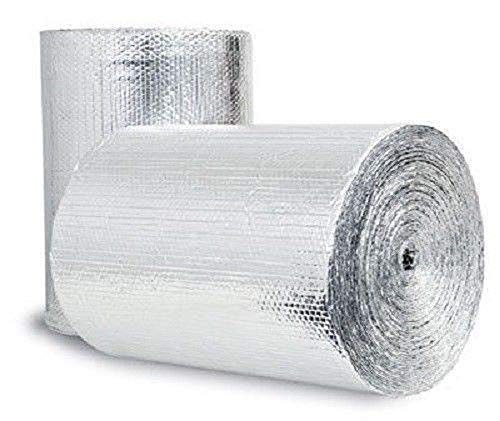
US Energy Products Double Sided Reflective Heat Radiant Barrier Aluminum Foil Insulation (24″ x 100′)

Reflectix Reflective Radiant Barrier Insulation Roll 24″ x 10′

Alien Draft Seal Insulation Tape 49 Feet Transparent Silicone

Self Adhesive Foam Tape 1/2in x 1/8in x 66Ft
Kikerike Self Adhesive Foam Tape 1/2in x 1/4in x 42Ft

Self Adhesive Foam Tape 1/4in x 1/8in x 66Ft

Self Adhesive Foam Tape 1/2in x 3/8in x 16.5Ft

Magic Chems Spray Foam Insulation Kit, 18 Pack
More Details On Our Top Picks
Big jobs need big rolls, and this one comes in at 24 inches by 100 feet, which covers a generous chunk of attic, garage wall, or HVAC ductwork. The double-sided foil design with R8-rated poly-air layers is built to bounce radiant heat in both directions, so it helps in summer and winter. For homeowners tackling a full-room upgrade rather than a quick patch, the coverage area is hard to beat at this scale.
Compared to the smaller Reflectix roll covered next, this option trades portability for raw surface area. If your project involves long, uninterrupted runs rather than window-sized patches, the size advantage pays off quickly.
What Works In Its Favor
- Generous 24″ x 100′ roll reduces the number of seams in larger projects.
- Double-sided foil reflects radiant heat in both directions for year-round use.
- R8-rated construction adds a meaningful thermal layer behind walls or ducts.
- Flexible enough to wrap around air ducts, water heaters, and odd angles.
Points To Keep In Mind
- Cutting and fitting a 100-foot roll takes planning, a sharp utility blade, and a helper for long spans.
- Aluminum foil surfaces require careful handling during install to avoid tears at corners.
At A Glance
Built With In Mind
Homeowners and DIYers covering an entire wall, attic bay, or a run of HVAC ductwork who want one roll to do most of the job.
Reach For A Different Pick When
Pick the Reflectix roll if you only need a small 24″ x 10′ patch for a garage door panel or a single window instead.
This is the manageable sibling of the larger US Energy Products roll, sized at 24″ x 10′ so a single person can cut, position, and staple it without a helper. The double bubble foil sandwich is designed to reflect up to 97% of radiant heat, with bonded polyethylene layers adding tear strength. For targeted jobs like a hot garage door, a west-facing window insert, or a small section of attic, the size hits a sweet spot.
Where the previous roll is about scale, this one is about precision. You can trim pieces for specific spots without wasting material or wrestling an oversized sheet around furniture.
Strong Points
- Reflects up to 97% of radiant heat for noticeable summer comfort gains.
- Double bubble foil plus polyethylene layers hold up to handling during install.
- Compact 24″ x 10′ size is friendly for solo projects and small spaces.
- Easy to cut and shape with basic household tools.
- Works across windows, garage doors, and small wall sections.
Things To Consider
- Limited length means more seams on large projects, which can reduce overall performance.
- Foil surface requires staples or compatible adhesive for a secure mount.
Quick Facts
Right Fit For
Homeowners tackling a single garage door, window, or small attic patch who want pro-style reflective performance without buying a 100-foot roll.
Consider Something Else When
Choose the US Energy Products 100′ roll if you need continuous coverage across a whole wall or a long duct run.
Most weatherstripping shouts for attention, but this clear silicone tape practically disappears once it goes on. The pack delivers 49 feet of seal across three rolls, enough to handle multiple door bottoms and window frames in one go. The flexible silicone conforms to uneven gaps, and the moisture-resistant adhesive is built to stay put through humidity and splashes.
Renters and finish-conscious homeowners will appreciate that the tape doesn’t yellow, doesn’t peel paint, and leaves almost no visible trace. The trade-off is that it’s a perimeter solution, not a whole-wall one, so it pairs well with other picks on this list.
Positive Points
- Transparent finish blends into light-colored and dark frames alike.
- Moisture-proof adhesive holds up in kitchens, baths, and exterior doors.
- 49 total feet covers several doors and windows from a single pack.
- Flexible silicone compresses to fill irregular gaps older homes tend to have.
Honest Caveats
- Surface prep matters: dusty or oily frames can shorten adhesive life, so a quick wipe-down before install helps.
- Not a substitute for the foam tape options below in deep-gap scenarios.
Made For
Renters, apartment dwellers, and anyone who wants a near-invisible draft seal around doors and windows without committing to permanent modifications.
Look Elsewhere When
Pick the Kikerike 1/2in x 1/4in foam tape if your gap is wide enough that a thin silicone strip won’t fill it.
This foam tape keeps things simple: a 1/2-inch-wide strip at 1/8-inch thick, running 66 feet, which is enough to seal multiple doors and a row of windows. The high-density foam compresses cleanly when the door or sash closes, and the adhesive backing is strong enough to grip painted wood, metal, and vinyl. The slim 1/8-inch profile works well on tight-fitting doors that can’t tolerate much extra bulk.
Compared to the deeper 1/4-inch and 3/8-inch Kikerike options covered below, this one wins on length and subtlety. The honest read is that it suits standard, well-aligned doors best, and you’ll want a thicker tape for older frames with visible warping.
What It Does Well
- 66-foot total length handles whole-house coverage from one purchase.
- Slim 1/8-inch thickness fits tight-closing doors without forcing them open.
- High-density foam bounces back after repeated compressions.
- Cuts easily with scissors for precise, custom-length pieces.
Points To Note
- Won’t fill gaps wider than roughly 1/8 inch, so warped frames may need a thicker alternative.
- Adhesive performance drops on greasy or flaking surfaces, which are worth sanding clean first.
Feature Snapshot
Best Suited To
Homeowners with newer or well-aligned doors and windows who want a long-lasting, low-profile seal across multiple openings.
Swap It Out When
Choose the Kikerike 1/2in x 3/8in foam tape if your doors have wider, more visible gaps that this slim strip can’t bridge.
Stepping up in thickness, this 1/4-inch foam tape fills the kind of mid-sized gaps that show up in older homes and slightly warped door frames. At 42 feet total, it’s shorter than the 1/8-inch option above, but the extra cushion is what you trade for. The strong adhesive grid backing spreads pressure evenly, which helps the strip stay put through seasonal expansion and contraction.
For soundproofing a home office or quieting a hallway door, the thicker foam adds a little acoustic benefit on top of the draft blocking. You may find that this tape is the right call for problem doors where the slimmer 1/8-inch version left cold air sneaking through.
Features That Help
- 1/4-inch thickness bridges mid-sized gaps the slimmer tapes can’t reach.
- High-density foam recovers well after daily door use.
- Grid adhesive pattern spreads grip across the full strip width.
- Doubles as light sound dampening for interior doors.
Worth Noting
- The added thickness can interfere with very tight-fitting storm doors, so test the clearance first.
- 42-foot total length is shorter than the 1/8-inch Kikerike option, which matters for whole-house jobs.
Feature Card
Who Should Grab It
Homeowners with slightly uneven doors or windows who need more fill than a slim tape offers without jumping to a deep 3/8-inch seal.
Where Another Pick Suits Better
Choose the Kikerike 1/4in x 1/8in narrow strip if your window tracks are tight and a wider tape won’t fit the channel.
Sliding window tracks, narrow sash channels, and tight closet doors don’t have room for a full 1/2-inch strip. This 1/4-inch-wide tape solves that. The same 1/8-inch profile carries over from the wider version above, but the slimmer width lets it tuck into channels where bulkier foam just won’t sit. At 66 feet, you get plenty of length for an entire run of windows.
Where the 1/2-inch-wide tape above covers general door and window perimeters, this one is purpose-built for the spots a wider strip can’t reach. It’s the right call when channel depth, not gap size, is the limiting factor.
Practical Advantages
- 1/4-inch width slips into tight sash and slider channels.
- 66-foot length covers multiple windows without reordering.
- Same proven 1/8-inch foam profile as the wider version.
- Self-adhesive backing installs without nails or staples.
Possible Compromises
- Surface area is limited, so adhesion on dusty tracks can fail faster without proper cleaning.
- Not the right pick for sealing large, open gaps, where a thicker tape will outperform it.
Feature Rundown
Who Will Love This
Apartment dwellers and homeowners with sliding windows or narrow sash frames who need a slim, dependable seal that doesn’t crowd the track.
A Better Fit Elsewhere
Choose the Kikerike 1/2in x 1/8in foam tape if your windows can accommodate a wider strip and you want more adhesive contact per inch.
When the gap is the problem, reach for the thickest tape in this list. At 3/8 inch thick, this foam strip is built for old doors that have shifted over decades, basement window frames that no longer sit square, and any spot where daylight is visible around the seal. The trade-off is length: 16.5 feet is short, so this is a fix-the-worst-spot tape rather than a whole-house roll.
Where the slimmer Kikerike options above reward you for routine sealing, this one is purpose-built for the problem child in your home. For most homes, a single roll is enough to handle two or three stubborn trouble spots.
The Value In It
- 3/8-inch thickness fills the deeper gaps thinner tapes leave exposed.
- High-density foam compresses to seal uneven, warped frames.
- Strong adhesive holds firm on wood, metal, and painted surfaces.
- Ideal for problem doors and basement windows where drafts cluster.
Trade Offs
- Short 16.5-foot length limits it to targeted fixes, not whole-house coverage.
- Too thick for tight-fitting interior doors, so use it where clearance allows.
Key Product Details
Whose Shelf It Belongs On
Owners of older homes with visible daylight around door and window frames who need a thick, dependable seal for the worst drafts.
Skip It When
Pick the Alien Draft Seal silicone tape if you want a clear, low-profile finish on standard-sized gaps instead.
Foam tape and reflective rolls are great for surfaces, but they can’t reach inside a wall cavity or around a pipe penetration. This spray foam kit closes that gap, literally. The 18-pack of 25.4 oz cans gives you serious coverage, and the included applicator gun, nozzles, foam gun cleaner, and safety gear (coverall, goggles, gloves, mask) mean you can start a project the day the box arrives.
Where the rest of the list is about sealing surfaces, this is about filling voids. Expect a learning curve the first time you pull the trigger, and assume you’ll use the cleaner between cans to keep the gun from clogging. It’s overkill for one drafty window, but for a renovation or a workshop, the kit earns its keep.
What Stands Out
- Closed-cell spray foam seals gaps and reduces both air leaks and noise transfer.
- Full kit includes applicator gun, nozzles, cleaner, and safety gear.
- 18-can pack supports large renovation or workshop projects without reordering.
- Expanding formula reaches irregular cavities tape and rolls can’t access.
What To Weigh
- Spray foam is permanent once cured, so test fit and masking matter more than with tape.
- The kit is oversized for a single small draft; homeowners with minor fixes may never use all 18 cans.
Perfect Match For
Serious DIYers, garage builders, and homeowners running a renovation who need to fill larger cavities around pipes, framing, or rim joists.
Not Your Match When
Choose the Reflectix roll if you need a clean, removable surface treatment rather than a permanent expanding fill.
What To Match Between Your Home And The Pick
Picking insulation starts with the right diagnosis. Walk through your home on a windy day and hold a hand near each suspect spot, because knowing whether air is leaking around a window sash, through a wall cavity, or radiating heat off an attic ceiling changes the entire shopping list. Radiant barrier rolls handle the third problem, foam tape handles the first, and spray foam handles the second.
Material matters as much as size. Aluminum foil layers reflect radiant heat, which is why they help in attics and on garage doors exposed to direct sun. Foam tape compresses to stop drafts at moving surfaces like doors and windows. Spray foam expands to fill voids that other products can’t physically reach. Match the material to the problem and you’ll stop chasing symptoms.
R-value is a helpful number but not the only one. R-value (a measure of how well a material resists heat flow) tells you how much conductive heat a product resists, which matters most in walls and attics. For draft sealing and radiant heat, the more important factors are compression recovery, adhesive strength, and gap coverage. Buying the highest R-value product won’t help if the gap it covers is half an inch wide and the product is a 1/8-inch strip.
Plan for the install, not just the product. Tape and roll products rarely need more than a utility knife and a tape measure. Spray foam needs a gun, cleaner, and proper safety gear, plus ventilation during application. Older homes with painted trim may need light sanding before any adhesive will stick, and a quick wipe with isopropyl alcohol removes oils that weaken bonds.
Where Shoppers Go Wrong And Where The Upgrade Pays
Common Shopping Slip Ups
The biggest mistake is buying the wrong shape for the gap. A 1/8-inch foam strip can’t fill a 3/8-inch gap, and a thick 3/8-inch strip will stop a tight door from latching. Measure the gap at its widest point before ordering, and pick the thickness that compresses to roughly half its height when the door closes.
The second slip is skipping surface prep. Adhesive-backed products stick best to clean, dry, smooth surfaces. A quick wipe with rubbing alcohol and a light scuff with fine sandpaper on glossy trim can double the lifespan of the bond, especially on kitchen and exterior doors exposed to moisture and temperature swings.
What The Higher Tier Buys
Premium kits like the Magic Chems spray foam option cost more because they bundle applicator hardware, multiple nozzle types, and safety equipment into one box. That bundle matters if you’re doing more than a small repair, because buying those accessories separately adds up fast. The cans themselves also tend to use closed-cell formulations (foam with sealed cells that resist moisture and air), which hold up better in humid and exterior applications than open-cell alternatives.
The upgrade also shows up in coverage. A 100-foot reflective roll covers roughly 200 square feet, while a smaller 24″ x 10′ roll covers about 20 square feet. For whole-room jobs, the larger roll means fewer seams, fewer staples, and a more consistent thermal envelope across the entire surface. The trade-off is handling and storage, so smaller rolls still win for apartments and one-off fixes.
Frequently Asked Questions
What is the easiest insulation to install in a home?
Self-adhesive foam tape is the easiest starting point, requiring only scissors and a clean surface. Spray foam kits and reflective rolls need more prep and tools but handle larger or more complex projects.
Where should insulation go first in a home?
Start at the drafts you can feel: door bottoms, window sashes, and any outlet on an exterior wall. Air sealing those spots often delivers faster comfort gains than adding insulation in unseen areas.
Can insulation help with noise as well as temperature?
Foam tape and closed-cell spray foam both add a small amount of sound dampening, especially around doors and where pipes penetrate walls. For serious noise control, dedicated acoustic products work better, but these help as a side benefit.
How long does weatherstripping tape typically last?
High-density foam and silicone tapes commonly last several seasons before the adhesive or foam needs refreshing. Surface prep and exposure to moisture and direct sun are the biggest factors in lifespan.
Do radiant barriers really make a difference in summer?
Reflective foil products can noticeably reduce heat gain in attics, garage doors, and west-facing walls by bouncing radiant energy away. The effect is strongest in hot, sunny climates where direct solar radiation is the main cooling load.
Wrap Up
The right insulation depends entirely on where the problem is and how permanent you want the fix to be. Foam tape covers the everyday door and window gaps, reflective rolls handle radiant heat in attics and garages, and spray foam fills the cavities nothing else can reach. Start with the drafts you can feel, match the material to the gap, and you can usually solve most comfort issues without a contractor.




