When tap water tastes off, when a stream runs alongside the trail, when a flight takes you somewhere unfamiliar, having a dependable bottle changes how you move through the day. You stop rationing sips and start planning around a reliable vessel instead. The picks below cover outdoor purifiers, ultralight straws for backpackers, and everyday bottle filters for commuters and desk workers, so you can match capacity and protection to your routine rather than the other way around.
The Picks In Brief

GRAYL GeoPress 24 oz Water Purifier & Filter Bottle (Olive Drab)

GRAYL UltraPress 16.9 oz Water Purifier & Filter Bottle (Forest Blue)
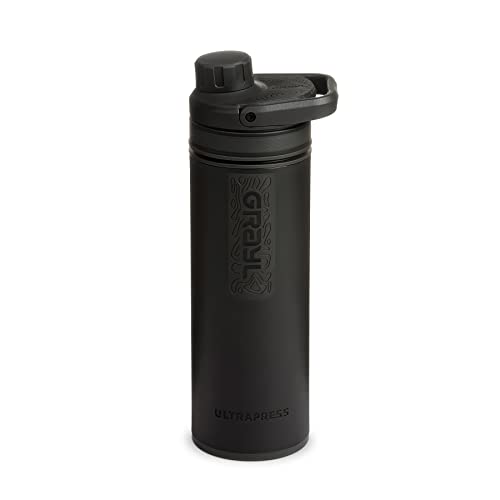
GRAYL UltraPress 16.9 oz Water Purifier & Filter Bottle (Covert Black)
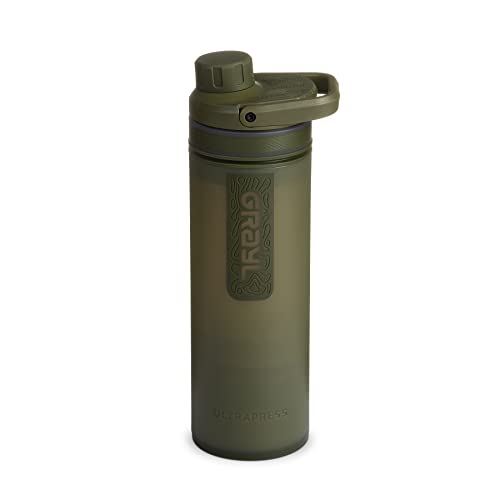
GRAYL UltraPress 16.9 oz Water Purifier & Filter Bottle (Olive Drab)

GRAYL UltraPress 16.9 oz Water Purifier & Filter Bottle (Mojave Redrock)
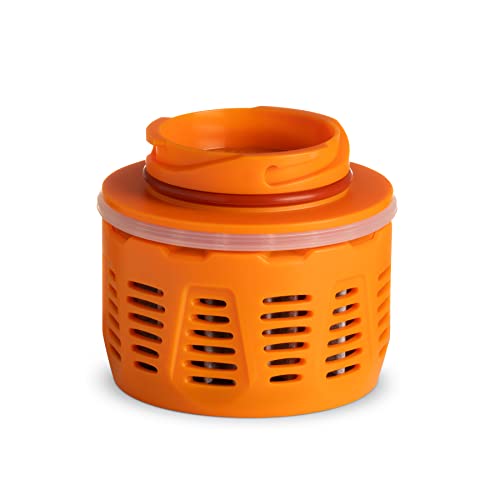
GRAYL GeoPress Replacement Filter & Purifier Cartridge
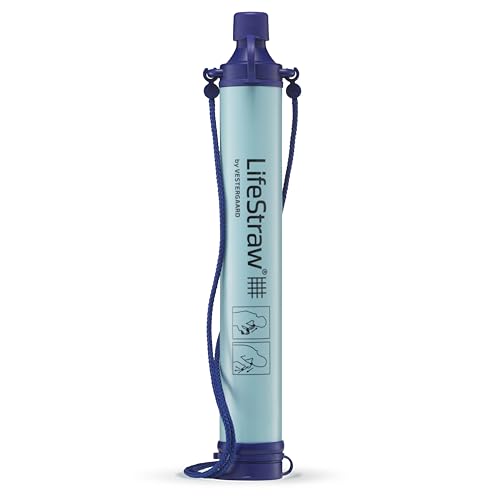
LifeStraw Personal Water Filter for Hiking, Travel, Emergency

LifeStraw Peak Series Personal Water Filter Straw

Brita Water Bottle Replacement Filters, 3-Pack
More On The Choices That Made The List
The GeoPress earns its place at the top for a reason: it pairs a real 24 oz capacity with a press-action cartridge that purifies in roughly the time it takes to seat a press. You fill the outer cup from a stream, drop in the cartridge, press, and the clean water collects in the inner vessel. That means group camps and family basecamps can rotate servings without babysitting a slow pump.
It targets the same freshwater scenarios as the UltraPress you’ll see below, but the larger cup is the meaningful difference. You may find the press requires some grip strength on a wet rock, especially at altitude where hands stiffen. Compared with a straw filter, the GeoPress trades sipping speed for the ability to fill a cooking pot or a friend’s bottle in one go.
The Case For It
- 24 oz capacity covers cooking water or multiple drinking servings per press cycle
- Press-action design works without pumping, hoses, or moving parts
- Olive Drab finish stays visually low-key around camp and gear piles
- Cartridge-based system makes long-term replacement straightforward
Things To Consider
- Heavier and bulkier than the UltraPress, so it’s less friendly for fastpacking
- Cartridges are consumable: factor replacement cost into total ownership
Who It Suits Best
Basecamp campers, family trip planners, and overlanders who need group-sized drinking water from natural sources without hauling a separate pump.
Look Elsewhere When
Long-distance thru-hikers chasing an ultralight pack should reach for the LifeStraw Peak Series instead, since every ounce matters on a multi-day push.
Shrink the GeoPress down to a 16.9 oz profile and you get the UltraPress, which slides into a daypack’s side pocket and rides along on planes without flagging at security the way a hollow hydration bladder sometimes does. Forest Blue reads as a friendly travel color rather than tactical gear.
The same fill-press-drink sequence applies, just with a smaller cup. You press directly on a flat surface to seat the cartridge. For most hotel rooms and hostel kitchens, the UltraPress is the right size to refill a glass or rinse produce without committing to a larger vessel. The trade-off shows up when several people want filtered water at the same time: you’ll be pressing in rounds.
Useful Strengths
- Smaller footprint fits a laptop bag, carry-on, or daypack bottle pocket
- Same press-based purification logic as the larger GeoPress
- Forest Blue finish looks at home in urban and travel settings
Worth Noting
- 16.9 oz per cycle means more presses when serving companions
- Not designed for saltwater or chemical contamination beyond standard freshwater pathogens
- Replacement cartridges add to ongoing cost, much like its siblings
Made For
Solo travelers, digital nomads, and day hikers who want purification without hauling camp-scale gear.
Skip It When
Group campers and base cooks should stay with the GRAYL GeoPress 24 oz in Olive Drab, which produces more clean water per press cycle.

The Peak White colorway of the GeoPress swaps the field-tone aesthetic for a clean alpine look that reads more like kitchen gear than trail equipment. Under the hood it’s the same 24 oz press-action purifier covered in the Olive Drab review above.
That mirror-image spec sheet matters here. Functionally, you’ll get the same pathogen protection and the same press feel; the difference is purely visual. If your bottle sits on a countertop next to a kettle and a French press rather than beside a tent, the lighter finish blends in better. It’s also easier to spot when a family member walks off with it at a crowded trailhead.
Features That Help
- 24 oz capacity matches the Olive Drab GeoPress in hydration volume
- Bright Peak White finish is easy to identify in shared gear piles
- Press-action purification produces clean water without pumping
- Cartridge swap routine transfers directly from other GeoPress bottles
Trade Offs
- White finish shows scuffs, mud splatter, and UV grime faster than darker shells
- Functionally identical to other GeoPress bottles, so color is the only real differentiator
Right Fit For
Style-conscious campers and car campers who want field-grade purification without the typical military-leaning look.
Reach For A Different Pick When
Backcountry users who don’t want to polish scuffs off a light finish should pick the GRAYL UltraPress in Covert Black, which disguises trail wear.
Covert Black is the Urban Armor edition of the UltraPress lineup: same 16.9 oz cup, same press-action purification, but a matte dark finish that disappears into a backpack or a briefcase. For commuters and office workers, that’s the point.
You press the cartridge on a desk or a low shelf rather than bending to the floor, which makes it convenient in an airport lounge or a hotel room. Compared with the larger GeoPress reviewed earlier, the UltraPress prioritizes a slimmer carry profile over group-volume capacity. Depending on your hydration needs, one press may serve a single person for a few hours.
Real Benefits
- Slender 16.9 oz profile rides comfortably in laptop bag sleeves
- Matte Covert Black finish resists visible scuffs during daily commutes
- One-press purification removes the learning curve of pump filters
- Compatible with the GeoPress replacement cartridge covered later
Points To Note
- Smaller capacity means pressing more often during heavy drinking days
- Dark finish can be hard to find if left on a low table in dim light
Best Suited To
Office commuters, business travelers, and urban residents who want purification tucked into an everyday carry without drawing attention.
Swap It Out When
Couples or small families needing more water per cycle should pick the GRAYL GeoPress 24 oz in Olive Drab instead for its larger cup volume.
The Olive Drab UltraPress covers the same ground as the Forest Blue and Covert Black versions, but the earth-tone finish is purpose-built for hunters, anglers, and bushcrafters who prefer their gear to blend with foliage rather than stand out on a stringer.
The 16.9 oz body is light enough to clip to a wader strap or stash in a hunting pack pocket. Like its siblings, it relies on the press-action cartridge system, so the routine is identical across the GRAYL family. You may find that fish-cleaning station splash and muddy banks leave less of a mark on this finish than on the lighter alternatives reviewed above.
What It Does Well
- Earth-tone Olive Drab shell camouflages against woodland and riverbank settings
- Press-action purification works on a tailgate, a rock, or a low log
- Same 16.9 oz capacity as other UltraPress models for predictable hydration planning
Honest Caveats
- Visually identical in function to the other UltraPress colorways
- Cartridge replacement remains an ongoing ownership expense
Who Will Love This
Backcountry anglers, duck hunters, and bushcraft practitioners who want field-grade water treatment in a low-visibility package.
Where Another Pick Suits Better
Travelers who want a finish that suits airport and hotel settings will prefer the GRAYL UltraPress in Forest Blue instead.
Mojave Redrock lands on the warm end of the UltraPress color spectrum, evoking sandstone canyons and high-desert sunrises. Underneath that warm-tone shell sits the same 16.9 oz press-action purifier that the other UltraPress bottles share.
That shared spec list means performance is identical across the UltraPress family. What Mojave Redrock adds is aesthetic character, useful if you want a bottle that photographs well against red rock, turquoise water, or a van-life kitchen. The trade-off is the same one shared with the other colorways: 16.9 oz per press and ongoing cartridge replacements.
What Helps Most
- Distinctive Mojave Redrock finish stands out from typical trail colorways
- Press-action purification removes the learning curve of pump-style filters
- 16.9 oz capacity fits standard side pockets on most daypacks
Things To Consider
- Functionally identical to other UltraPress color options beyond the finish
- Bold color may not suit minimalist or tactical gear setups
Perfect Match For
Desert travelers, van lifers, and overlanders who want a bottle that complements warm-toned landscapes and vehicle interiors.
Consider Something Else When
Minimalist hikers building a low-color kit should reach for the GRAYL UltraPress in Covert Black, which disappears into a pack.
This is the consumable heart of any GeoPress bottle: a Hi-Vis Orange replacement cartridge designed to drop into the same body you already own. If you’ve burned through a season of presses and your flow rate is starting to slow, this is the swap that brings a tired bottle back to spec.
It’s not a standalone product in the usual sense, since it requires a GeoPress or compatible GRAYL vessel to function. Think of it the same way you think of printer ink or water filter fridge cartridges. The Hi-Vis Orange housing makes it easy to spot in a gear bin or a kitchen drawer.
Practical Pluses
- Bright Hi-Vis Orange housing is hard to misplace in a crowded gear bag
- Drop-in replacement restores flow rate and purification performance on a GeoPress bottle
- Lets owners extend the working life of an existing bottle rather than replacing the whole kit
Trade-Offs To Consider
- Only compatible with GRAYL GeoPress-style vessels, so it’s a niche purchase
- Ongoing cartridge cost should be factored into the total ownership of a GeoPress system
The Right Fit
Current GRAYL GeoPress owners planning a season of camping or international travel who want fresh cartridges in advance.
Not Your Match When
Anyone shopping for their first bottle should start with the GRAYL GeoPress 24 oz in Olive Drab or Peak White, since a cartridge alone won’t filter anything on its own.
The original LifeStraw Personal filter isn’t a bottle in the traditional sense. It’s a hollow-fiber straw you drink through directly: sip from a stream into the mouthpiece, and the filter does the work. At roughly the weight of a granola bar, it sets the bar for ultralight backcountry hydration.
That minimalism is the whole appeal, and it’s also the limitation. You can’t fill a cooking pot or share a drink without an extra container, which is where the press-action bottles reviewed above pull ahead. As an emergency backup tucked into a glove box or a bug-out bag, though, the LifeStraw Personal earns its long-running reputation for simplicity.
A Few Strong Suits
- Ultralight straw design is easy to toss into any pack without measuring weight
- Drink-directly format requires no cups, presses, or moving parts
- Compact size fits glove compartments, emergency kits, and kid’s camp trunks
Room For Improvement
- Straw format means you can’t easily fill a separate bottle or cooking pot
- Requires the user to position their face near the water source, which feels awkward at larger rivers or muddy edges
Who Should Grab It
Thru-hikers, ultralight backpackers, and emergency-preparedness households who value pack weight over fill-and-share capability.
A Better Fit Elsewhere
Campers who want to fill a pot or share filtered water with companions should choose the GRAYL GeoPress 24 oz instead, which produces a cup of clean water per press.
The Peak Series is LifeStraw’s refresh of the classic straw design, with a reworked grip, updated materials, and a smoother flow path for easier sipping. It’s aimed at the same solo backcountry and emergency-preparedness crowd as the original LifeStraw, with a slightly more refined feel in the hand.
It still drinks directly from a water source, which keeps the format lean for fastpacking and emergency stashes. If you’ve used an older LifeStraw and felt the mouthpiece was too narrow or the flow too slow, the Peak updates those two pain points specifically. The bottle-shaped purifiers above still serve you better when group cooking water is the goal.
Real-World Strengths
- Updated grip texture improves handling with cold or wet fingers
- Smoother flow path reduces the sucking effort reported on older LifeStraw models
- Same ultralight straw format that made the original a backpacking staple
Less Ideal Details
- Still requires face-to-source drinking posture, awkward at deep or muddy water
- Straw format makes pot filling or sharing harder than press-action bottles
Key Specs
Built With In Mind
Solo backpackers and preppers who want a refreshed take on the classic LifeStraw straw format with better grip and flow.
Another Choice May Suit
Campers needing group-scale water for cooking should choose the GRAYL GeoPress 24 oz in Olive Drab, which produces a full cup per press cycle.
This is the replacement-filter 3-pack for Brita’s bottled-water lineup, using an activated carbon blend to reduce chlorine taste and odor in tap water. It’s aimed at desk workers, students, and apartment dwellers who already own a Brita bottle and want to keep it filtering.
Compared with the GRAYL and LifeStraw products above, Brita’s filters target taste and odor in municipal tap water rather than pathogens in raw freshwater. That makes them the right tool for daily office and dorm use, but the wrong tool for a stream or a questionable well. The 3-pack format keeps a steady rotation going so you rarely run out.
Bright Spots
- Activated carbon blend targets chlorine taste and odor in everyday tap water
- 3-pack format keeps a continuous rotation without constant repurchasing
- BPA-Free construction on the filter contact surfaces
- Slips into a Brita bottle with no tools or assembly steps
Things To Consider
- Designed for tap water, not raw streams or wells, so it’s a poor substitute for outdoor purifiers
- Requires a compatible Brita bottle to function, which is sold separately
- Replacement cadence means ongoing ownership cost
Whose Shelf It Belongs On
Brita bottle owners in tap-water settings who want a steady supply of fresh activated carbon filters for daily hydration.
Look Elsewhere When
Outdoor adventurers filtering stream water should pick the LifeStraw Peak Series instead, since Brita’s filters are tuned for municipal water rather than raw sources.
What Matters Most Before Choosing Water Filtration Bottles
Match The Bottle To The Water You’ll Drink
Before picking a vessel, identify the water you’ll actually pour into it. Tap water at home or in a hotel usually needs only taste and odor treatment, which an activated carbon bottle filter like the Brita replacement cartridges handles well. Streams, rivers, and wells call for true purification against bacteria, viruses, and protozoa, which is the territory of the GRAYL press-action bottles and the LifeStraw straws above. Picking the wrong category means you’ll either overpay for protection you don’t need or under-protect yourself in a sketchy source.
Capacity Versus Pack Space
Capacity is the second axis to weigh. The 24 oz GeoPress bottles deliver more drinking water per cycle, which matters when you’re cooking dinner for two or topping off a friend’s bottle. The 16.9 oz UltraPress and the straw-format LifeStraws trim bulk for fastpacking and emergency kits, but you’ll press or sip more often. For most day hikes, 16.9 oz hits a useful middle ground; for basecamps and overlanding, the larger GeoPress pays off.
Cartridges, Replacement, And Total Cost
Press-action purifiers run on replaceable cartridges, which means the upfront price is only part of the ownership math. Plan to keep a spare cartridge or two in your kit so a slow flow doesn’t strand you on day three. Straw filters typically have a fixed lifespan measured in liters, so track that budget against your expected use. Tap-water carbon filters like the Brita pack turn over fastest of all, which is exactly why the 3-pack exists.
Where You Use It Matters
Think about climate and water conditions too. Cold water is denser and may slow flow on hollow-fiber filters. Murky water with silt shortens filter life on every style. High-altitude UV exposure degrades plastic finishes faster, which is a small but real consideration on exposed ridges and desert trips.
Picking The Right Filter For Your Routine
Common Shopping Slip Ups
The most common slip is buying a tap-water filter and expecting it to handle a backcountry stream. Activated carbon is great for chlorine taste but doesn’t touch most pathogens, so a Brita-style cartridge is the wrong tool for raw freshwater. The opposite mistake is buying a stream purifier and complaining it’s too slow for office use, when a press-action cycle is overkill for municipal water. Match the filtration technology to the water you’ll actually pour.
Another trap is ignoring cartridge replacement costs in the upfront decision. A $40 purifier that needs $25 cartridges every few months becomes a $90-per-year system, while a $30 straw filter might serve a single thru-hike without any replacement at all. Run the math on your expected drinking volume before committing.
Where The Extra Money Goes
Premium-tier bottles tend to spend the extra dollars on three places: cup capacity, the press mechanism, and finish durability. The 24 oz GeoPress earns its higher price over a 16.9 oz UltraPress through sheer per-cycle volume, which adds up fast when you’re filtering cooking water or sharing with companions. A reinforced press plunger and a tougher exterior shell are the quiet upgrades that show up after a season of hard use.
Higher-tier straws like the LifeStraw Peak Series put that budget into better grip texture and smoother flow, which sound minor until you’re sipping with numb fingers at mile twenty. The honest read is that for occasional use, a basic LifeStraw is plenty; for daily backcountry miles, the Peak updates earn their place in your kit.