A reliable water filter quietly changes how you travel. With the right portable water filtration systems in your pack, a sketchy stream or questionable hostel tap becomes drinkable, and your kit shrinks by a few plastic bottles. This roundup focuses on field-proven designs that cover backcountry hikers, emergency preppers, road-trippers, and small households who want cleaner water without bulky gear. Whether you’re filtering a liter a day on a thru-hike or just want a backup for power outages, there’s a setup here worth a closer look.
A Side-By-Side Look

Sawyer Squeeze Water Filtration System

Sawyer SP128 Mini Water Filtration System

Yuclet Emergency Water Filter Straw 2-Pack

Timain 4-Stage High Flow Filter Straw
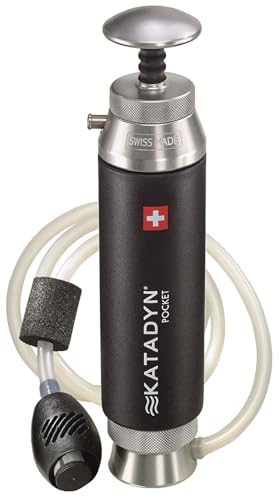
Katadyn Pocket Ceramic Hand Pump Filter

Platypus GravityWorks Group Camping Filter

Katadyn Hiker Pump-Action Water Filter

Purewell 3-Stage 2.25 Gal Stainless Countertop Filter
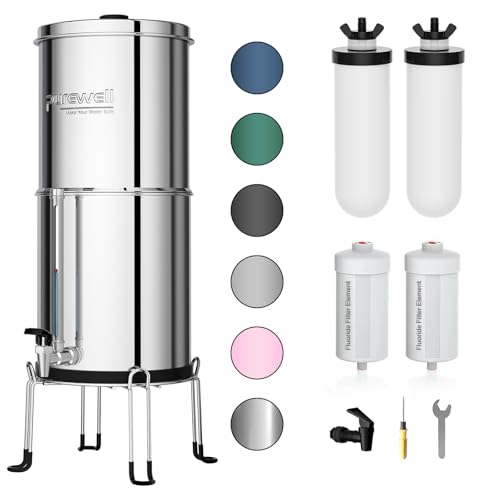
Purewell 8-Stage 2.25 Gal Stainless Countertop Filter

Purewell 3-Stage 2.25 Gal Countertop Filter with Spigot
The Sawyer Squeeze has earned its place at the top of countless pack lists, and for good reason. This small filter screws onto standard pouches or drink tubes, and the hollow-fiber membrane inside (a dense bundle of straw-thin channels that physically block contaminants) catches bacteria, protozoa, cysts, and microplastics down to 0.1 microns, which is finer than what most viruses measure. Long-distance hikers lean on it for multi-week trips because it weighs next to nothing and the same cartridge can be backflushed with clean water to recover flow.
Compared with the smaller SP128 below, the Squeeze moves water faster and handles silty streams with more grace. For campers, world travelers, and anyone building a kit around reliability rather than novelty, it’s the default starting point. You may want to carry a backup syringe for backflushing in the field, but otherwise the learning curve is gentle.
Where It Delivers
- 0.1-micron hollow-fiber membrane removes bacteria, protozoa, cysts, and microplastics without chemicals.
- Rated for roughly 100,000 gallons of use with simple backflushing, so it outlasts most weekend trips by years.
- Fills a 1-liter pouch in about 90 seconds of squeezing, fast enough for a group dinner setup.
- Threaded output fits standard sports bottles, hydration bladders, and drink tubes without adapters.
- Compact enough to drop into a daypack pocket alongside a rain shell.
Things To Consider
- Doesn’t remove viruses, which matters more abroad than in North American backcountry.
- Flow rate drops as the membrane clogs; owners commonly backflush after every few liters in silty water.
Who It Suits Best
Thru-hikers, weekend backpackers, and emergency-prep households who want one filter that handles streams, lakes, and questionable tap water for years of repeated trips.
Where Another Pick Suits Better
Travelers heading to regions with viral risk will get broader protection from the Timain 4-Stage High Flow Filter Straw, which pairs a hollow-fiber stage with activated carbon.
The Sawyer Mini is what you toss in a daypack when every gram counts. It tips the scales at roughly 2 ounces and fits in a closed fist, yet still pushes water through the same 0.1-micron hollow-fiber membrane as its bigger brother above. For day hikers, joggers, and travelers who just want a straw to sip from hotel tap water abroad, it’s a reassuring backup.
The Mini also doubles as a squeeze filter when paired with the included pouch, which makes it surprisingly versatile for its size. You may find the flow rate a touch slower than the full-size Squeeze, especially once the membrane starts catching sediment, but the trade-off is a filter that disappears in a hip pocket.
The Value In It
- Same 0.1-micron hollow-fiber membrane as larger Sawyer filters, so filtration quality carries over.
- Field weight near 2 ounces means it slips into running vests and purse pockets.
- Doubles as a drinking straw or attaches to standard pouches for squeeze-style filtering.
- Affordable enough to keep one in a glove box, another in a bug-out bag.
Honest Caveats
- Slower flow rate than the full Squeeze, especially after extended use without backflushing.
- Smaller housing means it’s easier to misplace on the trail.
- Doesn’t tackle viruses, so check local advisories before international travel.
Made For
Day hikers, ultralight backpackers, and international travelers who want a featherweight backup filter they barely notice in the pack.
Skip It When
Group campers and basecamp cooks should reach for the Platypus GravityWorks Group Camping Filter, which fills multiple bottles at once without manual squeezing.
When the goal is to stash a filter in every glove box, go-bag, and kitchen drawer without thinking about it, a two-pack of straws keeps the math simple. The Yuclet straws work the classic way: sip straight from a stream, lake, or pooled rainwater and the internal 0.1-micron membrane strips out bacteria, protozoa, and microplastics before the water hits your lips. With two units in the box, you can hand one to a trail partner or rotate a fresh one in once the first starts slowing down.
These aren’t built for daily backcountry use, but they’re surprisingly capable for the price. Power-outage planners and beginner campers often lean on them as their first real filter. They don’t fit standard bottle threads, so plan on drinking through the straw itself or decanting into a clean container.
What Works In Its Favor
- Two straws per pack means a spare is always within reach.
- 0.1-micron filtration handles bacteria, protozoa, and microplastics in one step.
- Zero setup: just uncap and sip straight from the water source.
- Compact enough to drop into a car console or small emergency kit.
Points To Keep In Mind
- No threaded inlet, so you can’t easily filter into a bottle for storage.
- Sipping through a straw gets tiring for larger volumes like cooking water.
Best Suited To
Emergency preppers, beginner campers, and anyone building a low-cost backup kit for power outages or roadside breakdowns.
A Better Fit Elsewhere
Through-hikers and frequent campers will appreciate the higher capacity and reusable design of the Sawyer Squeeze Water Filtration System instead.
Most straws rely on a single membrane and call it a day. The Timain adds a second act, layering a 0.1-micron ultrafiltration membrane with activated carbon and sediment prefilters. The carbon stage pulls out chlorine, odors, and many organic compounds, which is exactly the kind of polish you want when filtering tap water in a country where the source is technically treated but tastes like a swimming pool. It’s noticeably more versatile than the Yuclet straw above for everyday use.
The wider bore and the four-stage setup translate into a faster pour when you squeeze the straw into a bottle. For travelers building one kit for both backcountry streams and questionable hotel taps, this straw covers more bases. You may want to pre-filter murky water through a cloth first, since the fine carbon stage clogs faster than a hollow-fiber-only design.
Real Benefits
- Four-stage setup combines mechanical filtration with activated carbon for taste and odor reduction.
- Higher flow rate than basic single-stage straws, which matters when filling a cooking pot.
- Pulls chlorine and organic compounds from municipal water, so it doubles as a travel water polisher.
- Compact and self-contained for daily carry in a backpack or carry-on.
Small Caveats
- Carbon stage can clog quickly in silty water; pre-filtering extends its life.
- Slightly heavier than minimalist straws due to the extra media.
Who Will Love This
Frequent international travelers and emergency-prep households who want one filter that handles streams, hotel taps, and municipal water without swapping gear.
Reach For A Different Pick When
Basecamp cooks and family campers should consider the Platypus GravityWorks Group Camping Filter for hands-free filtering at meal prep.
The Katadyn Pocket is the kind of gear you hand down. Its aluminum housing protects a cleanable ceramic element, and where hollow-fiber filters lose flow as they clog, this one lets you scrub the surface and recover performance. For long-term preparedness kits and remote basecamps, that serviceability is the whole pitch: the filter can outlast multiple backpacking lifetimes with basic care.
It’s heavier and slower than squeeze-style filters, and the hand-pumping action takes a bit of muscle for a liter of water. But for homesteaders, hunters, and preppers who care more about a 20-year track record than shaving ounces, the trade is well worth it.
Reasons It Performs
- Cleanable ceramic element recovers flow with simple scrubbing, no replacement cartridges needed.
- Rated for up to roughly 13,000 gallons depending on source water, well beyond hollow-fiber lifespans.
- Field-serviceable with basic tools, so a worn gasket is fixable in camp.
- Robust aluminum body shrugs off drops that would crack plastic housings.
Trade-Offs To Consider
- Pumping action is slower and more tiring than squeeze-style filters for large volumes.
- Heavier than hollow-fiber options, so it’s not ideal for ultralight backpacking.
- Doesn’t remove viruses, which matters for international travel.
Perfect Match For
Preppers, homesteaders, and remote-camp cooks who want a long-service filter they can repair in the field and pass down.
Look Elsewhere When
Ultralight backpackers counting every gram will appreciate the Sawyer SP128 Mini Water Filtration System more than a heavy hand pump.
The Platypus GravityWorks flips the script on filter design. Instead of squeezing or pumping, you hang the dirty-water bag from a tree branch, let gravity pull the water through a hollow-fiber cartridge, and watch clean water collect in the lower reservoir. For families and small groups doing meal prep at camp, that hands-free operation is the whole appeal. The included 2-liter storage bag hooks directly to bottles and hydration bladders.
It pushes roughly 1.5 liters per minute, which sounds modest until you realize you’re not pumping while doing it. The trade-off is bulk: it’s a bigger kit to pack than a single squeeze filter, and the soft bags need careful handling around camp.
Positive Points
- Gravity-fed design eliminates pumping or squeezing during filtering.
- Hollow-fiber cartridge handles bacteria, protozoa, and sediment with no chemicals.
- Connects directly to water bottles and hydration reservoirs for fast transfer.
- Group capacity covers family meals and small site cooking without bottlenecking the crew.
Some Limits To Know
- Bulky to pack compared with a single squeeze filter.
- Requires a hanging point or elevated surface to work well.
- Bags need careful cleaning to prevent biofilm (a slimy layer of bacteria that forms on damp plastic surfaces) over time.
The Right Fit
Family campers, small groups, and car campers who want set-and-forget filtering while the crew handles meal prep.
Swap It Out When
Solo thru-hikers and ultralight travelers will do better with the Sawyer Squeeze Water Filtration System, which packs flat and weighs far less.
The Katadyn Hiker takes the brand’s pump-filter expertise and shrinks it into an 11-ounce package that fits on a backpacking shelf. A glass-fiber element inside the cartridge catches sediment, bacteria, and protozoa, and the pump handle gives you full control of flow rate, which is a real advantage in silty water where membranes would clog in minutes.
Compared with the larger Katadyn Pocket above, this one trades field-serviceability for portability. The replaceable cartridge is a small recurring cost, but it means a clogged filter doesn’t end a trip. It’s a smart match for backpackers who filter multiple liters per day across multi-day routes.
A Few Highlights
- 0.2-micron glass-fiber microfilter handles sediment-heavy sources that slow hollow-fiber membranes.
- Pump action gives precise control over flow rate and output volume.
- No batteries or moving electronics, so it works in any climate and altitude.
- Replaceable cartridge means a clogged filter can be swapped, not retired.
Room For Improvement
- Replacement cartridges add ongoing cost versus ceramic or hollow-fiber alternatives.
- Pumping is more tiring than gravity or squeeze designs at high volume.
Built With In Mind
Multi-day backpackers and backcountry hunters who filter several liters a day from streams and shallow ponds across longer trips.
Another Choice May Suit
Car campers and basecamp cooks who want hands-free filtering should pick the Platypus GravityWorks Group Camping Filter instead.
Once you leave the trail, the water question changes shape. Renters, small households, and cabin owners often want filtered drinking water without drilling into a counter or wiring anything up. The Purewell 3-Stage sits on the counter, holds 2.25 gallons in a stainless steel body, and pulls water through ceramic, activated carbon, and silver-ion media by gravity alone.
The ceramic outer layer catches sediment and rust, the carbon pulls chlorine and odors, and the silver-ion layer helps prevent microbial growth inside the filter. It’s the kind of setup you fill at the tap in the morning and pour from at dinner. The washable ceramic cartridges do need regular scrubbing, but the routine is simple and the replacements are far apart.
The Upside
- Stainless steel body resists dents and looks at home in a modern kitchen.
- Ceramic cartridges are washable, lowering long-term replacement costs.
- Three-stage media tackles sediment, chlorine, and microbial growth in one pass.
- No plumbing or drilling required, so renters can take it along at move-out.
Worth Bearing In Mind
- Ceramic cartridges need periodic surface scrubbing to maintain flow.
- Slower fill than a plumbed under-sink system.
- Takes up counter space compared with a pitcher-style filter.
Whose Shelf It Belongs On
Renters, small households, and cabin owners who want a no-install filtration upgrade that handles chlorine and sediment without modifying plumbing.
Consider Something Else When
Anyone targeting fluoride reduction in addition to chlorine should pick the Purewell 8-Stage 2.25 Gal Stainless Countertop Filter, which adds dedicated fluoride media.
Where the previous Purewell system handles three media layers, this 8-Stage version doubles down on filtration polish. It pairs two ceramic cartridges with a dedicated fluoride filter and multiple sediment membranes, so the same stainless steel body tackles chlorine, rust, sediment, organic compounds, and fluoride in one slow pour. For households on municipal water who want one countertop rig doing maximum work, it’s the heaviest hitter in the lineup.
The trade-off is fill speed. With more media stacked inside, gravity has to push water through more layers, so a full 2.25-gallon fill takes noticeably longer than the 3-Stage version. You may also find the four-filter setup pricier to maintain long term. For users who want a single rig to address multiple concerns, however, the simplicity of one countertop system outweighs the slower pour.
Practical Pluses
- Eight filtration stages address chlorine, sediment, organic compounds, and fluoride together.
- Four-filter setup distributes workload, so each cartridge lasts longer.
- Stainless body suits kitchens, cabins, and even small office break rooms.
- No install required, which is ideal for renters or temporary spaces.
Practical Considerations
- Slower fill rate than simpler countertop filters due to multiple media layers.
- Four cartridges increase long-term replacement cost.
Right Fit For
Households on municipal water who want one countertop system covering chlorine, sediment, and fluoride without separate pitchers or under-sink units.
Not Your Match When
Backcountry campers should skip this entirely and pick a backpacking filter like the Sawyer Squeeze Water Filtration System instead.
The third Purewell in this roundup keeps the same 3-Stage media layout but adds a metal water-level spigot that lets you see exactly how much is left and pour without lifting the unit. For daily kitchen use and apartment dwellers, that small detail changes the experience: kids can fill a glass themselves, and the stainless body doesn’t look out of place next to a coffee maker.
It uses the same washable ceramic cartridges as its sibling above, so maintenance stays simple. The visible spigot also doubles as a quick health check, since a slow drip usually points to a cartridge that’s ready for cleaning. It’s the most user-friendly Purewell in the lineup for everyday family use.
What Helps Most
- Metal spigot with water-level indicator makes portioning simple for daily use.
- Three-stage ceramic media handles sediment, chlorine, and microbial growth.
- Washable cartridges lower long-term operating cost.
- Countertop footprint fits small kitchens and apartment counters.
Possible Compromises
- Doesn’t target fluoride like the 8-Stage model does.
- Ceramic cartridges need periodic surface cleaning to keep flow steady.
Who Should Grab It
Apartment dwellers, small families, and renters who want a visible-fill countertop system with kid-friendly dispensing and minimal maintenance.
A Better Fit Elsewhere
Anyone needing fluoride reduction alongside chlorine should pick the Purewell 8-Stage 2.25 Gal Stainless Countertop Filter instead.
What Matters Most Before Choosing Portable Water Filtration Systems
Start with where the water comes from. Backcountry streams need bacteria and protozoa protection, while municipal tap water in many regions mainly needs chlorine and sediment reduction. The micron rating tells you most of the story: 0.1-micron membranes catch bacteria and protozoa, while 0.2-micron filters add a small safety margin for sediment-heavy sources. None of the picks here are rated for viruses, so international travelers to high-risk regions should add a chemical or UV step.
Match the filter to your pace. Squeeze and straw designs favor solo hikers who filter a liter or two per break. Gravity and pump systems shine when groups need several liters per meal without bottlenecking the crew. Ceramic elements are heavier but field-serviceable, which matters for long-term preparedness kits. Countertop gravity units occupy a different niche entirely, designed for renters and small households rather than trail use.
Plan for maintenance up front. Hollow-fiber membranes recover flow with simple backflushing, ceramic cartridges need surface scrubbing, and replaceable cartridges add recurring cost. In all cases, the actual day-to-day care is shorter than people expect, but ignoring it kills flow over time. Pick the design whose routine fits your habits.
Key Considerations Across These Picks
Where Shoppers Go Wrong
The most common slip is choosing by micron rating alone. A 0.1-micron filter that clogs in silty water is worse in practice than a 0.2-micron model that handles your actual sources. Backcountry hikers filtering clear mountain streams have different needs than desert travelers dealing with heavy sediment, and the wrong membrane turns a good filter into a frustration. Match the design to the water you’ll see most.
Another trap is ignoring flow rate until the first trip. Slower filters are fine for solo use, but a group filtering cooking and drinking water needs gravity or pump capacity to keep up. Similarly, countertop buyers sometimes underestimate how often ceramic cartridges need scrubbing in hard-water regions. A realistic maintenance plan prevents the “worked great for two months, then nothing” disappointment.
When Paying More Pays Off
The price jump between basic straws and ceramic or multi-stage systems usually buys three things: longer service life, broader contaminant reduction, and faster fill times. A 13,000-gallon ceramic element that you scrub and keep using will outlast several disposable cartridges, so the per-gallon cost often favors the premium side. Multi-stage countertop systems layer carbon, sediment, and specialized media, which matters if your tap water carries chlorine, fluoride, or noticeable odors.
The honest read is that the upgrade makes sense when you filter frequently or address specific water-quality concerns. Casual weekend users and emergency-only buyers can stay with simpler straws and squeeze filters without losing real performance.
Frequently Asked Questions
How often should I replace the filter cartridge? Hollow-fiber cartridges can last for tens of thousands of gallons with regular backflushing, while ceramic elements last even longer with periodic scrubbing. Replaceable cartridges in pump systems typically need swapping after several hundred gallons, depending on source water quality.
Can portable filters make saltwater drinkable? No. The picks in this roundup remove bacteria, protozoa, sediment, and in some cases chlorine or fluoride, but none are designed for desalination. Saltwater requires reverse osmosis or dedicated marine desalination systems.
Do these filters remove viruses? Standard hollow-fiber and ceramic filters at 0.1 to 0.2 microns do not reliably remove viruses, which are smaller than bacteria. For travel to regions with viral water risks, pair a mechanical filter with a chemical treatment or UV purifier.
How do I clean a clogged filter? Hollow-fiber filters recover flow by backflushing with clean water, usually with a syringe. Ceramic elements are scrubbed gently under running water to remove the outer sediment layer. Replaceable cartridges in pump systems are simply swapped when flow drops.
Are countertop units safe for renters? Yes. Gravity-fed countertop filters don’t require drilling, plumbing, or permanent installation. They can be set up, used, and moved to a new apartment without modification, which is one of the main appeals for renters and temporary spaces.
Wrap Up
Choosing between portable water filtration systems comes down to matching the design to the water you’ll see and the pace you’ll keep. Thru-hikers and emergency preppers get the most from hollow-fiber squeeze filters like the Sawyer Squeeze, while families and basecamp cooks benefit from gravity systems that handle volume without manual pumping. Countertop units step in for renters and households who want cleaner tap water without plumbing changes. Pick the design that fits your real routine, and the rest tends to take care of itself.