

Hard water wears quietly on everything it touches: glass shower doors film up, water heaters grow inefficient, and faucets crust over until flow slows. Choosing an in home water softener system that matches your household size, source water, and appetite for maintenance turns that slow grind into a problem you forget about for years.
A Quick View Of The Lineup
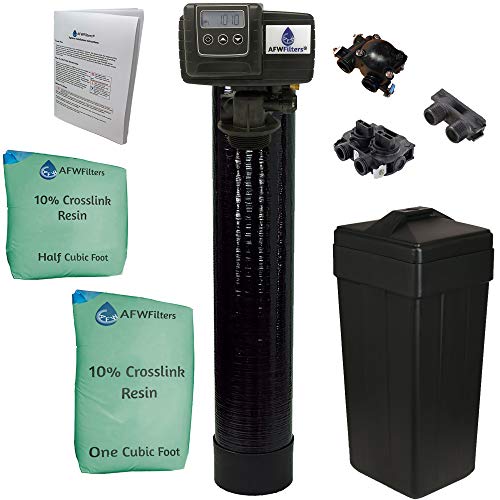
AFWFilters Fleck 5600 SXT Digital Water Softener 48K Grain
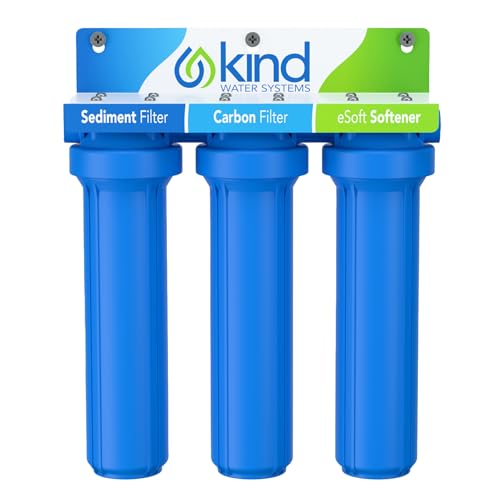
Kind Water Systems E-3000 Salt-Free Softener & Filter

Kind Water Systems E-3000UV Salt-Free Softener + UV

Whole House Salt-Free Softener Alternative with UV

On The Go OTG4-DBLSOFT 16,000 Grain RV Softener

On The Go OTG3NTP3M Portable Water Softener

AFWFilters 48K Grain Fleck 5600 SXT Softener

EcoPure EPCL Universal Water Softener Cleaner
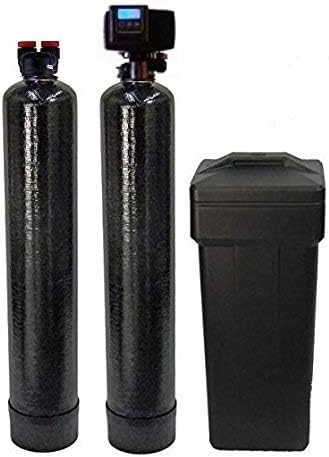
AFWFilters 5600sxt Softener + Upflow Carbon Filtration
Fleck 64K Whole House Water Softener 5600sxt
The Strengths Of Each Pick
Salt-based ion exchange softeners like this AFWFilters model swap calcium and magnesium ions for sodium, which is how scale stops forming inside your pipes and water heater. The Fleck 5600 SXT control head is a workhorse in the industry, programmable to regenerate only when actual gallons used warrant it. A 48,000 grain capacity suits most three to four bedroom homes without feeling oversized for a smaller household.
The 10% crosslink resin handles chlorine better than standard 8% media, which matters wherever municipal water carries a residual chlorine dose that would otherwise shorten resin life. You program the hardness level and system size once, and the head calculates regeneration timing from there. For homeowners who want a hands-off salt softener that quietly does its job for years, this AFWFilters unit checks the boxes most people actually care about.
Reasons It Performs
- Fleck 5600 SXT metered head regenerates based on actual water use, cutting salt and water waste versus timed systems.
- 10% crosslink resin resists chlorine breakdown in municipal supplies, extending service intervals.
- 48,000 grain capacity covers typical family demand without undersizing or oversizing the brine tank.
- Brine tank and bypass valve ship in the box, so installation does not require chasing down fittings.
Things To Consider
- Salt-based softening adds sodium to discharge water, which is worth noting for anyone on a strict sodium-restricted diet.
- You need a dry spot near the main line for the brine tank, plus a drain for regeneration cycles.
- Brushing up on programming the SXT head takes an afternoon if you have never set one before.
Key Specs
Made For
Homeowners with municipal water and three or four bathrooms who want a proven salt softener without overthinking settings.
Consider Something Else When
Skip it for a small apartment where a salt-free unit like the Kind Water Systems E-3000 fits the footprint and salt-disposal situation better.
Salt-free conditioners work differently than ion exchange softeners: they crystallize hardness minerals so the minerals cannot stick to surfaces, rather than removing them outright. The Kind Water Systems E-3000 layers sediment filtration and a carbon block on top of that conditioning media, all in one compact tank aimed at city water applications. The result feels closer to a polish-and-protect combo than a heavy-duty softener.
The lack of salt and the zero-waste-water profile appeal to anyone tired of hauling brine bags and watching the regeneration cycle dump water down the drain. For renters and townhouse dwellers, the E-3000 sidesteps salt restrictions some HOAs quietly enforce. Compared to the AFWFilters unit above, you trade true softening for a lighter touch that still helps appliances and glass.
A Strong Showing
- Salt-free operation means no brine tank, no salt hauling, and no salty discharge into the septic system.
- Integrated sediment and carbon stages tackle chlorine taste and cloudiness in a single footprint.
- Compact tank size fits mechanical rooms where a twin-tank salt system would crowd the space.
- Zero wastewater during conditioning keeps the water bill from creeping higher.
Worth Noting
- Salt-free conditioners reduce scale adhesion rather than fully removing hardness, so soap lather may still feel different than with ion exchange.
- Filter cartridges require scheduled replacement, adding a recurring maintenance task.
- You may find performance uneven on extremely hard well water versus typical city supplies.
Right Fit For
City-water households that want softer-feeling showers and longer-lasting appliances without buying salt or scheduling regeneration cycles.
Look Elsewhere When
Pass on the E-3000 if your hardness tests above 20 grains and you want full ion exchange softening from the AFWFilters Fleck 5600 SXT above.
The E-3000UV builds on the E-3000 platform by adding a UV chamber to neutralize microorganisms in the water before it reaches the tap. UV treatment is a non-chemical disinfection method: water passes over a UV lamp and any bacteria or viruses in the stream get deactivated without adding chlorine byproducts. For households blending city and well sources, or anyone on a private well with intermittent bacterial concerns, that extra stage pays for itself.
Same compact footprint and salt-free conditioning as the base E-3000, but with that added layer of microbial protection layered on at the end of the filtration train. Compared to the AFWFilters Fleck above, you get a different value equation: less true hardness removal, more whole-water quality improvement. Homeowners thinking about skin irritation from microbiological contaminants, not just scale, will land here.
The Upside
- UV stage reduces microbial load without introducing chemicals into drinking water.
- Same salt-free, zero-waste-water benefits as the base E-3000, just with one more stage.
- Targets over 155 chemical contaminants through the carbon block, including chlorine and chloramine.
Trade Offs
- UV lamp requires annual replacement, which is a maintenance item you do not have on the plain E-3000.
- Higher cost reflects the added chamber and lamp assembly versus non-UV salt-free competitors.
- Effectiveness assumes reasonably clear inlet water, so the sediment stage must be kept fresh.
Key Specs
Best Suited To
Households on well water or sensitive municipal supplies that want scale protection plus microbial reduction in a single all-in-one system.
A Better Fit Elsewhere
Pick the base Kind Water Systems E-3000 instead when UV disinfection is overkill and you would rather skip the lamp-replacement cycle.
This Kind Water Systems salt-free alternative trades ion exchange for a Template Assisted Crystallization (TAC) style media that converts hardness minerals into inactive crystals that wash through plumbing without sticking. The reusable sediment filter catches sand, silt, and rust before they reach the conditioning media, while the UV chamber handles microbial concerns at the end of the line. For homes up to five bathrooms, that sizing feels generous without veering into overkill territory.
The zero water waste pitch is the real hook: you get scale protection without sending brine or backwash water down the drain. The reusable sediment cartridge cuts down on replacement filter costs versus disposable alternatives. Compared to the AFWFilters twin-tank carbon system later in this list, this unit trades true ion exchange softening for a simpler install and no salt hauling, which suits homeowners with limited mechanical room space.
What Stands Out
- Reusable sediment cartridge trims ongoing filter costs over the life of the unit.
- Handles up to five bathrooms, so larger households are not squeezed out by capacity limits.
- No salt and zero backwash water means easier HOA approval and lower monthly upkeep.
- UV stage adds disinfection without chemicals for households with microbial concerns.
Points To Note
- TAC media conditions water rather than truly softening it, so lather and feel differ from ion exchange.
- UV lamp needs annual bulb replacement to keep the disinfection stage effective.
- Performance on hardness above 15 grains per gallon tends to plateau, so very hard well water may need pretreatment.
Whose Shelf It Belongs On
Owners of larger homes on city or moderately hard well water who want scale and microbial protection without salt or wastewater.
Skip It When
Choose the AFWFilters Fleck 5600 SXT model instead if true ion exchange softening matters more to you than the zero-waste convenience.
Portable RV softeners operate on the same ion exchange principle as whole-house units, just in a compact shell you can plumb into a campsite water hose. The On The Go OTG4-DBLSOFT doubles the resin capacity versus the standard portable model, so you get more soft water between regenerations. Two boxes of table salt regenerate the tank in under 30 minutes, which matters when you are heading out the next morning.
For full-time RVers running hard water through a marine or motorhome plumbing system, that scale prevention extends the life of water heaters and showerheads noticeably. The compact footprint fits into tight utility bays where a household softener simply would not go. Compared to the OTG3 model below, you get roughly 40% more soft water per regeneration cycle, which adds up on extended trips.
Strengths Worth Knowing
- 16,000 grain capacity delivers up to 1,600 gallons of soft water per cycle, a meaningful step up from the OTG3.
- Two boxes of common table salt regenerate the resin in under 30 minutes, no specialty salt required.
- Compact form factor fits into cramped RV utility compartments without blocking access panels.
Small Caveats
- Higher upfront cost than the smaller portable OTG3 unit, so weekend warriors may not recoup the difference.
- Still requires manual regeneration tracking, which trips up anyone who forgets until soap stops lathering.
- Designed for RV and marine flow rates; pushing too much pressure through at once can channel the resin prematurely.
Perfect Match For
Full-time RVers and boat owners who camp often and want longer intervals between salt refills than portable competitors offer.
Reach For A Different Pick When
Stick with the smaller On The Go OTG3NTP3M if your trips last only a weekend and you would rather save on upfront cost.
The On The Go OTG3NTP3M is the entry-level portable softener in the lineup, aimed at weekend campers and short-term travelers. It produces between 320 and 800 gallons of soft water per regeneration depending on incoming hardness, which covers a long weekend at most campgrounds. The large-mouth opening makes filling with salt and rinsing the tank less of a wrestling match than narrower portable designs.
For travelers testing the waters (literally) on whether a portable softener improves their experience, this unit carries a lower entry cost than the OTG4 above. The tool-free hookup design means you connect it inline with standard garden hose fittings without dragging out a wrench kit. Compared to whole-house systems like the AFWFilters Fleck, this one lives outside your house entirely, parked next to the RV hose bib.
Real-World Strengths
- Compact, lightweight design saves space in crowded RV storage bays.
- Quick-connect fittings require no tools to plumb into a standard garden hose setup.
- Large-mouth opening simplifies salt fills and tank rinses during regeneration.
Areas To Watch
- Capacity is smaller than the OTG4 model, so you regenerate more often on extended stays.
- Hardness above 25 grains shortens the per-cycle soft water output considerably.
- Plastic fittings hold up fine but warrant a quick visual check before each trip, since road vibration can loosen connections over time.
Feature Snapshot
Who It Suits Best
Weekend RVers and tailgaters who want soft water at the campsite without committing to a higher-capacity portable unit.
Swap It Out When
Move up to the On The Go OTG4-DBLSOFT if you travel for weeks at a stretch and want longer intervals between regenerations.
The second AFWFilters entry on the list pares down the kit to focus on the Fleck 5600 SXT control valve and 10% crosslink resin at 48,000 grain capacity. Functionally, it lands close to the AFWFilters model at the top of the list, but the package trims some accessories that you may not need depending on your existing plumbing layout. The metered on-demand regeneration logic is the same proven platform trusted by plumbing professionals nationwide.
The 10% crosslink resin specifically handles chlorinated municipal water better than standard media, which extends the resin bed’s working life in most city settings. If you already have a brine tank from an older system or prefer to source fittings locally, this slimmer kit avoids paying for parts you do not need. Compared to the larger 64K AFWFilters Fleck further down, this 48K version sizes more accurately for typical family demand.
Practical Pluses
- Fleck 5600 SXT head regenerates only when needed, based on actual gallons consumed.
- 10% crosslink resin holds up well in chlorinated water where standard resin breaks down faster.
- 48K capacity hits the sweet spot between undersized and oversized for most households.
Honest Caveats
- Salt-based softening still adds sodium to discharge water and requires hauling brine bags.
- Programming the SXT head takes a learning session if you have never set one before.
- You need a nearby drain and a dry spot for the brine tank, which rules out some basement layouts.
Who Should Grab It
Homeowners on chlorinated city water who want a stripped-down Fleck 5600 SXT system without paying for extras they already own.
Another Choice May Suit
Pick the larger Fleck 64K Whole House Water Softener later in this list if your household runs through more than 300 gallons of soft water per day.
The EcoPure EPCL is not a softener itself: it is a maintenance chemical you pour into the brine tank to clean the resin bed, valve, and internal passages. Iron, rust, and sediment accumulate inside any salt softener over time, and that buildup gradually robs the system of capacity. The cleaner dissolves those deposits so the resin can keep exchanging ions at full strength, which extends service life.
Compatible across small, medium, and 2-in-1 water softener brands, so this is the kind of supply you keep on the shelf regardless of which softener you own. Owners commonly run a cleaning dose every four to six months as preventive maintenance, or whenever they notice the softener feeling sluggish. Compared to the AFWFilters whole-house units above, this is a small-ticket consumable, but skipping it shortens the life of even the best system.
Notable Upsides
- Removes iron, rust, and sediment that plain salt regeneration leaves behind.
- Universal compatibility works across major softener brands, so it travels with you if you switch systems.
- Regular use helps restore softening efficiency in older units that have started underperforming.
Things To Weigh
- This is a maintenance product, not a softener, so it pairs with one of the other picks rather than replacing one.
- Overdosing can briefly discolor water or trigger extra regeneration cycles as the cleaner flushes through.
- Owners on well water with high iron may need more frequent treatments than the suggested interval.
Built With In Mind
Anyone who already own a salt-based softener and want to extend resin life, especially on iron-rich well water supplies.
Where Another Pick Shines
Skip it if you do not yet have a softener, since the AFWFilters Fleck 5600 SXT at the top of this list is the system to start on.
This combo system pairs a 32,000 grain Fleck 5600 SXT softener with an upflow carbon tank built around coconut shell carbon. Upflow carbon filtration sends water upward through the media bed, which keeps the carbon in constant contact with the water and reduces channeling compared to downflow designs. The 9″x48″ tanks fit most mechanical rooms without dominating the floor space.
Coconut shell carbon is finer and more reactive than coal-based carbon, so the carbon stage pulls chlorine, chloramine byproducts, and some VOCs more aggressively than standard carbon filters. Compared to the standalone AFWFilters 48K unit above, you gain a second tank that handles taste and odor but give up some softening capacity for the same footprint. For city water with noticeable chlorine taste, the dual-tank approach makes sense.
Strong Points
- Coconut shell carbon removes chlorine and improves taste and odor more efficiently than coal-based alternatives.
- Fleck 5600 SXT head brings metered regeneration to the softener side, keeping salt use honest.
- Twin-tank setup addresses scale and chemical quality in one integrated package.
- Upflow design on the carbon stage helps the media last longer before needing replacement.
Soft Spots
- 32,000 grain softener capacity runs smaller than the standalone 48K Fleck at the top of this list.
- Two tanks mean a wider mechanical-room footprint and more plumbing connections to get right.
- Carbon tank requires eventual media replacement, adding to long-term ownership cost.
Quick Facts
The Right Fit
City-water households bothered by chlorine taste and odor who want scale and chemical treatment handled by one matched pair of tanks.
Not Your Match When
Pick the standalone AFWFilters 48K unit instead if chlorine taste is not an issue and you would rather have maximum softening capacity.
The largest softener in the AFWFilters lineup, this 64,000 grain Fleck 5600 SXT system tackles households where smaller units regenerate too often. Bigger resin capacity means longer intervals between salt refills, which matters on very hard water or for families running multiple showers, laundry loads, and dishwasher cycles back to back. The 10% crosslink resin handles chlorinated municipal water without rapid degradation, the same proven chemistry as the smaller AFWFilters models above.
The 3/4″ bypass valve keeps the softener looped out when needed for plumbing repairs or outdoor watering, so you do not waste softened water on the lawn. Technical support and install videos are available for anyone tackling the install themselves, which helps if you are a hands-on homeowner. Compared to the 48K model at the top of this list, you trade a bigger tank footprint for fewer salt cycles and longer resin life between changes.
Noteworthy Benefits
- 64,000 grain capacity cuts regeneration frequency noticeably versus 48K models on hard water.
- 10% crosslink resin resists chlorine breakdown in chlorinated municipal supplies.
- Fleck 5600 SXT head calculates regeneration timing from actual gallons, no clock drift.
- 3/4″ bypass valve makes plumbing repairs easier without draining the softener tank.
Points To Keep In Mind
- Larger tank footprint requires a more spacious mechanical room than smaller AFWFilters units.
- Salt-based system still adds sodium to discharge water, a consideration for restricted diets.
- Brine tank needs occasional cleaning, which becomes a heavier chore on a bigger system.
Spec Overview
Who Will Love This
Homeowners with larger families, very hard water, or both, who want longer intervals between salt runs than 48K systems deliver.
Where Another Pick Suits Better
Pick the AFWFilters Fleck 5600 SXT 48K model instead if your household is smaller and you want to avoid the extra tank footprint.
Choosing An In Home Water Softener System That Actually Fits
The right softener comes down to matching technology to your water, your home, and your tolerance for maintenance. Salt-based ion exchange softeners (the AFWFilters Fleck models) genuinely remove calcium and magnesium, which is what people with very hard water or appliance-scale problems usually need. Salt-free conditioners (the Kind Water Systems units) prevent adhesion rather than removing hardness, which keeps things simple but feels different on soap and skin.
Match grain capacity to household demand. A rough guide: 30,000 grains handles two to three bathrooms with moderate hardness, 48,000 covers most three to four bathroom homes, and 64,000 fits larger families or unusually hard water sources. Undersizing forces constant regeneration and burns through salt; oversizing wastes brine and adds tank footprint for no real benefit.
Plan for installation realities before buying. Salt softeners need a drain for regeneration cycles and a dry spot for the brine tank. Salt-free units sidestep both, which is why they suit apartments and rentals. If your home already shows white crust on faucet aerators and showerheads, you likely need true ion exchange; if you just want longer appliance life and easier cleanup, conditioning media often suffices.
Key Considerations Across These Picks
Wrong Turns To Avoid
The biggest misstep is sizing the softener to your home’s square footage instead of your actual water hardness and daily usage. A small home on 25 grains per gallon water can outpace a 32,000 grain softener, while a large home on softer water may not need more than 48,000 grains. The second common trap is ignoring the drain and brine tank requirements of salt units, which forces expensive plumbing reroutes after the system arrives. Get a hardness test, measure peak flow, and confirm your installation spot before ordering.
The Upgrade Payoff
Stepping up from a basic 32,000 grain unit to a 48,000 or 64,000 grain Fleck system means fewer regeneration cycles, lower salt consumption over time, and longer resin life between media changes. The metered on-demand control heads on the AFWFilters Fleck models also save salt and water versus simple timed systems that regenerate whether you needed it or not. For households that run through 300+ gallons daily, those savings compound across the lifespan of the system.
Frequently Asked Questions
How long does a home water softener system last before the resin needs replacing?
Most quality resin beds last 10 to 15 years before ion exchange capacity drops noticeably, though 10% crosslink resin can stretch that range under chlorinated city water.
Do salt-free softeners actually soften water?
Salt-free conditioners change how hardness minerals behave so they cannot stick to surfaces, but they do not remove the minerals themselves, so hardness tests still read the same.
Will a water softener add too much sodium to drinking water?
A standard ion exchange softener adds roughly 30 mg of sodium per quart of softened water, which is worth discussing with a doctor if you are on a strict sodium-restricted diet.
Can I install a whole-house softener myself?
Handy homeowners often handle the plumbing connections on AFWFilters Fleck systems, but you typically still need to confirm code requirements for drain connections and brine tank placement locally.
What maintenance does a salt-based softener need?
Plan to refill salt every one to three months depending on usage, run a resin cleaner like the EcoPure EPCL every four to six months, and check the brine tank annually for sediment buildup.
Closing Thoughts
The best in home water softener system for your situation depends on your water hardness, household size, and how much ongoing upkeep you want to take on. Match the technology to your reality: full ion exchange for hard water problems, salt-free conditioning for simpler maintenance, and proper sizing so the system regenerates on a schedule that makes sense for your home. Once that match clicks, you stop thinking about soap scum and start noticing how quiet your plumbing runs.




