

Cleaner tap water used to be a nice-to-have; for many households, it now feels essential. From stubborn iron staining on fixtures to chlorine taste in morning coffee, the reasons people upgrade their plumbing run deep.
Whole-home units, point-of-use filters, and UV sterilizers each tackle a different mix of contaminants. Choosing between them gets confusing fast, especially when well water, city supply, or older pipes change the equation.
The picks below cover a realistic range of needs, from rural well owners to renters who want a quick install at the kitchen faucet. Each entry trades on its own strengths, and the buying guide walks through how to match a system to your actual water.
A Quick View Of The Lineup

Waterdrop WHF3T-FG 3-Stage Whole House Water Filter for Well Water

Aquasure Fortitude V2 Triple Purpose Pre-Filter with Housing

GE Pre & Post Filter Set FQ18PN

Waterdrop WHF3T-PG 3-Stage Whole House Water Filter, 5 Micron
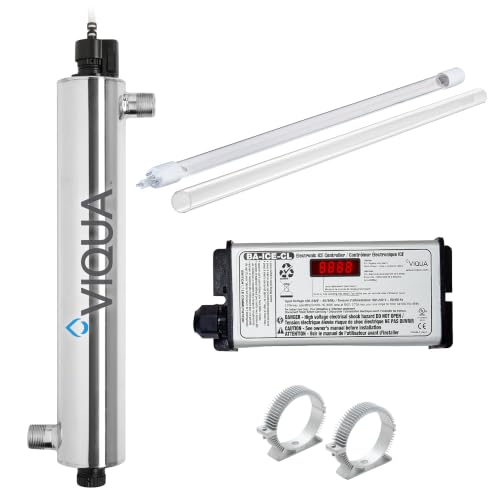
VIQUA VH410 Whole-Home UV Water System, 18 GPM

VIQUA S2Q-PA Home Stainless Steel UV System

Aquaboon 3-Stage Whole House Water Filter System

Waterdrop WHF3E-SKH 3-Stage Whole House Water Filter for Well Water

OEMIRY OM-CF04 Countertop Alkaline Water Filter
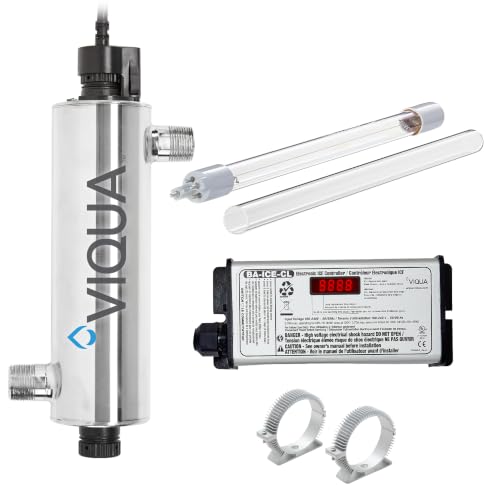
VIQUA VH200 Home Stainless Steel UV Water System
Taking A Closer Look At The Options
Private well owners know the headache of orange-tinted fixtures and metallic-tasting drinking water. The Waterdrop WHF3T-FG goes after both problems head-on with a dual iron and manganese removal cartridge paired with carbon stages. SGS testing backs the iron and manganese claims, which is reassuring for anyone tired of guessing whether a filter actually works.
Compared to the simpler chlorine-focused units below, this one is purpose-built for well conditions. The trade-off is heavier filter media and stricter replacement intervals, but households with genuine iron staining will likely appreciate the extra effort. NSF/ANSI 372 lead-free certification adds a layer of material safety that matters for a system plumbed into your main line.
Standout Benefits
- Targeted iron and manganese reduction built specifically for well water conditions
- Three-stage design that pairs dedicated media with carbon polishing for taste and odor
- NSF/ANSI 372 certified lead-free construction for confidence in long-term contact with drinking water
- Whole-house coverage means every shower, laundry load, and tap benefits from treated water
Things To Consider
- Filter cartridges run heavier than carbon-only units, so plan for slightly bulkier housing
- Well-water sediment loads vary widely; pre-filter maintenance intervals can shift based on local conditions
- Not the right match for city water where chlorine, not iron, is the main complaint
Who It Suits Best
Households on private wells dealing with staining fixtures, metallic taste, or visibly discolored water.
Where Another Pick Suits Better
Municipal supply shoppers with chlorine as the primary issue should look at the Waterdrop WHF3T-PG instead.
Municipal water often arrives chlorinated and loaded with fine sediment that slowly wrecks faucets and appliances. The Aquasure Fortitude V2 takes a layered approach, combining sediment capture with carbon and zinc media that targets chlorine, taste, and bacterial growth inside the housing. The headline number is up to 100,000 gallons of service life before cartridge swaps, which is genuinely long by household standards.
Where the Waterdrop WHF3T-FG focuses on iron and manganese for wells, this one plays a different game: protecting downstream appliances and softening the smell of city water. Owners commonly report noticing cleaner dishwasher glassware and less chlorine bite in shower steam. The standard-size housing fits common installation footprints, which simplifies retrofit projects.
A Few Highlights
- Carbon-zinc combination media tackles chlorine taste, odor, and bacterial growth in one pass
- 100,000-gallon rated lifespan minimizes annual filter replacement hassle
- Compact housing footprint suits tight utility rooms and crawl spaces
Trade Offs
- Sediment pre-filter clogging accelerates in areas with disturbed water mains or construction flushes
- Does not address hardness minerals, so pairing with a softener may still be necessary
Key Specs
Made For
City water households dealing with chlorine taste and want a long-life pre-filter to protect plumbing fixtures.
Skip It When
Iron-heavy well water is your real problem, since the Waterdrop WHF3T-FG handles that more directly.
Owners of compatible GE under-sink reverse osmosis systems eventually face the inevitable filter swap, and the FQ18PN pre and post set covers both stages in one purchase. The pre-filter protects the RO membrane from premature clogging while the post-filter polishes taste before water reaches the dedicated faucet. A 0.5-micron rating (a measure of how small a particle the filter can trap) is meaningfully finer than typical carbon blocks.
Unlike the whole-home picks above, this is a consumable, not a complete system. It belongs in shopping carts of households that already own a compatible GE unit and just need to keep it running. Replacement cadence is six months, which makes stocking a year of cartridges at once a reasonable approach.
Good Reasons To Consider
- 0.5-micron rating delivers finer contaminant capture than many standard carbon cartridges
- Dual-pack design handles both pre and post stages in a single purchase
- Six-month replacement interval is straightforward to plan around
Honest Caveats
- Only compatible with specific GE under-sink RO models; verify fit before ordering
- Not a standalone solution; requires the rest of the RO system to function
Right Fit For
Existing GE reverse osmosis owners scheduling routine six-month filter maintenance.
Consider Something Else When
You need a complete treatment system from scratch, since the Aquasure Fortitude V2 or Waterdrop WHF3T-PG cover whole-house needs.
City water treated with chlorine or chloramine can leave showers smelling faintly of a pool and coffee tasting flat. The Waterdrop WHF3T-PG leans into chlorine reduction with a KDF (kinetic degradation fluxion) composite filter paired with a carbon fiber-wrapped GAC stage. The 5-micron sediment capture is coarse by RO standards but more than adequate for whole-house pre-filtration roles.
Unlike the iron-focused WHF3T-FG, this one is calibrated for chlorinated municipal supplies where chemical taste and odor drive most complaints. Owners commonly notice immediate improvement in shower comfort and cooking water clarity. NSF/ANSI 372 lead-free certification on materials gives long-term confidence for plumbing that stays wet year-round.
What Makes Sense
- Dual chlorine removal media targets both taste and odor at the whole-house level
- 5-micron sediment stage protects downstream appliances like water heaters and washing machines
- Lead-free certified materials reduce concerns about long-term contact with treated water
Worth Noting
- Does not soften water or address mineral hardness, so a softener may still be needed
- Replacement cartridges can run out faster in households with high water consumption
Quick Facts
Best Suited To
City water households tired of chlorine taste and odor across every tap in the home.
Look Elsewhere When
You depend on a private well with iron staining, where the Waterdrop WHF3T-FG does the job more directly.
Carbon filters handle chemicals, but microbiological concerns call for a different tool entirely. The VIQUA VH410 uses UV light to inactivate microorganisms like E. coli, Giardia, and Cryptosporidium without adding anything to the water. The 18 GPM (gallons per minute) flow rate keeps up with multi-bathroom homes running showers, laundry, and dishwashers simultaneously.
Compare that to the smaller VIQUA S2Q-PA below, which suits a single tap rather than a whole household. The VH410’s stainless chamber and broad voltage tolerance (100-240V) simplify installation in different panel configurations. UV systems require pre-filtration to work properly, so pairing with a sediment stage like the Aquasure Fortitude V2 makes practical sense.
The Practical Payoff
- 18 GPM flow keeps whole-home demand covered without pressure drops
- Targets resistant microorganisms that carbon filters leave untouched
- Chemical-free treatment that adds nothing to drinking water
Points To Keep In Mind
- Requires sediment pre-filtration for the UV light to work at full effectiveness
- Lamp replacement is an annual maintenance task to plan around
Perfect Match For
Larger households on well or surface water with documented microbiological concerns and multi-bath demand.
Reach For A Different Pick When
You only need to treat one tap, in which case the VIQUA S2Q-PA is a simpler, less expensive match.
Not every home needs UV across the whole plumbing system. The VIQUA S2Q-PA sits on a single line, typically the cold feed to the kitchen tap, and uses the same UV inactivation technology as the bigger VH410. The stainless steel chamber is compact enough for under-sink cabinets and keeps operating costs modest at 22 watts.
Where the VH410 handles 18 GPM across showers and laundry, this one caps out closer to 3 GPM, which suits drinking and cooking flows comfortably. Owners commonly pair it with a separate carbon stage for chemical reduction upstream. The annual lamp change is the main recurring task, but swapping takes minutes with the right part on hand.
A Favorable Mix
- Compact stainless steel chamber fits comfortably in under-sink spaces
- Targets microorganisms at the tap you actually drink from
- Lower power draw keeps long-term operating costs minimal
Small Caveats
- Annual UV lamp replacement is mandatory for continued effectiveness
- Flow rate is capped, so it cannot serve an entire household’s hot and cold lines simultaneously
Feature Snapshot
Who Will Love This
Apartment dwellers or small-home owners focused on safer drinking water at one tap without a whole-house overhaul.
Swap It Out When
Multi-bathroom demand calls for higher flow, in which case the VIQUA VH410 covers the entire home.
Whole-house filter installations often stall before they begin because nobody wants to source mounting hardware and gauges separately. The Aquaboon 3-Stage package bundles the wrench, bracket, pressure gauges, and even a release valve into one box alongside the 20-inch filter cartridges. That single-source approach appeals to first-time installers who do not want to make four separate trips to the hardware store.
The 20×4.5 inch cartridges are a common size, which keeps replacement costs reasonable over time. Sediment and CTO (chlorine, taste, and odor) stages handle the most frequent complaints from municipal supply, similar to the Aquasure Fortitude V2 above. The 5-micron rating filters out visible particulates without choking flow during peak demand periods.
The Value In It
- All mounting hardware included so installation does not require extra trips
- Pressure gauges let you track filter loading visually over time
- Standard 20-inch cartridges simplify future replacements
Less Ideal Details
- Bulkier 20-inch housing demands more wall space than slim inline units
- Plastic mounting bracket durability varies in unheated utility spaces
Built With In Mind
DIY homeowners tackling their first whole-house filter install on a moderate budget.
Not Your Match When
You prefer a slimmer housing footprint, where the Aquasure Fortitude V2 saves space.
Hard water and scale build-up quietly shorten the life of water heaters, dishwashers, and shower heads. The Waterdrop WHF3E-SKH builds on the well-water theme with an anti-scale filter cartridge woven into a three-stage lineup. The brand cites reductions in scale and chlorine along with taste improvements, which hits multiple well-water complaints in one system.
Compared to the WHF3T-FG above, which targets iron and manganese specifically, this sibling focuses on the mineral side of well-water woes. Nine layers of filtration media sound aggressive, and the cartridge is engineered to soften feel without resorting to salt-based ion exchange. That matters for households averse to adding sodium to their water supply.
Benefits That Matter
- Multi-layer media fights scale, chlorine, and taste issues in one housing
- Salt-free scale reduction approach preserves water chemistry without added sodium
- Three-stage configuration streamlines cartridge swaps into predictable rotations
Factors To Consider
- Anti-scale performance varies with raw water hardness levels and household usage
- Heavy sediment from well sources can shorten cartridge life compared to manufacturer estimates
Whose Shelf It Belongs On
Well-water households struggling with scale on fixtures and appliances alongside taste complaints.
A Better Fit Elsewhere
Iron staining is your primary problem, so the Waterdrop WHF3T-FG addresses that more directly.
Renters and apartment dwellers rarely get to cut into plumbing, which rules out most whole-house picks on this list. The OEMIRY OM-CF04 sidesteps that problem entirely by attaching directly to a standard faucet with no tools. The cartridge inside targets chlorine, heavy metals, and odor, and the alkaline media nudges pH upward for those drawn to that style of drinking water.
Compare that to the whole-home units above, which demand permanent installation and dedicated space. The 8,000-gallon cartridge life is generous for a point-of-use filter, though the unit does not reduce TDS (total dissolved solids), which matters for shoppers chasing that specific metric. Faucet compatibility is worth checking before ordering, since pull-out and sensor taps often do not fit the included adapter.
Real Benefits
- Tool-free install means renters take it along when they move
- 8,000-gallon cartridge life keeps replacement frequency low
- Targets chlorine and heavy metals for better-tasting drinking water at the tap
Possible Compromises
- Faucet compatibility is limited; pull-out, spray, and sensor taps typically do not work
- Does not reduce TDS readings for shoppers focused on that specific metric
Who Should Grab It
Renters and apartment dwellers wanting better-tasting water without touching the plumbing.
Another Choice May Suit
Homeowners wanting whole-house coverage should pivot to the Waterdrop WHF3T-PG for broader protection.
The VIQUA VH200 slots between the single-tap S2Q-PA and the whole-home VH410 with a flow rating suited to small and mid-size homes. At roughly 15 inches long and 3.5 inches in diameter, the stainless chamber fits comfortably near a water heater or main shut-off without dominating the space. UV treatment here targets the same microorganism family as its siblings.
Where the VH410 runs at 18 GPM for large households, the VH200 handles more modest demand without overpaying for unused capacity. The 35-watt power draw at 120VAC is reasonable for a continuously operating unit. Pre-filtration is still required, so pairing with a sediment stage like the Aquaboon 3-Stage keeps the UV lamp working at full strength.
What It Does Well
- Compact 15-inch stainless chamber fits tight utility spaces
- Right-sized flow for small to mid-size households that do not need 18 GPM
- Targets resistant microorganisms without adding chemicals to drinking water
A Few Limitations
- Annual lamp replacement is a recurring task that must not be skipped
- Requires pre-filtration to operate effectively, which adds to total install cost
Feature Rundown
The Right Fit
Small to mid-size homes seeking UV protection without oversizing for the largest possible household.
Consider Something Else When
Larger homes with multi-bath demand need the higher capacity of the VIQUA VH410.
Picking The Right System For Your Water
Matching a filter to your actual water problems saves money and avoids the frustration of under-powered treatment. The wrong system can quietly underperform, leaving taste and staining issues largely unsolved even after spending on installation.
Start by identifying your water source. Private wells typically need iron, manganese, or scale handling, while municipal supplies usually center on chlorine and sediment. Next, calculate your peak flow demand by counting fixtures that might run at once: a family of four running two showers, a dishwasher, and a washing machine simultaneously can easily exceed 10 GPM, which rules out single-tap UV units.
Compatibility with your existing plumbing matters more than spec sheets suggest. Measure inlet and outlet sizes, check available wall space, and confirm voltage availability before choosing. The bundled Aquaboon kit saves trips for DIYers, while renters often find the OEMIRY OM-CF04 the only realistic option given their plumbing constraints.
Key Considerations Across These Picks
Pitfalls Shoppers Hit
The most common mistake is choosing a filter based on the contaminant you read about, rather than testing your own supply. Many shoppers reach for iron-removal systems when chlorine is their real complaint, leaving taste issues unresolved.
Another trap is ignoring flow rate until installation day. Whole-home units like the VIQUA VH410 promise strong treatment, but undersizing a UV system for your household leads to pressure drops during busy mornings. Always match the GPM rating to realistic peak demand, not average use.
What The Higher Tier Buys
Stepping up from a basic carbon block to a multi-stage whole-house unit like the Aquasure Fortitude V2 buys both broader contaminant coverage and longer cartridge life. That 100,000-gallon rating translates to fewer swaps, lower annual maintenance time, and steadier water quality over the life of the system.
Premium picks also tend to bring better material certifications and sturdier housings. The Waterdrop WHF3T-FG’s NSF/ANSI 372 certification and the VIQUA VH200’s stainless chamber reflect the kind of build quality that pays off over a decade of constant water contact.
Frequently Asked Questions
How often do whole-house filter cartridges need replacing? Most whole-house cartridges last six to twelve months, though lifespan depends on water quality and household consumption. Heavy sediment or iron content can shorten replacement intervals significantly.
Do UV systems work without pre-filtration? UV systems require sediment pre-filtration to function properly. Cloudy or particle-laden water blocks UV light and shields microorganisms from inactivation, so pairing with a sediment stage is essential.
Can renters install any of these systems? Point-of-use units like the OEMIRY OM-CF04 attach without tools and remove cleanly. Whole-house systems generally require plumbing modifications that may violate lease terms, so renters should stick to faucet-mounted options.
Is a higher micron rating always better? Not necessarily. A lower micron rating catches finer particles but can restrict flow and clog faster. Match the rating to your real contaminants: 5 microns suits most sediment, while 0.5 microns makes sense for RO polishing stages.
How do I tell what contaminants are in my water? Home test kits cover basic parameters like chlorine, hardness, and pH. For comprehensive well-water analysis, a state-certified lab report identifies iron, manganese, bacteria, and other concerns that drive the right filter choice.
Final Verdict
The best home water treatment systems depend entirely on your source, your contaminants, and your installation constraints. Well owners with iron staining will find the Waterdrop WHF3T-FG addresses their core problem, while municipal households usually land on the WHF3T-PG or Aquasure Fortitude V2 for chlorine and sediment. For microbiological peace of mind, the VIQUA VH200 or VH410 rounds out a solid treatment strategy. Match the system to your actual water, and the upgrade pays for itself in better taste, fewer stains, and longer-lived appliances.




